H
I have been using Fedora as my daily driver for years now. In fact, it's been so long that I don't even remember exactly when I switched to it, and I really like it. I have tried several Linux distros over the years, including Ubuntu, but I always find myself coming back to Fedora. Part of that comes down to personal preference. I have always felt that Ubuntu is a little bloated, and even when I tried it again recently, I couldn't quite shake that feeling. Fedora just feels cleaner to me,…
H
Privacy-focused operating systems have a tricky job, as they need to protect users from online tracking but keep the tools that make that protection possible up to date. That’s a constant battle for Tails, the Linux distribution built around anonymous browsing and leaving as few traces as possible on the computer it runs on. The latest release continues that effort with an updated Tor Browser and a newer Linux kernel.
H
If you use the terminal a lot, you can probably understand the frequent pain of typing out long commands. Bash's tab completion is ineffective, file paths are tedious to write, and typos are a persistent annoyance. I have three good reasons why Zsh addresses these and boosts your terminal workflow.
H
Linux is everywhere, even when it looks and feels nothing like the desktop operating system most people think of when they hear the name.
H
Fedora is already a solid Linux distro, but a fresh installation doesn't have to be your final setup. A few small tweaks can make it more convenient, unlock additional software, and give you better control over your system.
H
Being born in the 2000s, I hardly got the chance to use any of the old operating systems many people talk about. As a Linux user, this topic always fascinates me. How old operating systems worked, what they offered, and most importantly, how they shaped modern OSes.
H
If your Linux system breaks after an update, refuses to show the login screen, or throws another error during startup, you don't have to reinstall your entire distro. Linux provides several boot options that can help you recover a broken installation, troubleshoot startup problems, and get back into your system.
H
More people are trying Linux distros these days. Modern desktop environments make Linux easier to use than ever, while offering the freedom and flexibility that Windows users often crave. But there's still one thing that intimidates newcomers: the terminal.
H
Most people start by simply installing a Linux distribution and then spend weeks tweaking it. When you build your own fork, though, and get a distro working for your personal use, the whole thing flips around: you bake your choices into the system from the ground up. It's probably the only way to have a true frictionless zero-setup install.
H
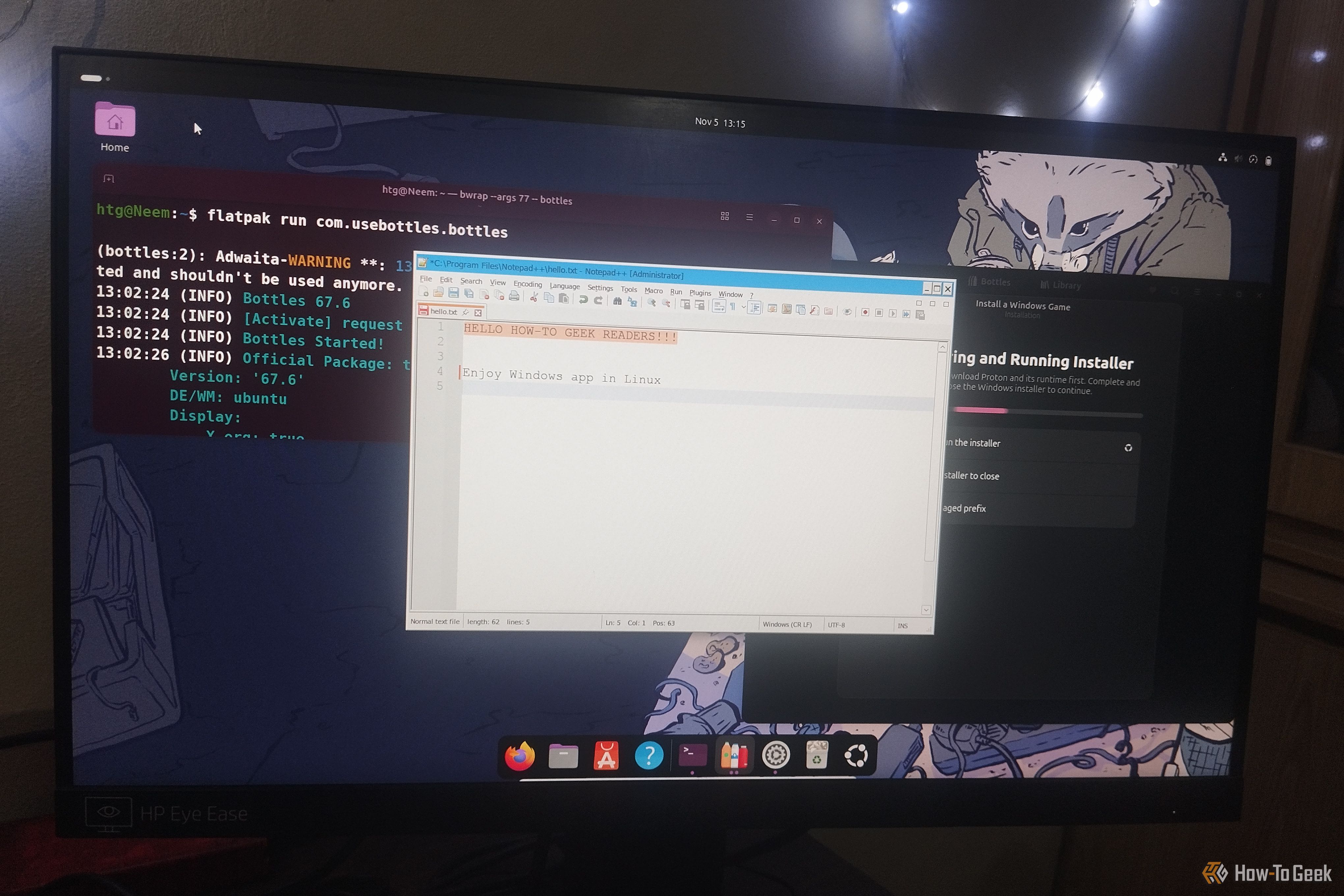
Years ago, I was excited to try Bottles and finally run Windows applications on Linux. That excitement didn't last long. I got disappointed pretty quickly and eventually switched to open-source alternatives for my Windows apps. I haven't really looked back since.
H
Flatpak makes it easier to install applications across different Linux distros, but its sandboxing model introduces problems that you will eventually run into. An application might not be able to access your files, recognize a connected device, or use a system feature. Even uninstalling applications can leave behind configuration files and other data that continue occupying storage.
H
Most Linux distributions exist for sensible reasons: to make your computing experience easier, safer, or faster. All fully serious stuff. But sometimes, the community has a sense of humor—or a deep sense of malice—and builds operating systems for stranger reasons. I went out looking for weird Linux distros, and here are some of the most baffling ones I came across.
H
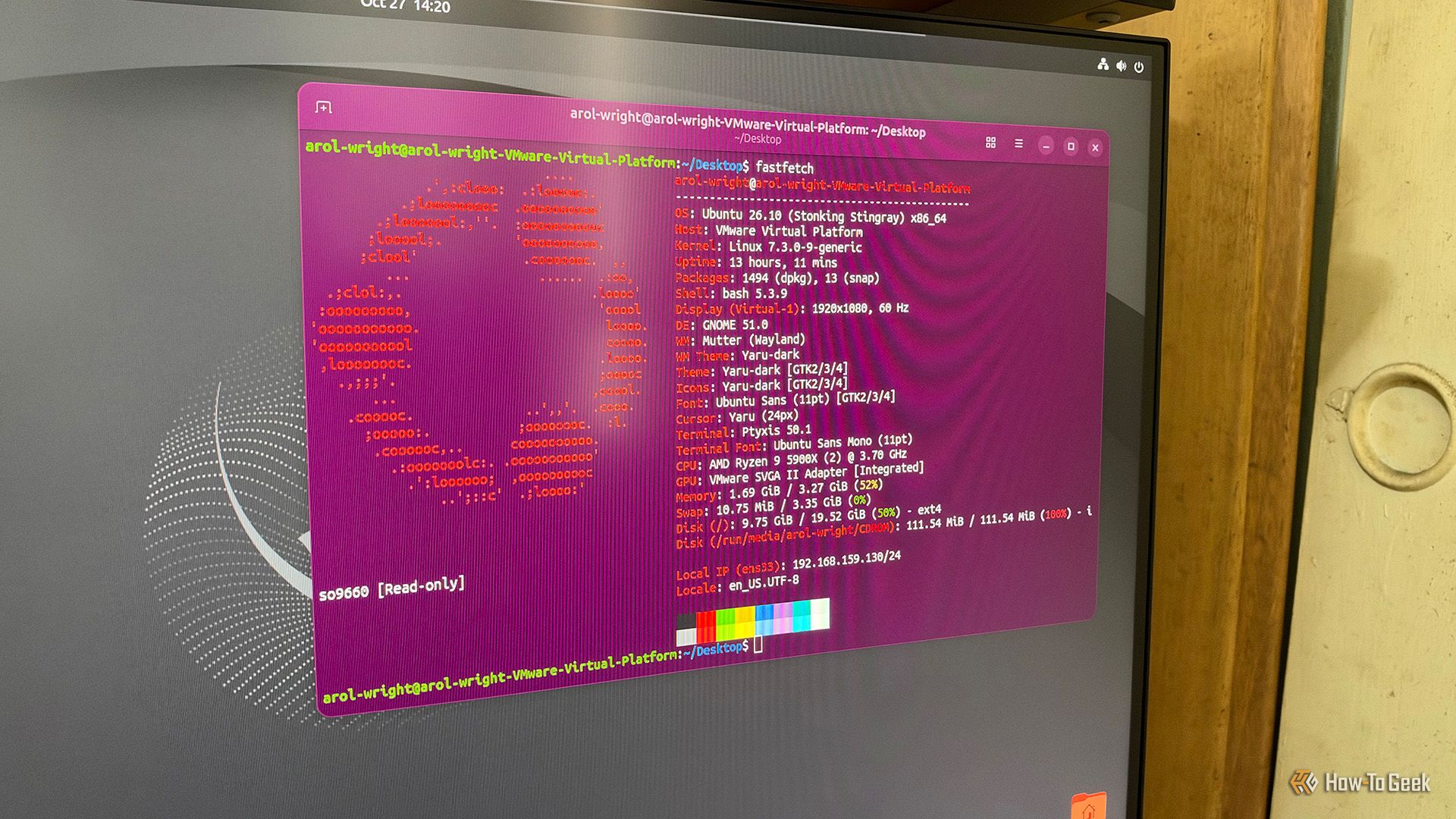
Ubuntu hasn’t been in better shape for gaming, probably ever. And for casual players with single-player libraries, it’s finally starting to feel like an actual alternative to Windows. But after I moved my gaming PC over, I realized the remaining issues aren’t just annoying little hiccups—they are the exact reasons why most gamers are still stuck on Windows.
H
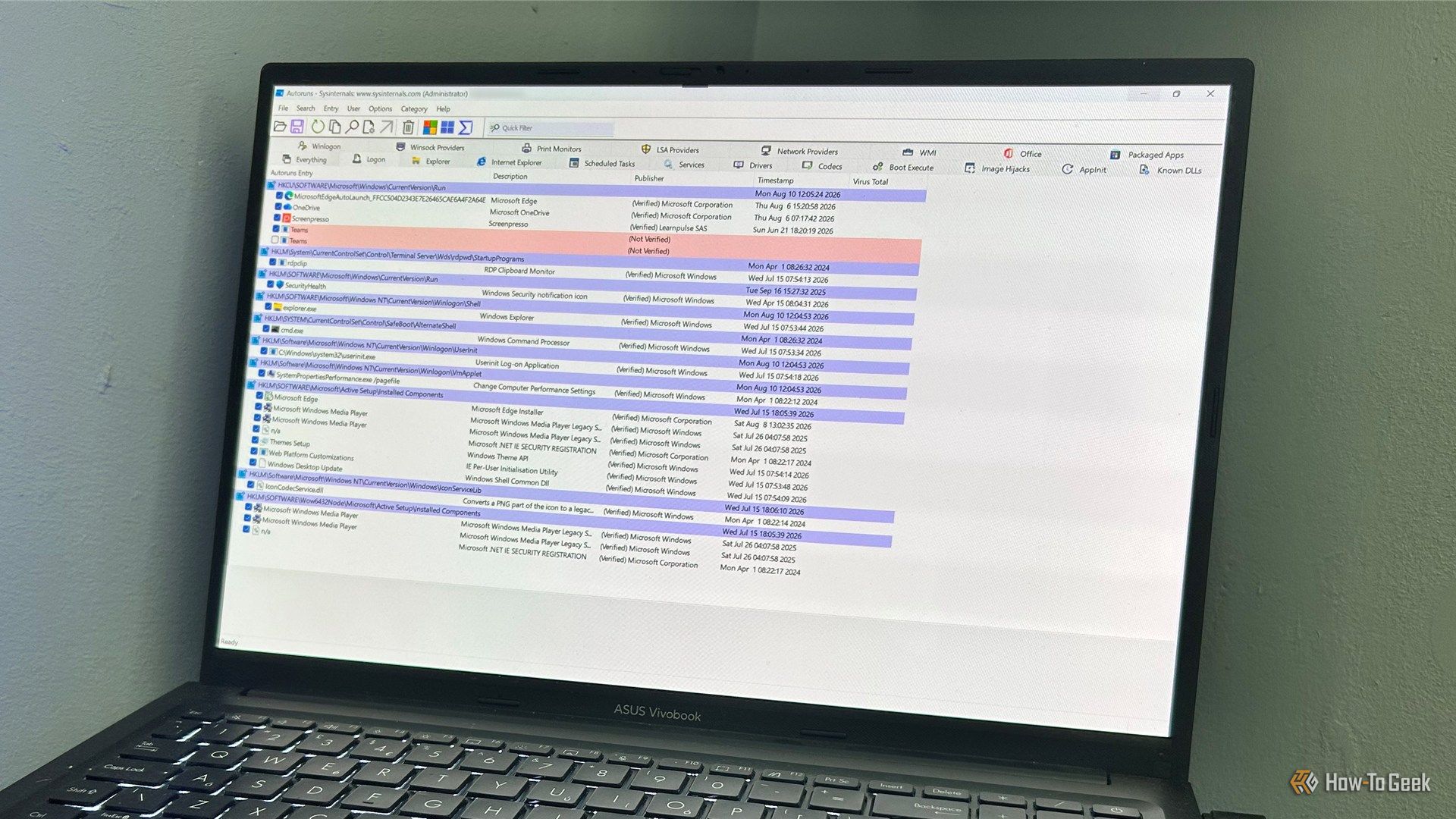
Microsoft is making its long-running Sysinternals troubleshooting toolkit more useful outside of Windows, and the latest releases are a good reason to pay attention. After bringing tools like Sysmon, ProcDump, and Process Monitor to Linux, the company is now adding Autoruns to Linux, giving users access to more of the diagnostic tools Windows administrators have relied on for years.
H
I've been a GNOME user for more than a decade, and I have a complicated relationship with it. I love its clean interface and workflow, but I wish it did a few things differently. I've tried several other desktop environments over the years, enjoyed some of them, and somehow always found my way back to GNOME. So when KDE celebrated its 30th birthday, I decided to revisit Plasma and see what it offers today.
H
Running a Linux server gives you plenty of flexibility, but keeping everything running smoothly requires some effort. You have to monitor resource consumption, secure exposed services, keep an eye on storage health, and make sure your backups actually work. You can handle all of this through SSH and command-line utilities, but a few well-chosen self-hosted applications can make the job considerably easier.
H
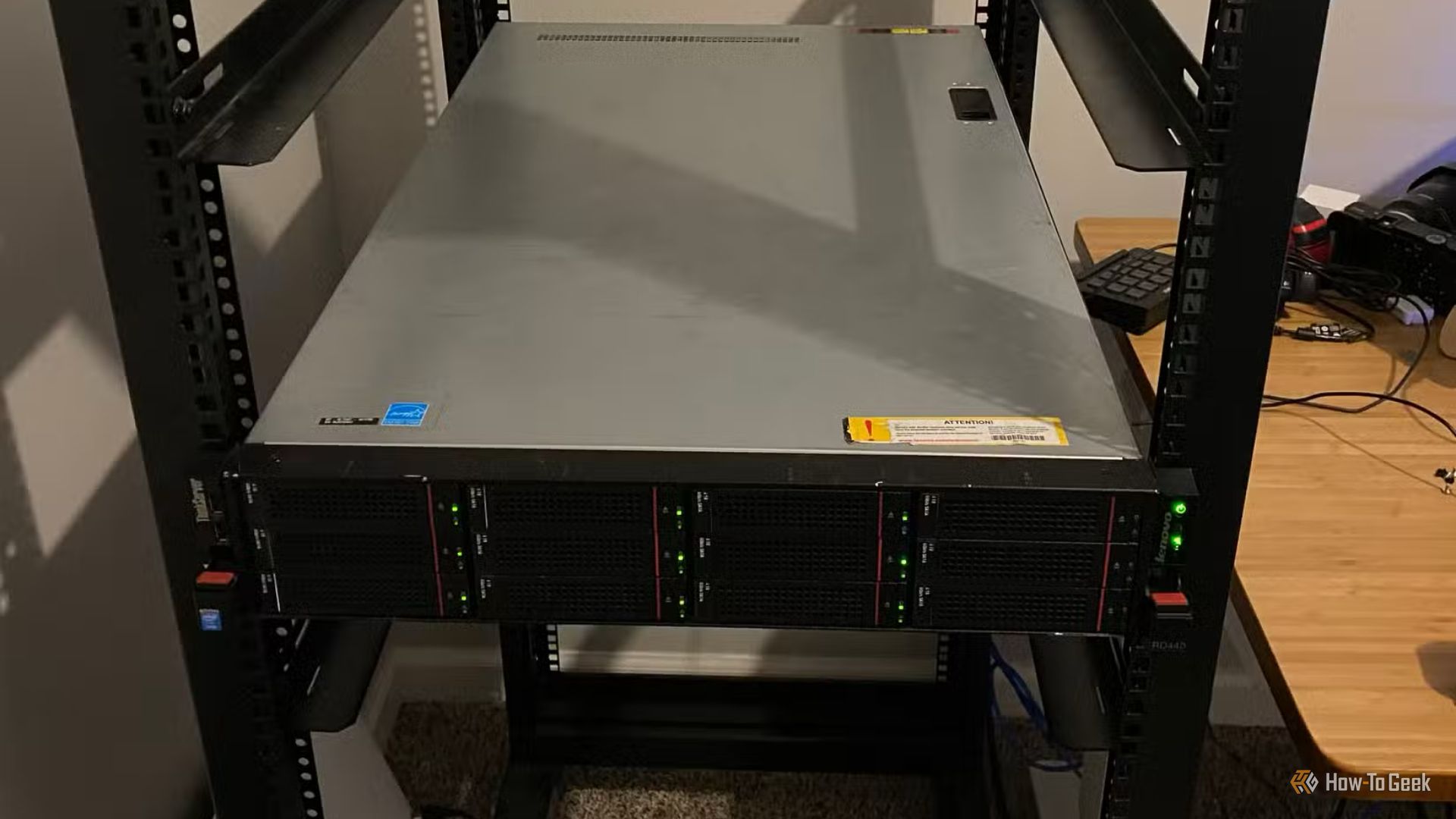
Every few months, a storage warning lands in my inbox. I've noticed that they all sound the same and ask me to pay a little more to make the storage problem go away. The number is never big, but I still hate paying it. That price is what got me staring at the dusty computer in my closet, wondering if it could do the job instead.
H
Since outlining its Leap 16 plans in 2024, Linux distro openSUSE has been working toward a more flexible Linux ecosystem, embracing SUSE’s Adaptable Linux Platform technology while promising to preserve traditional installations. This eventually resulted in two distinct offerings: Leap for traditional desktop and server environments, and Leap Micro for immutable systems. Leap 16.1 now combines both approaches.
H
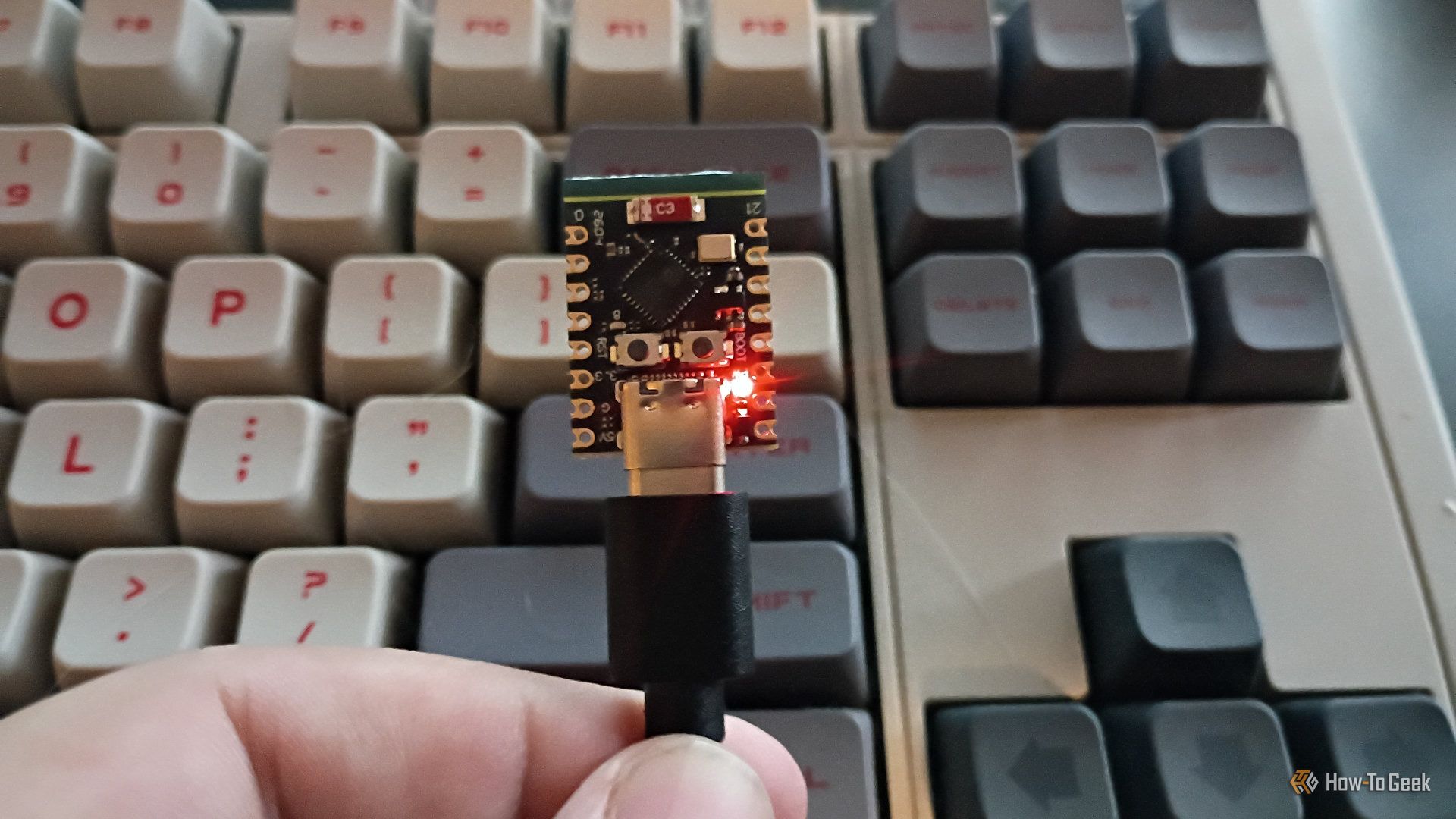
I was looking for a fun home lab project to try over the weekend and realized it's been a while since I last made something with an ESP32 board. I have a few different boards among my supplies, including several ESP32-C3 Supermini boards, and I thought, “Why not make a tracking tag out of a few of them? So I did a bit of research for ideas on how to do that and ended up doing a nifty little weekend experiment with the concept.
H
I'm good with the Linux command line. I use it daily and even teach basic Linux operations to a few students. But I was thinking about it the other day and realized: I can get around and do a lot using the Terminal, but am I truly fluent with the command line? I don't think I am. Every so often, I like to test Claude, whether it's for gaming tweaks, research, or other stuff. I wanted to see how it would do on something useful, so I devised an experiment that asked a simple question: can an LLM…
H
Upgrading to Ubuntu 26.04 on an older PC might not feel as smooth as you expected. The new release recommends 6GB of RAM for a comfortable experience, up from 4GB in Ubuntu 24.04. If your system is starting to feel sluggish, you might be able to make things better without spending money on new hardware.
H
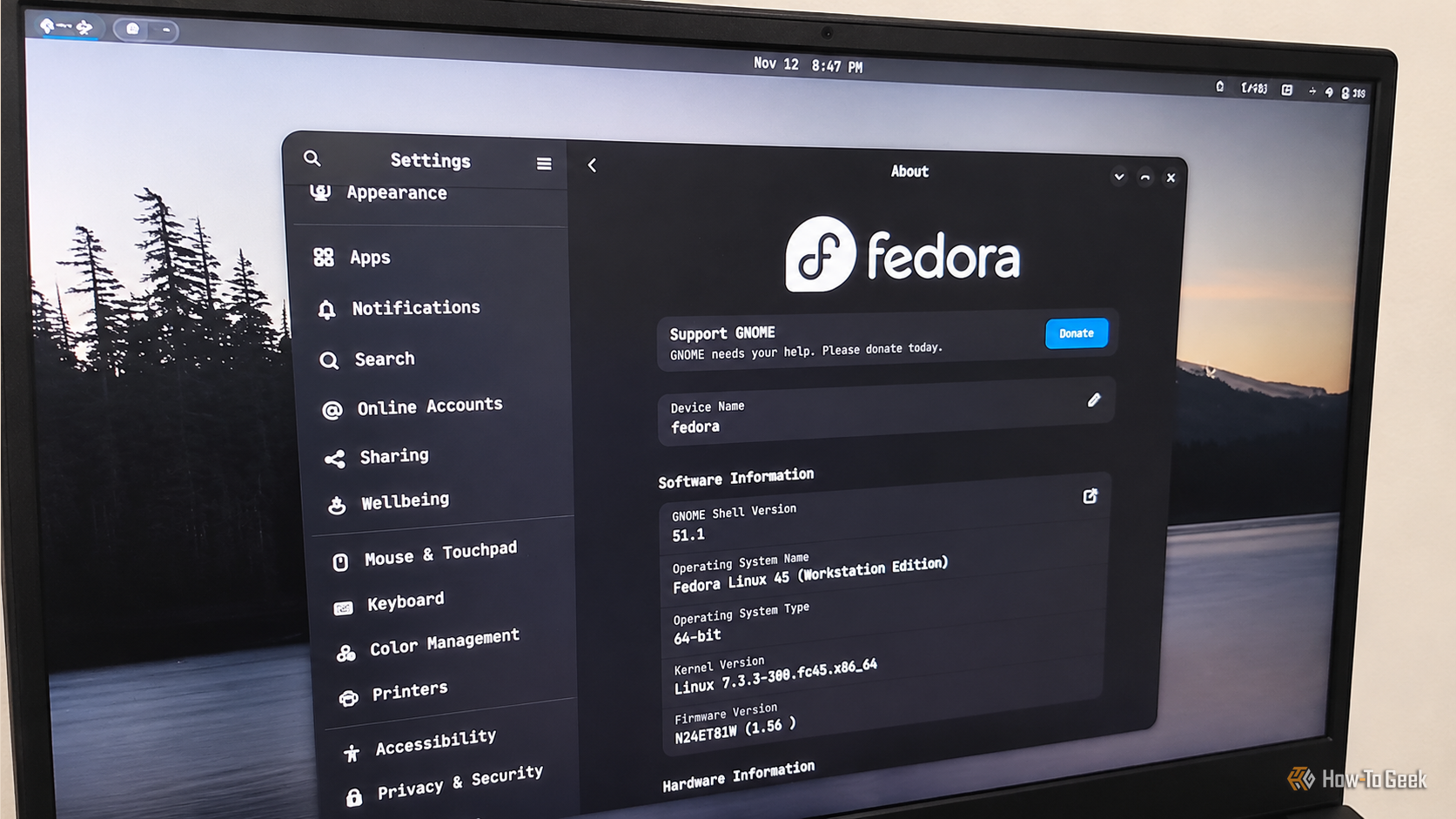
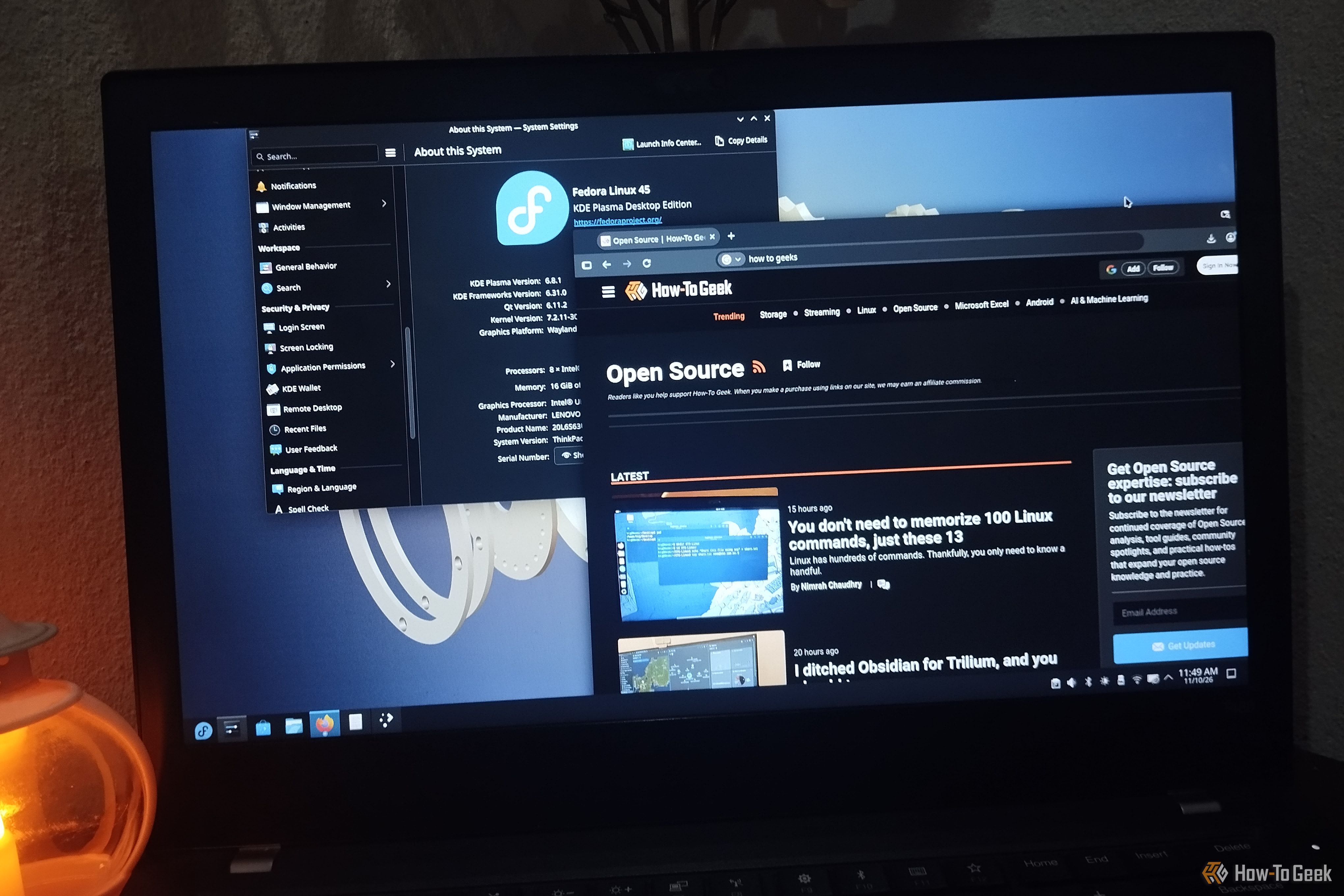
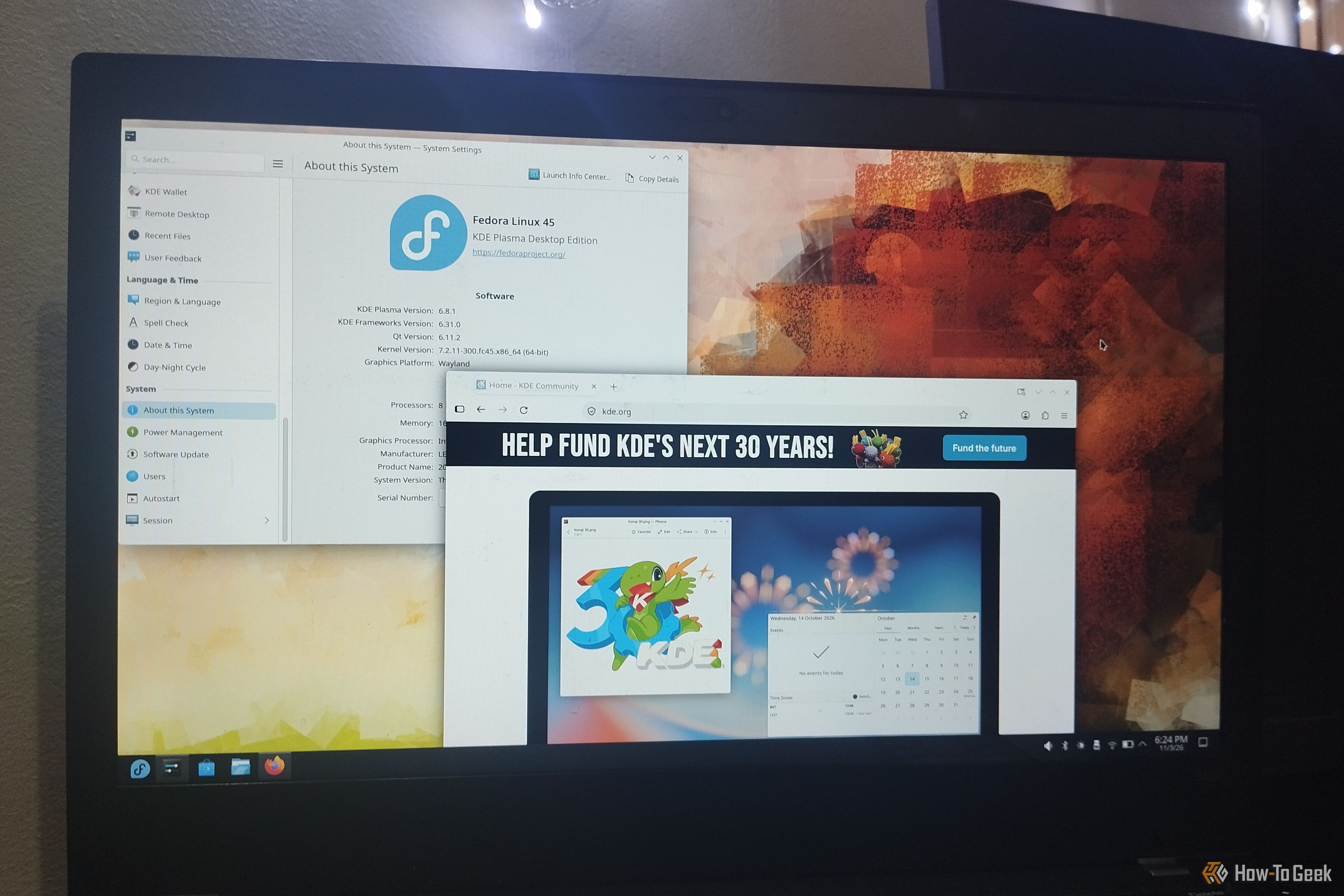
The Linux ecosystem has had a busy few months, with Linux 7.4 development getting attention for its unusually active testing cycle, growing use of AI-generated contributions, and continued hardware support improvements. Meanwhile, desktop Linux distributions have been pushing ahead with Wayland adoption, stronger security, and more modern desktop experiences. Fedora Linux 45 is the latest chapter in that evolution.
H
An aging laptop does not necessarily need a hardware upgrade to feel faster. Sometimes, changing the operating system can make a noticeable difference, particularly when you are running a machine with an older processor and integrated graphics. Linux distros have different desktop environments, background services, and system requirements, all of which can affect everyday performance.
H
If you have a Windows-Linux dual-boot PC, you're probably familiar with the troubles that come with sharing files between the two partitions. You'd expect two operating systems with direct access to the same CPU, RAM, and storage to also be able to access each other's files. But unfortunately, that's not always the case. On Linux, you might've noticed that your Windows files are editable one day but locked in read-only mode or unmountable the next. Fortunately, all of these issues are…
H
Linux has no shortage of distros, and keeping track of which ones are worth trying can be difficult. Some distros focus on making Linux easier for newcomers, while others experiment with different desktop environments, system components, or specialized tools. Every year, a few distros manage to attract more attention than usual, and 2026 has been an interesting year for several of them.
H
Linux kernel developers have spent much of 2026 debating how to deal with AI-assisted code contributions, including whether developers should disclose their use of AI tools and how maintainers should review machine-generated patches. Following an ever-busier Linux 7.3 testing cycle, Linus Torvalds appears to be more at ease with machine-assisted contributions as he released Linux 7.4-rc1.
H
Ready to try Linux but confused by the hundreds of distros out there? Wondering which one will actually suit your needs without wasting days testing and tinkering? I've narrowed down your search to three distinct distros that cover the needs of most new Linux users.
H
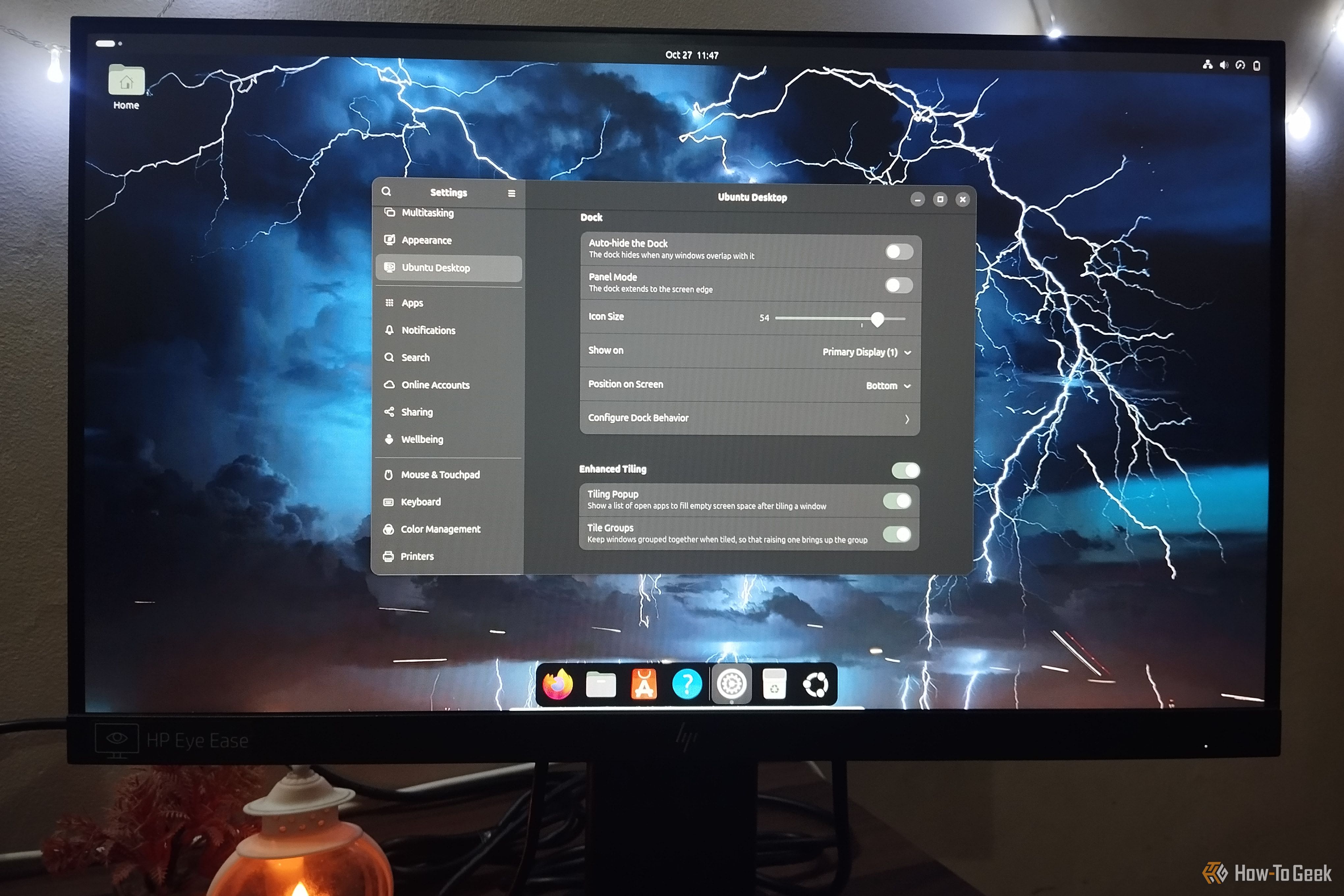
Every fresh Ubuntu install feels a bit like moving into a rented, furnished apartment. Everything looks good and works fine, but nothing feels quite like yours yet. One of the nice things about Ubuntu is that you don't have to spend an afternoon tinkering with GNOME extensions to make the desktop your own.
H
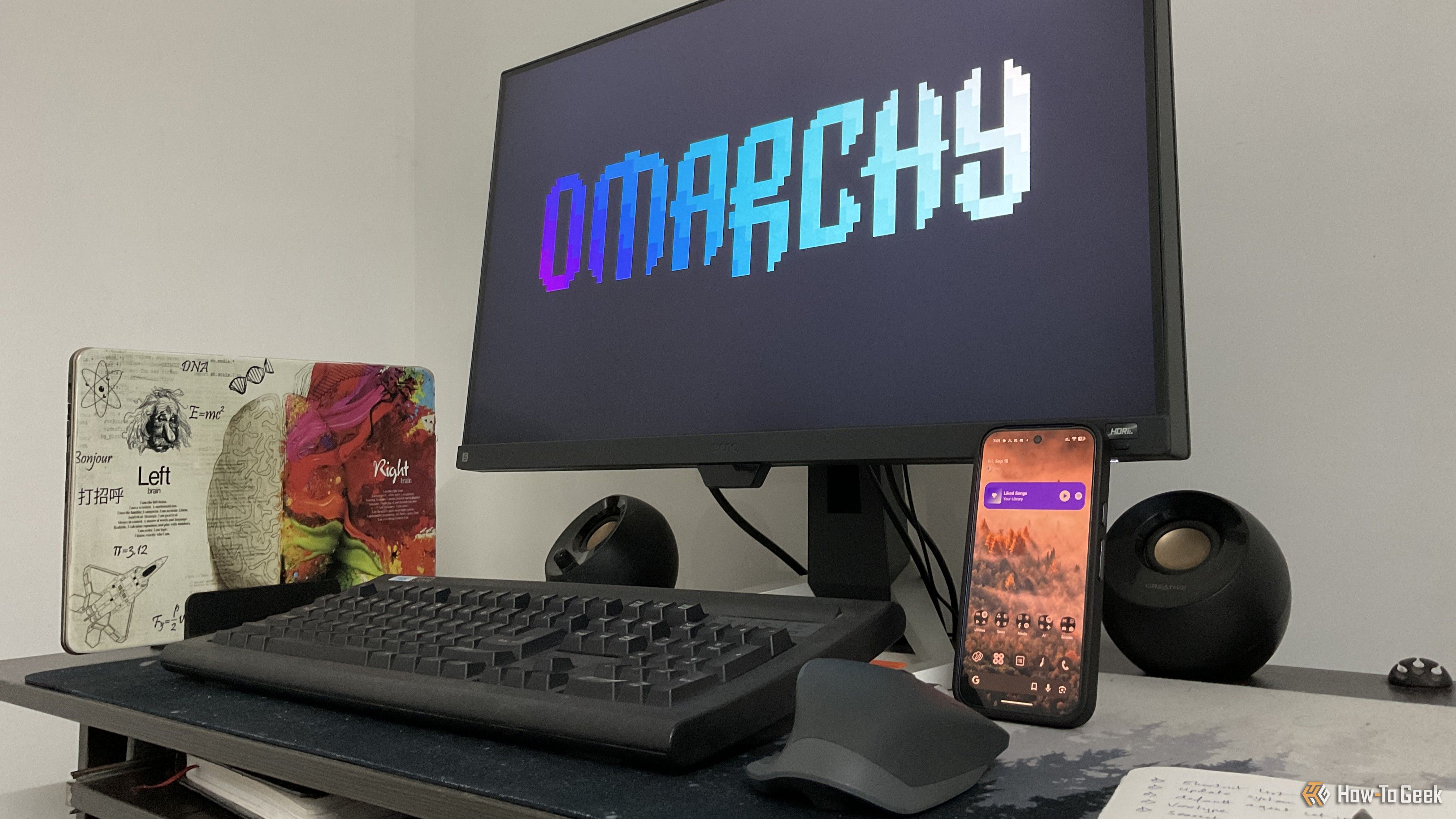
Almost every Linux user will tell you that bloat is bad — you should go with something minimal so you can customize it to your liking. There’s also a popular belief that Linux beginners should stay clear of Arch and tiling window managers, which are reserved for more “advanced” users. Well, Omarchy is based on Arch, uses the Hyprland tiling window manager, and is one of the most bloated and opinionated distros out there. And here’s my argument for why, despite conventional wisdom, I think it’s…
H
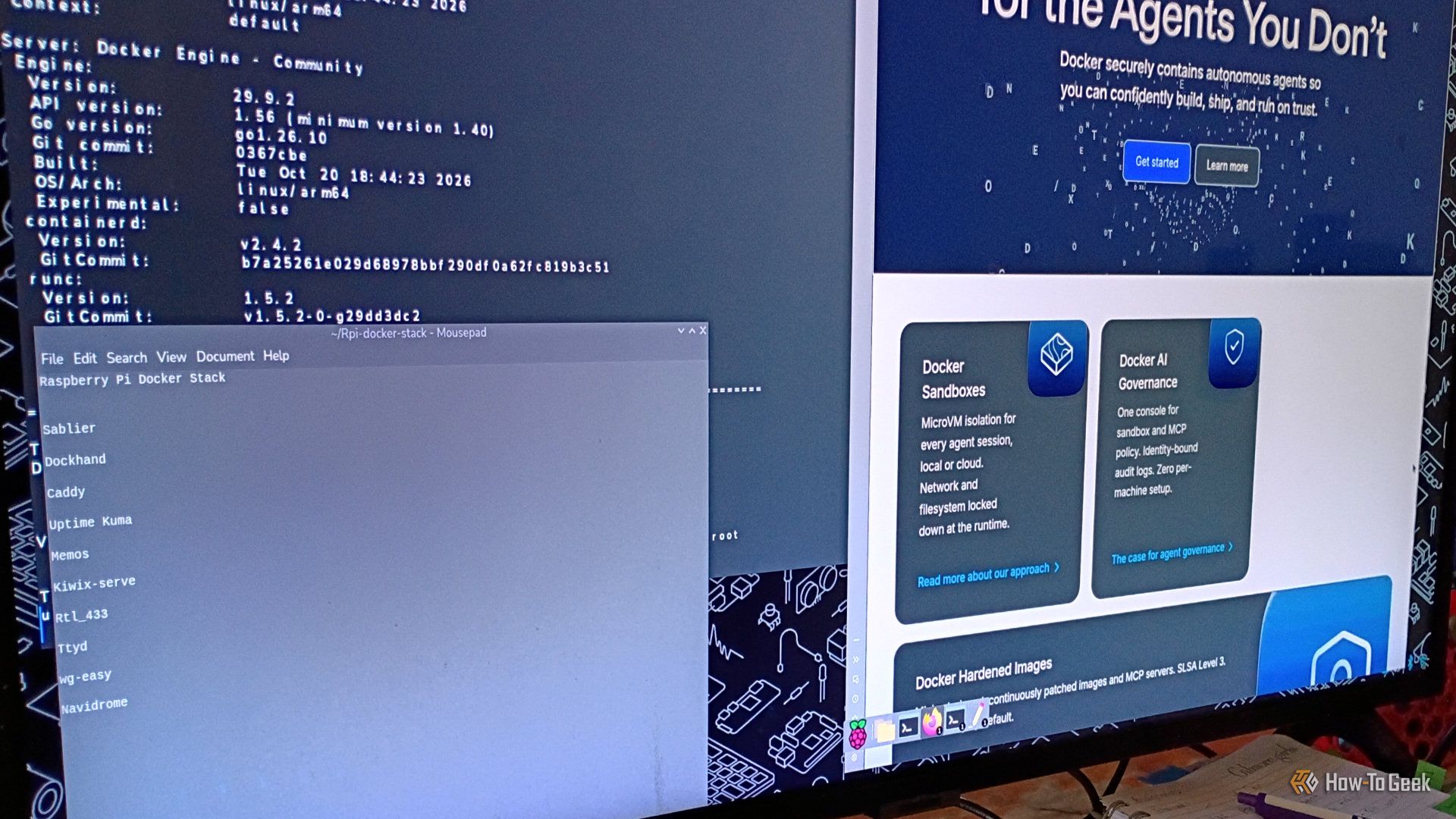
I've been obsessed with Docker lately. I've been using it for a lot of things. I've also been getting back into Raspberry Pis over the last year or so. I was talking with a fellow writer here at HTG about different things to do with a Pi 4 in my budget home lab, and we got toDocker containers. I wondered if I could get them to work on this older SBC. It turned out I had some success with the project. It unlocked quite a few cool new ideas.