H
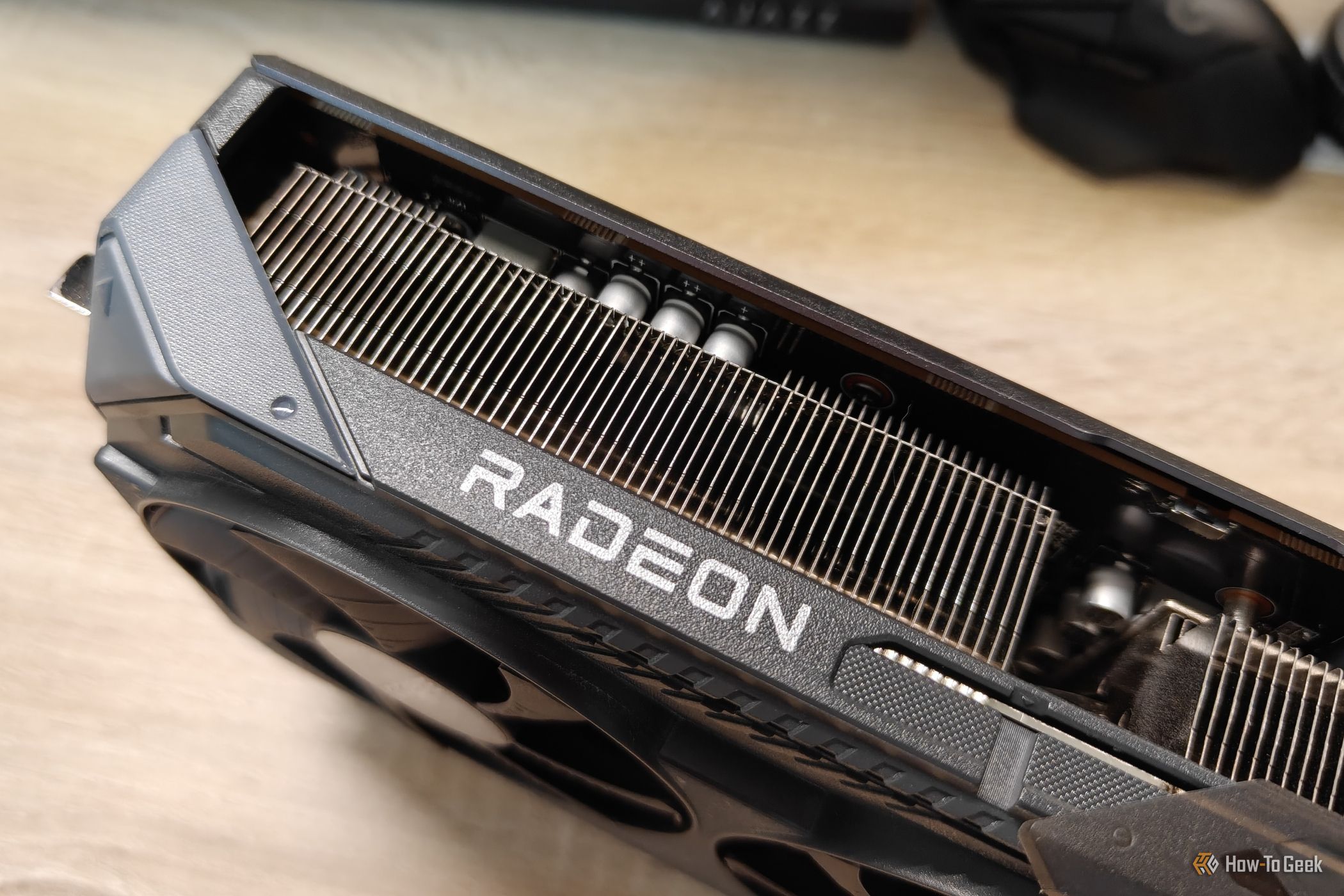
AMD has yet to officially confirm the existence of its next-generation RDNA 5 graphics cards, but the signs are already there. As reported by Phoronix, AMD recently submitted a fresh batch of drivers and updates, building support into the upcoming Linux 7.5 kernel update for the Graphics Core 13 (GC13) architecture expected to be at the heart of these GPUs.
H
Linux users have long suffered at the hands of USB accessories that work perfectly fine but lose their configuration features when not in Windows. A new open-source project called usb-rea wants to change that by analyzing USB traffic and outputting Python drivers for otherwise unsupported hardware.
H
Linux Mint has proven popular with desktop Linux users who want a familiar environment without a lot of tweaking. Now, Linux Mint 27 Adrien has reached beta, bringing back hibernation and a number of other changes worth digging into.
H
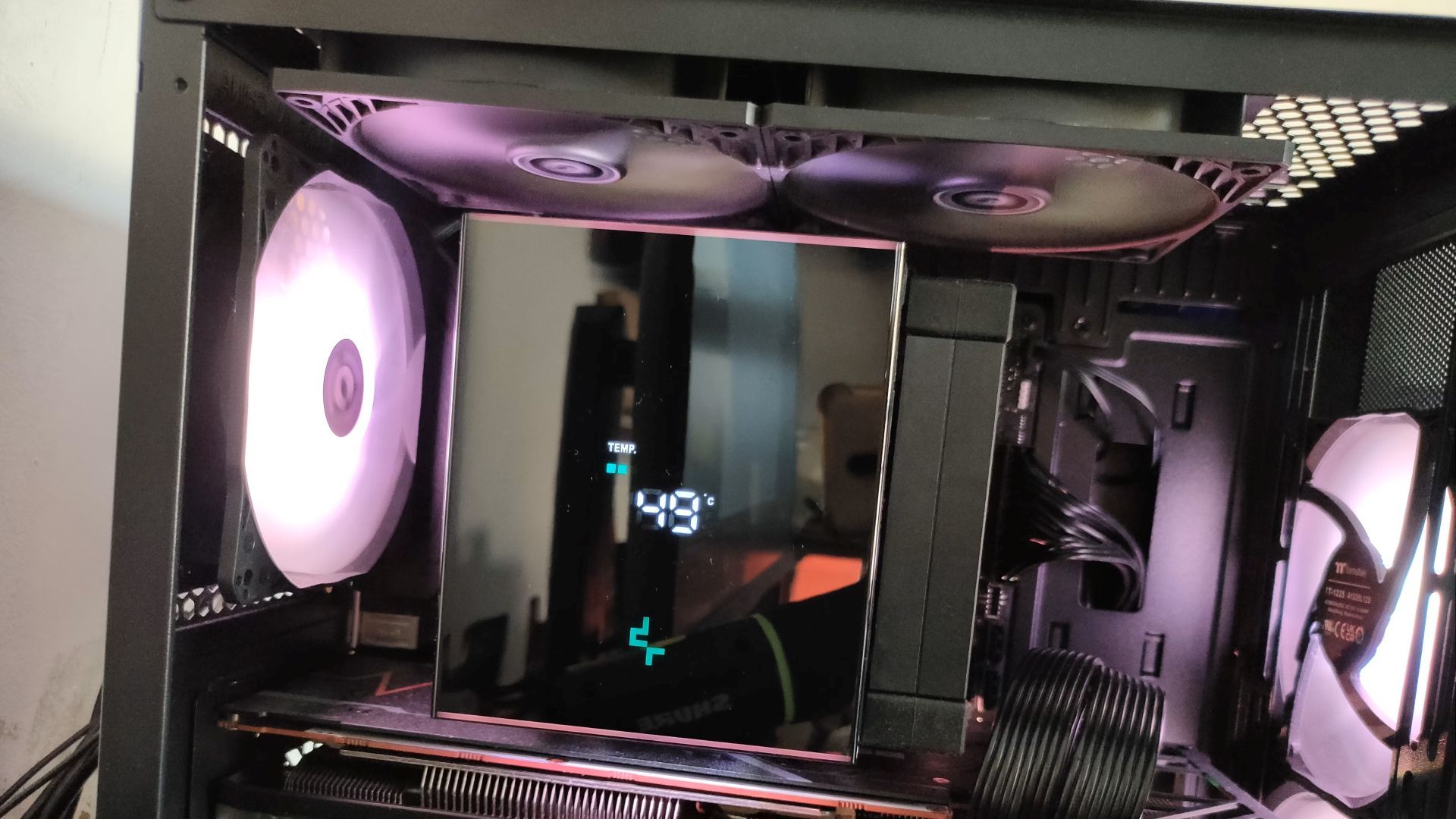
Troubleshooting a Linux system that refuses to boot can be particularly frustrating when the tools you need to diagnose the problem are inaccessible. You might need to inspect the bootloader, recover files from a damaged partition, or determine whether a failing SSD is responsible. Preparing the appropriate recovery media when your computer is already out of commission adds another layer of inconvenience.
H
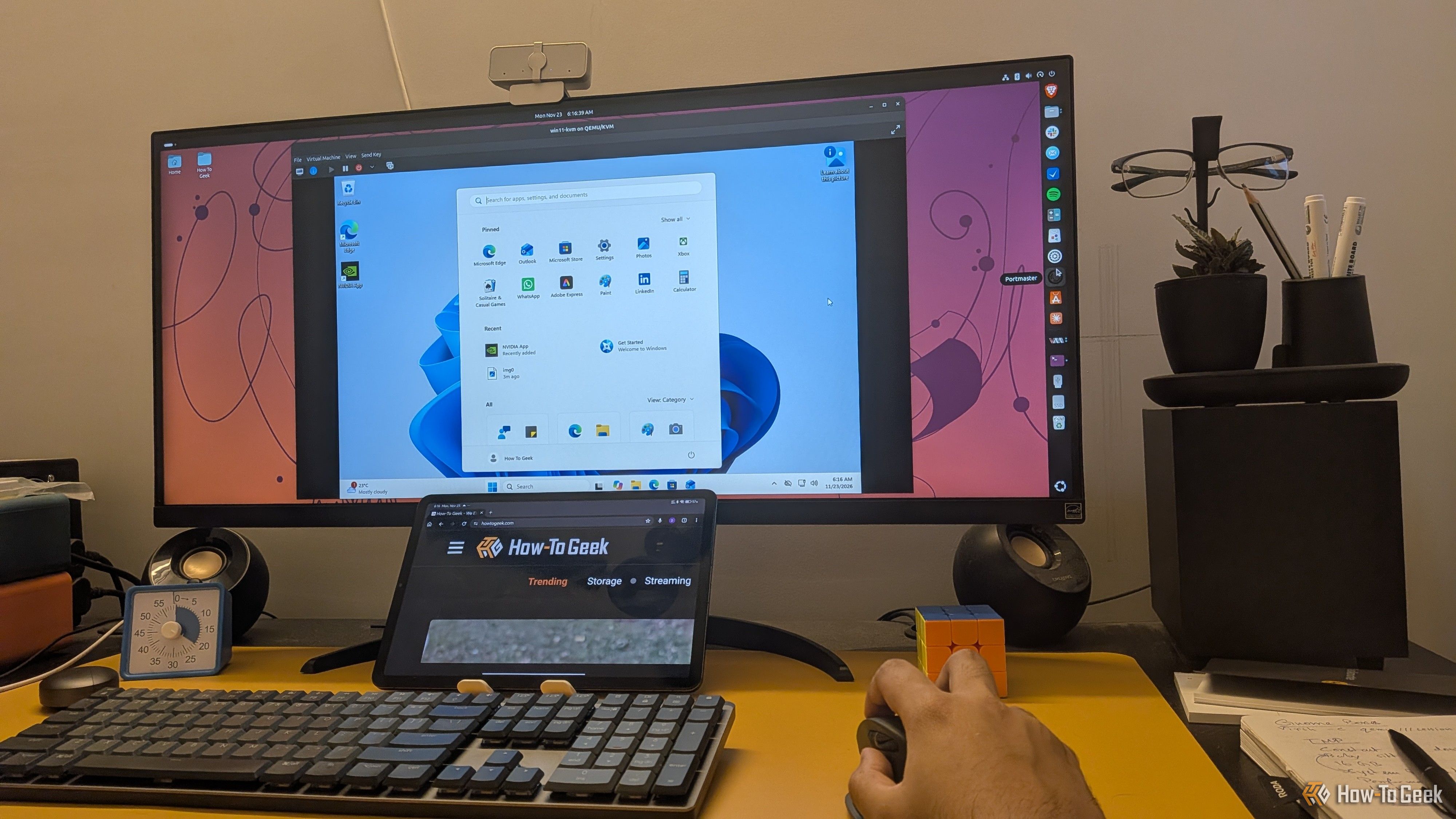
Do you love using Linux but constantly find yourself reaching for an app or piece of software that's exclusive to Windows? Have you tried dual-booting Linux and Windows but found that switching between operating systems too frequently is hampering your productivity? Well, the answer to all your problems might be running a Windows virtual machine (VM) on your Linux PC.
H
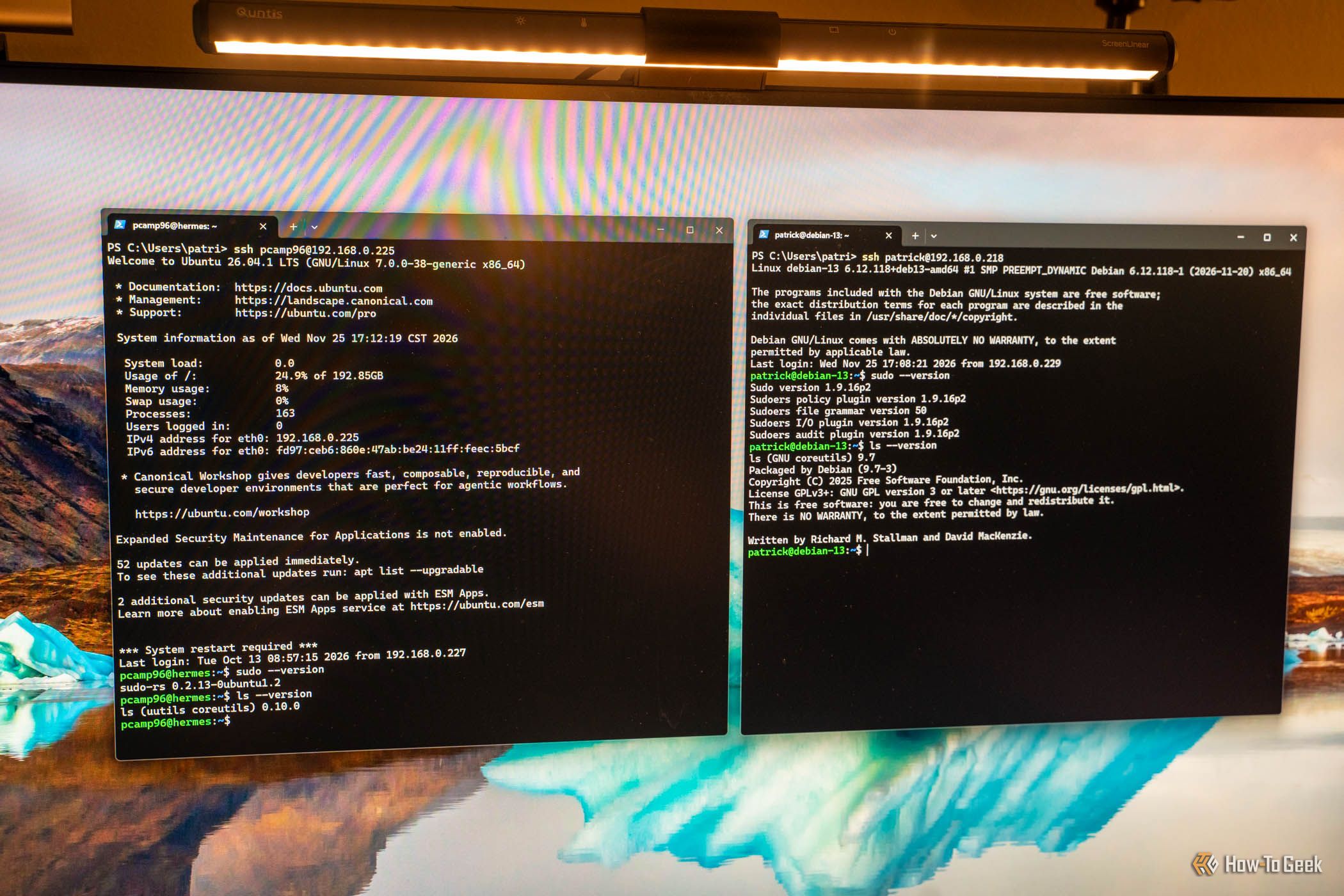
If you’re like me, then you probably reach for Ubuntu as a default server distro out of habit. I’ve done that for nearly 15 years. The problem is, Ubuntu isn’t what it used to be, and Debian is. Starting with Ubuntu 25.10, Canonical began the migration from using GNU’s core utilities to all-new Rust-based coreutils.
H
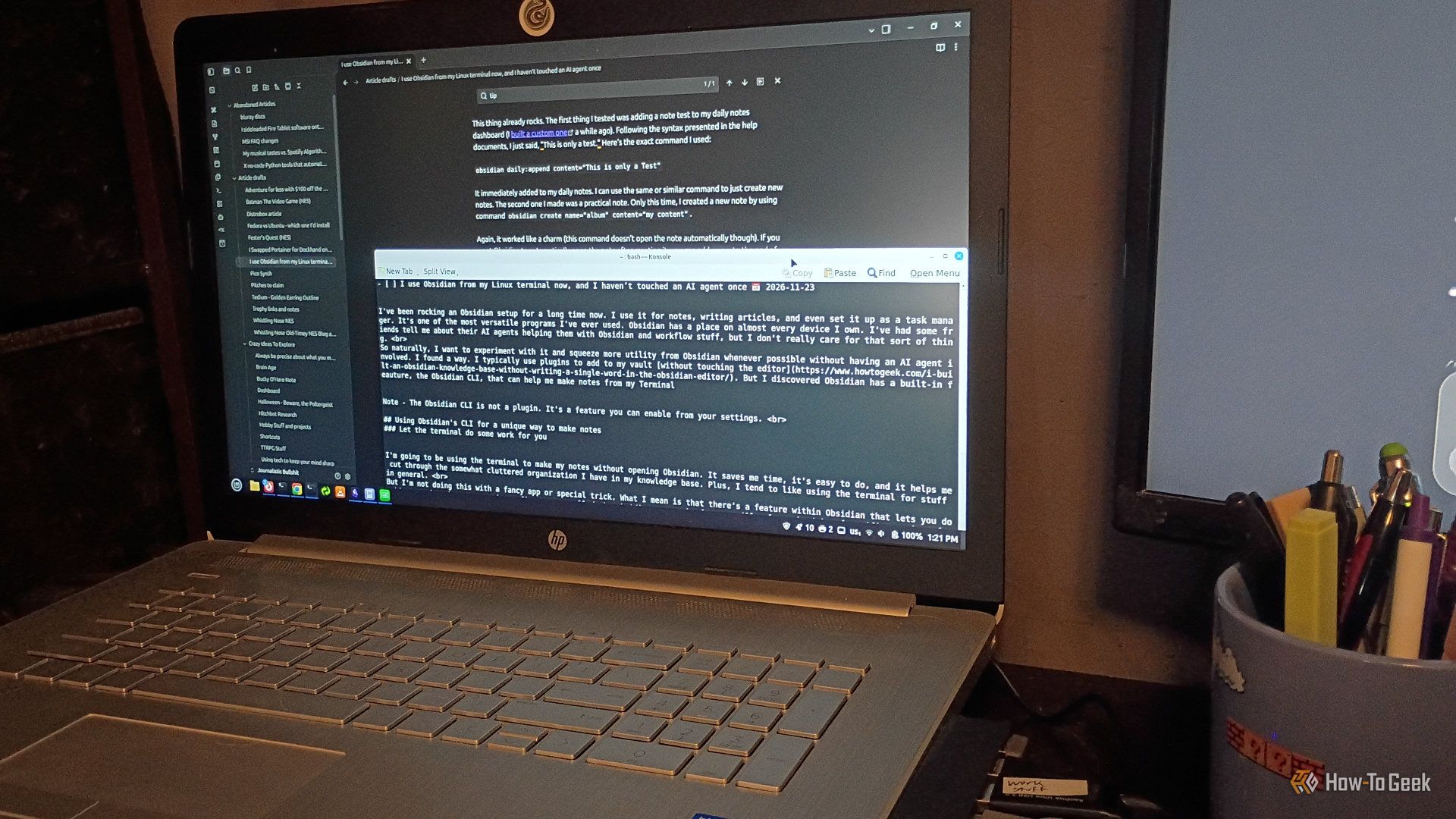
I've been rocking an Obsidian setup for a long time now. I use it for notes, writing articles, and even set it up as a task manager. It's one of the most versatile programs I've ever used. Obsidian has a place on almost every device I own. Some friends have told me about their AI agents helping them with Obsidian and workflow stuff, but I don't really care for that sort of thing.
H
A serious security vulnerability in a Linux authentication module could allow attackers to log in to affected servers using practically any password. What makes this particularly concerning is that the vulnerability can be triggered even when an SSH server has been configured to reject empty passwords. In fact, the very hardening setting intended to prevent this kind of authentication can help expose the flaw.
H
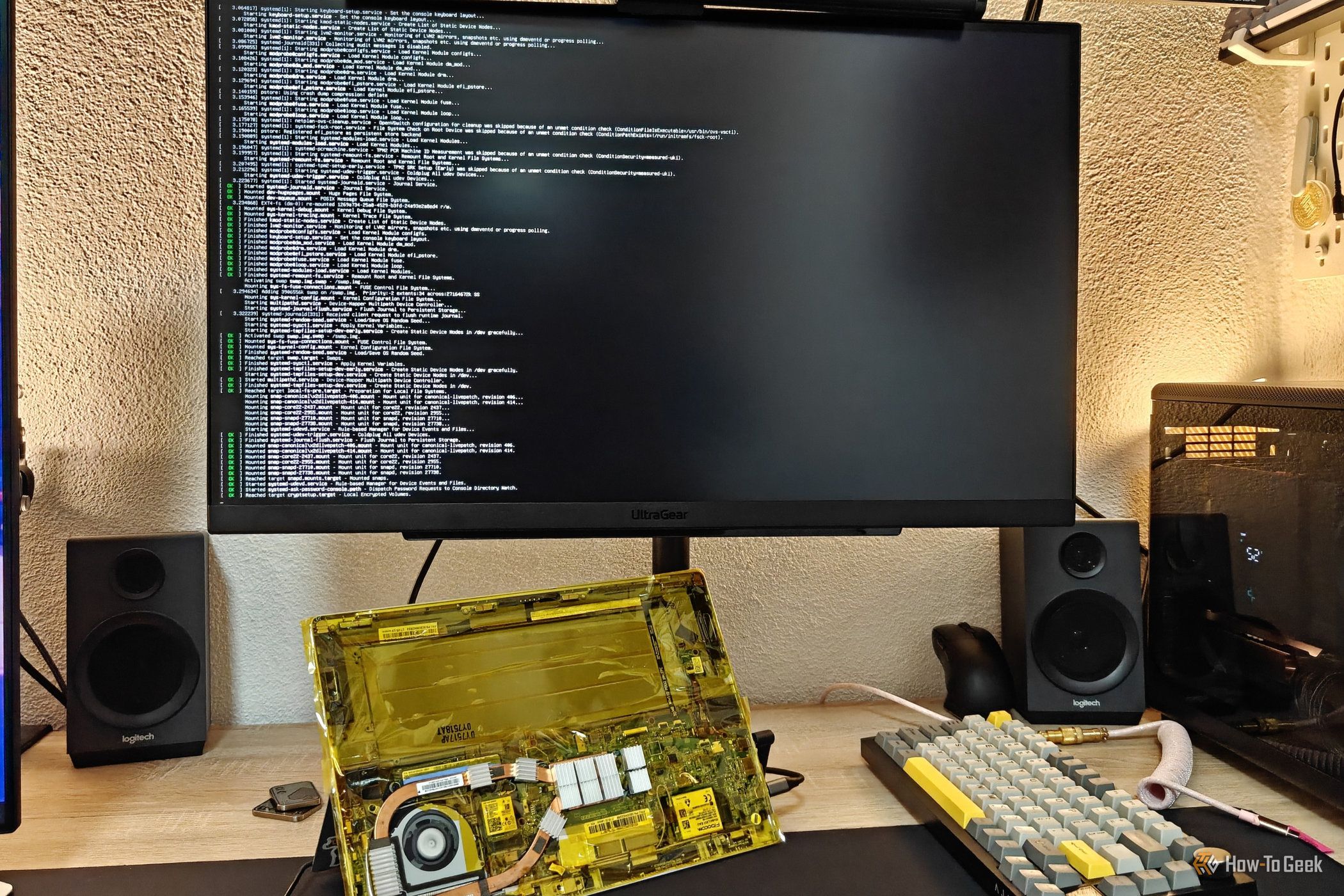
My old 2-in-1 convertible laptop had been sitting unused for a couple of years. It's an old, underpowered machine with a cracked screen, so there wasn't much point in trying to sell it. It wasn't worth selling even for parts, and I couldn't find an affordable replacement screen to fix it so that I could at least watch movies on the go.
H
Are you looking for really good open source software for your Linux computer? There are some applications that I use so much, I'd be first in line to pay if there was suddenly a price tag on it.
H
Some people will claim Linux gaming is awesome, while others will complain that it’s broken and doesn’t work! This vast difference in experience largely boils down to the choice of distribution. As such, I only recommend three Linux distros, because they’re the best when it comes to gaming on Linux.
H
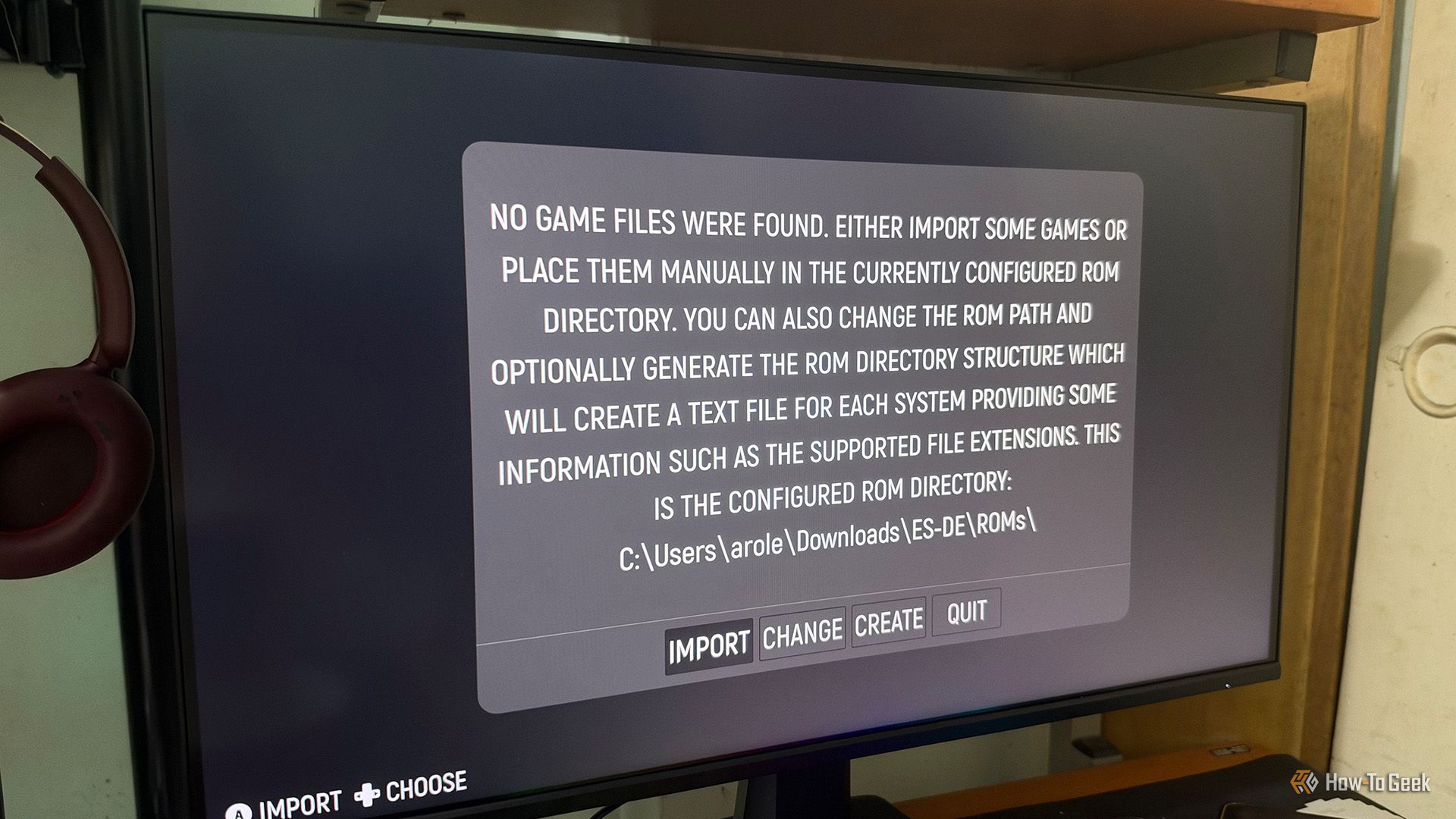
Setting up emulation used to mean downloading a dozen emulators, hunting down configs, and mapping the same controller over and over. Purpose-built Linux distros and all-in-one frontends now handle nearly all of that for you, and the right pick depends mostly on your hardware.
H
Ubuntu has been one of the most popular Linux distros for over two decades, and for good reason. It is relatively easy to install, supports a wide range of hardware, and has an enormous software ecosystem. If you run into a problem, chances are someone has already encountered it and posted a solution somewhere online. For many people, Ubuntu was also their introduction to desktop Linux.
H
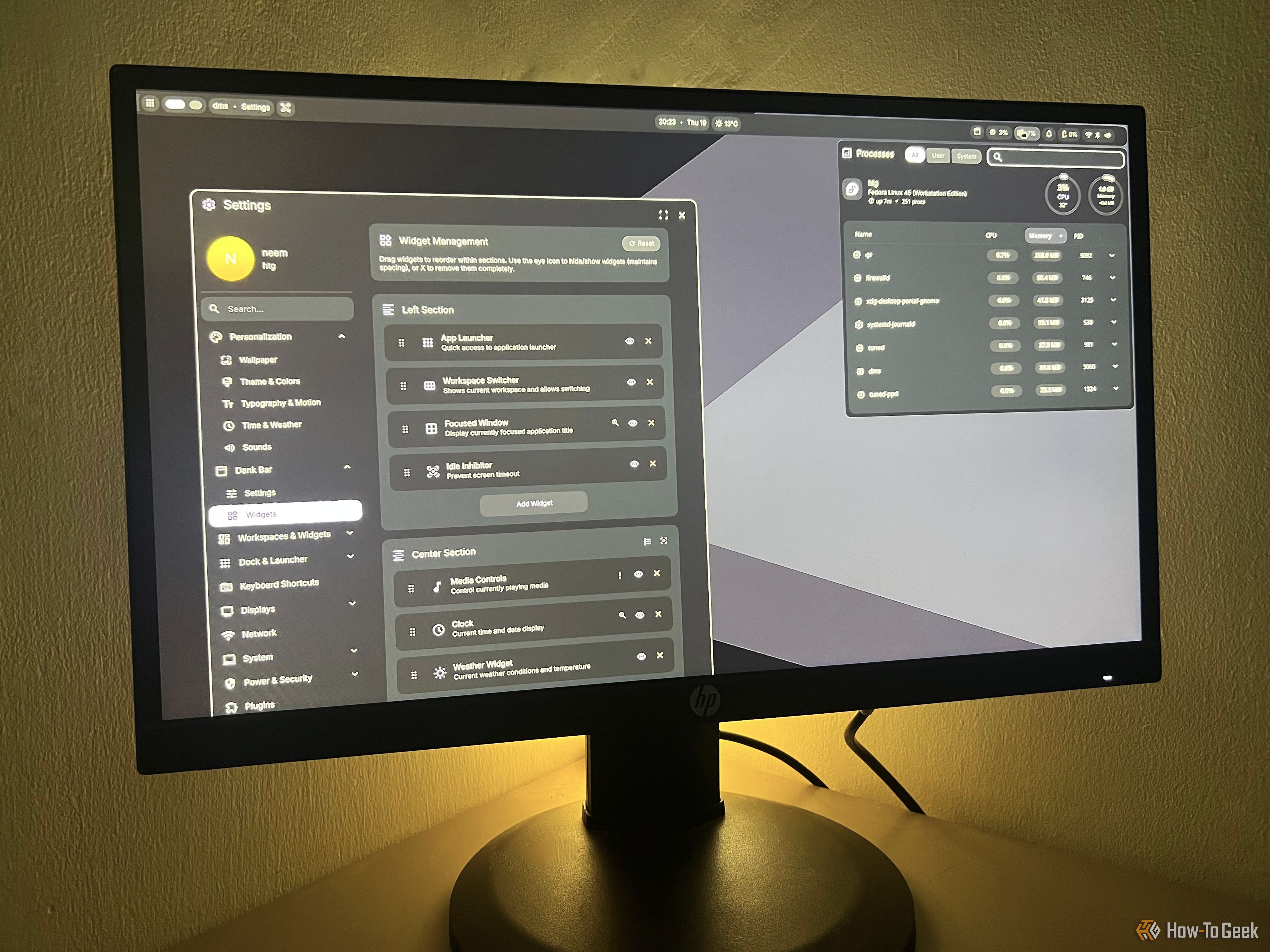
As someone who enjoys tinkering with Linux, I'm always tempted to try something that promises to make my desktop look or behave differently. My latest experiment was Dux Modular Shell (DMS 2.1), previously known as DankMaterialShell. I installed it on Fedora Workstation alongside the Niri compositor, expecting to spend some time troubleshooting compatibility issues or unexpected errors. Surprisingly, the installation was quick and painless. What I didn't expect was how dramatically it would…
H
Looking for Flatpak recommendations that go beyond the usual LibreOffice and GIMP suggestions? Want to know which apps a Linux enthusiast actually uses every single day? Here are my seven must-have Flatpaks that I install on all my Linux systems!
H
When people decide to leave Windows, the excitement can fade pretty fast. Linux isn't just one operating system, and that trips a lot of newcomers up. Ubuntu and Linux Mint are usually the first two names that come up, so most people have to choose between them before they've even gotten started.
H
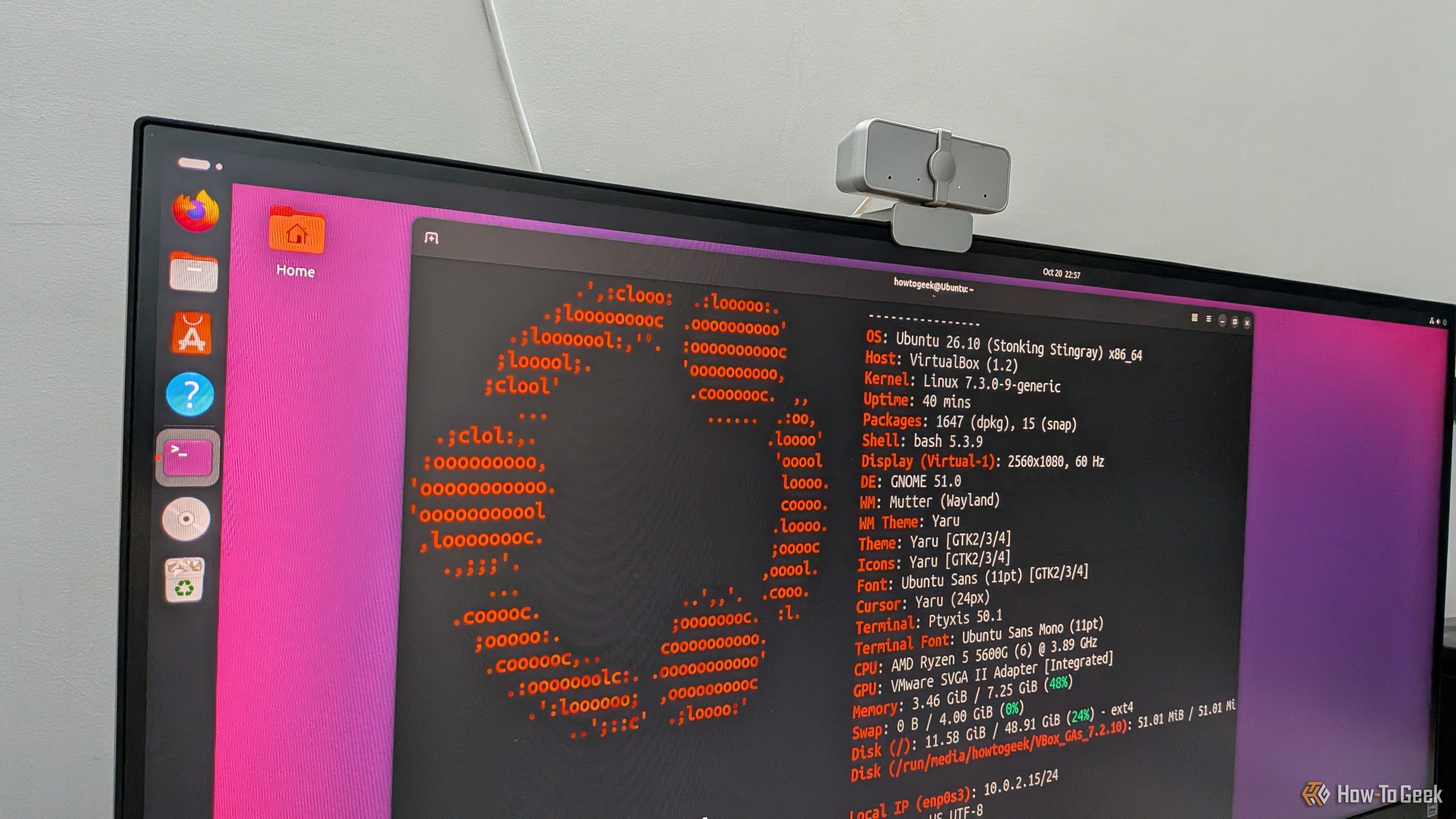
You may have heard that Ubuntu is going through something Canonical calls oxidation (greater oxidation) or Rustification, and wondered what it actually means for you. The idea is simple: gradually replace old C-based system utilities with Rust alternatives so that the tools Ubuntu depends on are more secure and more reliable.
H
Devario OS released its first stable version today. Seafoam Labs released the new Arch Linux-inspired OS as a free live ISO image. You can install it using the Calamares graphical installer.
H
For most of my time on Linux, Fedora has been my daily driver. I have used Ubuntu on the desktop before, and I still run into it constantly on servers, where it remains the default for many people and projects. On my own machine, though, Fedora is what I reach for, but it has been a while since I have spent much time with Ubuntu on my own system. When Ubuntu 26.04 LTS came out, I was experimenting with local AI, so I decided to give it another try.
H
Linux can be a complicated operating system to use, and even something as light as Mint isn't as easy as people make it sound. There's a lot more to it, and when things go wrong, it's frustrating because Windows has so much built-in help, and new people end up thinking they broke their computers. Before you install an entirely new OS and lose everything, there might be a way to get around the problem.
H
Have you been thinking about biting the bullet and learning Bash scripting? Or perhaps you're like me, and you're always looking for ways to improve. I have three tips that will improve every Bash script you write.
H
Security researchers recently discovered an 11-year-dormant vulnerability within Linux's handling of TCP, which they nicknamed NoisyTCP (CVE-2026-99288). The bug allowed a remote, unauthorized attacker to crash vulnerable servers over the internet without needing to log in to their account first. It affects the operating system itself, so a single attacker could bring down an entire server, including the other services that rely on it.
H
My Linux story began with Ubuntu. Over the years, I've used every LTS version since 20.04. I've also used my fair share of other Linux distros. I admit that Ubuntu isn't the best distro despite its popularity.
H
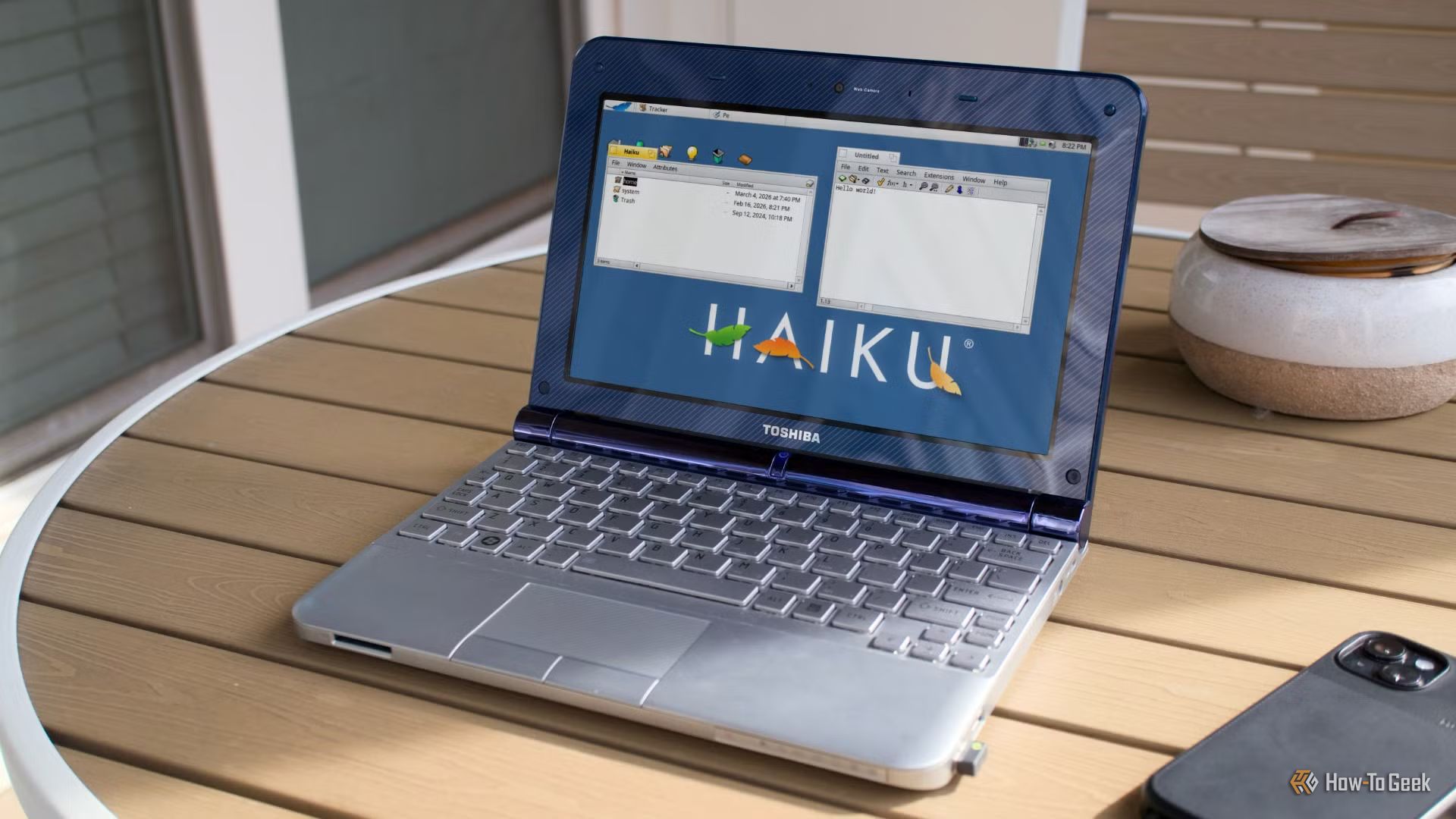
Haiku OS is a very interesting operating system. It's fun, unique, and very user-friendly. It’s probably the ideal hobbyist operating system for someone who wants to dabble outside of Linux, Windows, and macOS. It is, however, a bit limited. Regardless, I found a few apps and a game that were ported to Haiku OS by the open-source community. The results are pretty neat.
H
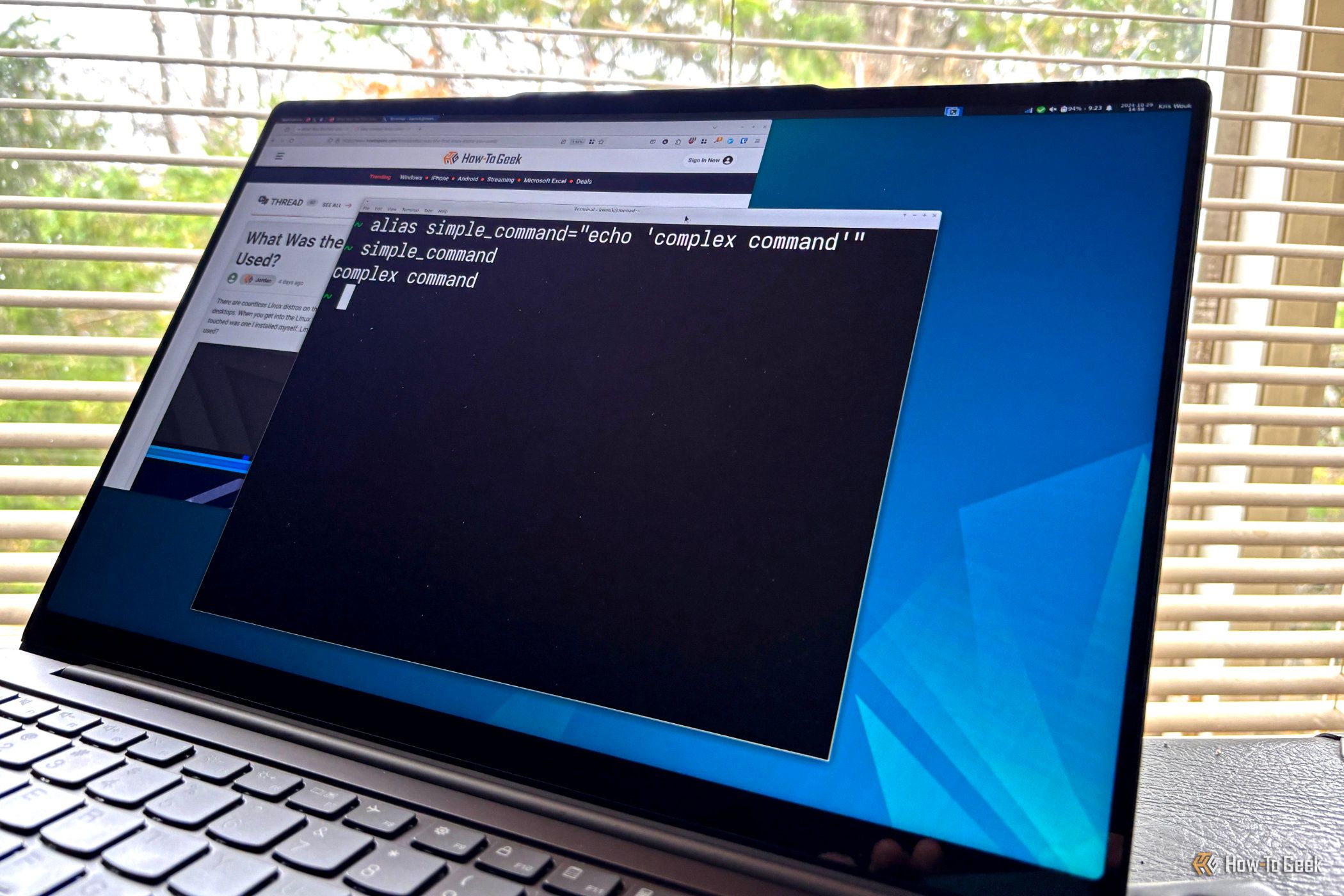
Is your Linux system slowing you down? Regular maintenance checks can help identify issues and keep your system running optimally. Fortunately, there are many Linux commands to help you.
H
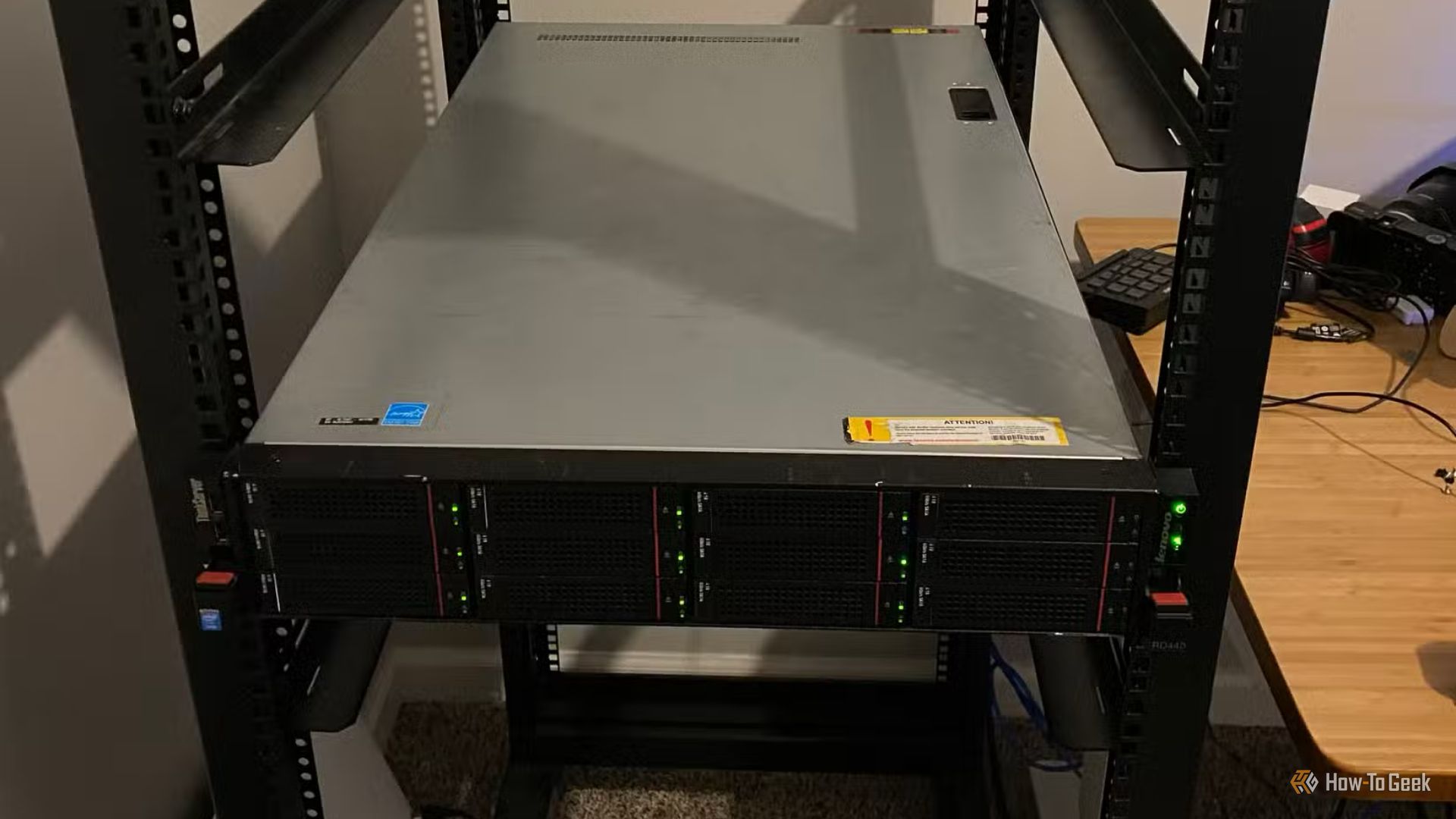
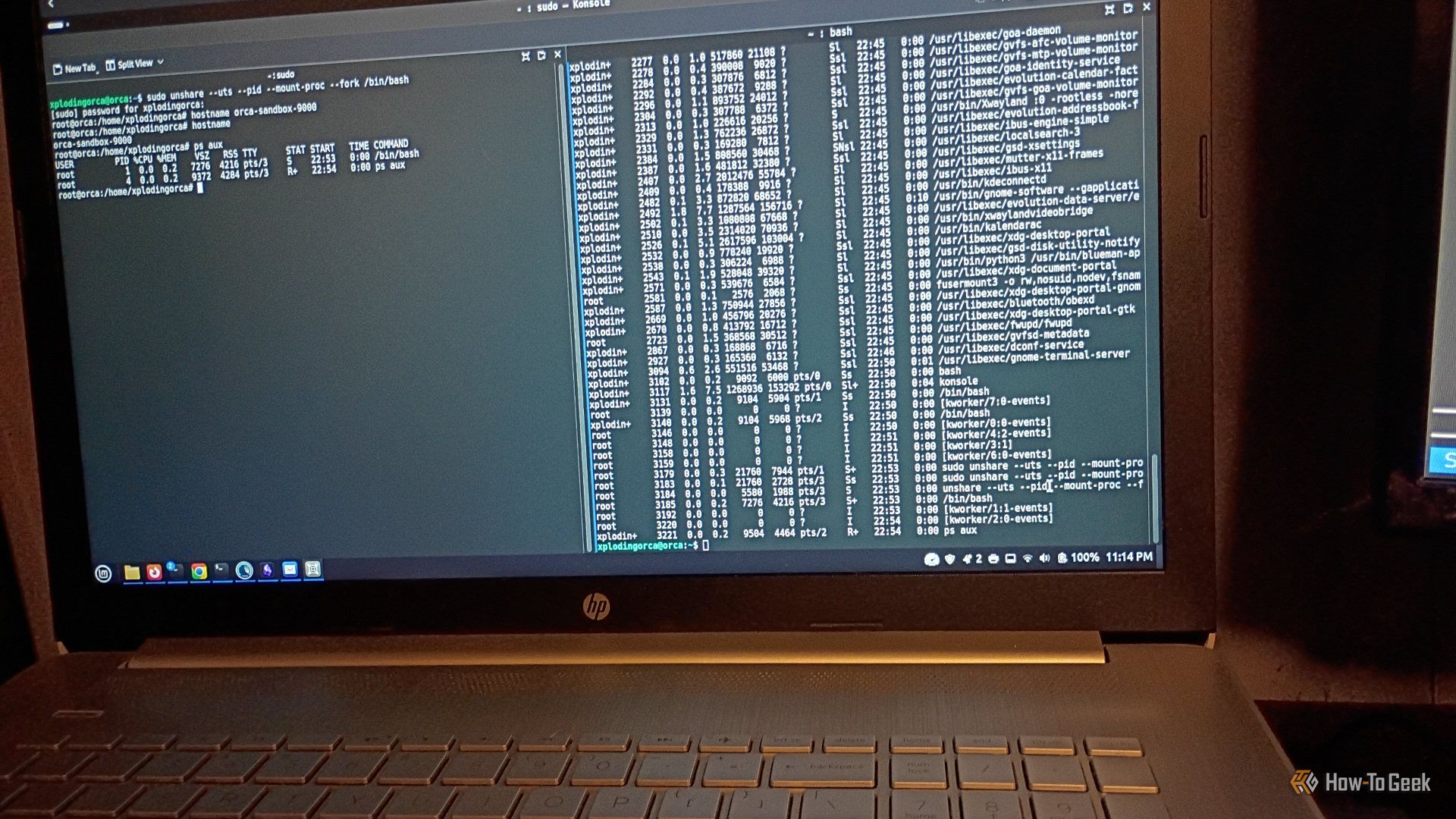
Self-hosting is a great way to save money on subscriptions and take control of your data, but getting everything running smoothly on one system can be difficult, especially if you have incompatible dependencies.
H
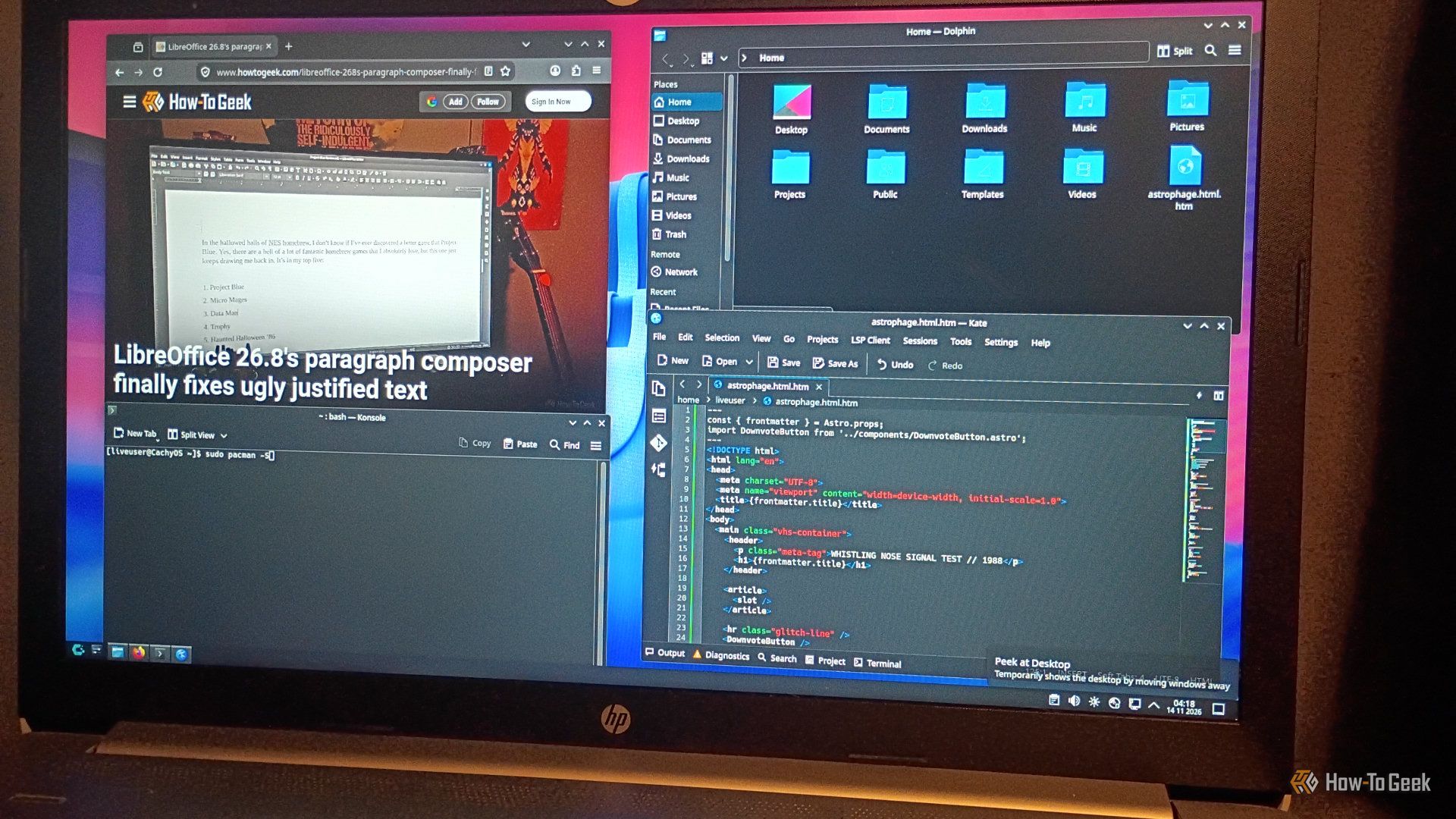
Ever since I've been using Linux as a daily driver, I haven't really considered dropping Mint for something else. Don't get me wrong. I have a machine running Debian, a machine running Arch, and I still use Red Hat and Ubuntu at the office. So I'm very much in the Linux world. But I recently discovered an OS that gives Mint a run for its money (at least for my work): CachyOS.
H
Wine 11.22 is now available, updating the popular compatibility layer that lets you use Windows apps and games on Linux, macOS, and other Unix-like operating systems.
H
The Linux 7.5 source tree will introduce a new tool called hwpoison-panic that deliberately induces certain memory issues in your computer to cause a crash. Developers can use the tool to test the Linux kernel and ensure it crashes when expected