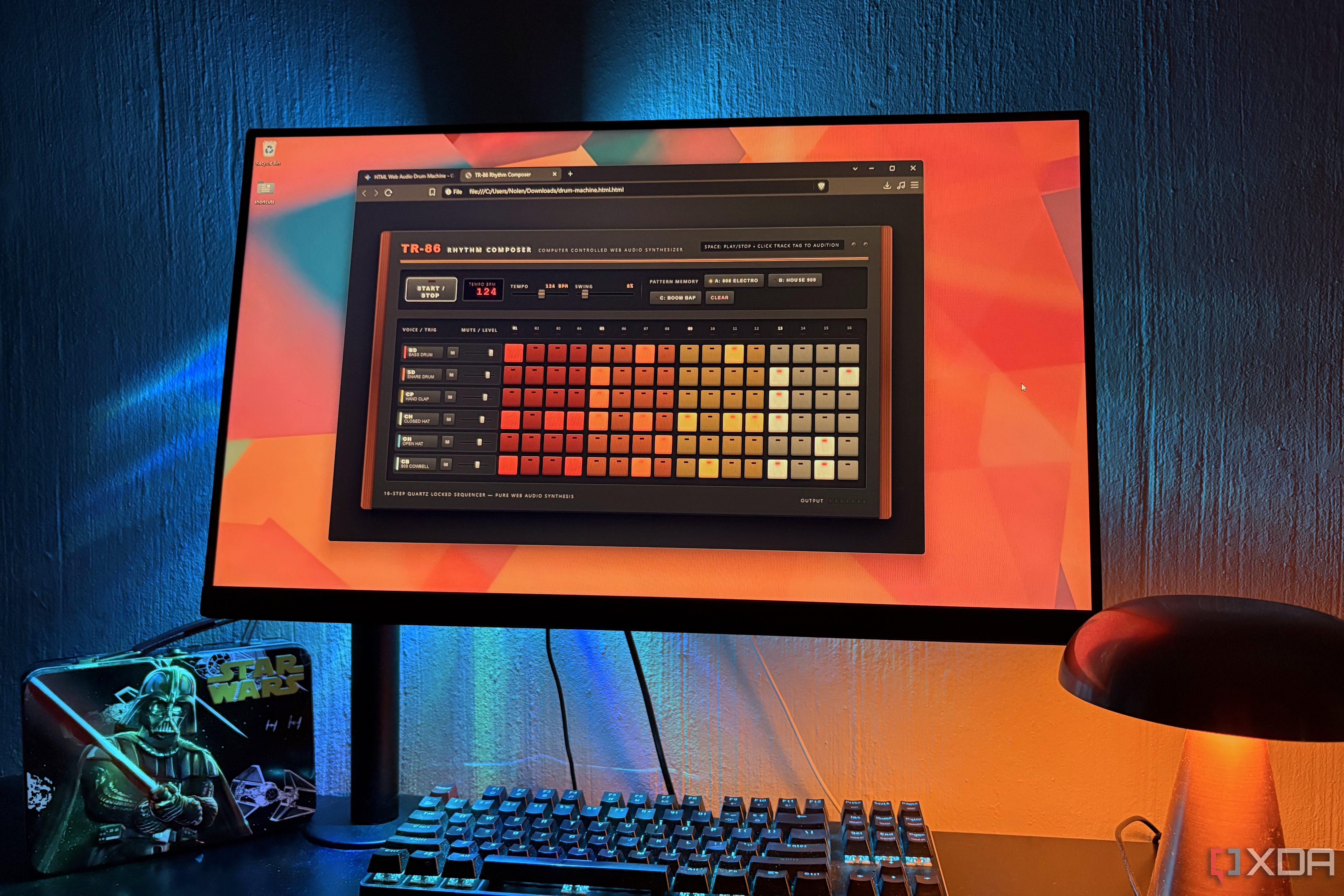
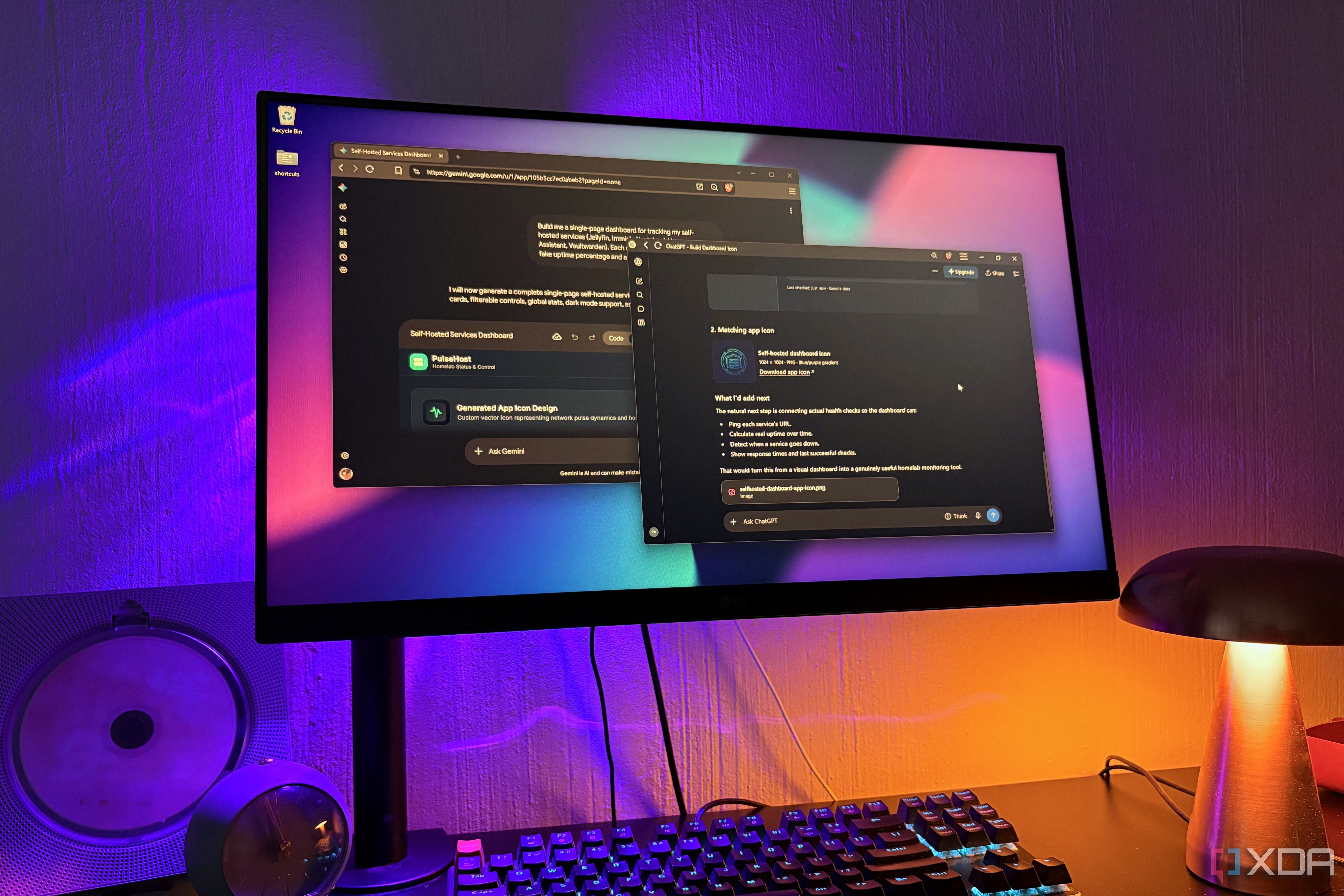
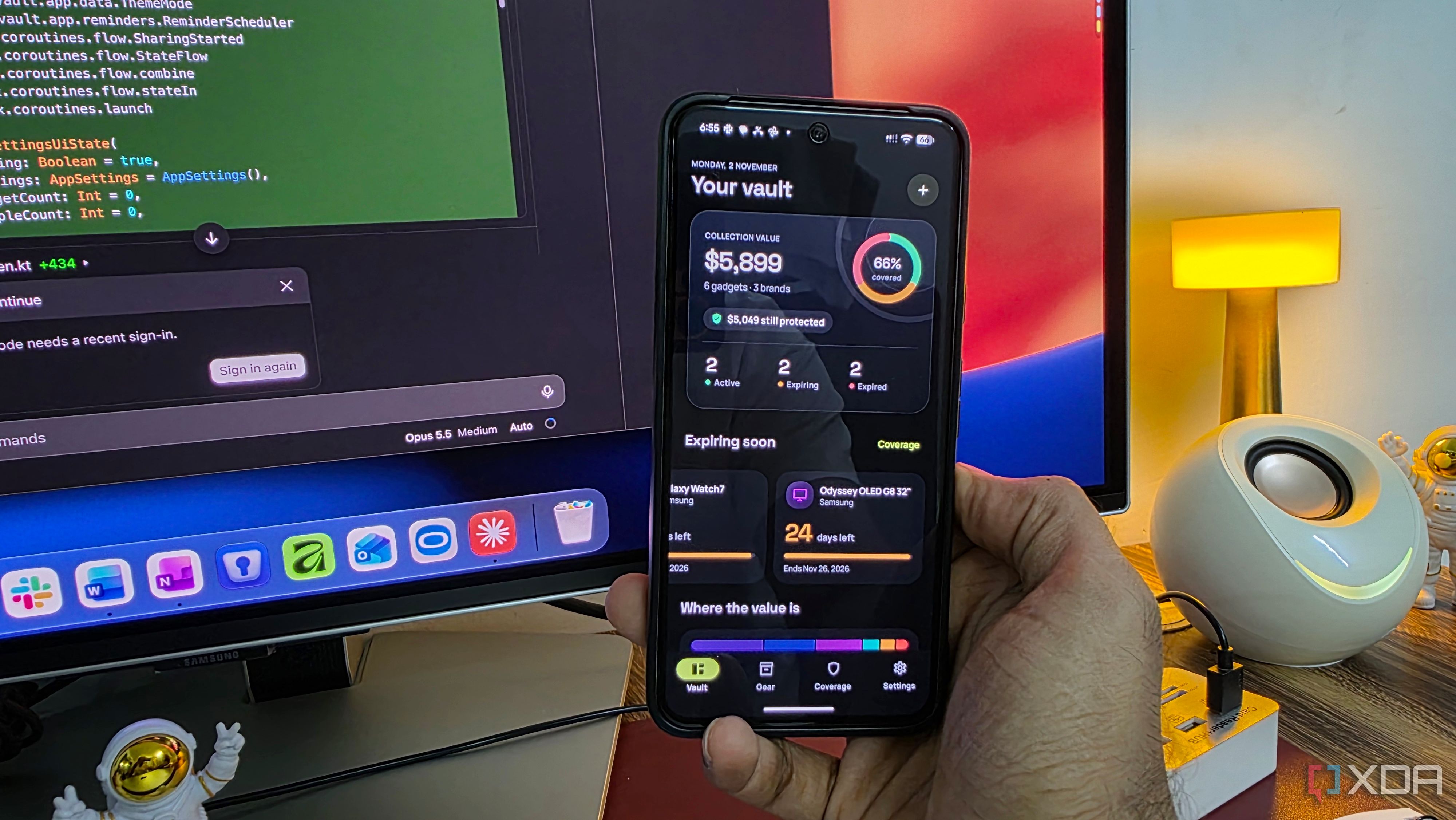
Every new flagship model launches with a chart full of coding benchmarks, and most of them test things like fixing bugs in existing code or working through tasks in a terminal. But those numbers aren't always relevant because many people use these models for something else entirely, like getting a project started from a prompt instead of giving it a whole codebase. I fall into the latter category and like to build little utilities that I've always wanted to see come to life, and finally can…
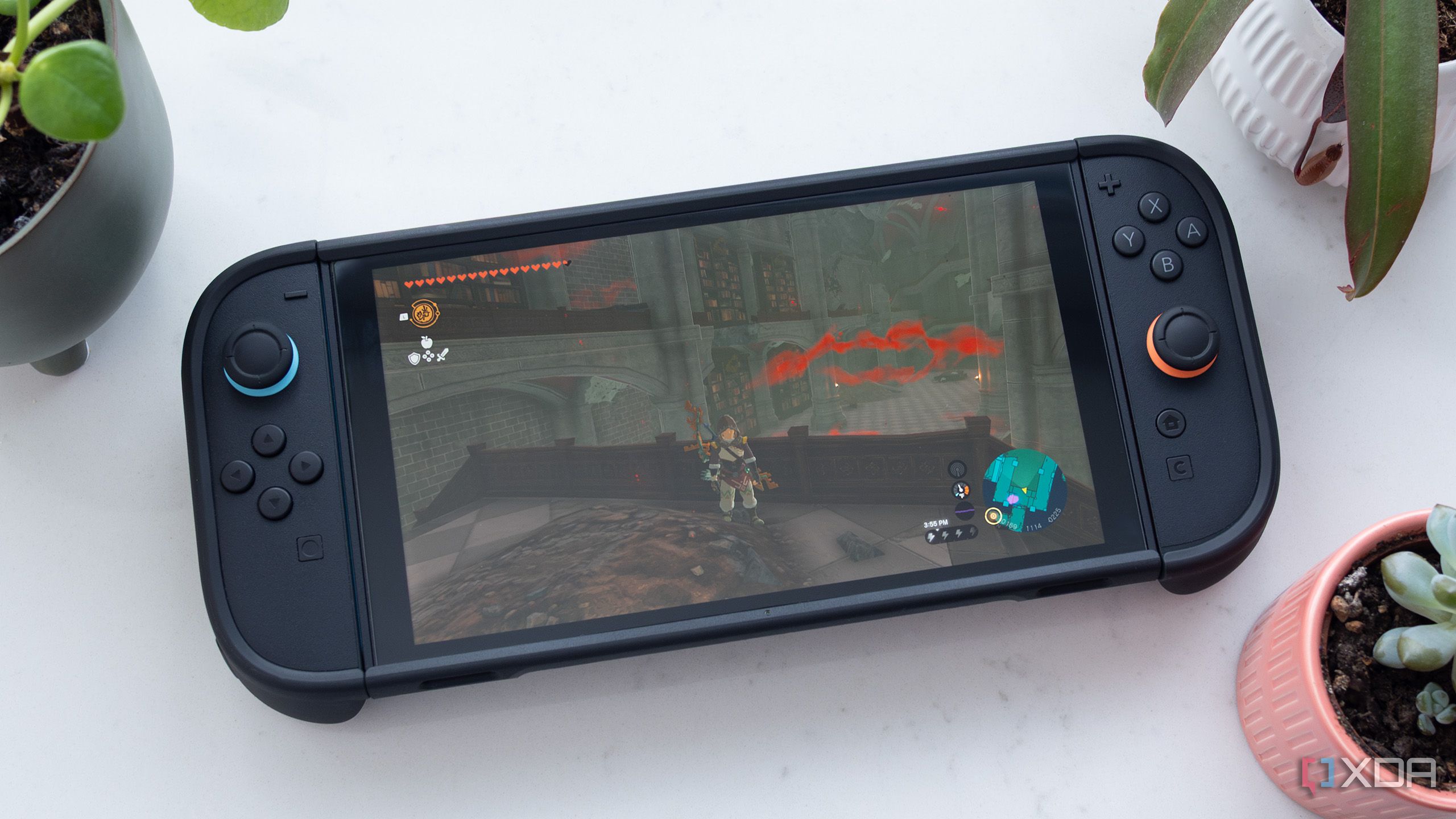
Well, it was fun while it lasted. Nintendo has reportedly patched the ns2jb Switch 2 jailbreak, which involved using the Switch programming app SmileBASIC and Civilization VII.
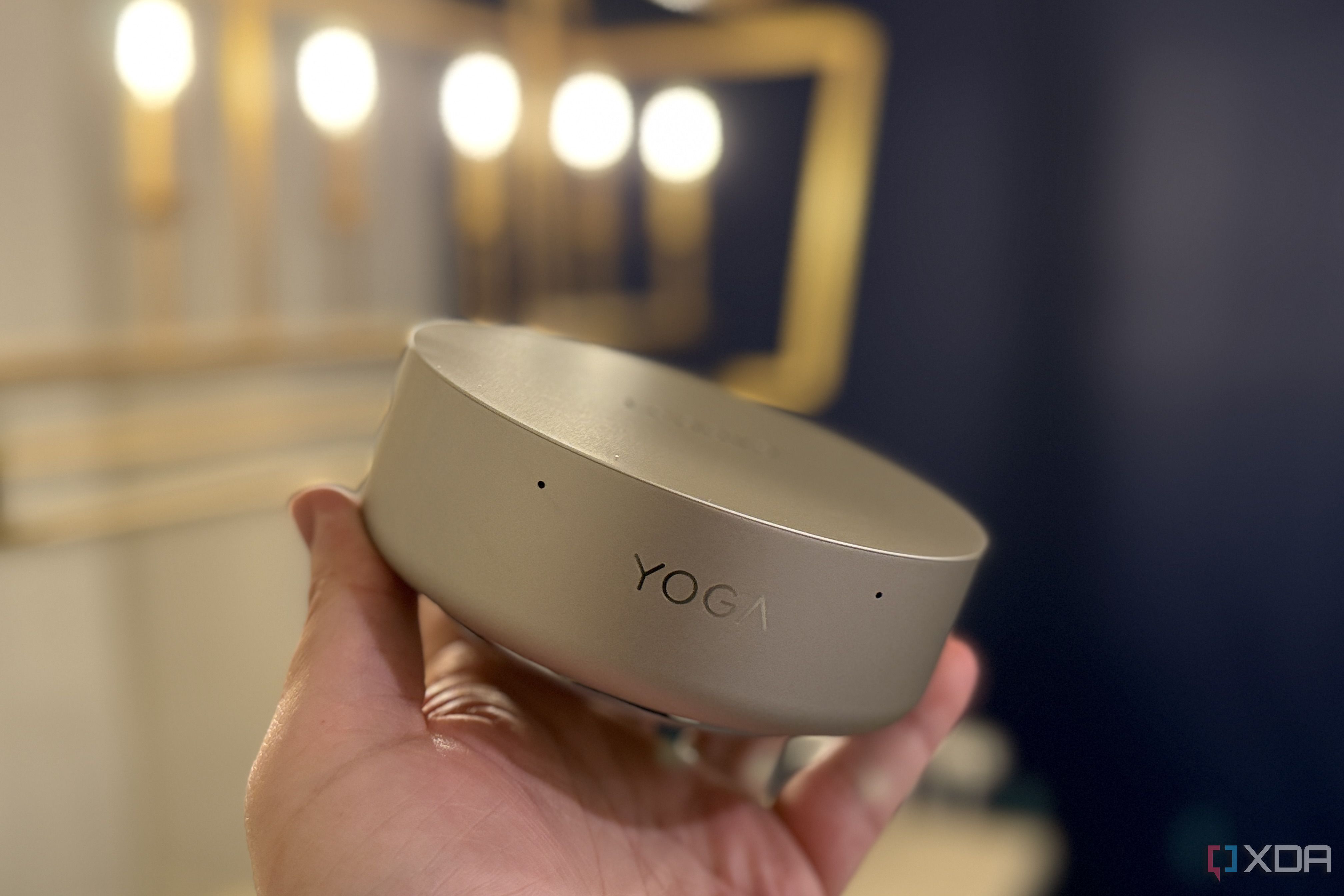
Mini PCs are having a moment, and the Lenovo Yoga Mini is one of the most interesting new additions to the category. Instead of the usual rectangular box, it's a circular puck that sits on your desk like a coaster and is powered by Intel's latest Panther Lake silicon. Right now, the base model with the Core Ultra 5 325, 16GB of RAM, and a 512GB SSD is $599.99 at Best Buy as part of its early Black Friday sale.
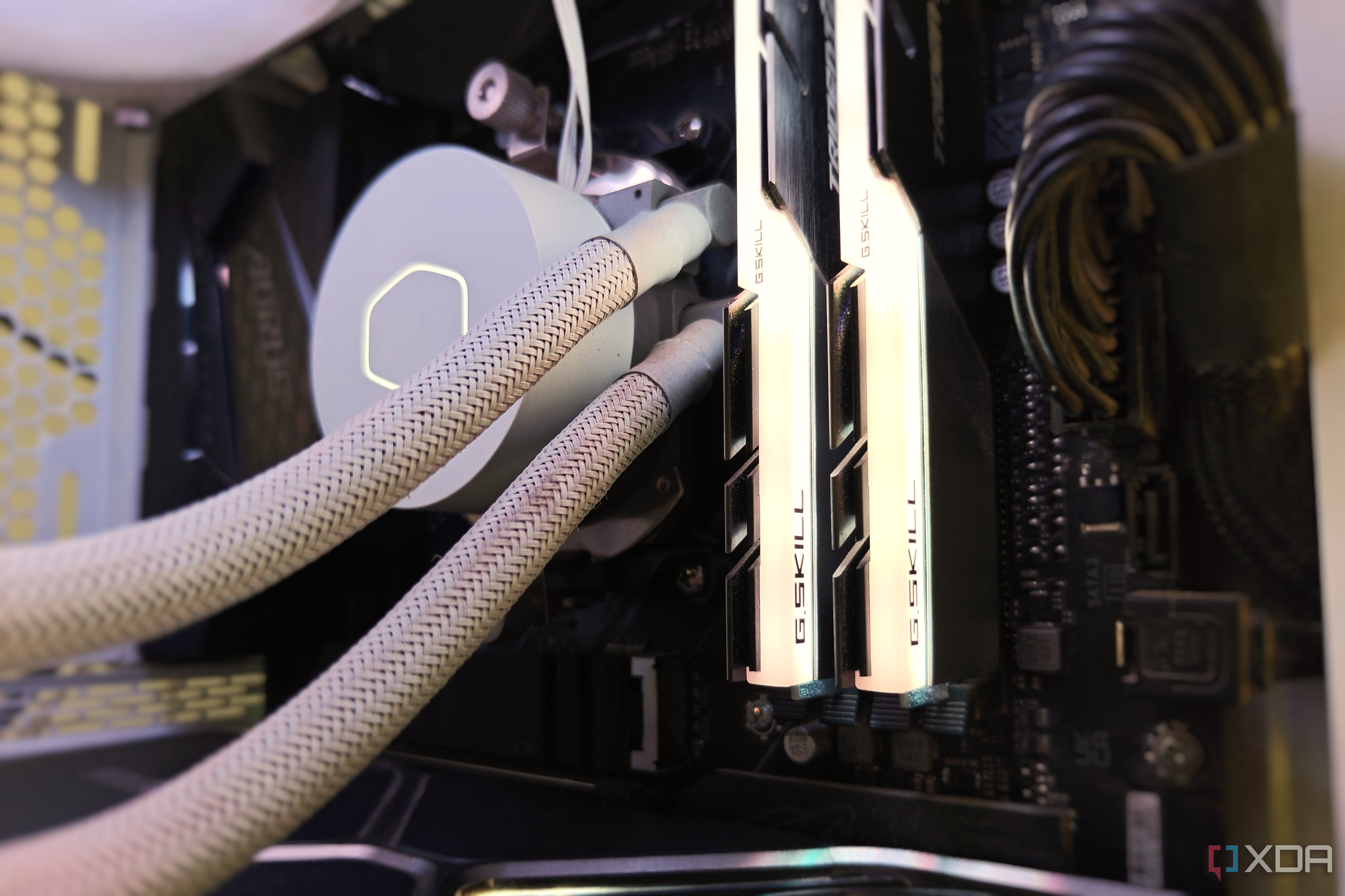
Building budget PCs used to be almost too easy — pair an entry-level 6-core chip with a $250-$300 GPU, and you're good to go. However, in this market, PC hardware has seemingly caught on fire. Current-gen components are out of reach due to inflated GPU and DDR5 RAM prices, and even older parts are either unavailable or severely marked up.
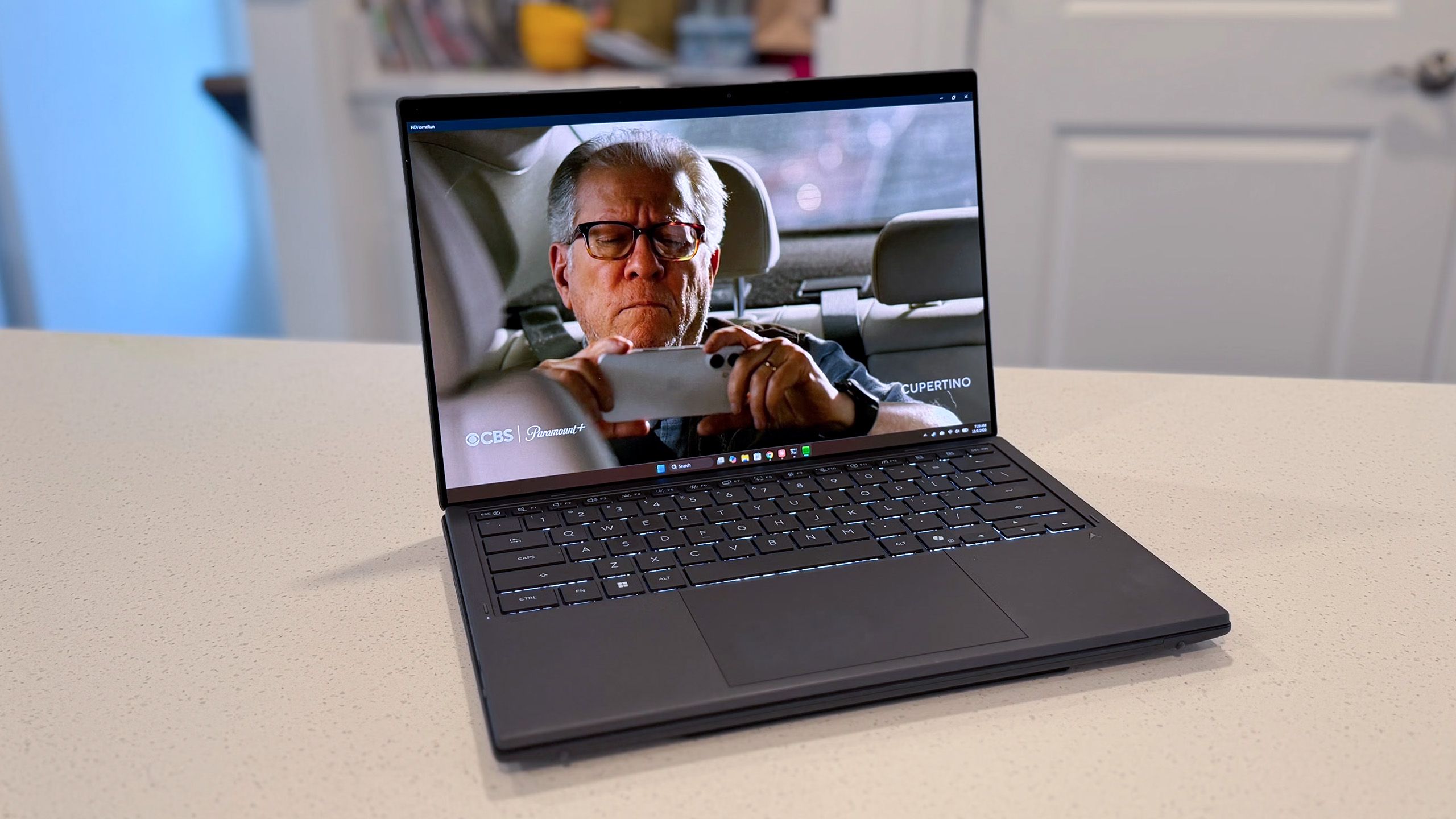
I pay for YouTube TV, the 4K Plus add-on, Netflix, and a couple of others I'd rather not total up (okay, quite a few others). And on Sunday afternoon, the best-looking picture in my living room came from a $20 HD antenna stuck to the window, connected to a cheap tuner and an HDHomeRun the size of a paperback. Same game, same Fox affiliate, same minute. The antenna won, and it wasn't close.
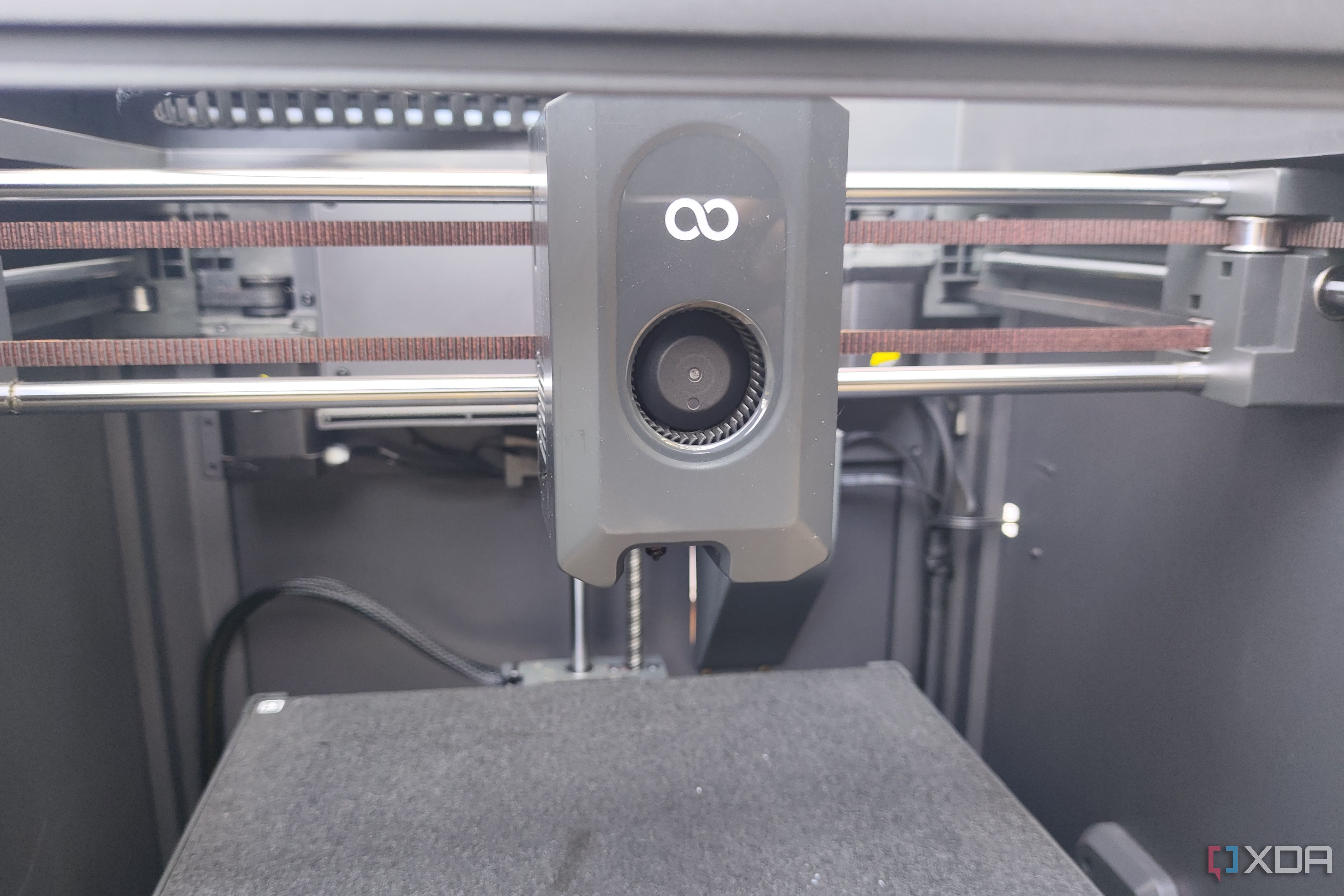
I’ve pivoted to functional 3D prints after I got tired of creating aesthetically-pleasing desk accessories, and despite some initial hiccups, turning STL files into utilitarian models has become a new hobby of mine. In fact, I’ve used my 3D printers to build everything from D&D accessories, microcontroller cases, and device mounts to my home lab cable management setup.
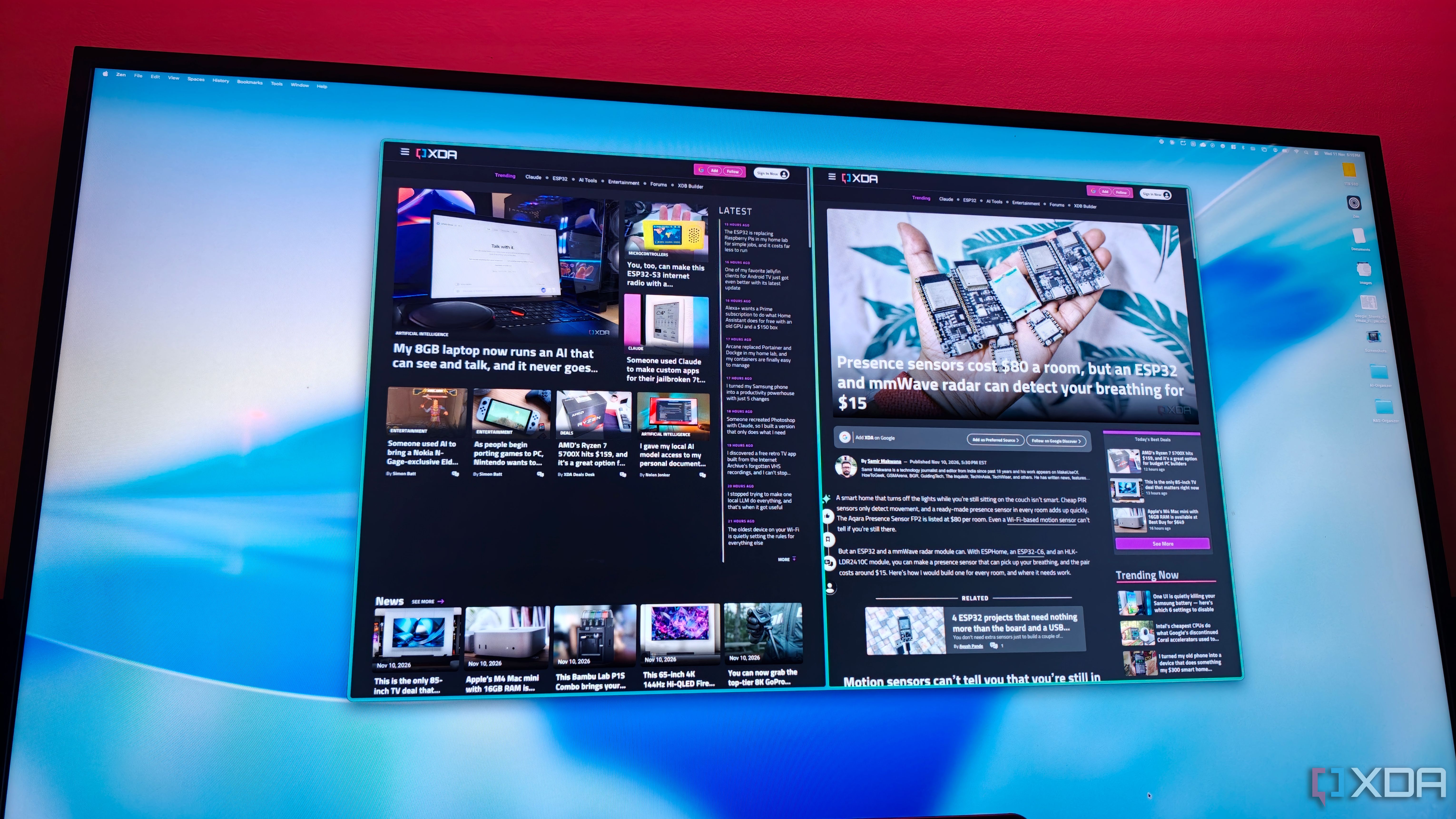
Arc has long been a darling of productivity enthusiasts and browser nerds, thanks to its innovative approach to tabs, workspaces, and overall organization. However, Arc's developers have made it abundantly clear that the browser is on its way out. While The Browser Company might've switched focus to the AI-focused Dia browser, that's just not for me. And if you're like me, who fell in love with Arc's fresh take on a browser interface, you'd know how hard it has been to find an alternative.
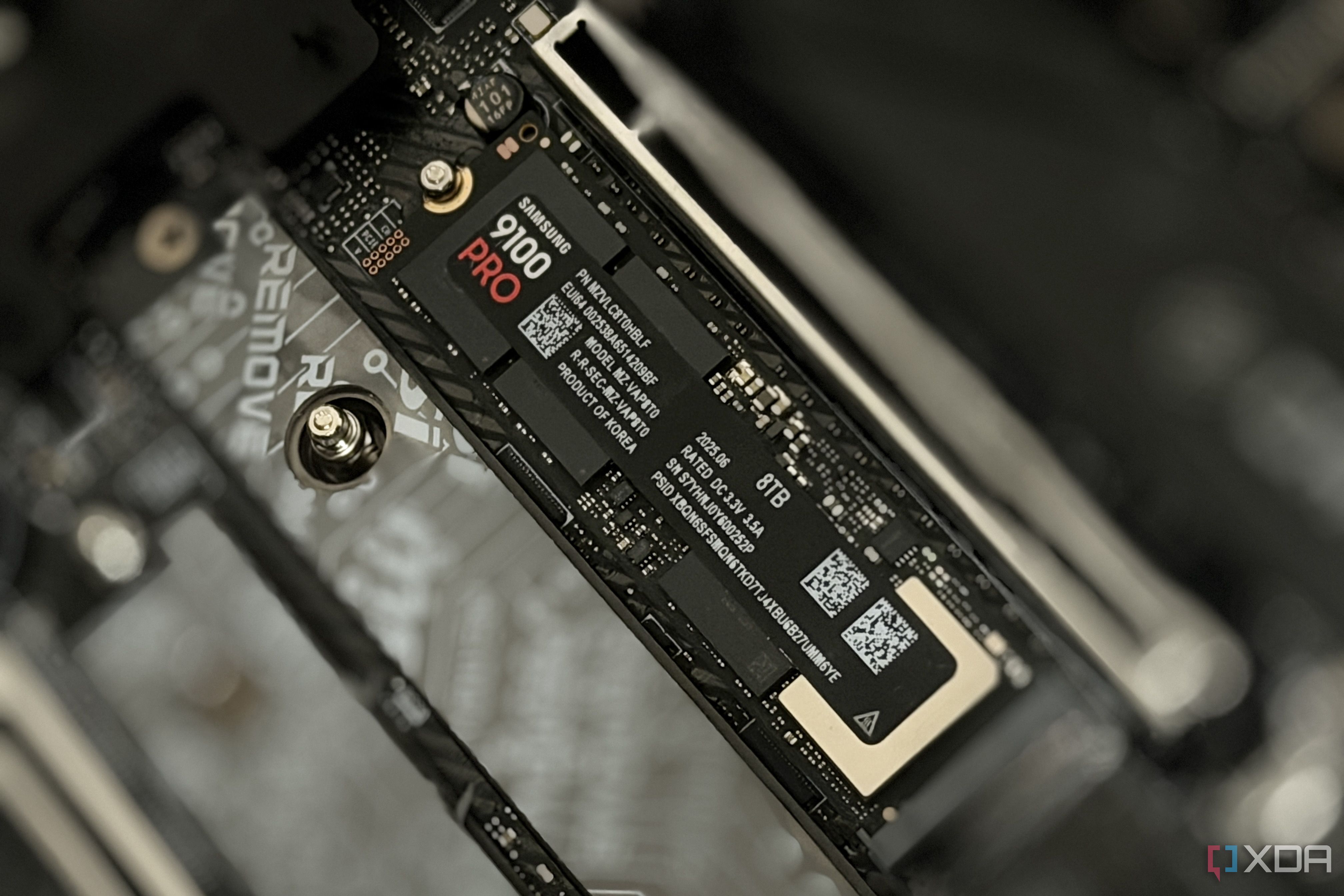
For the longest time, the only thing I really cared about while installing an NVMe SSD was whether the M.2 slot supported the drive's PCIe generation. I'd assume many of you still do the same. After all, if Windows detects the drive and CrystalDiskMark shows you're getting the sequential speeds you paid for, what else is there to worry about? Well, as it turns out, the M.2 slot you choose can affect other components in your build even if your SSD is running at its advertised speeds.
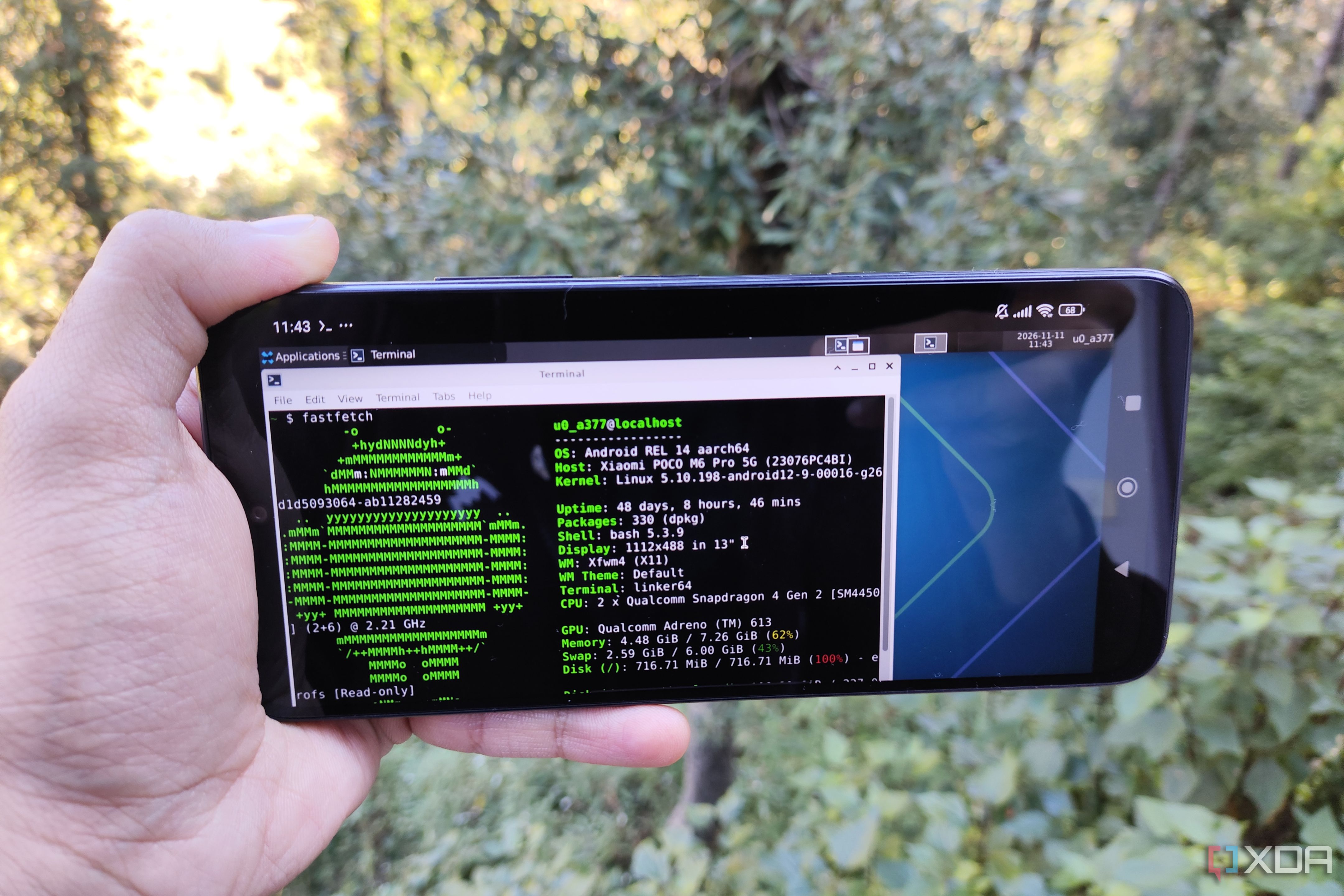
Considering all the extra obstacles Google has created for custom ROM setups, I figured I’d have to jump through several hoops to run Linux environments on phones. While this notion may hold true for hardcore projects requiring a custom kernel, it’s very much possible to experiment with different Linux distros on any ol’ Android phone – and that’s something I only realized after attempting to self-host FOSS services on my pocket-sized companion.
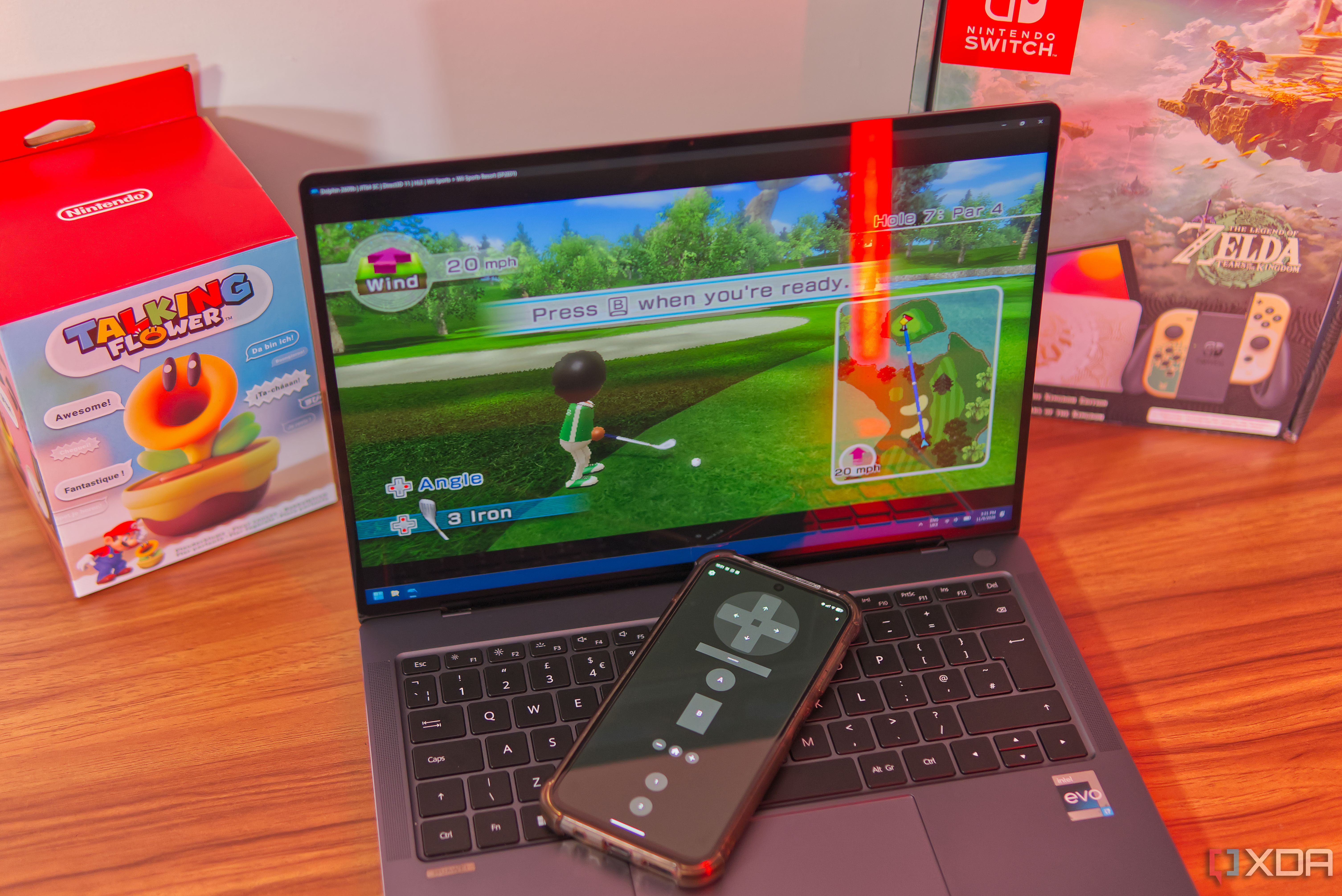
Emulation has conquered a lot of challenges over the years, but Nintendo has historically staved off some emulation efforts with its unique input methods. Sure, most modern devices can play DS, 3DS, or Wii games performance-wise, but it's the control mechanisms that get tricky. Playing a game like Rhythm Heaven or the DS's Zelda titles on a computer sounds miserable.
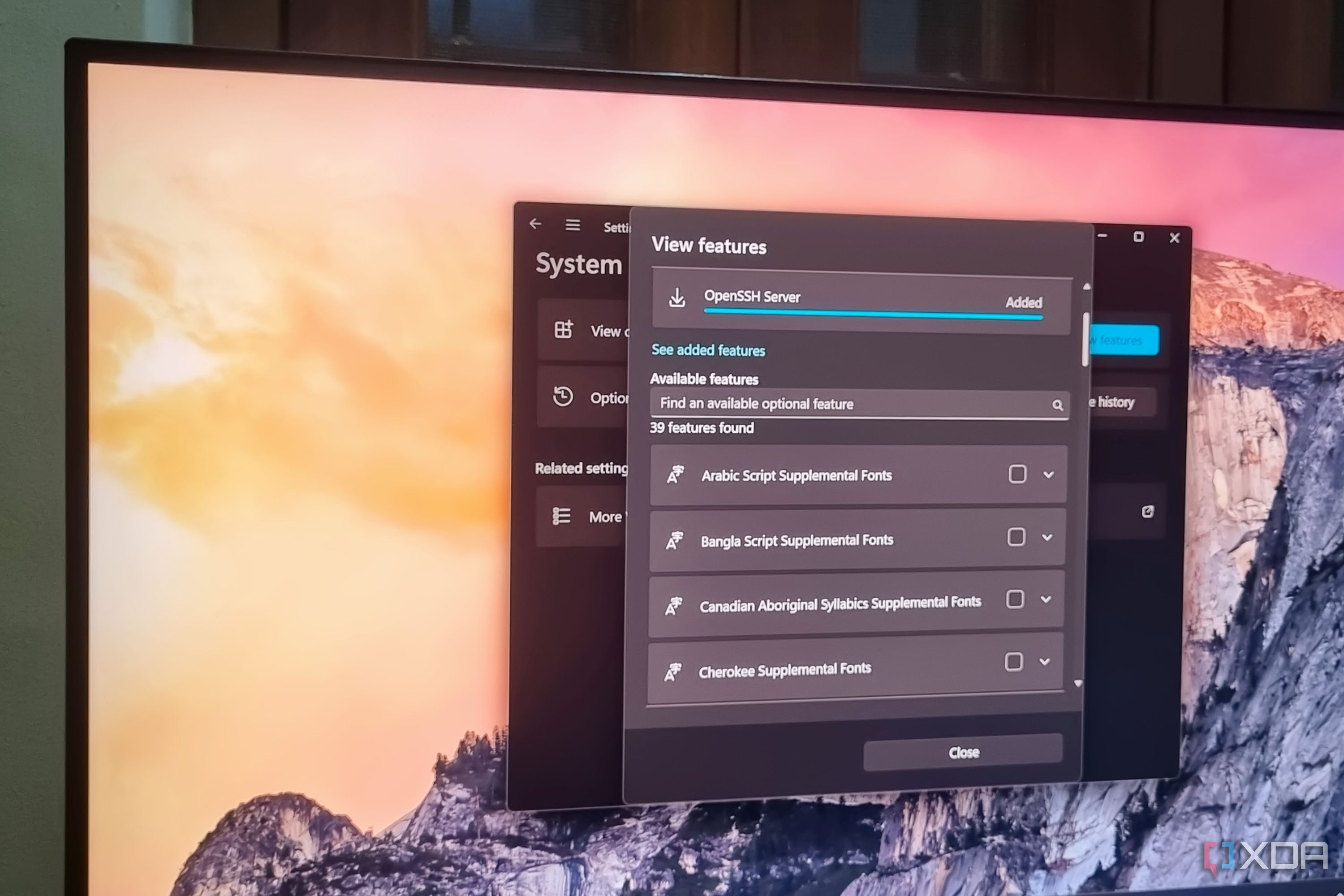
Windows has had a built-in server for nearly a decade. SSH is a quintessential feature for anyone who uses more than one computer in their home, especially if they are into servers. I have multiple servers built out of old thin clients, laptops, WSL virtual machines, and single-board computers. I mostly manage everything from one of my Windows computers and never really gave a thought to using an SSH server on it.
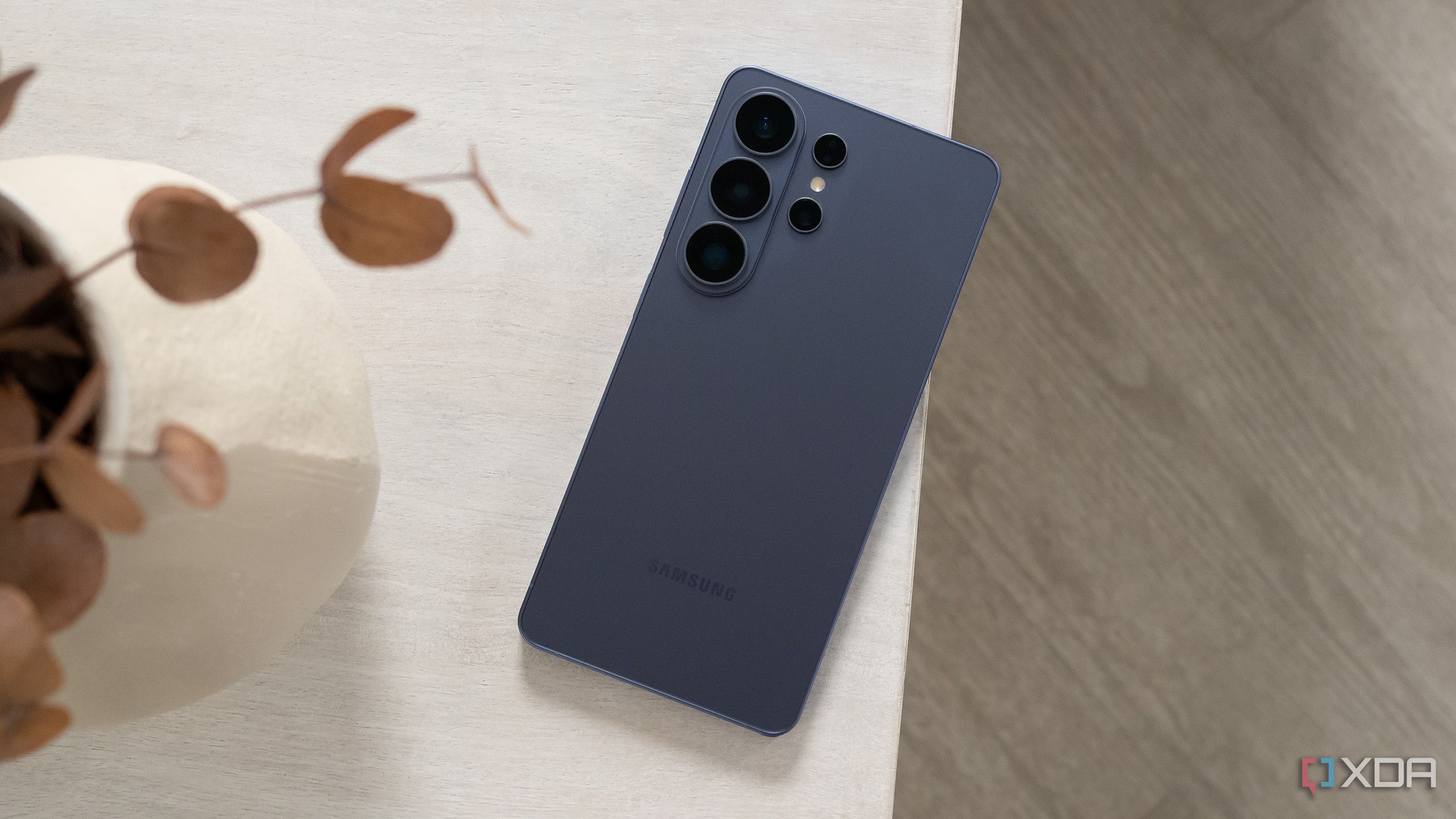
The high-end Android flagships rarely dip below $1,000, even when they're a generation old. But that's exactly what Samsung has just done with the Samsung Galaxy S26 Ultra, now down to $950 on Amazon, and this is not just a small discount. It's the lowest price this device has ever reached, shattering the previous all-time low of $1,108 from August.
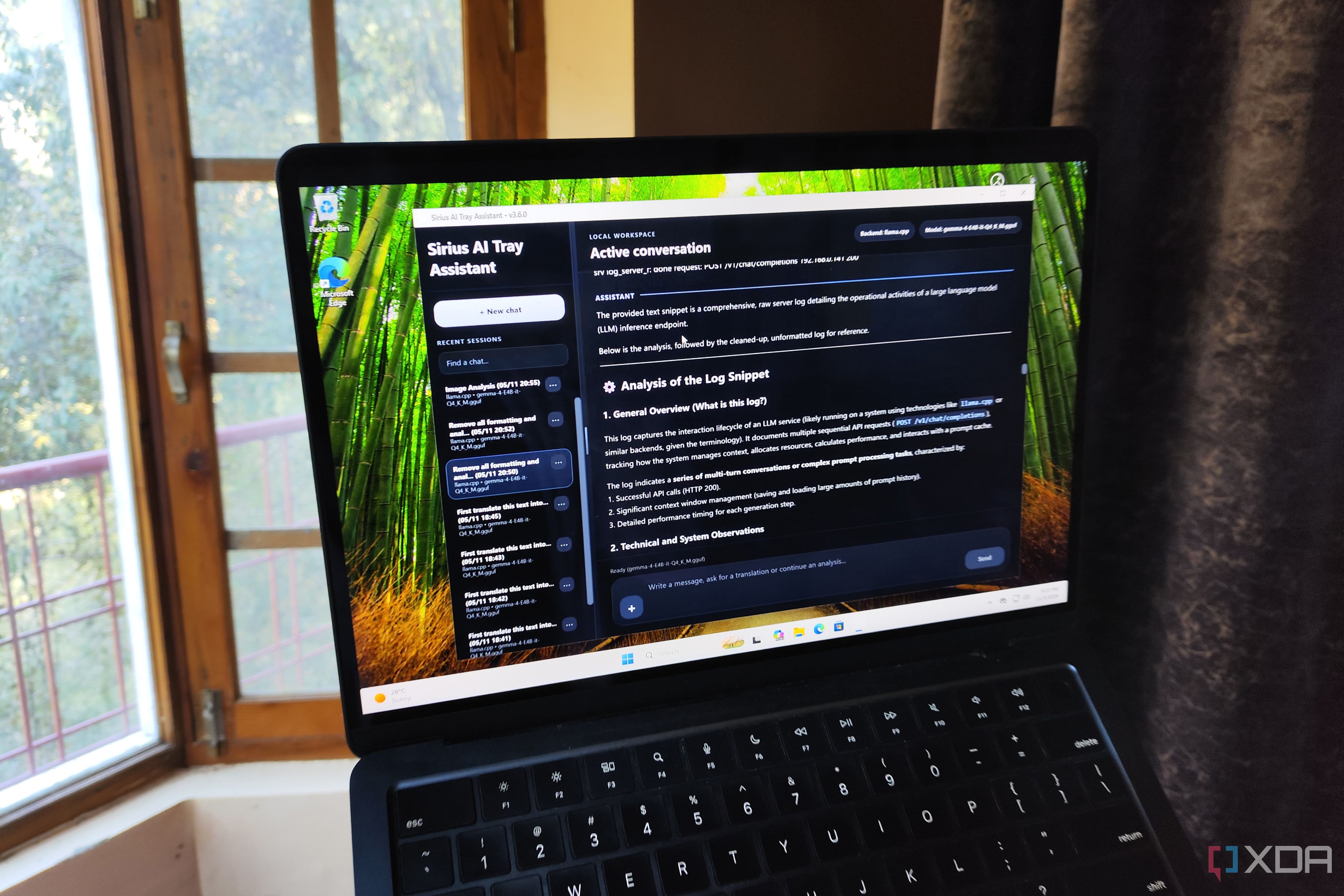
On paper, locally-hosted models don’t have the same computational prowess as their bulky frontier counterparts running on cloud servers. But as someone who has spent the last couple of months pushing my outdated hardware to its limits, I must admit that the majority of my productivity needs are easily met by local LLMs running on my home lab nodes. In fact, between my self-hosted repertoire of productivity apps and lightweight agent harnesses, I’ve got a decent collection of services that rely…
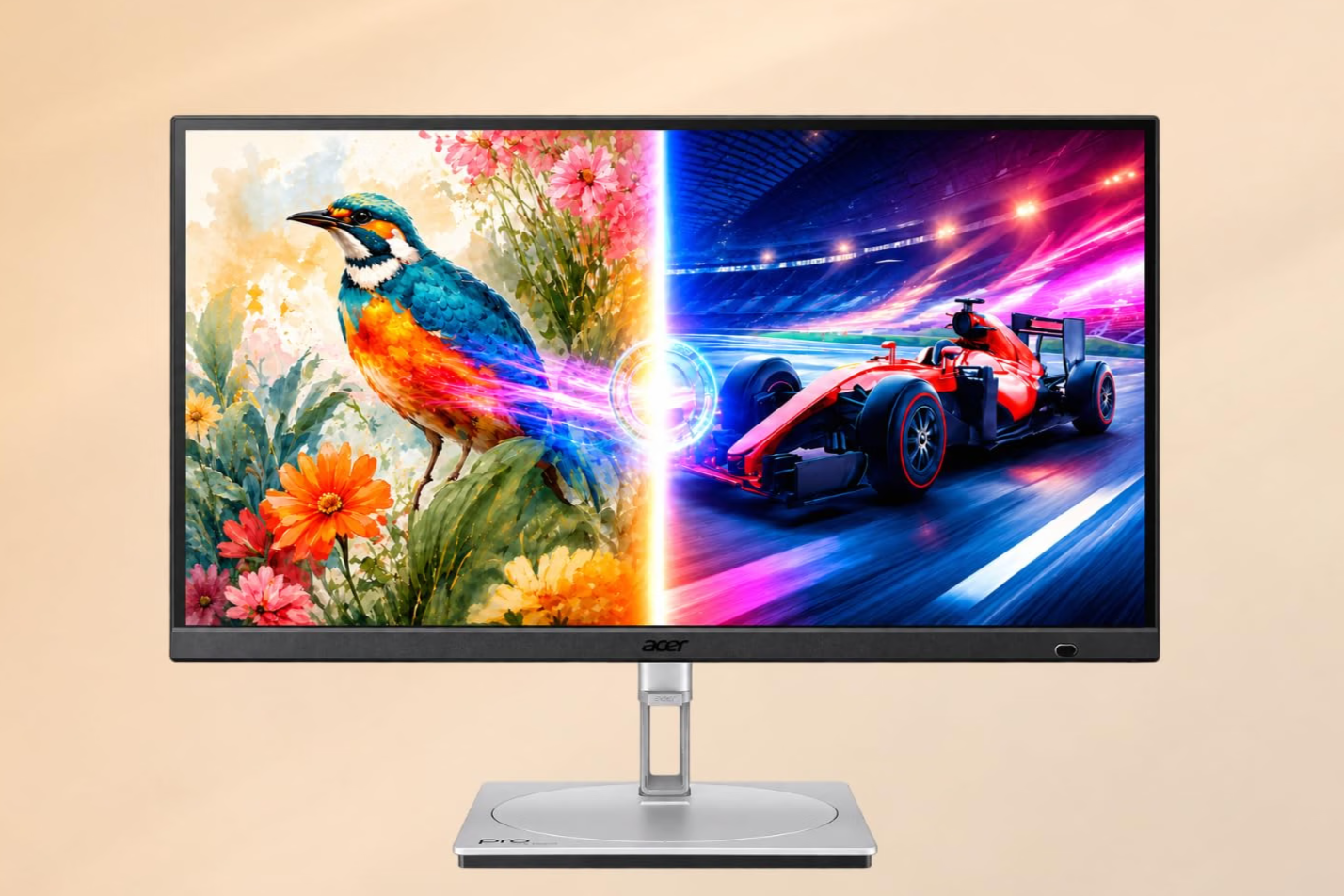
It's hard to ignore the fact that 4K monitors are having a bit of a moment. If you're looking to upgrade your workspace without breaking the bank, look no further than the Acer ProDesigner 4K Monitor, currently down to $300 on Amazon. It delivers fantastic color accuracy and plenty of resolution for daily productivity, media consumption, and entry-level creative work.
My NAS holds a large movie library, plus backups, documents, and other files, and I’d like to keep it all. Buying a new drive in 2026 is a pipe dream, so I’d rather make the most of the storage I already have. That means finding ways to make my movies take up less space without ruining how they look on my TV.
My favorite smart home gadget is a 2015 Amazon Kindle Paperwhite that is more useful than when it was new, thanks to a jailbreak and a Home Assistant dashboard. Its code was written for someone else's house, which makes it a perfect test for an AI coding agent. Google launched Gemini 4 Argon in Antigravity last month, and we've already argued that Antigravity 2.0 beats Claude Code and Codex at their own game. So I gave Argon and Claude Code the same repo, the same one-line brief, and an hour…
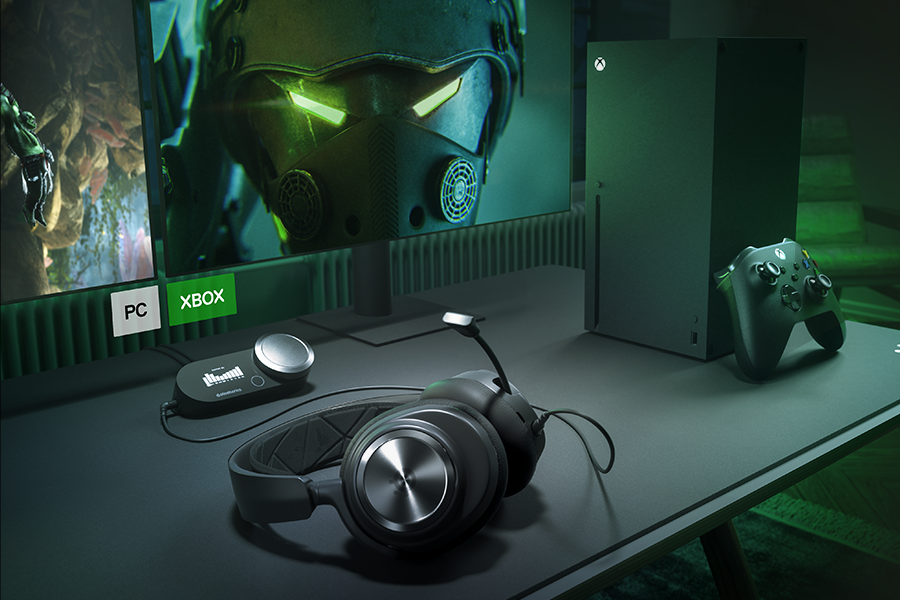
Wireless gaming headsets have become the standard for PC and console gamers who want freedom from tangled cables without sacrificing audio fidelity. If you're looking to upgrade your audio setup, the SteelSeries Arctis Nova Pro X is available on Amazon for $130. The deal is available for a limited time, so you'll need to act quickly to secure this price.
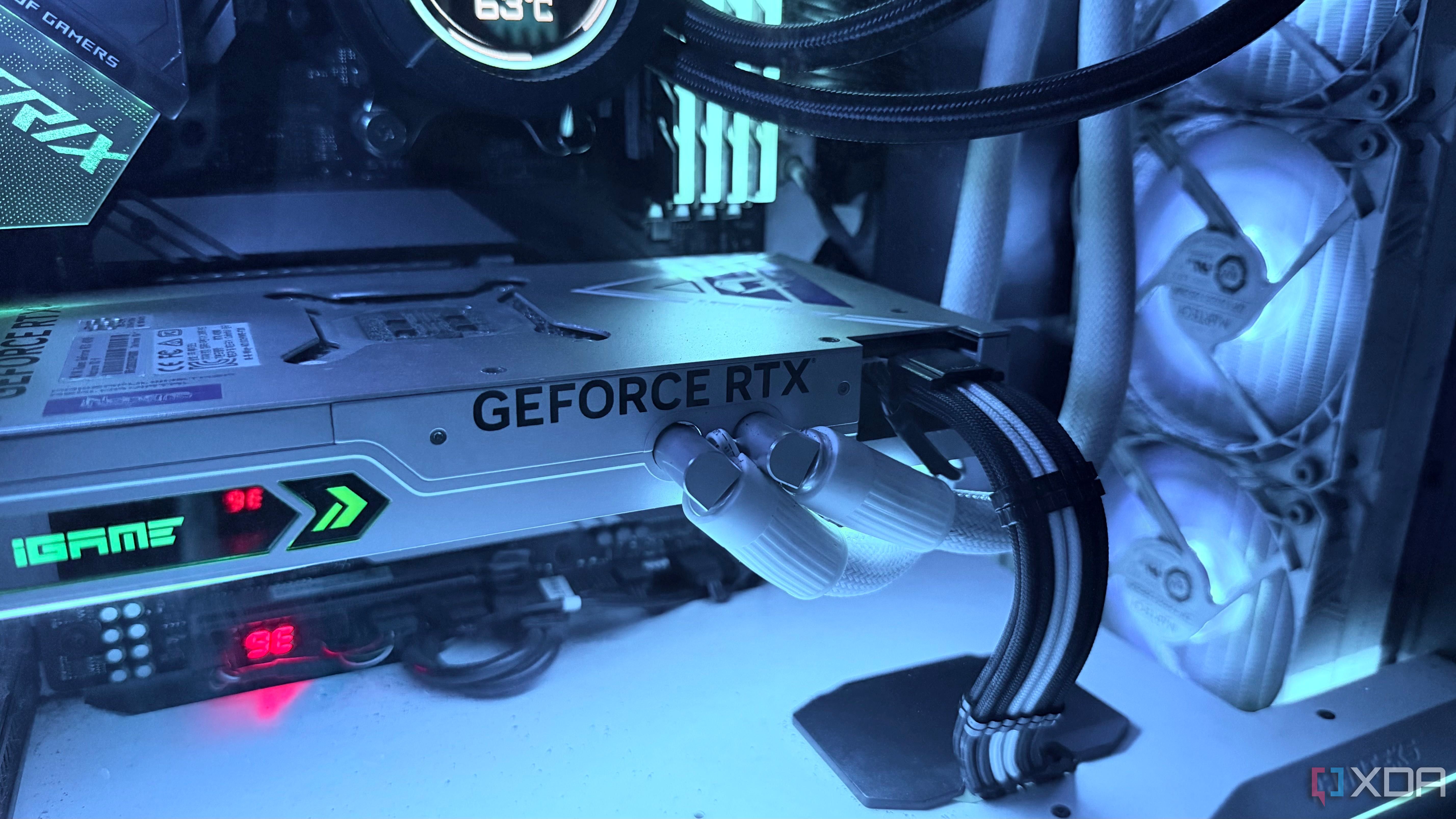
I'm sure most of us pay attention to our GPU temperatures, especially while gaming. Even though I know my liquid-cooled RTX 4090 can handle pretty much any game I throw at it, I still like the reassurance of seeing its temperature stay below 70C in MSI Afterburner. You know, peace of mind and all that. Sure, if you have an air-cooled GPU, you might be accustomed to higher temperatures, but as long as they're within the normal operating range, there's really no reason to worry. At least, that's…
The joy of PC gaming is best experienced with others. I recognize the value of finishing a single-player game as much as the next guy, but playing with friends or a significant other has its own charm. So, after years of hounding my partner to get into gaming, I finally convinced her to get a PC of her own. However, she would only give in to a build that fit on her tiny desk.
Month after month, it feels like we're getting close to what I'd call a subscription pandemic. Every other service demands a premium for a "Pro" or a "Premium" tier that drags down your balance on the first of every month and tries to get you hooked on its ecosystem. Over time, you're made to believe that the service you're paying for is an essential expense, and it earns a rather stubborn spot on your bank statement.
Free AI plans got quite complicated in October. OpenAI and Google both reworked what non-paying accounts get within days of each other, with OpenAI moving free users onto its newer GPT-6 model while Google cut free Gemini back to its smallest one. Since they're sitting on such different parts of the free AI spectrum now, it makes it a little harder to answer the question of whether a subscription is worth it, or even to compare their free tiers.
The PlayStation 3 remains one of the most notoriously difficult platforms to emulate due to its unconventional Cell Broadband Engine architecture. It relies on a central Power PC core paired with eight specialized vector processing units.
The modern smart home ecosystem relies on subscription models, and some of them feel predatory. They force you to make continuous monthly payments just to access features like remote camera feeds, cloud history storage, or essential automation bridges. Most proprietary ecosystems like Ring, Nest, or SmartThings hold your local data and hardware capabilities hostage behind this recurring paywall, turning your own devices into bricked or crippled hardware the moment you stop paying.
AI coding tools are getting quite good at turning simple prompts into fully functional apps, but I have always wondered how well they handle Android development. To put their capabilities to the test, I challenged Claude Code, OpenAI Codex, and Google Antigravity to build the exact same Android app from scratch.
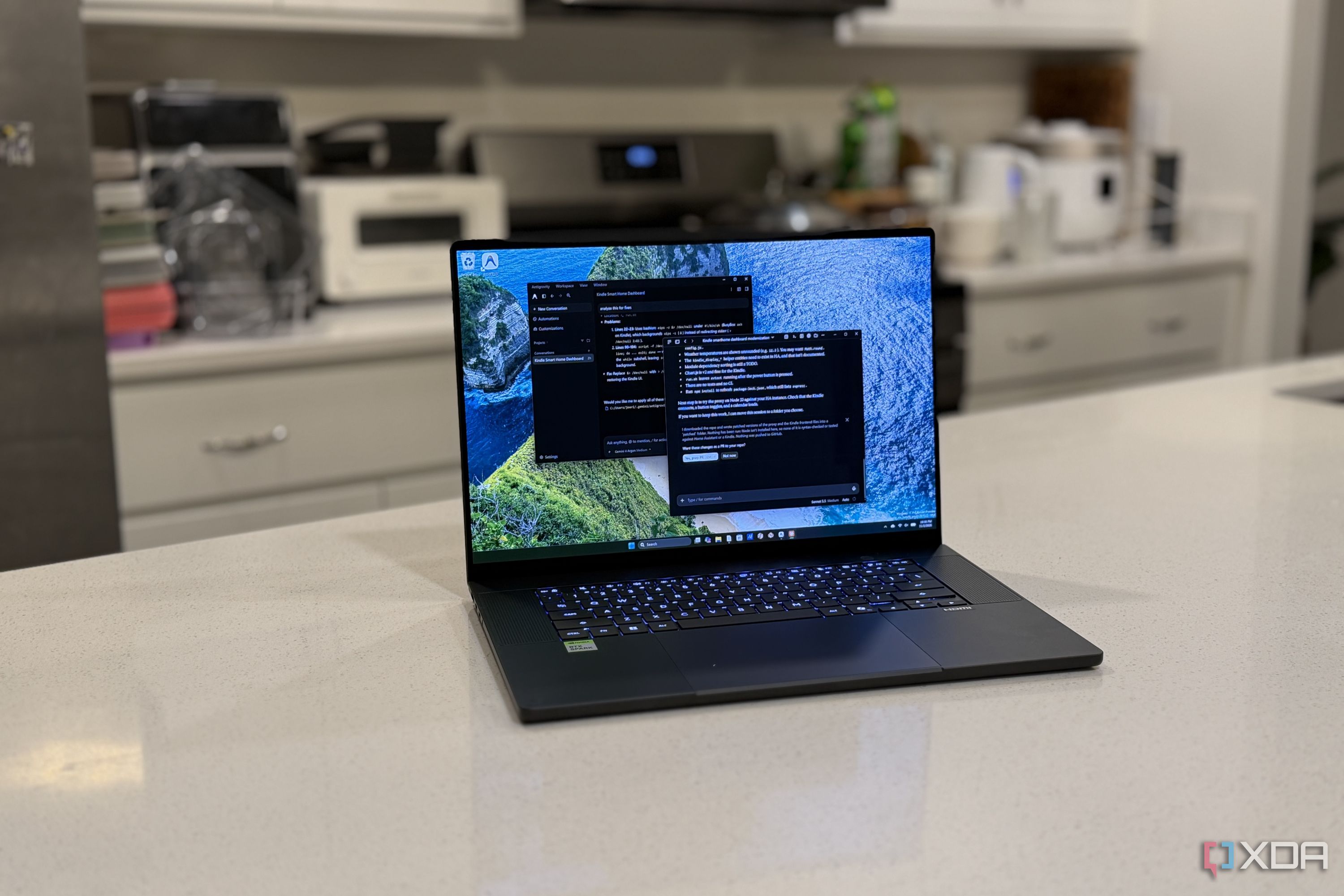
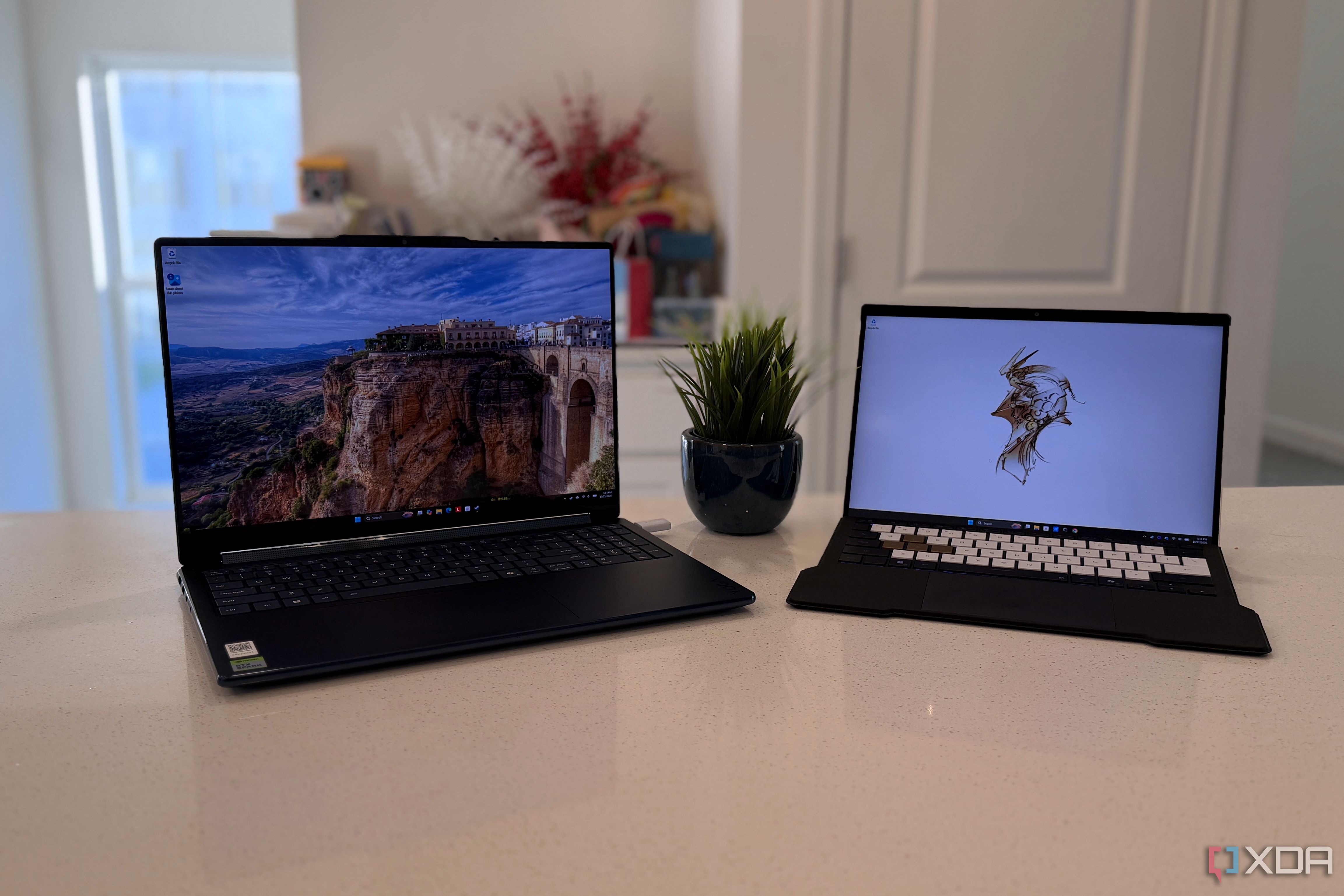
For the last few weeks, I've been using HP's OmniBook Ultra 16 with Nvidia's RTX Spark, and a lot of things work surprisingly well out of the box. Games like Cyberpunk 2077 and Forza Horizon both run despite going through Microsoft's Prism emulator, and other, standard applications tend to just work without a hitch. Just a couple of years ago, playing a demanding x64 game on Arm would have been unthinkable, yet now it's just an expectation.
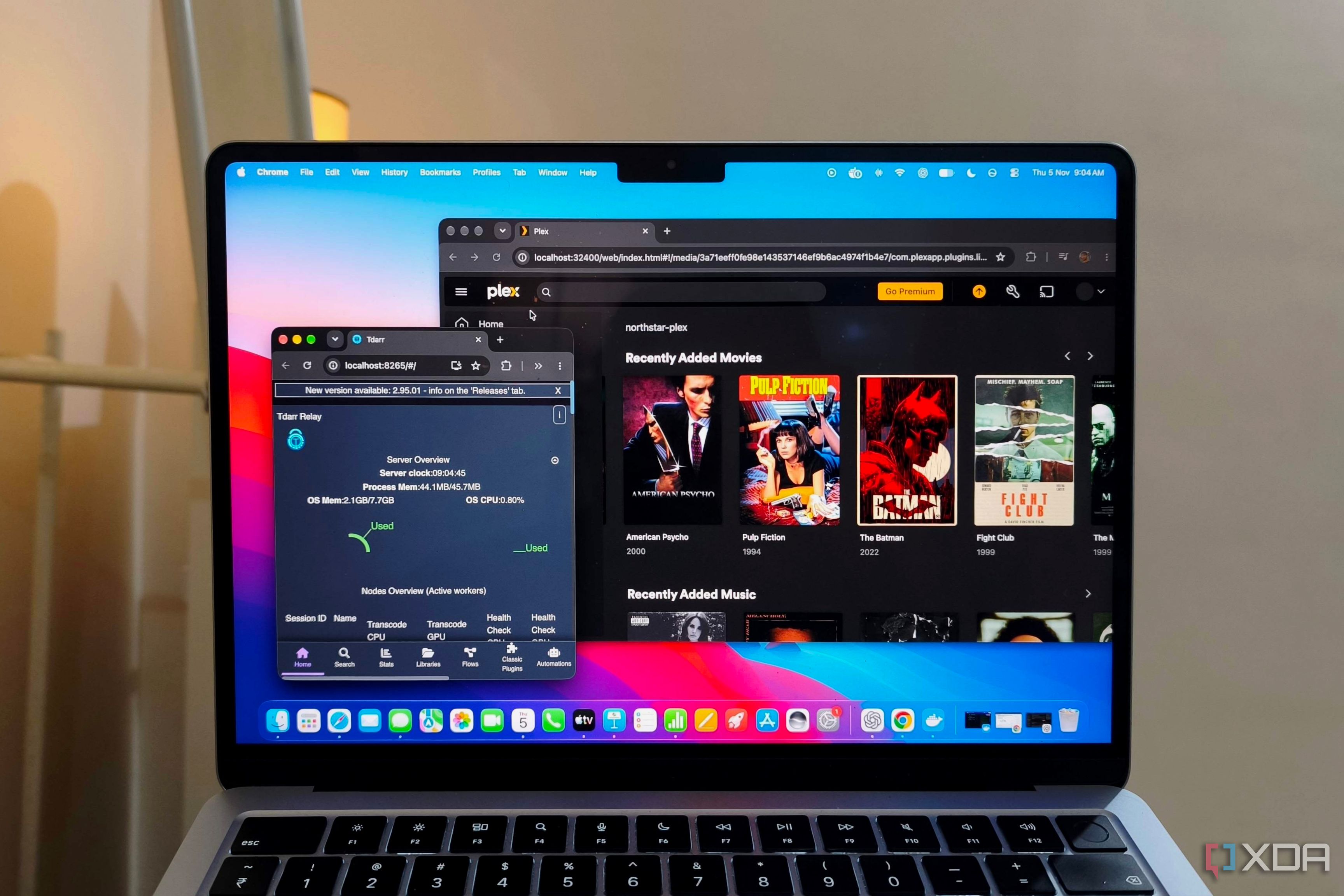
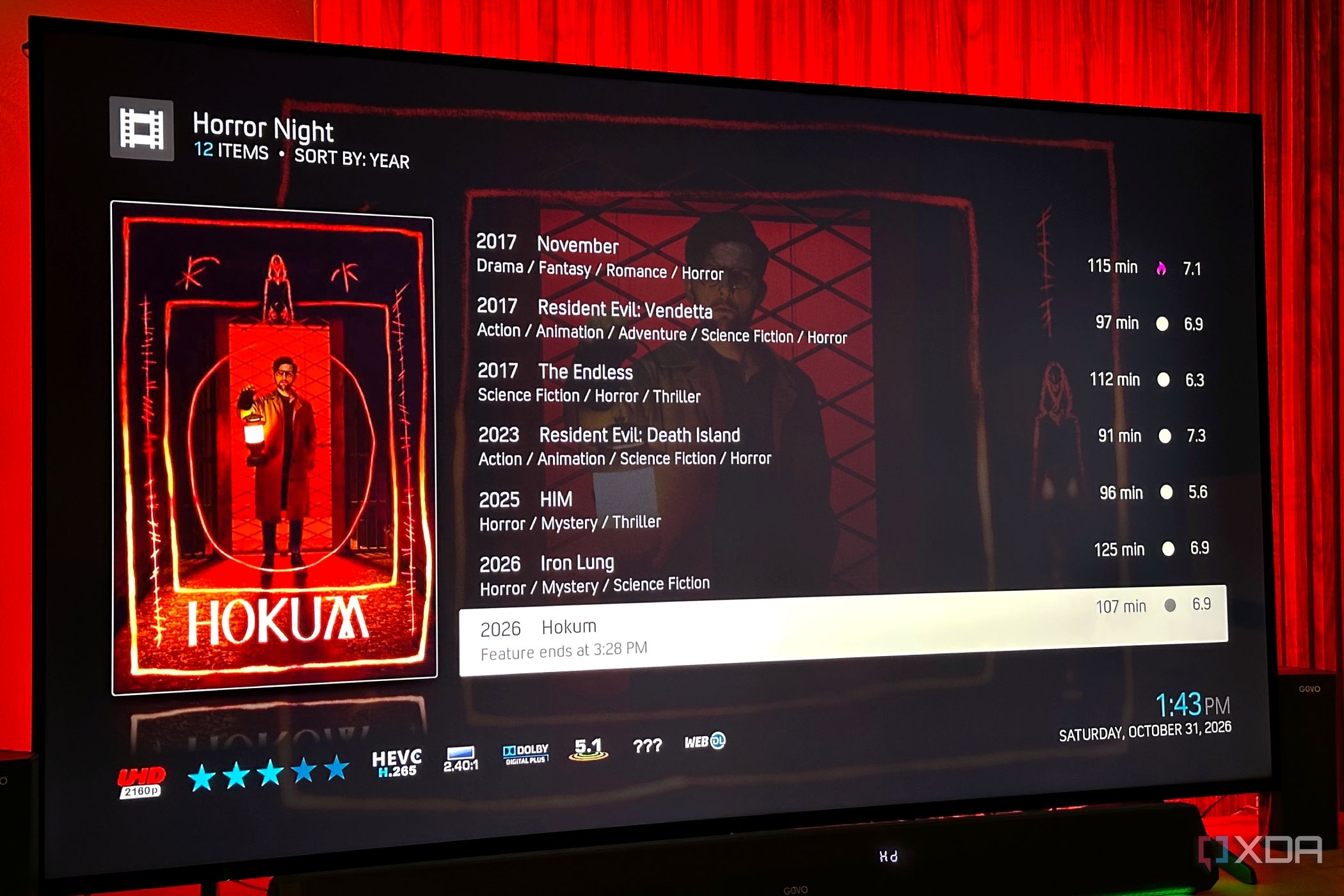
We know anyone who catches the self-hosting bug keeps going down the rabbit hole, exploring new tools and utilities to host their software and finding new things to self-host, right? However, something less discussed is how people also look forward to expanding their entire media library once they begin self-hosting.
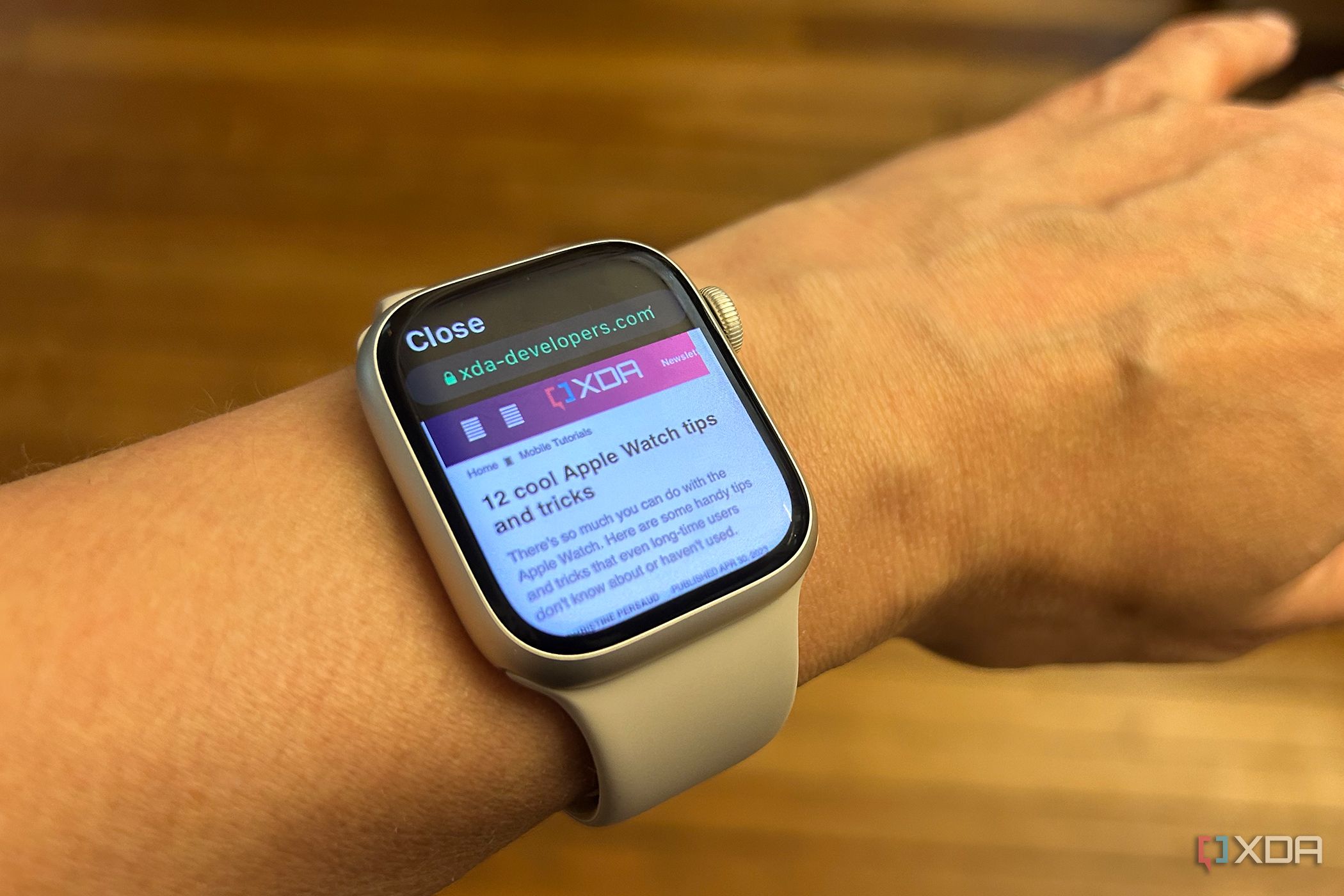
A smartwatch is a great way to stay in the loop on your notifications while staying present in the moment. I've had an Apple Watch for a few years now, and while it's not essential, I do like it, and it does make a difference in my daily workflow.
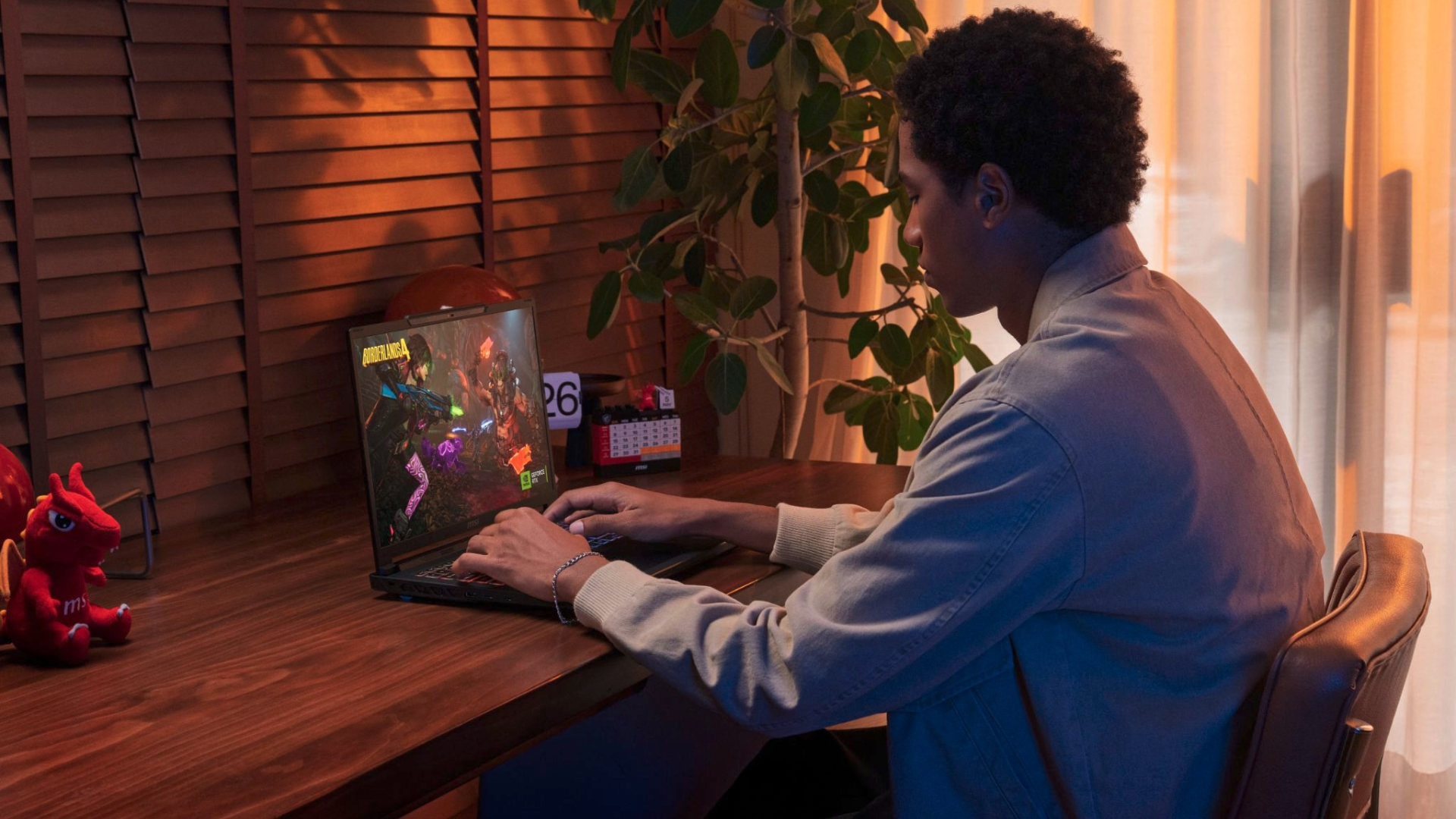
Students and professionals around the world need powerful computers. A desktop is no longer the only option for demanding gaming, 3D modeling, software development, AI workloads/experiments, or software development.
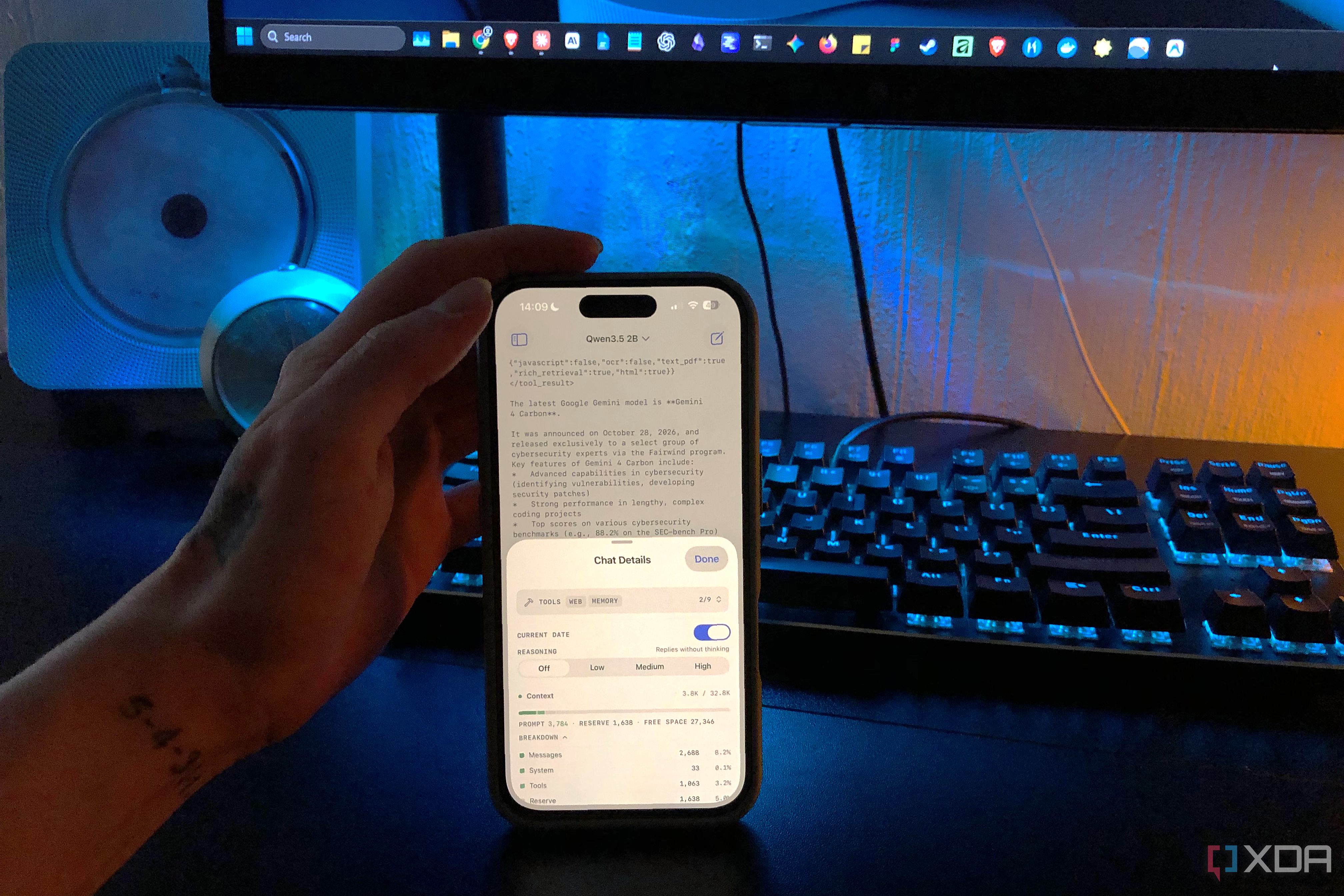
Phones have been able to run AI models locally for a couple of years now, but most people still reach for cloud AI tools on their phones because it's usually the only way to get something that's actually powerful on mobile, since the models sit on cloud servers. But you don't actually need a super powerful model on mobile to get good results, you just need one that can use the web.
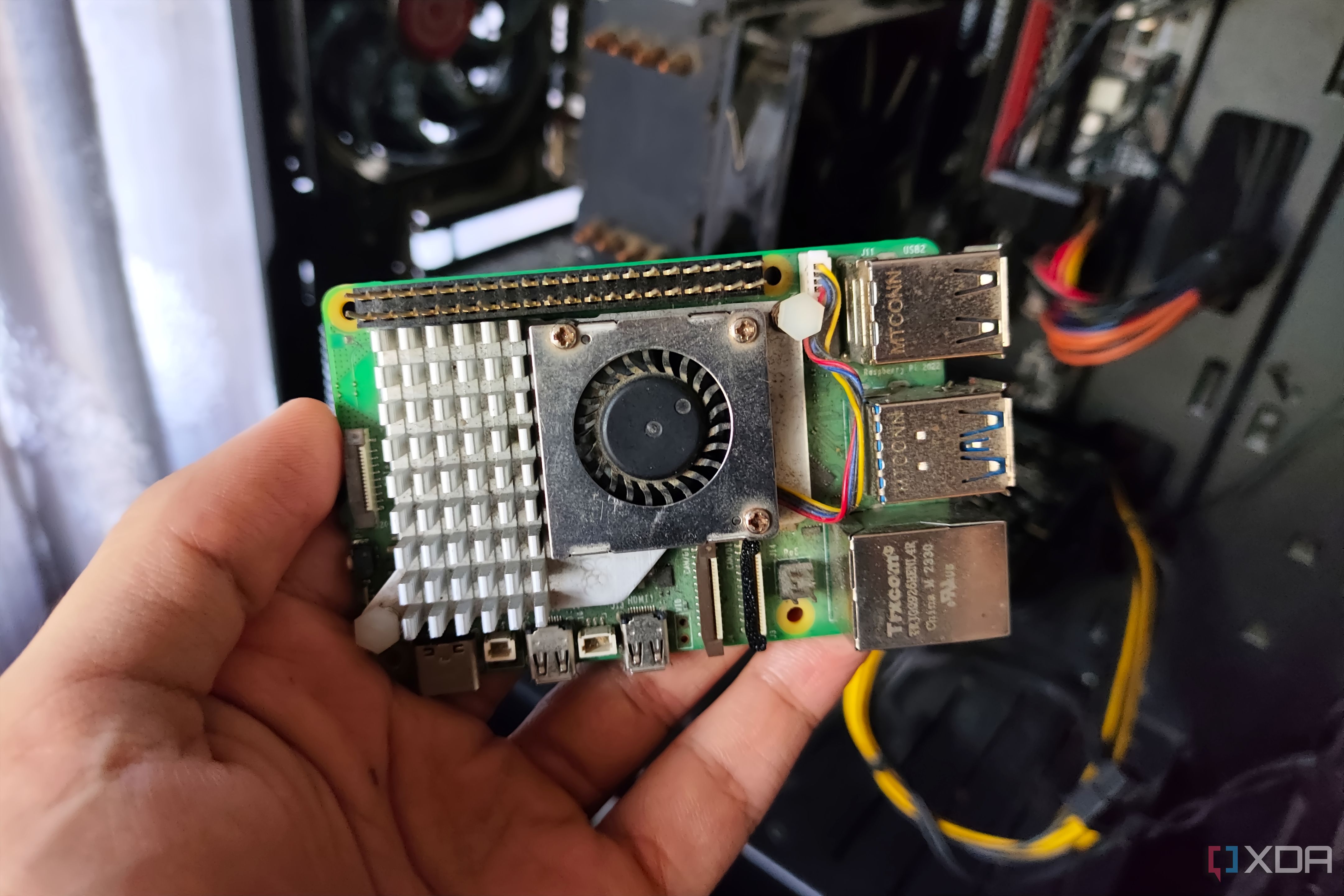
The RAM crisis has not been kind to the Raspberry Pi. Over the past year or two, we've seen gradual price increases for the boards as the Foundation tries to keep the hardware costs covered. Now, after another price hike, the Raspberry Pi 5 16 GB model is now $385, over triple its launch price back in January 2025.