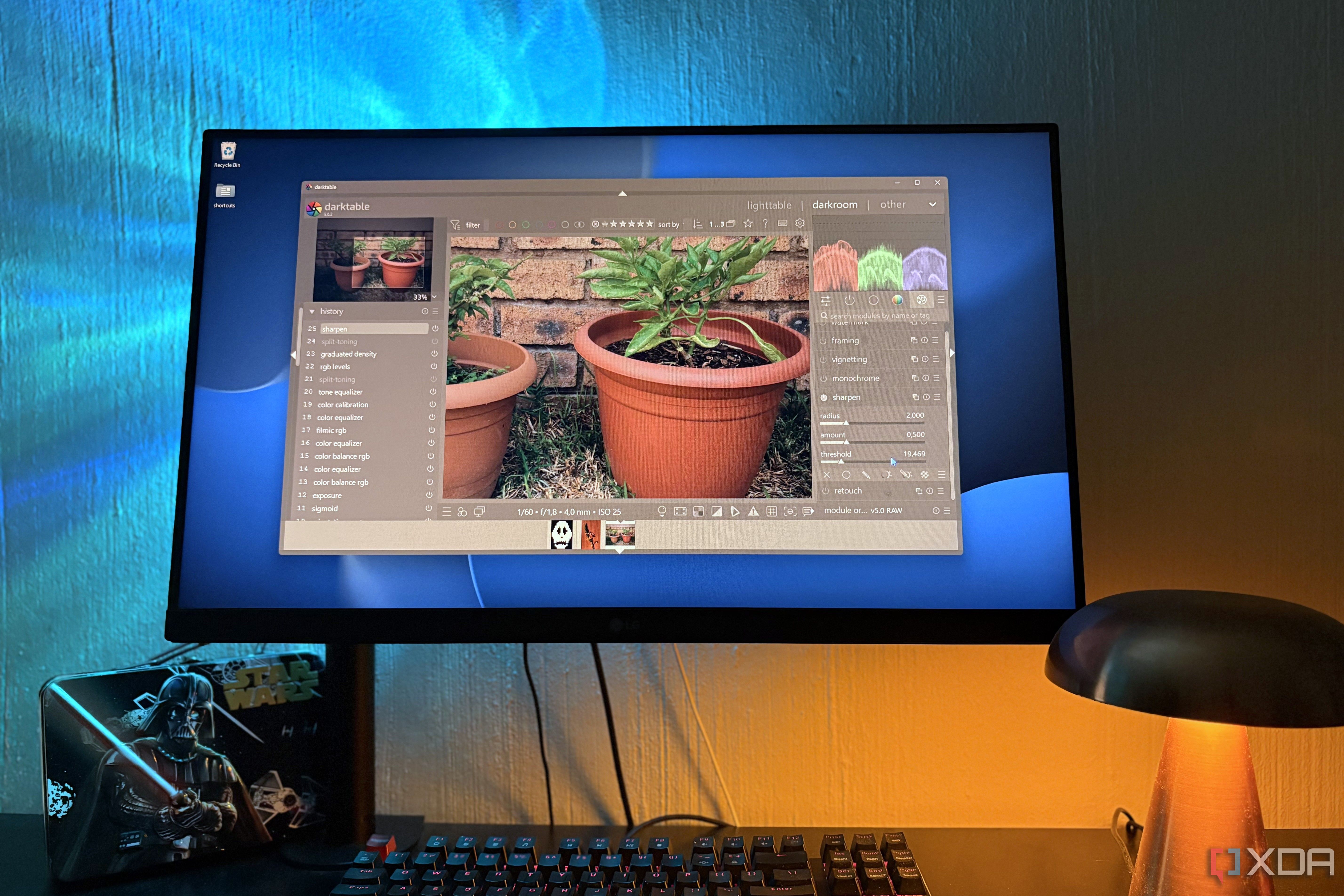
Whenever there's a discussion around free Lightroom alternatives, Darktable almost always comes up. It borders somewhere between quirky and underrated yet popular enough to be recommended. The reputation that tends to follow it around is that it's great once you survive the first hour, so a lot of users would end up going back to Lightroom simply because it's easier to use. And this was me as well. I kept it installed and would open it from time to time, until I remembered why I left it the…
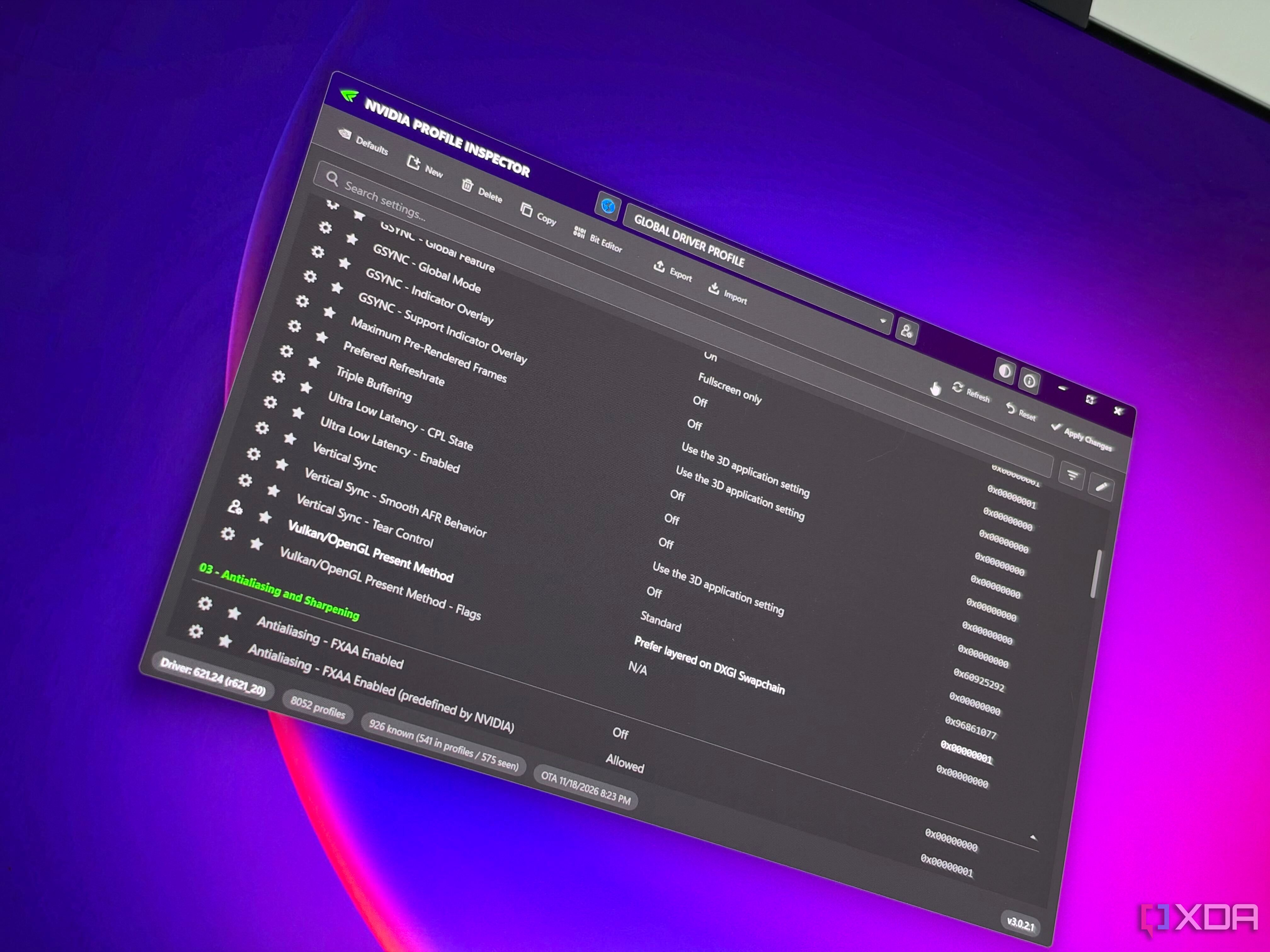
If you have an Nvidia GPU inside your gaming PC, every time you launch a game, Nvidia's driver uses what are called profiles to store settings for specific games and applications. A lot of these settings will be very familiar—V-Sync, anisotropic filtering, and power profiles, but many of them are also hidden flags Nvidia uses to make individual games behave themselves. The Nvidia App only shows you a handful of these, usually the ones that don't have an outsized effect on stability, but with…
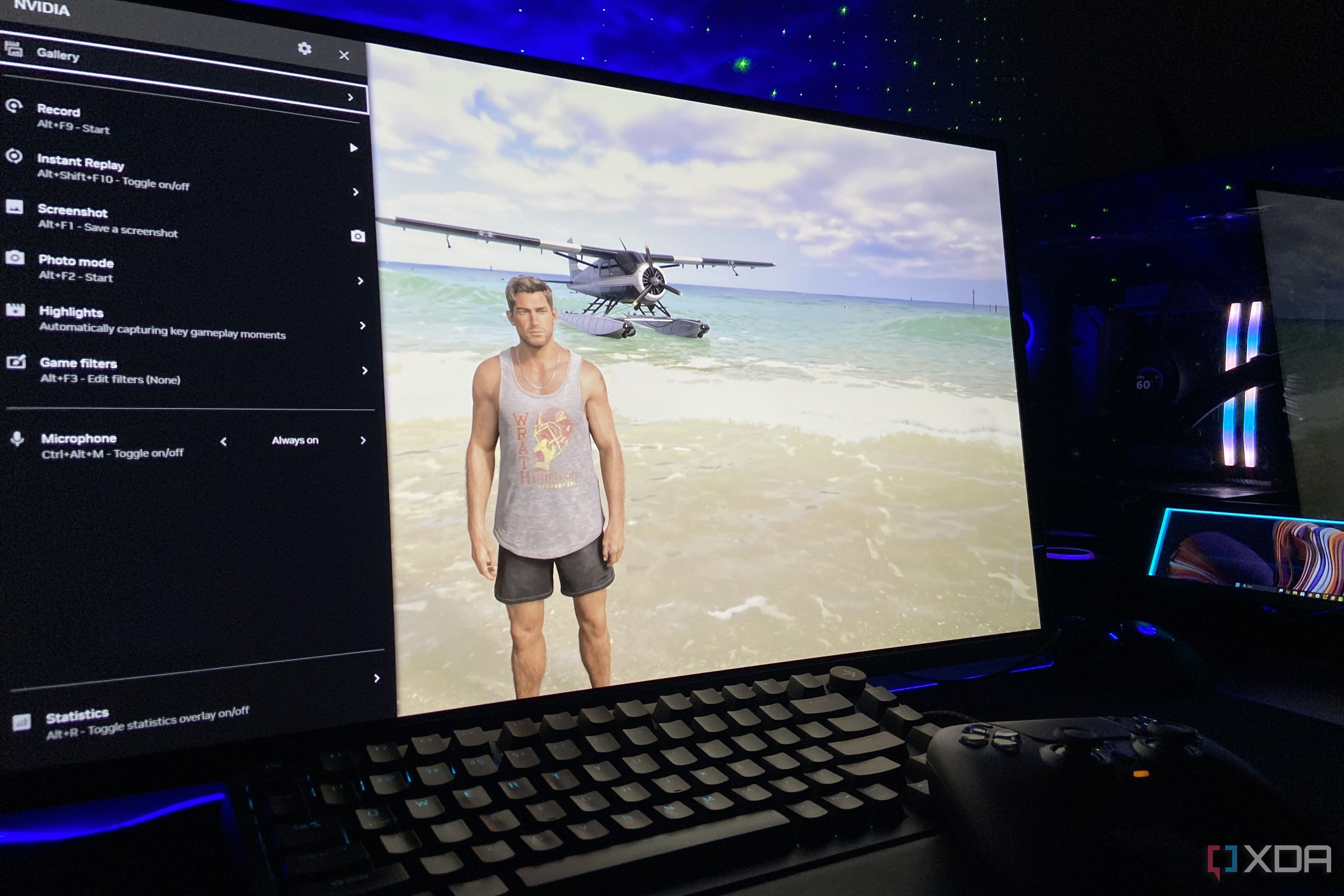
A day before the highly anticipated launch of Grand Theft Auto 6, Rockstar Games told Kotaku that even the PS5 Pro lacked the CPU headroom to run the game at 60fps, and that no 40fps or 60fps mode would come to current-gen consoles. Some players, myself included, thought differently.
Smartwatch prices rarely dip this low for a brand as reputable as Garmin, but the vívoactive 5 is currently sitting at its all-time low on Amazon. The 42mm Orchid model has dropped from its regular $299.99 price tag to just $152.09, a savings of $147.90 that makes this one of the most compelling deals right now.
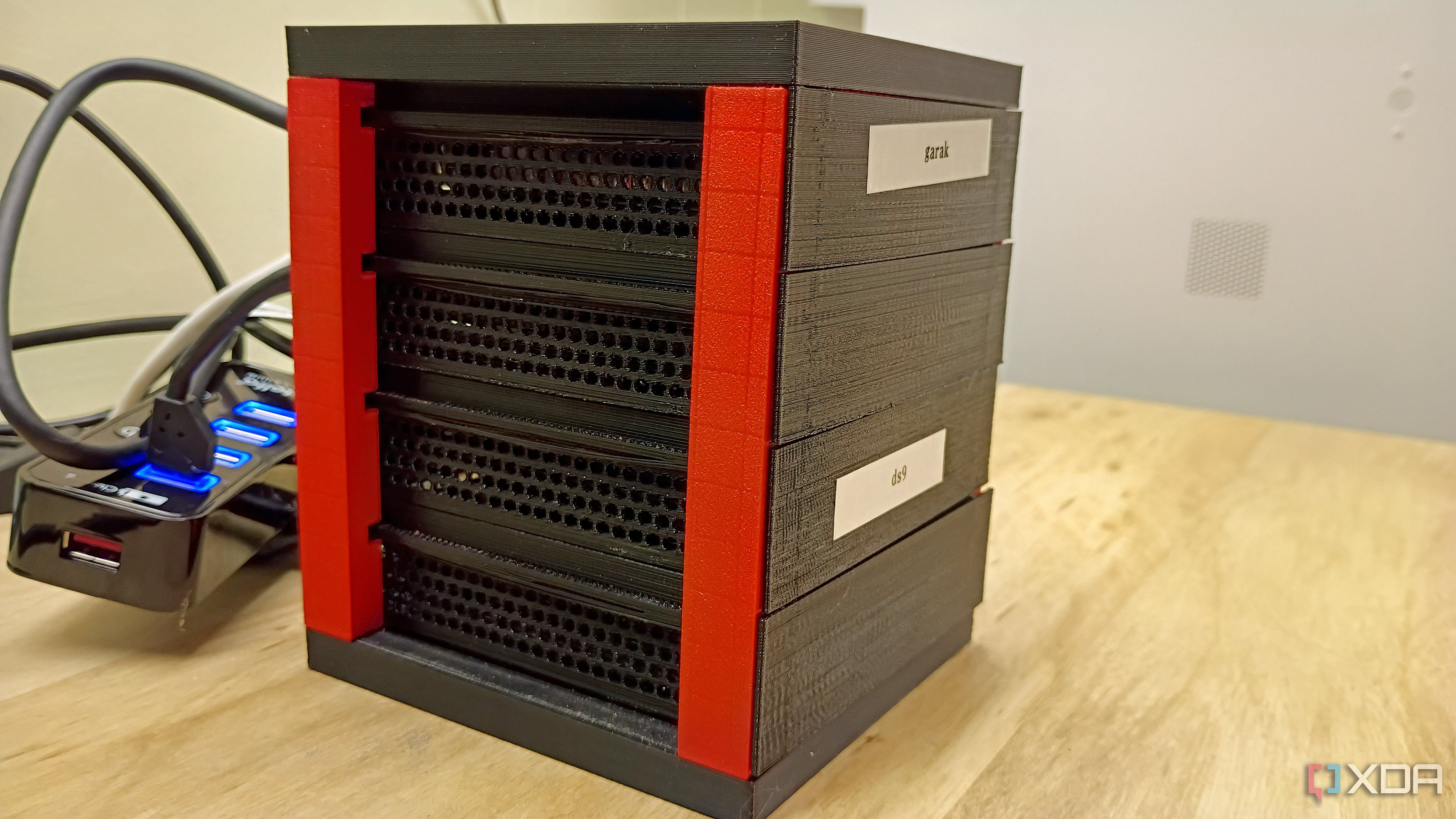
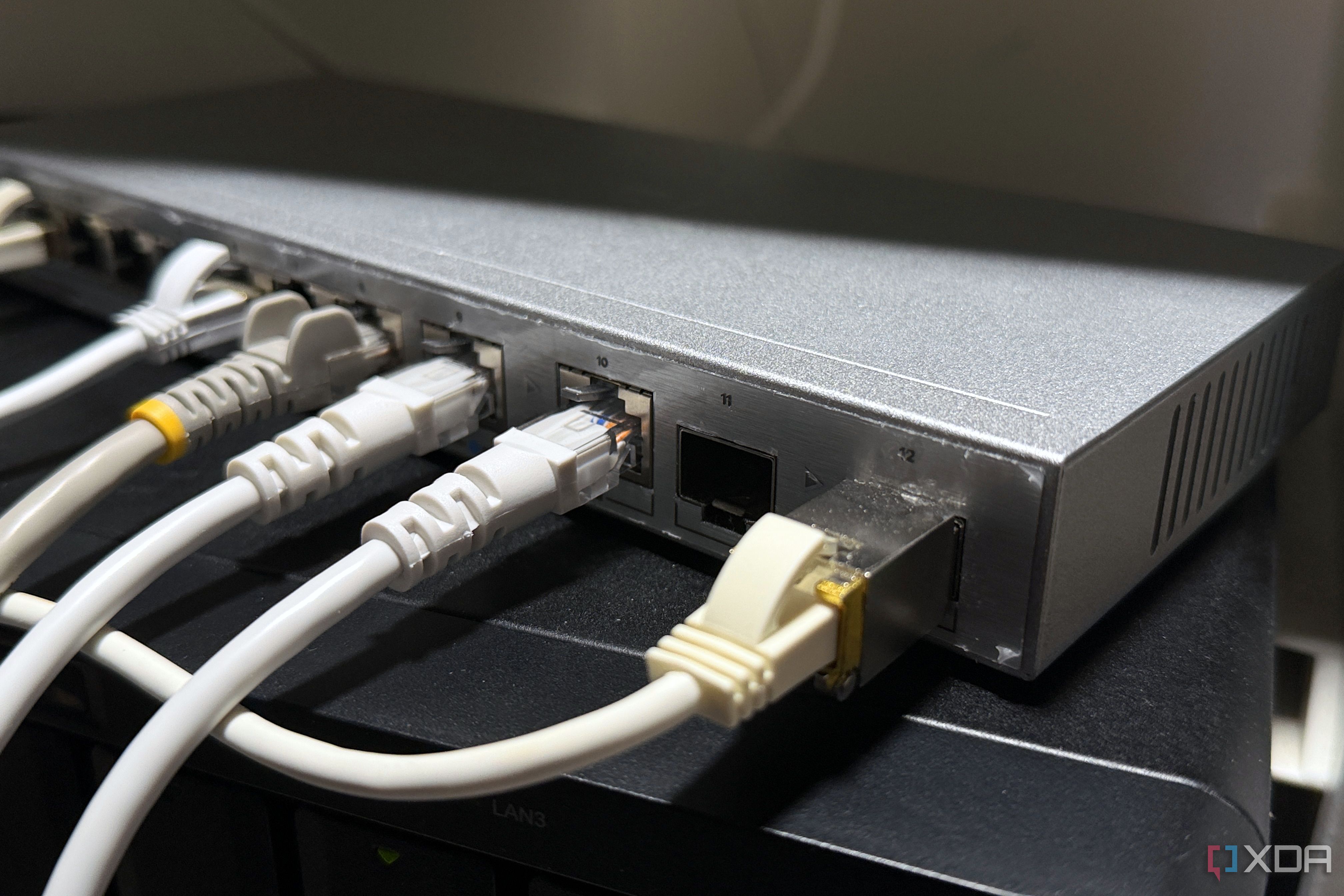
My first home server was born from my old PC many years ago. Since then, I’ve always had at least one server at home. As the years went by, these machines shrank until I was able to run my home services on single-board computers like Raspberry Pis. But the Pi cases I bought were single, standalone cases. They were hard to organize, especially with drives hanging out of them, and my server table in my basement looked messy.
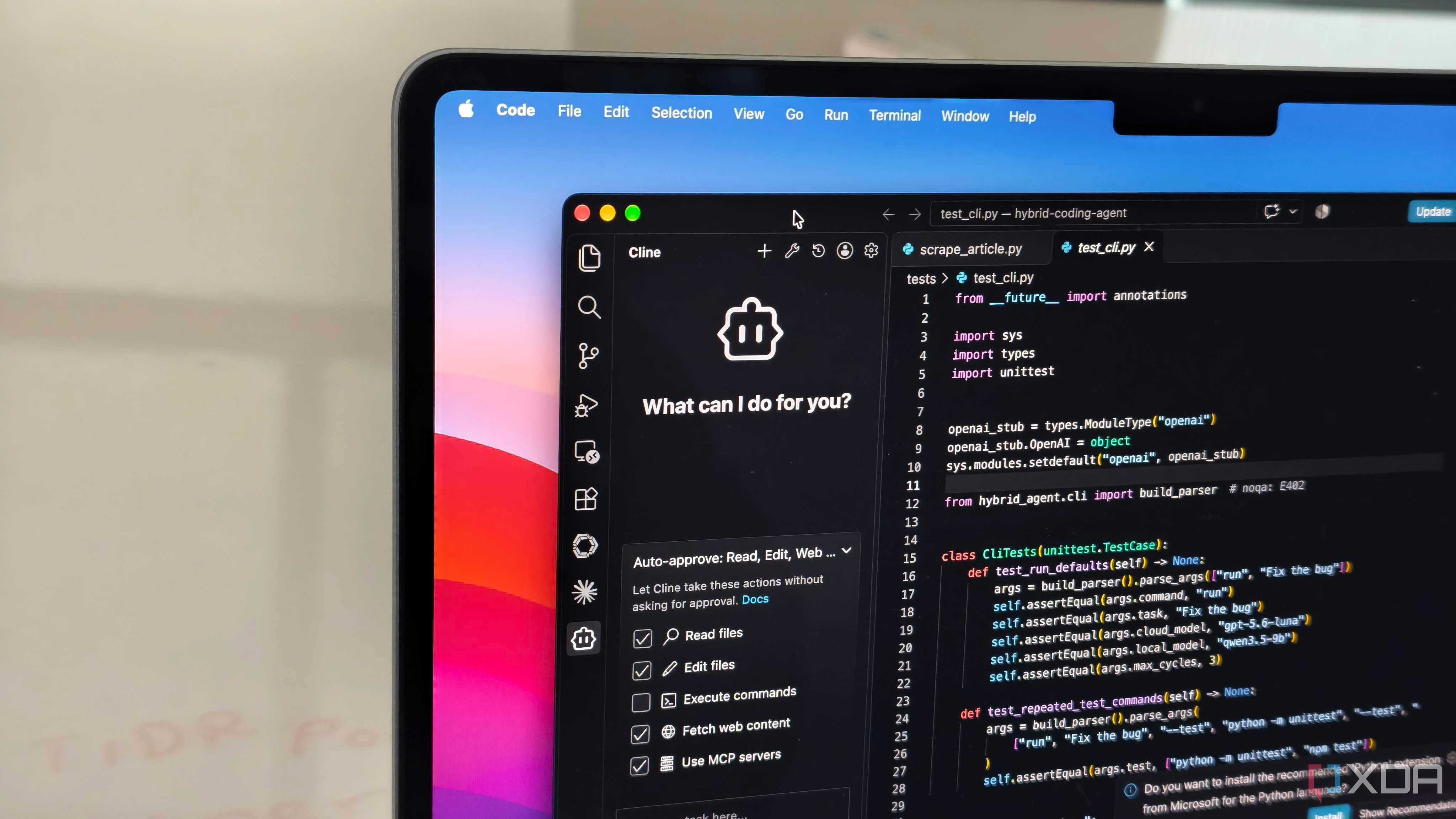
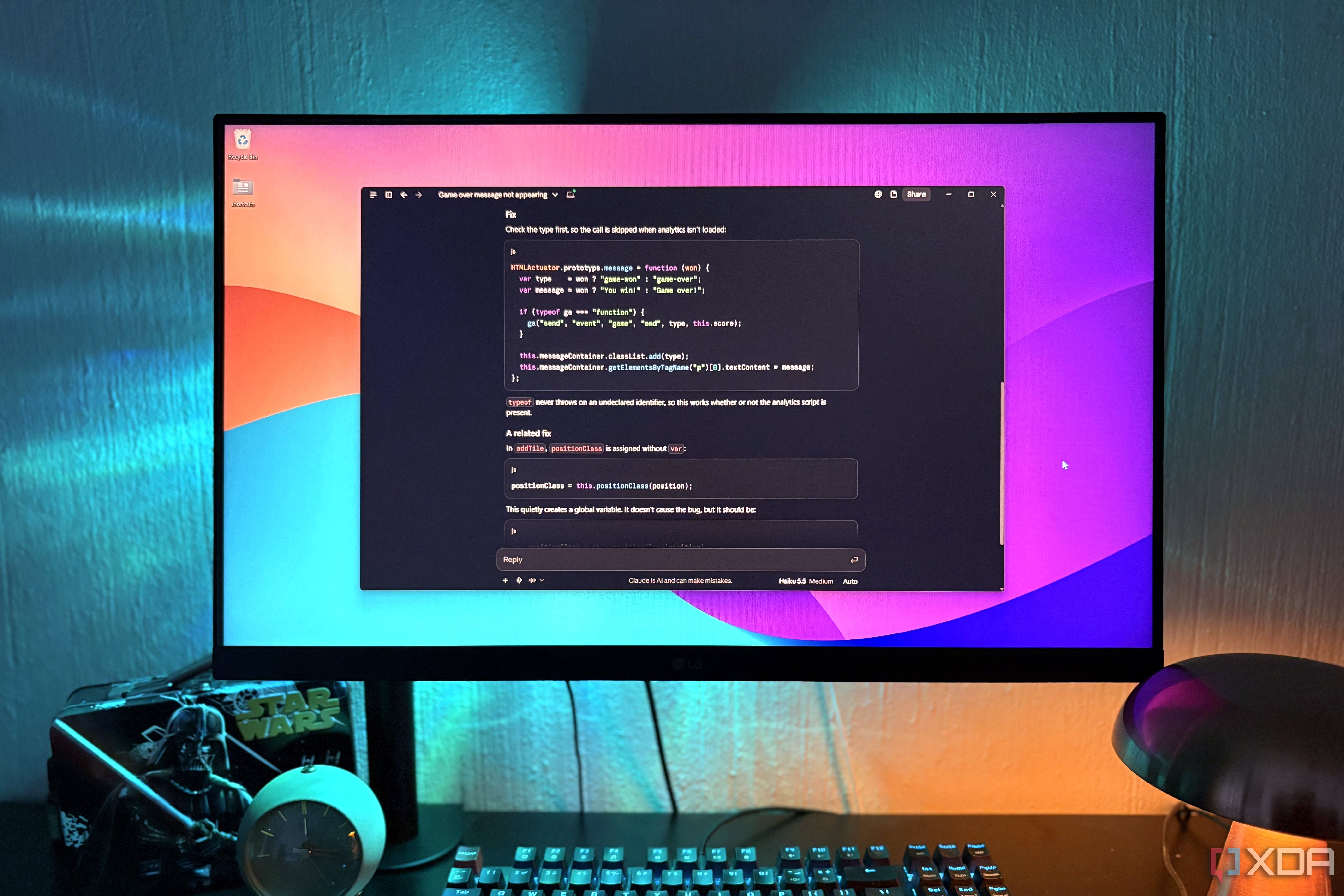
I've been using AI coding tools like Cursor and Claude Code for quite some time now, and they've made it much easier to build personal projects without writing every line of code myself. Cursor, in particular, has been one of my go-to tools because of how well it integrates AI into the development environment. However, paying for another AI subscription isn't particularly appealing, especially since I already have several.
Aggressive drive spin-down schedules look like a free power win on paper, but they can create hidden friction and mechanical wear over time. Spinning hard drives down to standby saves a modest amount of wattage, but short idle timeouts combined with frequent background NAS tasks (such as indexing, S.M.A.R.T. polling, Docker/container logs, or array metadata checks) can trigger repeated start-stop and head load/unload cycles.
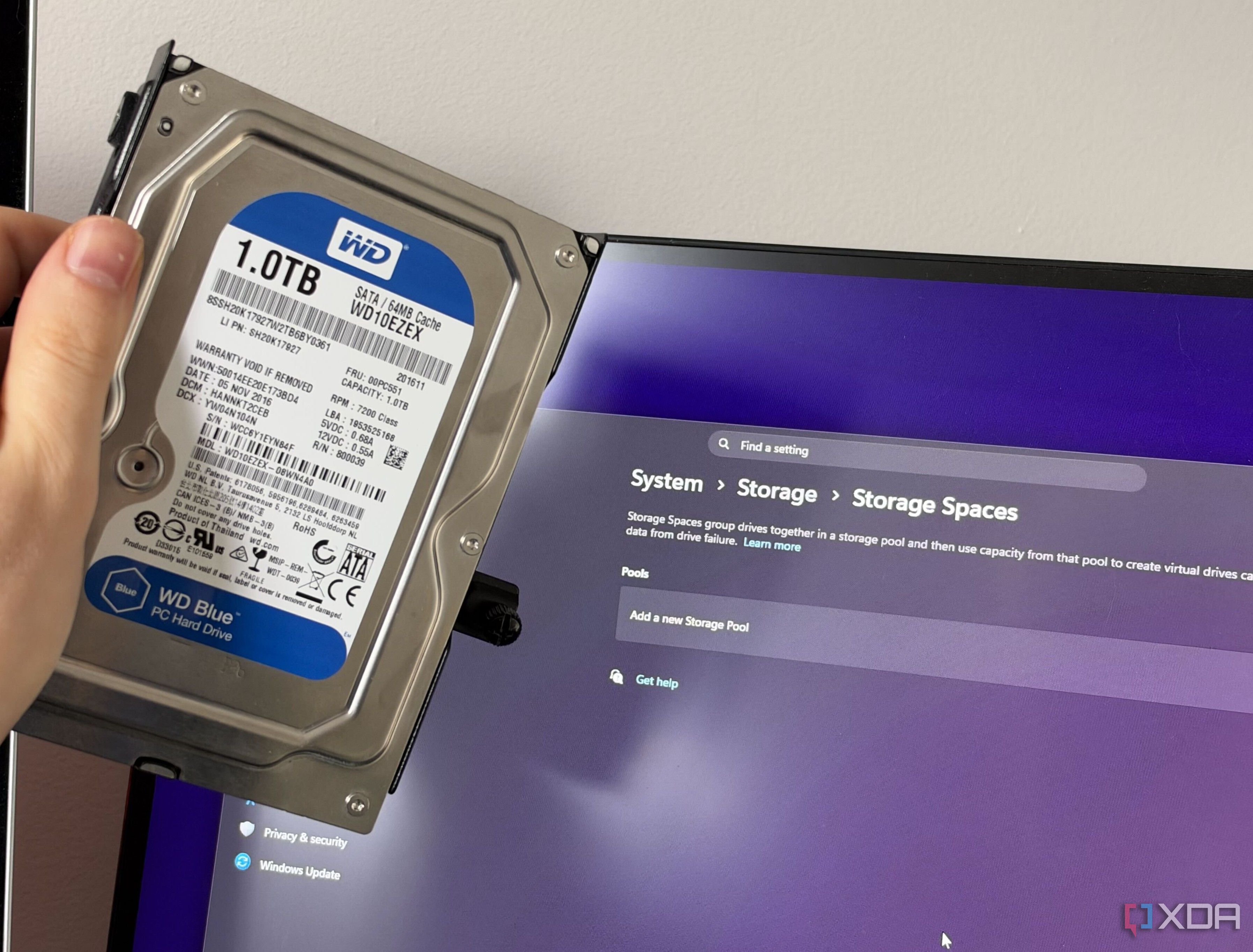
It's becoming exceedingly common for people, not just PC enthusiasts, to have spare storage lying around. It could be a 1TB drive from an old build or a 500GB SSD that's sitting in a PC nobody uses, and it's possible none of them are worth taking out to install on their own, so they continue to sit there.
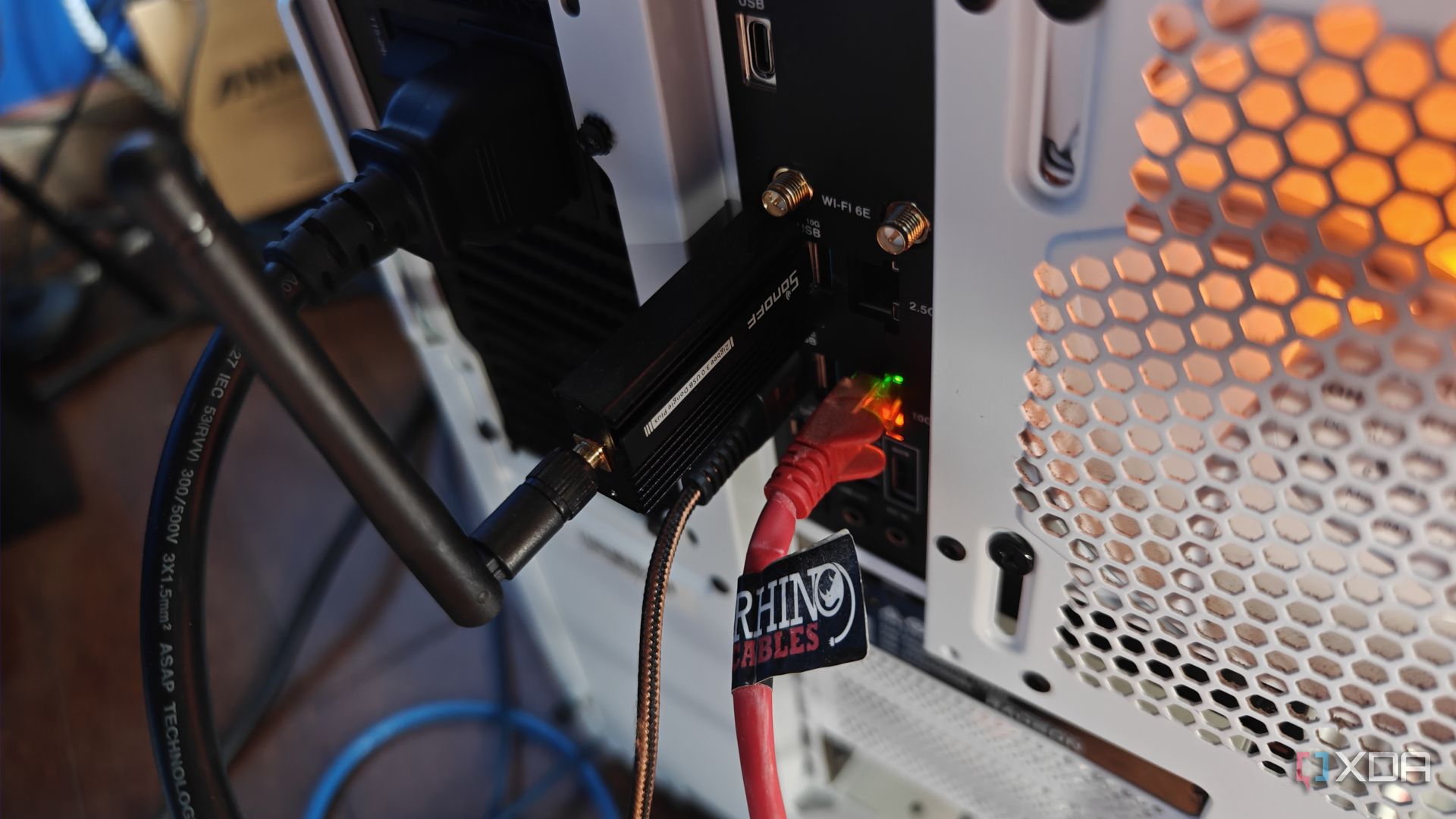
On the face of it, saving just $10 on something may not sound transformative, but when the original asking price was $40, that's a 25% saving. Sonoff's Zigbee 3.0 USB Dongle is on sale for Black Friday right now, and it's what completely changed my smart home. Luckily, I managed to grab it during a previous sale and haven't looked back once. Now it's your opportunity to follow suit and create a new network for all your smart home stuff.
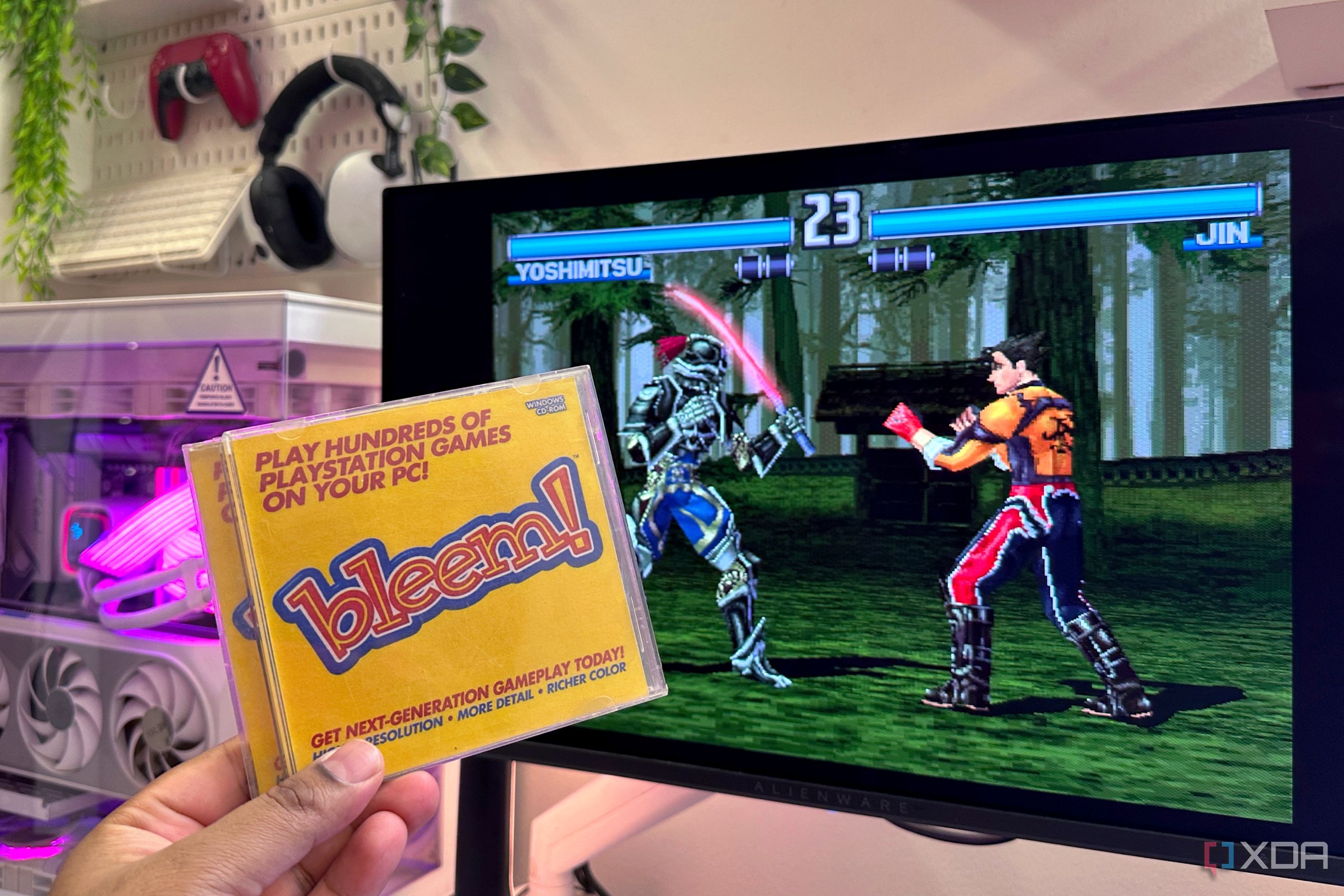
Modern game preservation has reached a wonderfully strange point today. We've got fans tearing apart old console games, rebuilding them for modern hardware, and sometimes making them look better in the process. We now treat these projects as impressive technical feats, but nearly three decades ago, someone was already doing something remarkably similar with PlayStation games.
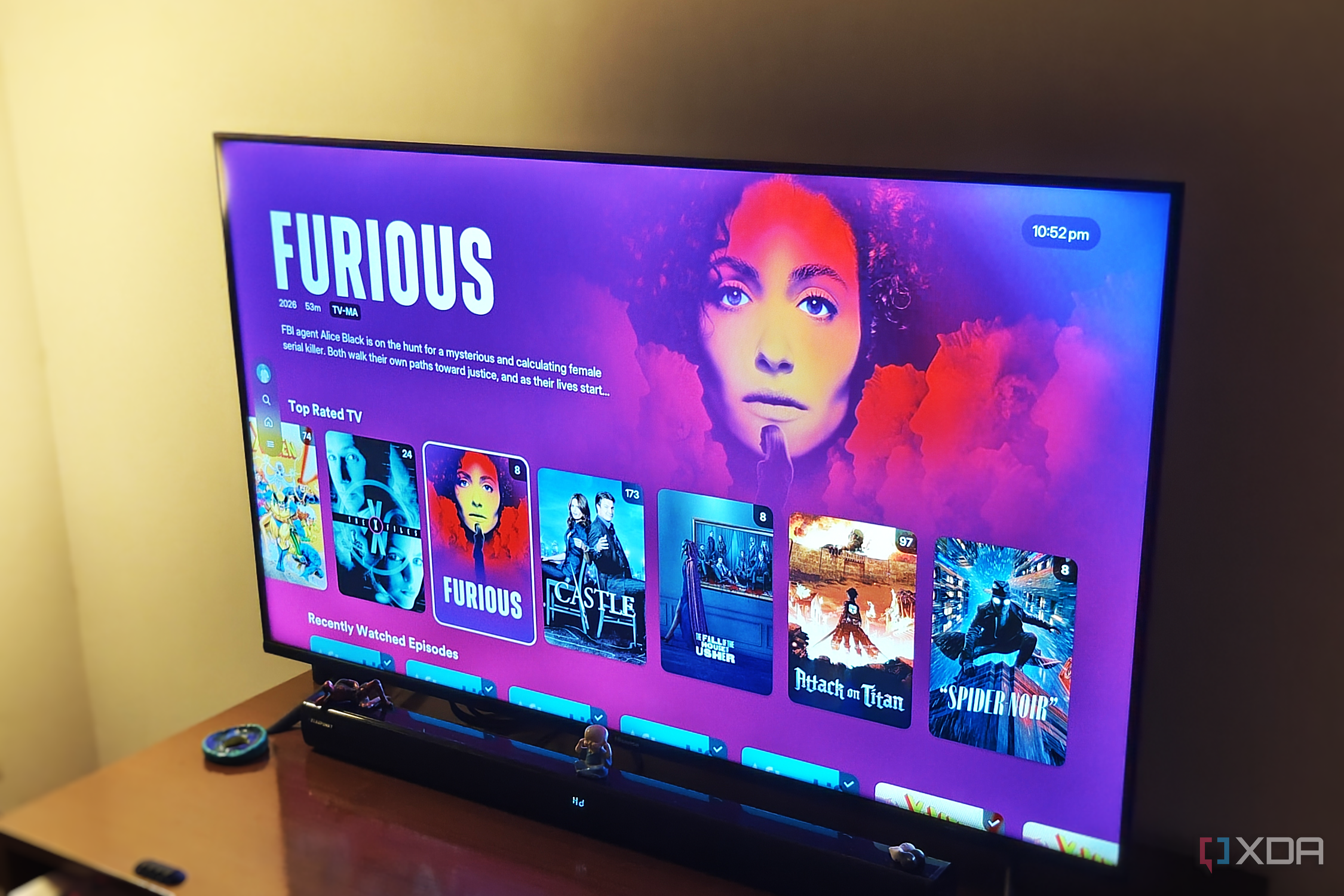
Having a metadata service automatically map out all of your media for you is a real time saver, but what if your favorite service goes down? That's what Plex users who rely on TheTVDB are dealing with right now.
Most modern software wants to live on your credit card as a monthly charge. Subscriptions can be convenient, but the mounting costs of "software as a service" make it feel like you never actually own the tools you use for work. A perpetual license changes that by letting you pay once and keep the software.
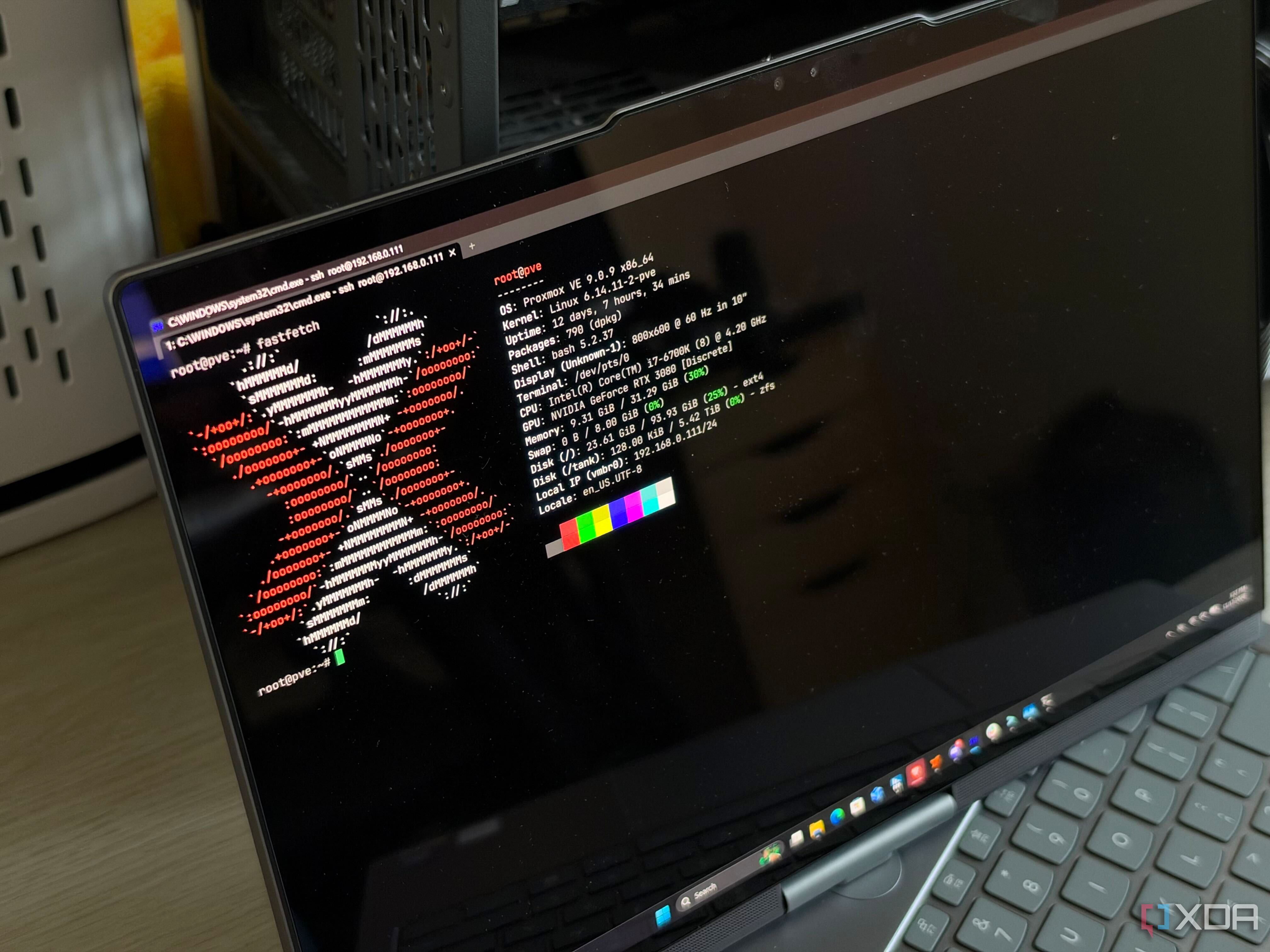
Proxmox is a hypervisor built for always-on servers that never get a break from duty, and because of that, the defaults set when you install it on your home lab aren't necessarily the most optimal. On a fresh install it can hold your CPU at higher clocks than necessary and waste disk space on the SSD you boot from. For a home server or lab that idles the vast majority of the time that it's on, these small defaults can add up, but thankfully, saner settings are relatively easy to configure.
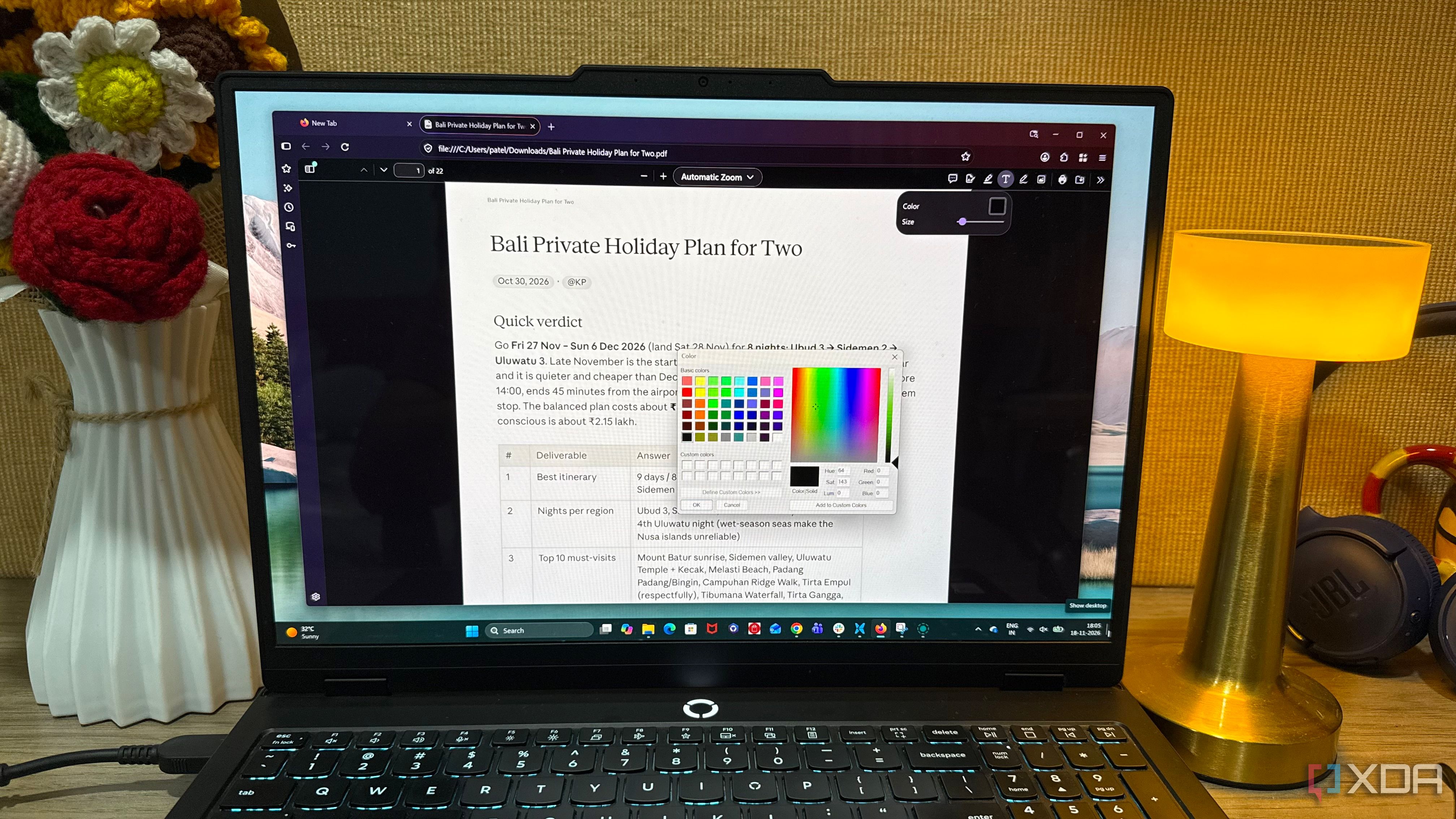
I never expected a web browser to replace Adobe Acrobat, one of the most frequently used applications on my desktop. For years, opening, reviewing, and editing PDFs meant launching Acrobat, even for minor changes. That changed when I started exploring Mozilla Firefox beyond its browsing capabilities. Its built-in PDF tools turned out to be far more capable than I expected, handling most of the tasks that previously sent me straight to Acrobat. Before long, Firefox quietly became my go-to PDF…
Reading on a traditional tablet often feels like staring into a flashlight, especially when you're fighting glare in a bright room. That's where the TCL NXTPAPER 11 Plus comes in. Right now, Amazon has it for $227.98, which is a $142 savings from TCL's $369.99 regular price. It's a Prime-only deal, so you'll need a membership to get that price. The promotion runs through November 30, though TCL says some of its deals may change.
I listen to a lot of music in the kitchen while cooking or wrapping up chores. However, getting music into the space isn't easy. My old Google Nest Mini is a bit too small for the kind of music fidelity I want, while devices like the Echo Show are too unwieldy for simple stereo playback. Plus, there's the cost. I don't want to spend hundreds of dollars on a kitchen setup when I have a perfectly serviceable pair of bookshelf speakers lying around.
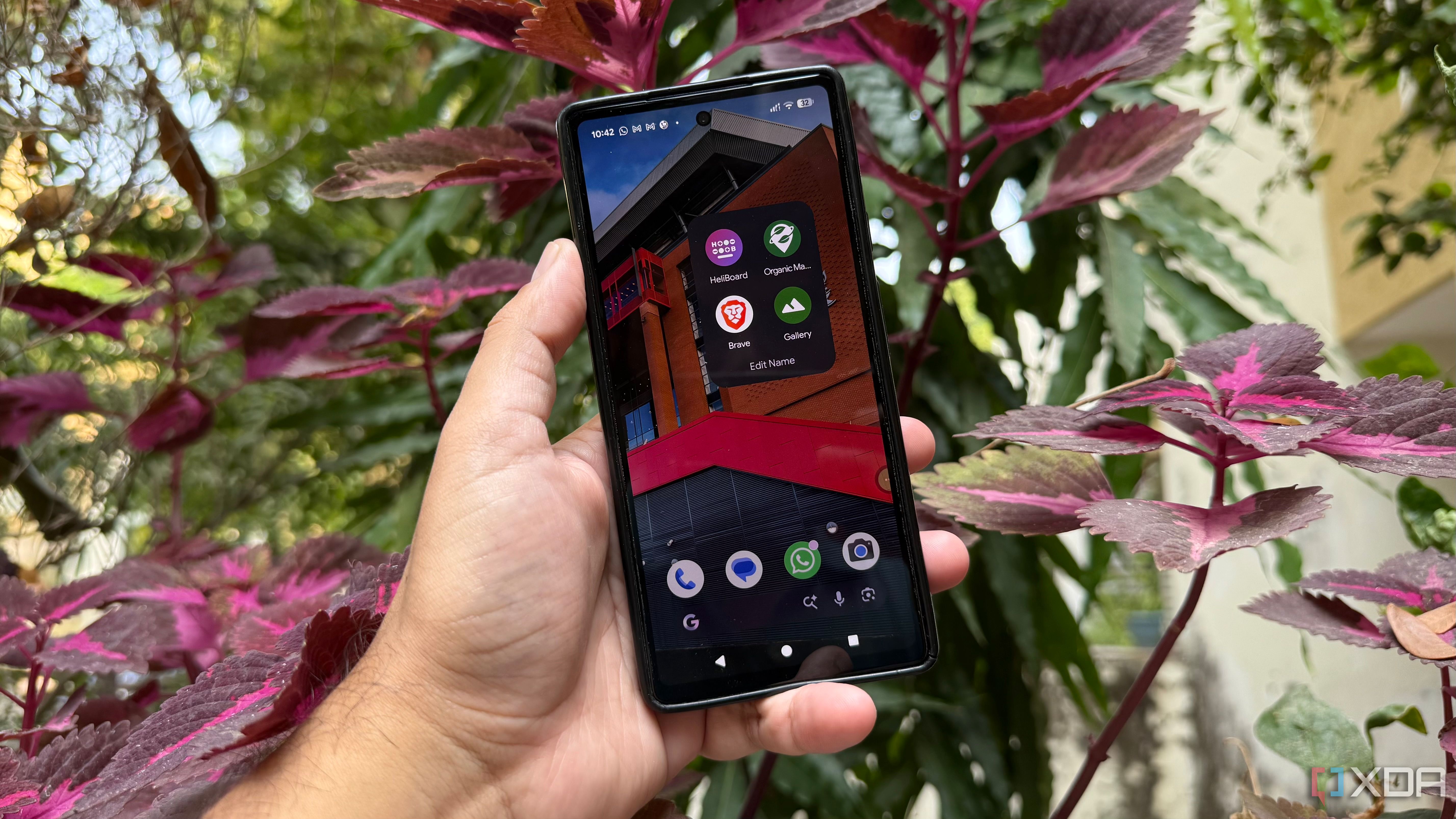
Google apps are deeply woven into the Pixel experience, and it's easy to accept them as the default choices. But are they always the best options? I decided to try a different set of apps and see what I was missing. I wasn't looking for complicated replacements or tools with endless customization options. I wanted lightweight apps that handled their core jobs well and didn't demand more resources than necessary. The results made me rethink a few of my default choices.
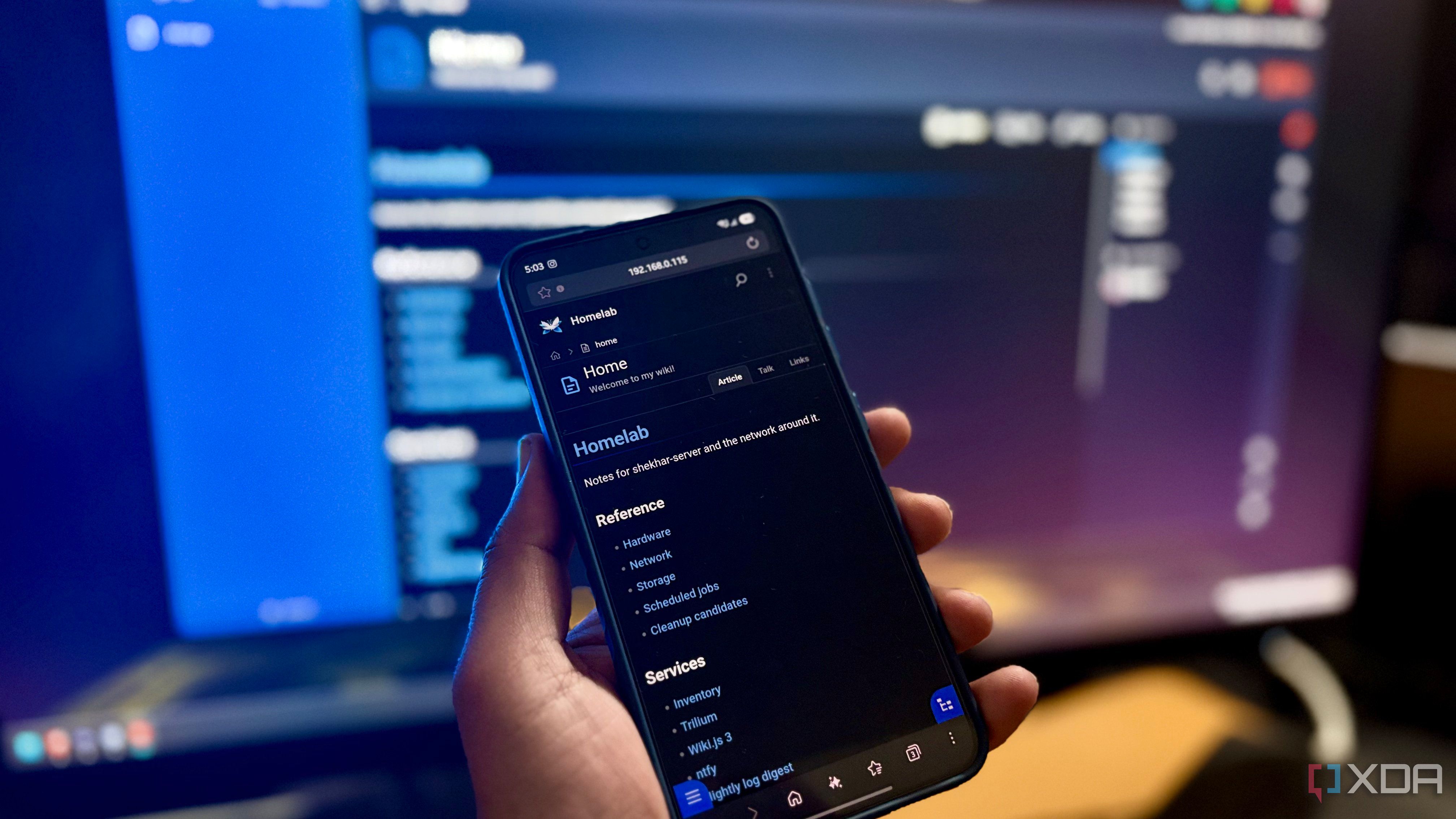
I had been an active contributor to Wikipedia long before I jumped into technical writing and blogging. After school every day, I used to dive into Wikipedia articles and suggest edits wherever needed. But that was almost a decade ago. Today, the situation is totally different. I now host my own knowledge management app, Trilium.
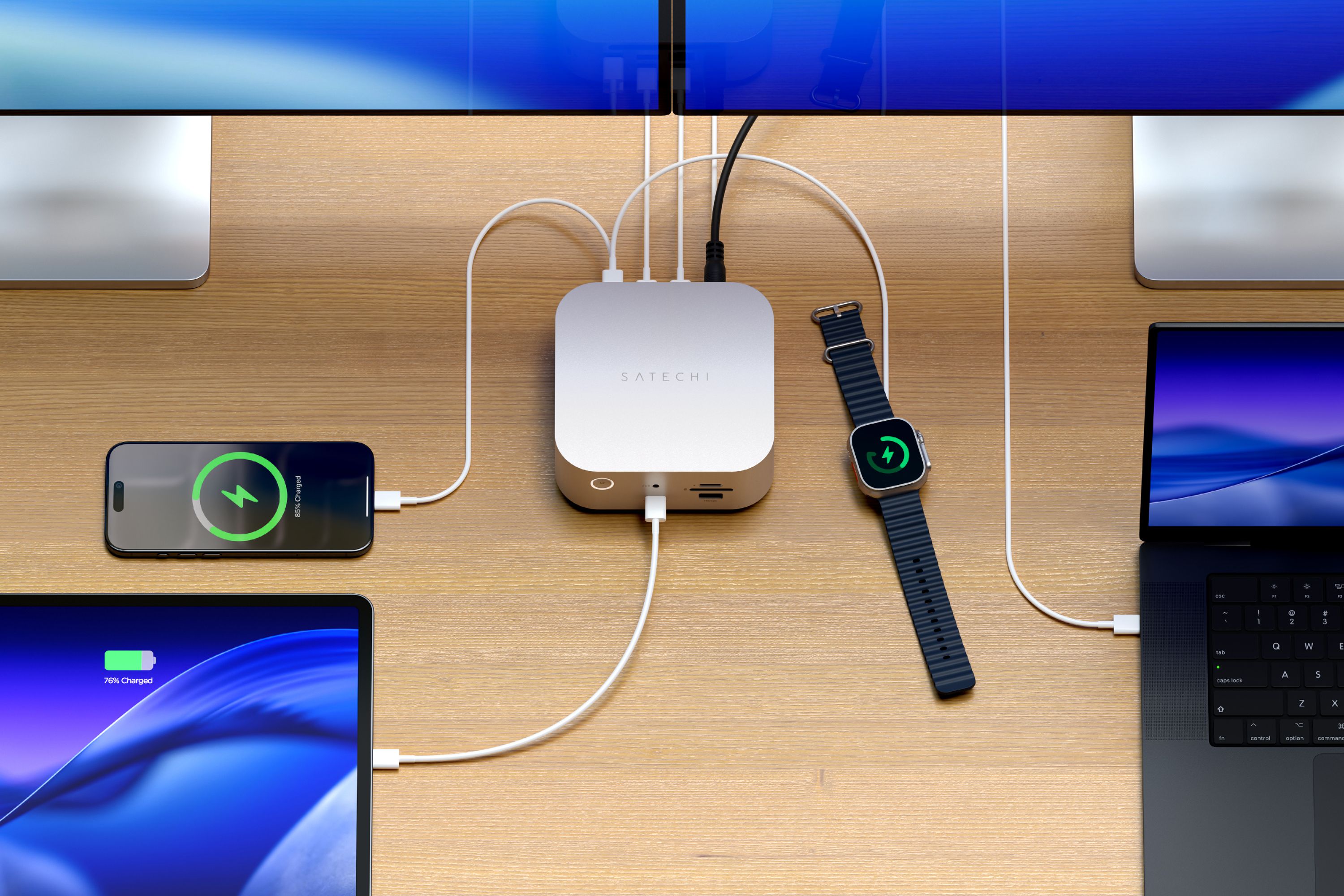
Setting up a professional workstation usually means a mountain of cables and a separate enclosure for your fast drives. It's a mess that takes up way too much desk space. Luckily, the Satechi Thunderbolt 5 CubeDock combines a Thunderbolt 5 dock with an internal SSD slot. Right now, Amazon has it for $319.99, an $80 savings from its $399.99 regular price for Black Friday.
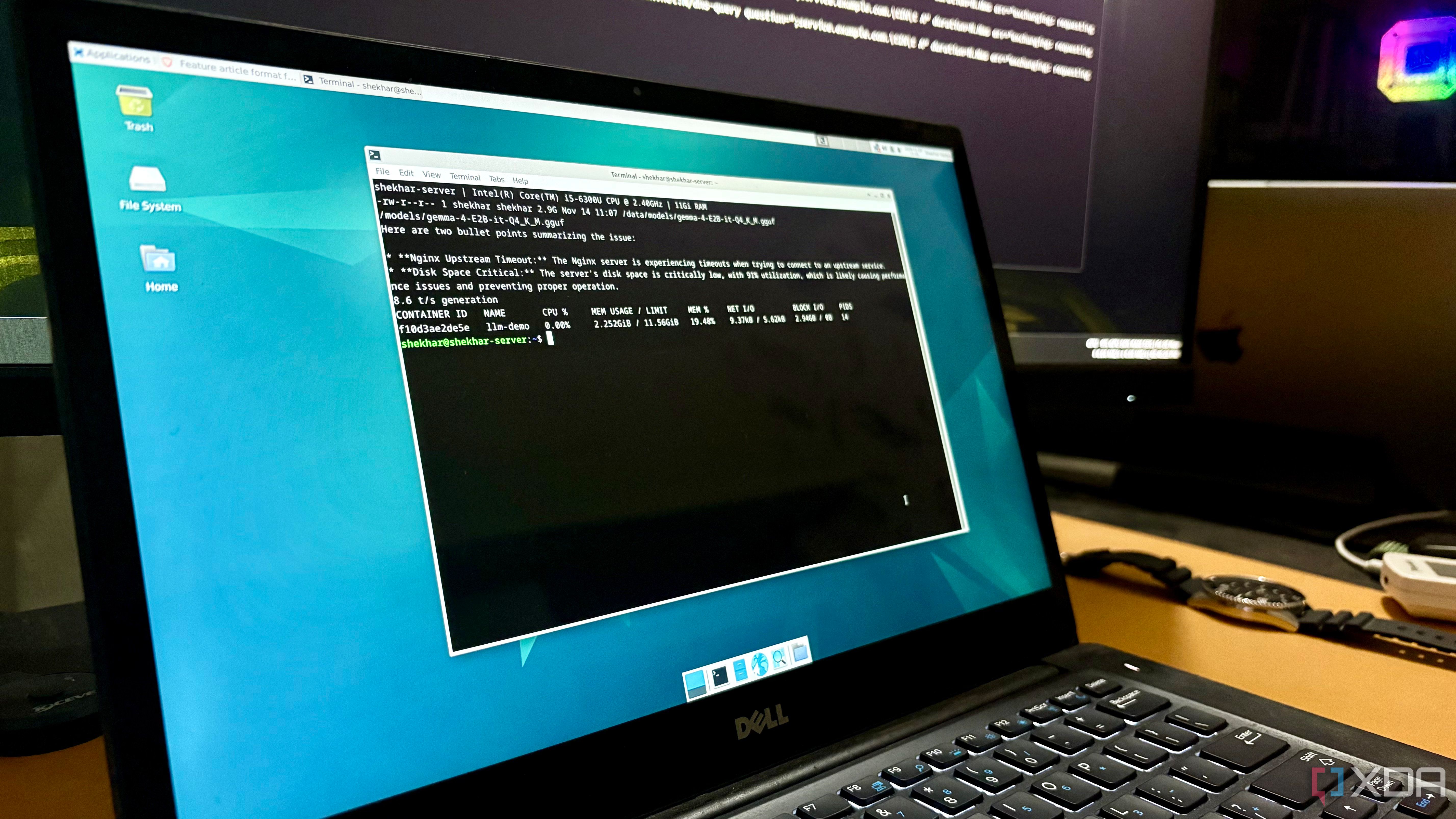
The most tedious task for an early homelabber is the logs. We have piles of logs for each service we host. We almost never open and read them since we rely on the monitoring services. Services like Beszel and Uptime Kuma do important work, but they are limited to specific jobs, and none of them read the actual logs.
When your Wi-Fi is bad, the usual approach is the same as most other things in tech, which is to go bigger: more channels, a bigger, better router, and higher transmit power. Those who know wireless networking know that approach isn't always good, especially when it comes to transmit power. A Wi-Fi link doesn't always need more of something, and while it's counter-intuitive, turning down transmit power ended up being one of the best things for my home Wi-Fi.
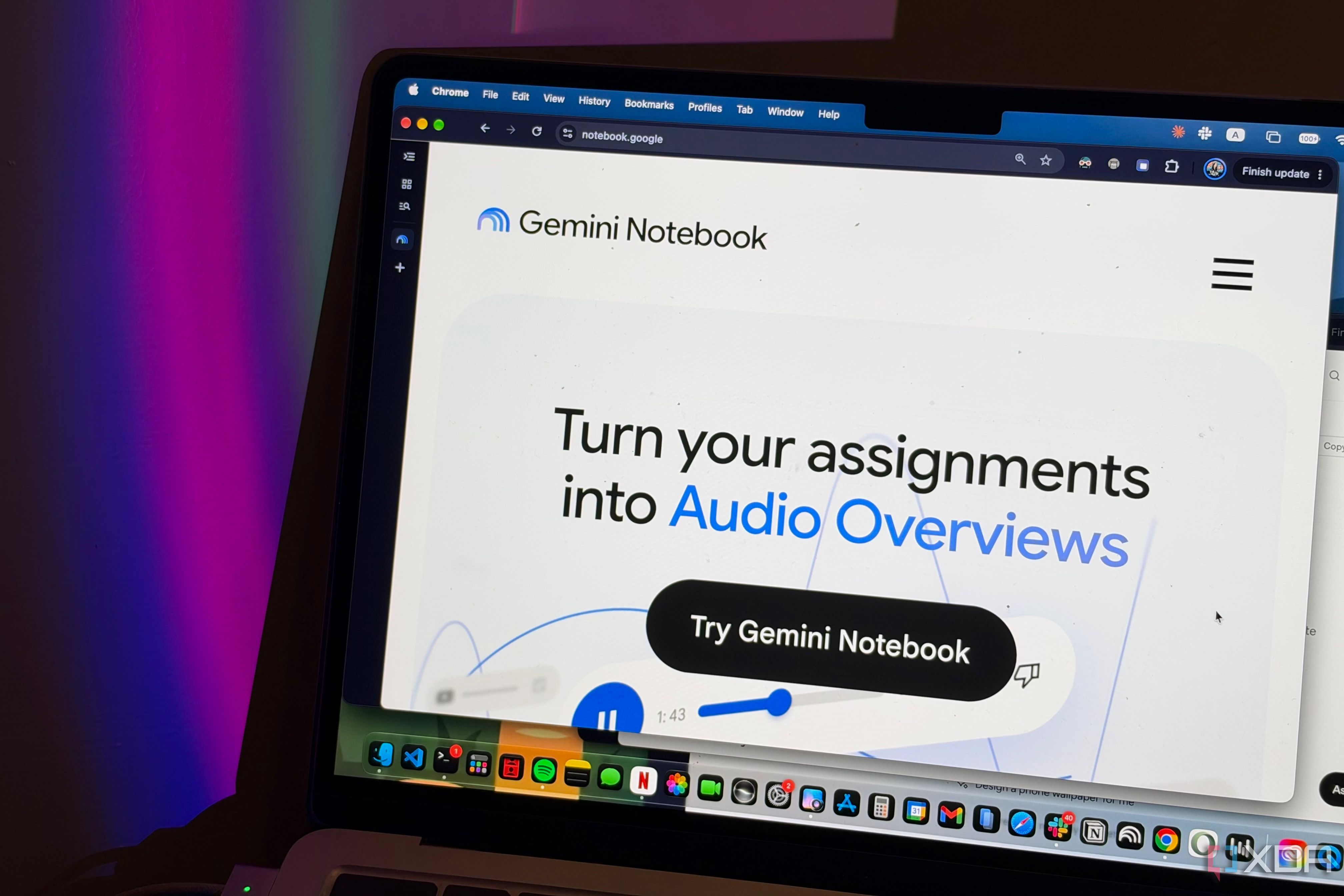
“Hey, can you write me an 800-page essay on the Declaration of Independence?” “Hey, please solve all 80 math questions in the PDF my professor just gave me.” “Hi, can you brainstorm 10 ideas for my final-term project and randomly pick one for me? (Easiest preferred, obviously.)”
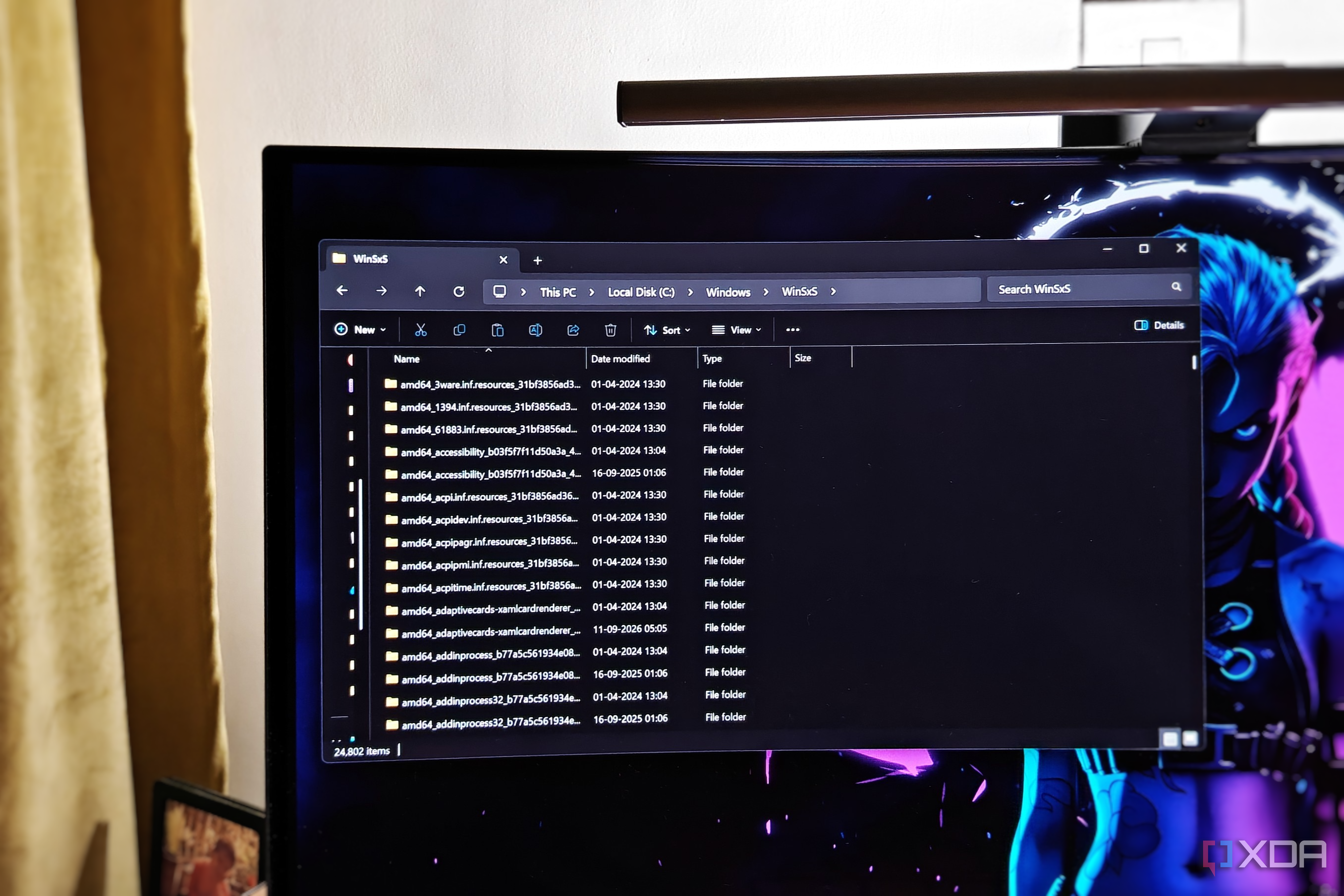
Those of us who didn't hoard tons of storage in the "before" times can often struggle with free storage space on our PCs, especially on the C: drive. I like to allocate only enough space to my OS partition as needed, with the rest of it free for my games, media files, and backups. Still, seeing my C: drive turn red in File Explorer isn't as uncommon as I'd like it to be.
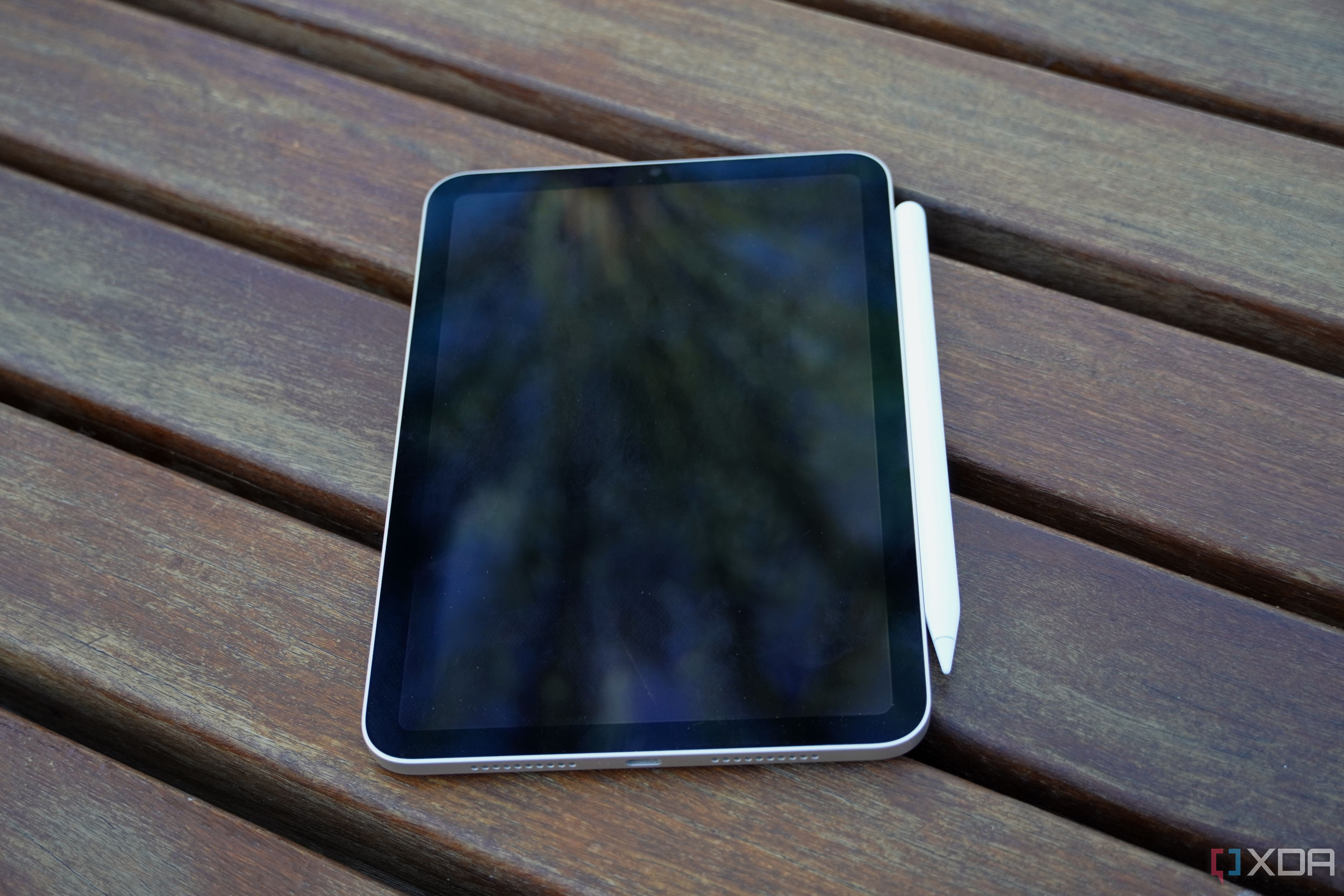
Black Friday sales are starting early, and we're now seeing a straightforward discount on one of its most compact iPad devices. The Apple iPad mini (A17 Pro) is currently $100 off on Amazon, dropping its price from $599 to $499. This is the lowest price in the last 90 days, making it a solid entry point for anyone looking for a portable tablet with serious processing power.
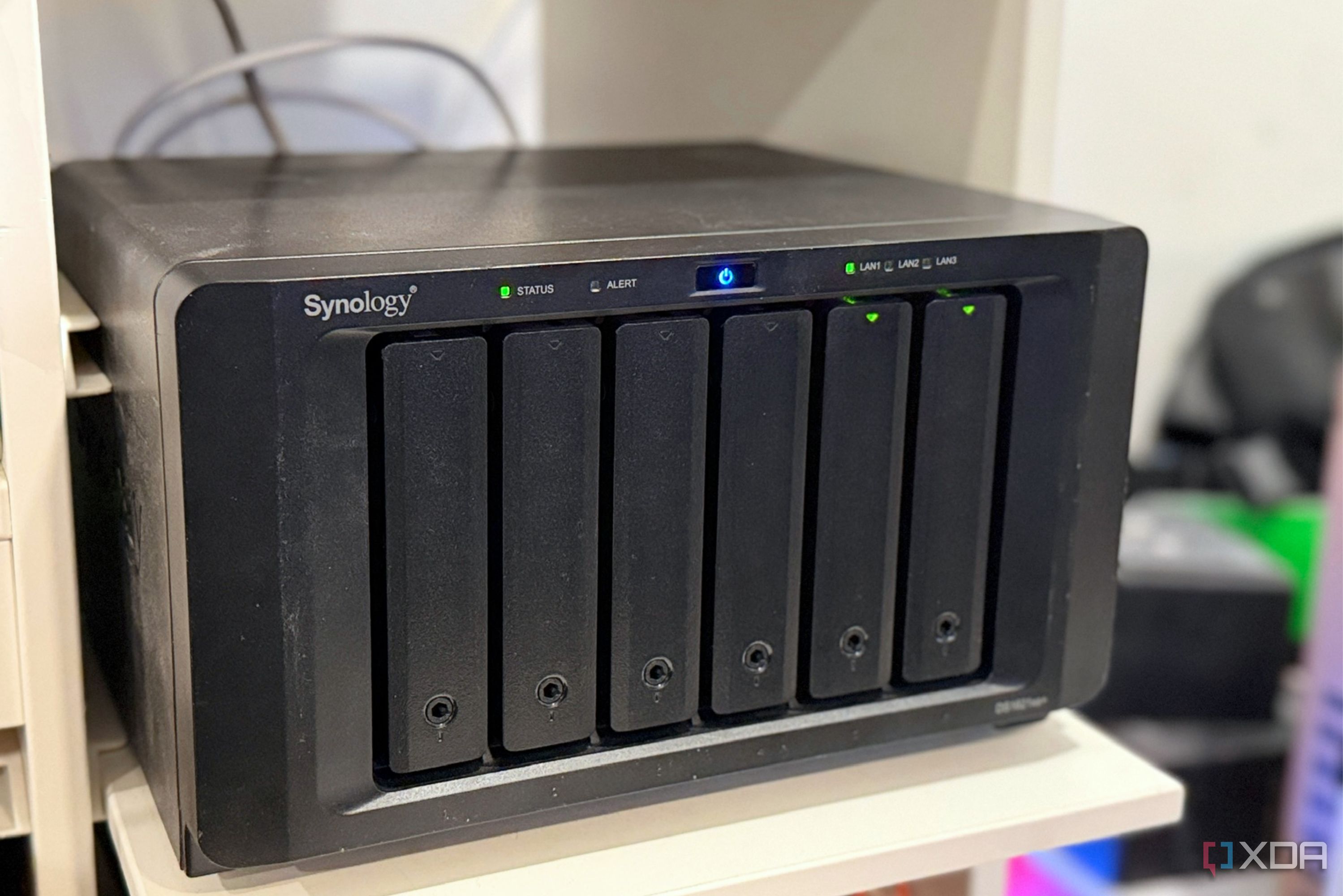
I like to think I know what's on my network. I've got a Proxmox home lab running a pile of LXCs, a Synology NAS that holds everything I care about, and a two-node Technitium DNS cluster. The thing is, DNS logs only tell you what a device asks for. They don't tell you what it does next.
Most of my recent reporting on PC ports has focused on the Switch 2, but there are also substantial strides being made in getting PlayStation 5 games to run on PC, with the most recent example being the platformer Astro Bot.
Anyone who's used Claude has probably encountered its drift problem from time to time. You set a rule in the first message, even something simple like how a reply should be formatted, it holds up for about a dozen turns then starts slipping. Further in, Claude seems to start answering a different question than the one you asked, or suddenly agrees with something it pushed back on earlier.
The Garmin Fenix 8 is the kind of multisport watch that makes the Apple Watch Ultra and Samsung Galaxy Watch Ultra feel like they're in a different league. It's built for people who have an active life, with days filled with running, swimming, strength sessions, and more.
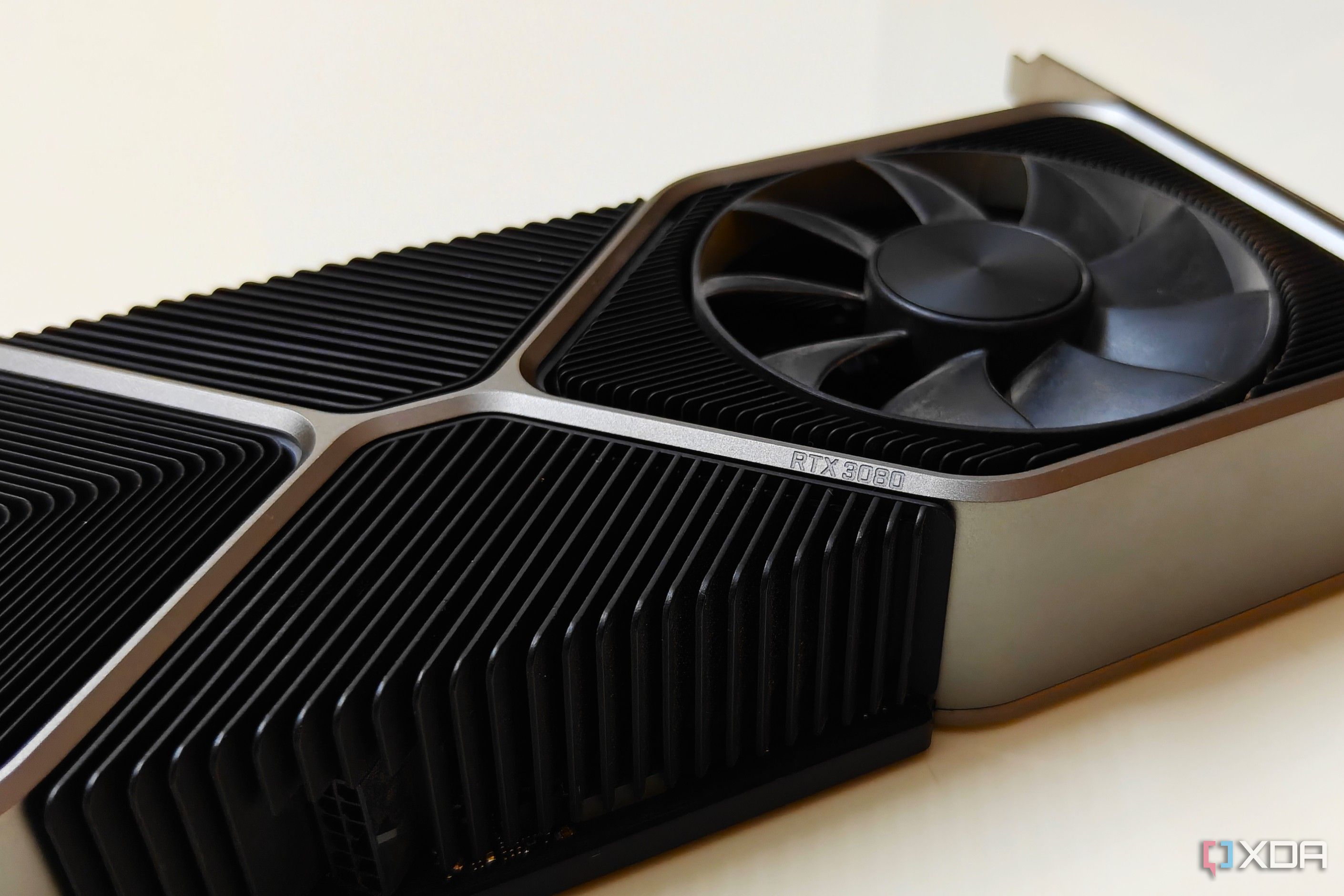
Buying the latest and greatest graphics cards usually offers more performance, features, and efficiency than older models, but there's no guarantee you're getting good value. Barring a handful of GPU generations over the last decade, we've seen GPU manufacturers offer less performance for more money with successive lineups. As we reach the limits of raw silicon-based performance improvements, buying used GPUs becomes increasingly attractive.
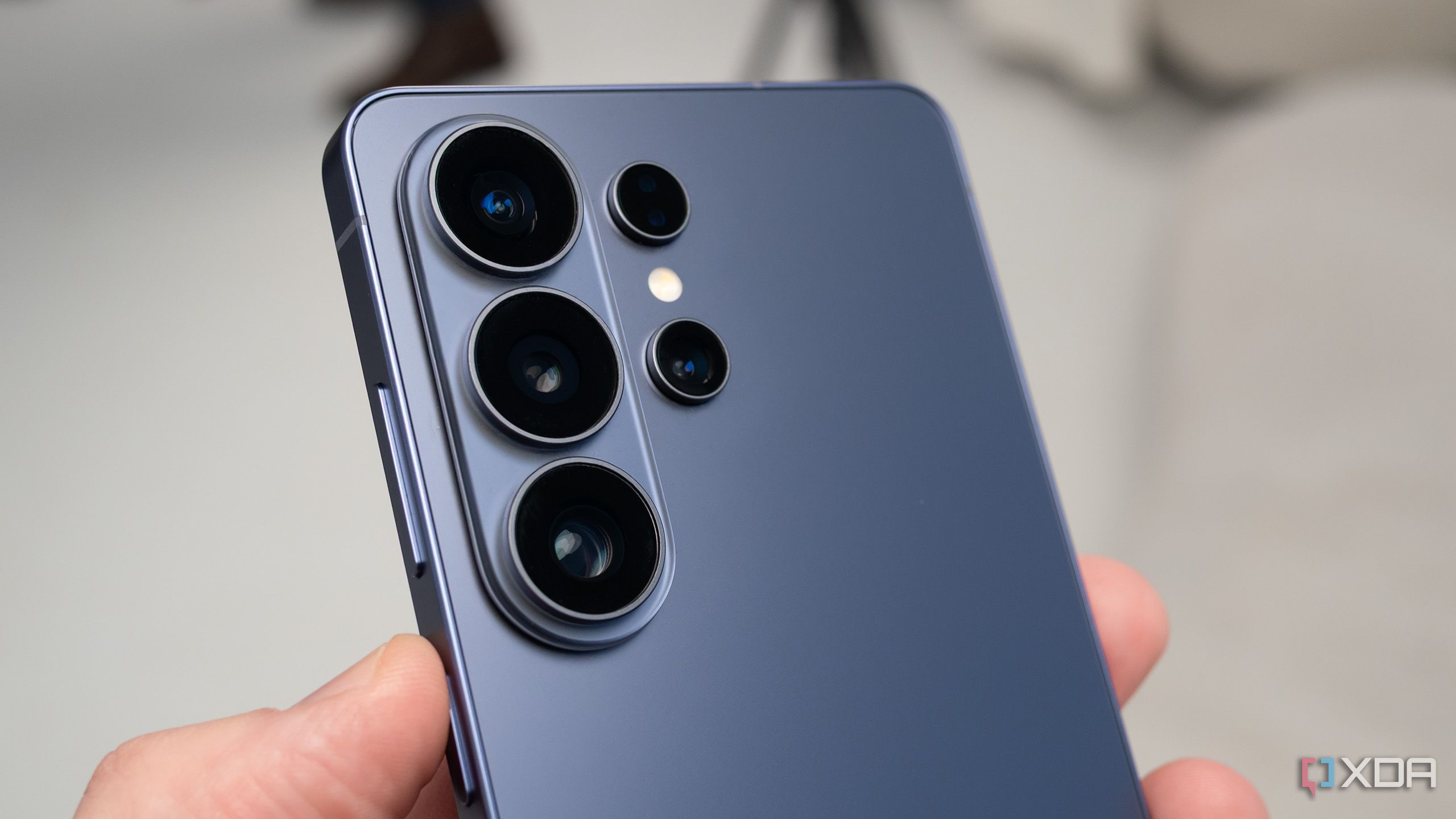
The Samsung Galaxy S26 Ultra is down to $1,149.99 at Amazon, a $450 drop from its regular $1,599.99 price. It’s one of the most talked-about Android phones on the market this year, and this is a rare chance to grab a premium flagship at a significantly reduced cost. Now is the perfect time to upgrade, as the discount brings the price well below its usual retail figure.