B
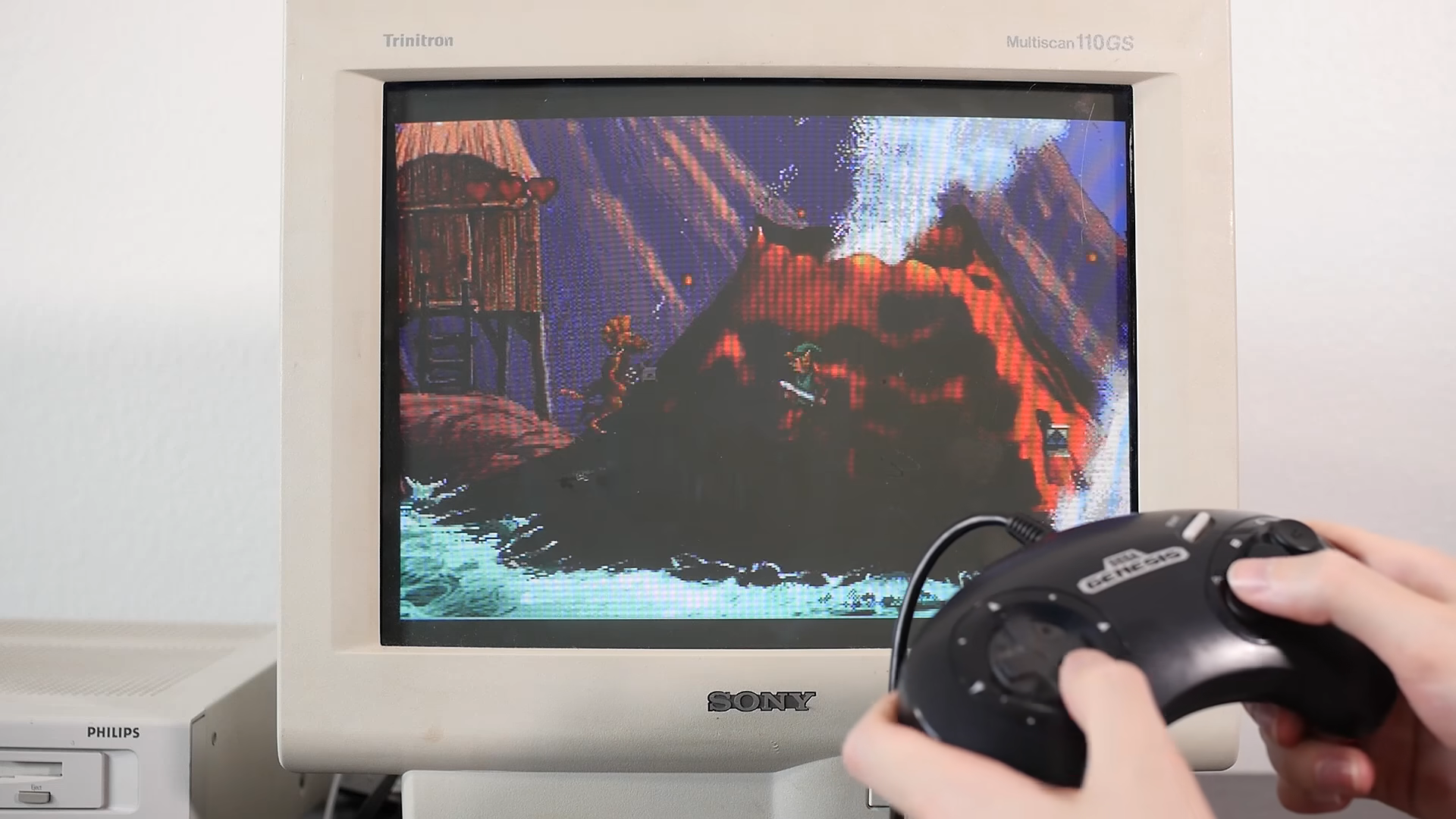
The Philips CD-i was not popular upon its launch in 1991, and is barely acknowledged today. In the opinion of [MattKC], it had a particularly poor selection of controllers, too, and it’s often hard to find used examples anyway. To rectify this situation, he whipped up an adapter to let him use Sega Genesis controllers instead. The benefit of the Genesis controller is that it uses DB-9 connectors that are readily available, and it’s got a simple pinout that is compatible with the Atari joystick…
B
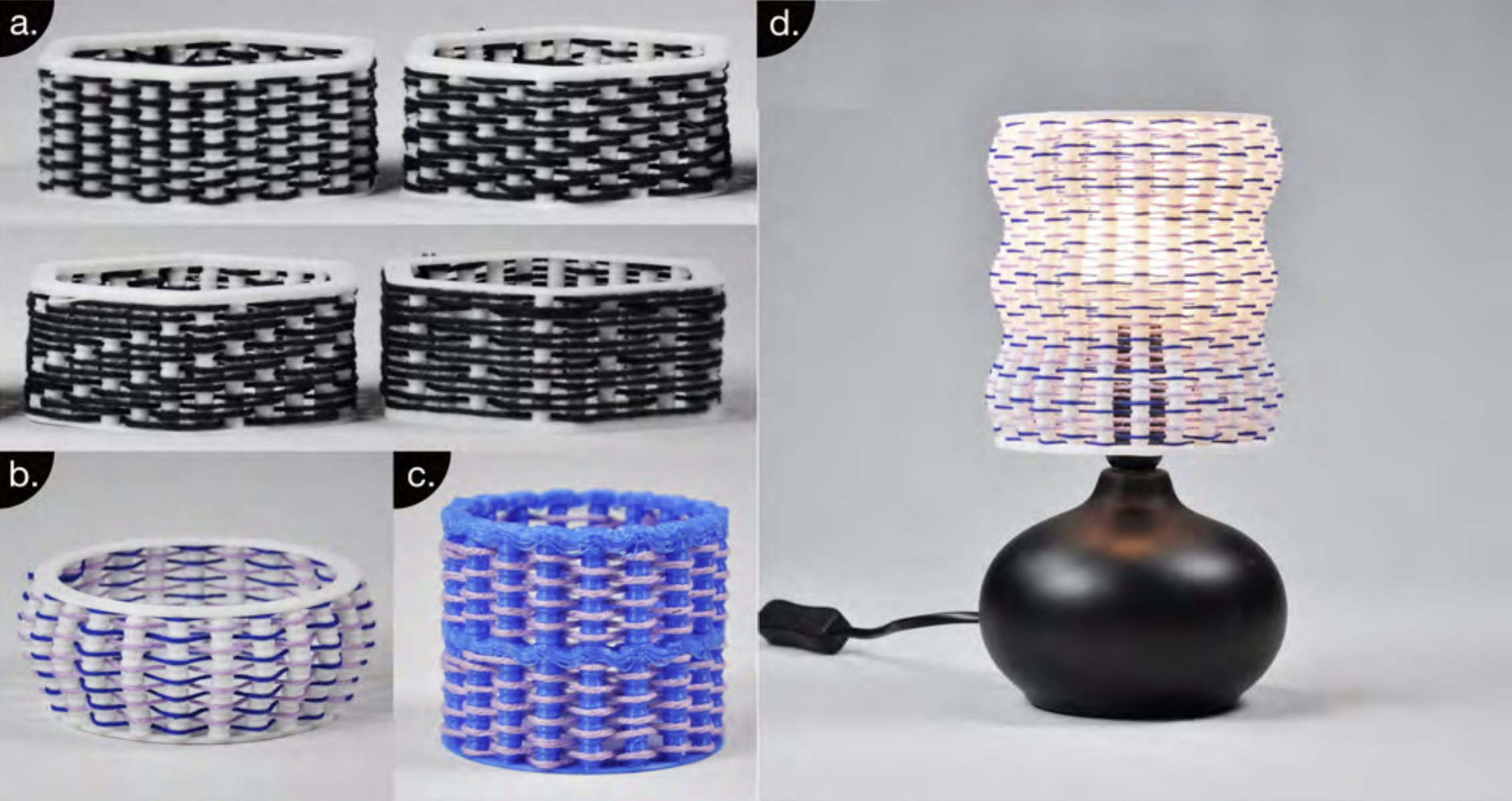
We don’t generally think of 3D printing and knitting in the same sentence. One uses threads and fine motor control, while the other requires great knowledge of pressing buttons and plastics. That said, they both entail stacking material over and over until a finished product emerges. So why not blend the two crafts together? [Joram de Haas] decided to work on just that in the form of FilaLoom. 2D, 3D, and even embedded mechanisms! This isn’t the first time we have seen additional elements…
B
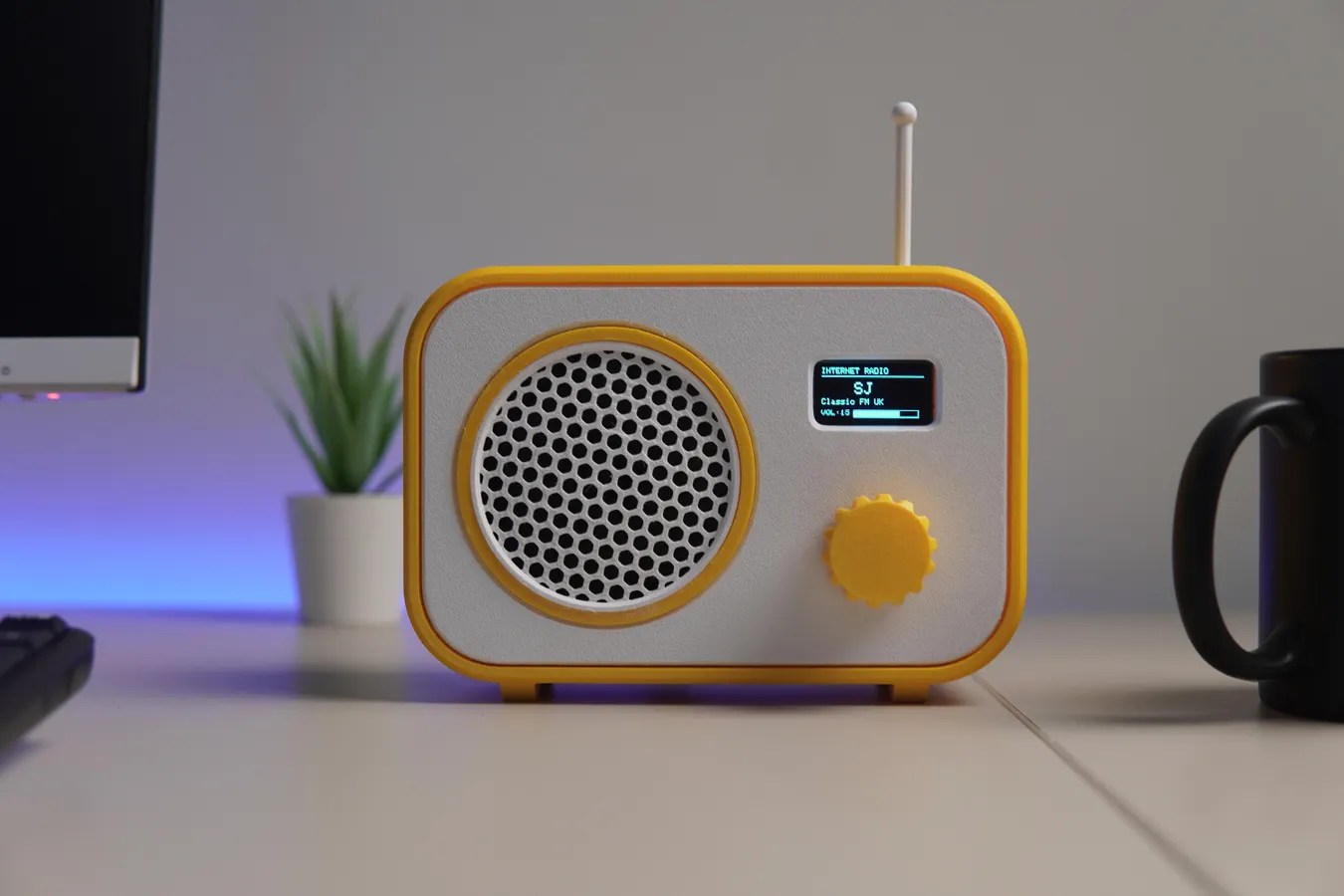
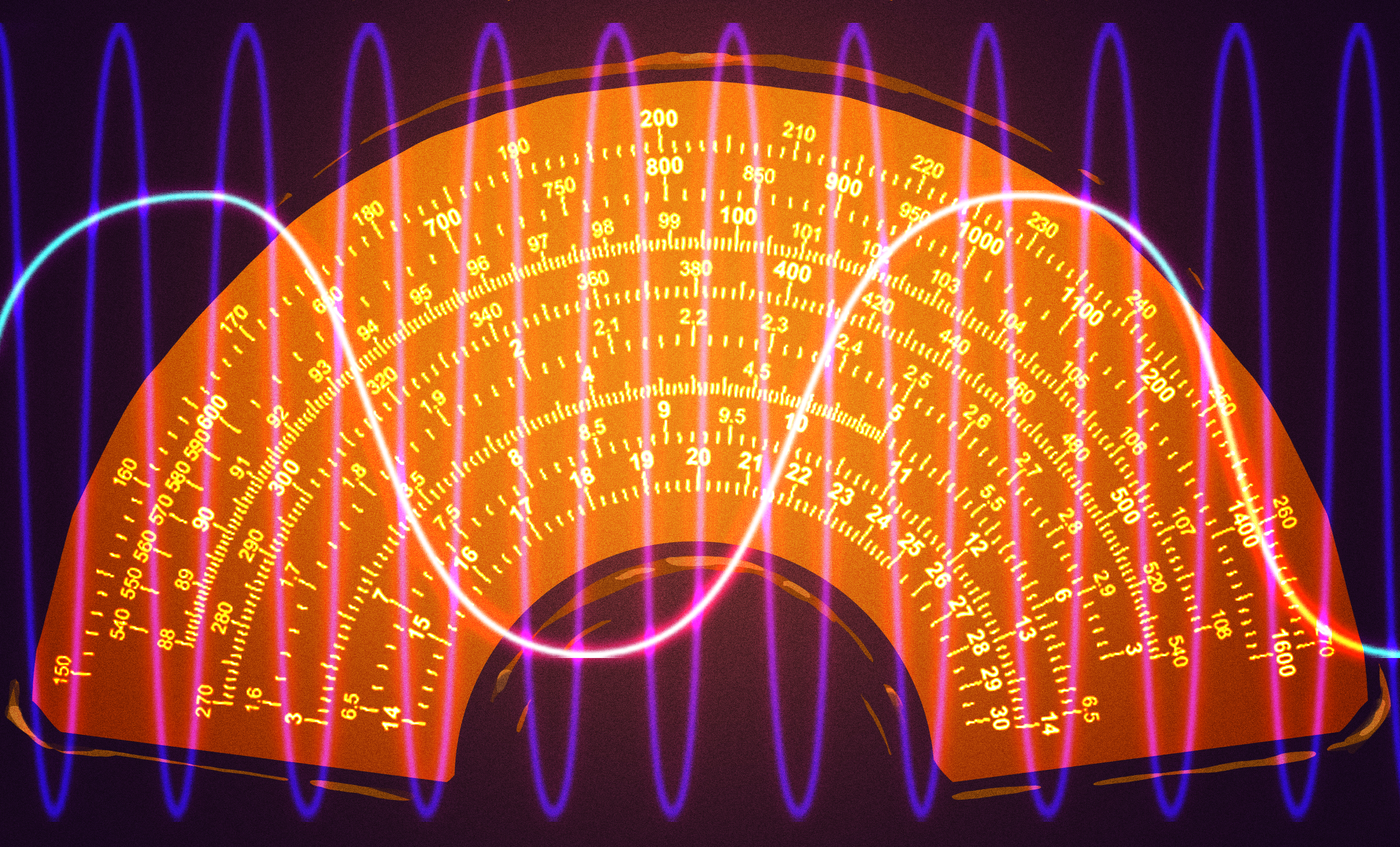
Broadcast radio isn’t as popular as it once was, its popularity suffering in turn due to technologies like MP3 players and music streaming services. If you don’t fancy either of those, you might like to listen to some internet radio stations, using a rig like the one [CodersCafeTech] built. It’s a simple desktop radio set, but instead of tuning in to AM or FM broadcast bands, it has an antenna for 2.4 GHz instead. That’s because inside this radio is an ESP32-S3 development board, which is…
B
I recently got the Amazon Christmas toy book in the mail, and it is definitely the modern version of the Sears Christmas Wish Book for last century’s youth. Or at least the majority of last century’s youth. For the true hacker, we had a different set of wishes. Recently, I found something I’ve clung to for over 50 years: the 1975 “The Age of Altair” catalog from MITS. Now that was a wish book! The poor thing has been dragged around for decades and, I’m sad to say, it looks it. It isn’t totally…
B
One of the often made claims about plastics is that they are chemically inert under most conditions, such as when exposed to water. This long-held belief has also challenged the notion that micro- and nanoplastics (MNPs) are dangerous to organisms such as us human animals. A hitherto unknown mechanism between common plastics as investigated by [Naixin Qian] et al. and published in Nature serves to generate highly reactive hydroxyl radicals when exposed to water. Hydroxyl radicals (HO•) are the…
B
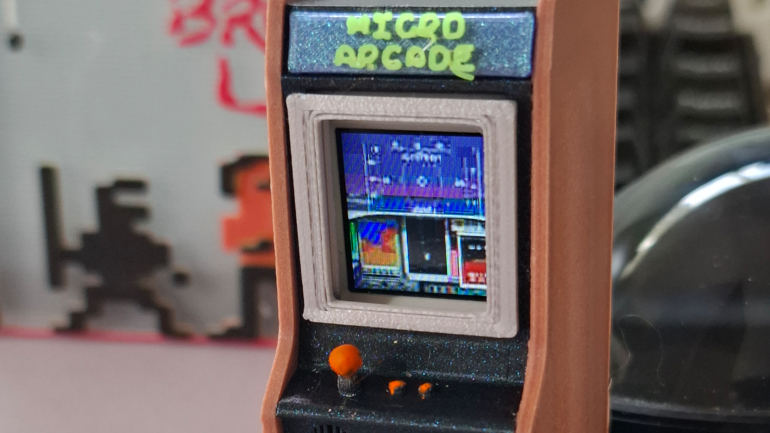
Classic DOS games never ran from within stand-up arcade cabinets in dollhouses, but [Juha Lilja] imagines a world in which they did. His Micro DOS arcade cabinet is described as a device that “runs nothing” because the tiny unit is actually streaming the games over Wi-Fi from a nearby PC. That doesn’t mean it’s just a glorified movie player, though — the cabinet is playable, if a bit awkward to do so. An economical development board and a 3D-printed enclosure is all it takes to put classic DOS…
B
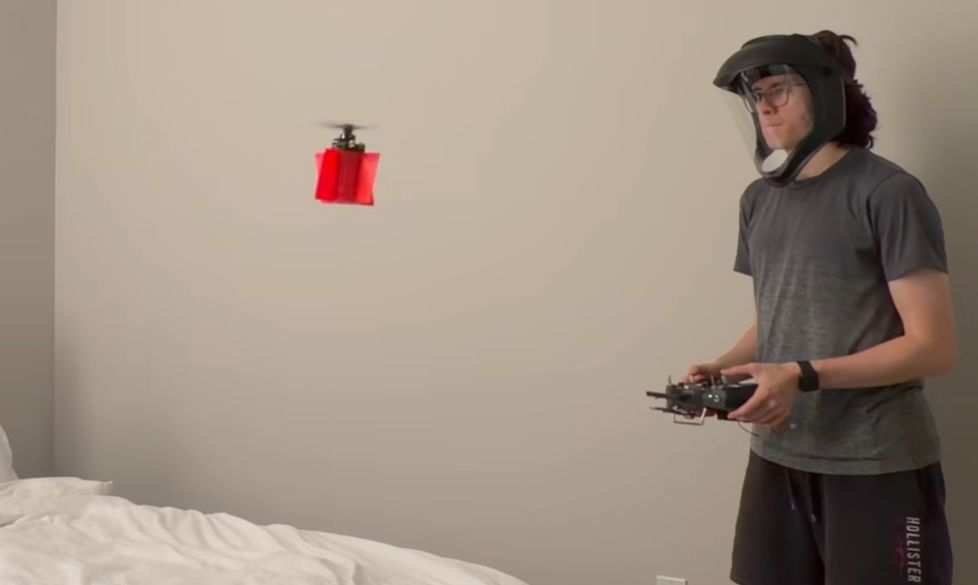
Technically all that you need in order to make a drone fly is a single motor and single propeller, but realistically it becomes basically impossible to fly it at that point. In the case of helicopters you therefore need a second rotor somewhere to provide counterbalance to the first and to be able to steer. There are of course a number of ways to make a drone fly with a single helicopter, but the compromise usually is to use very large propellers, as well as other mechanisms that make for a…
B
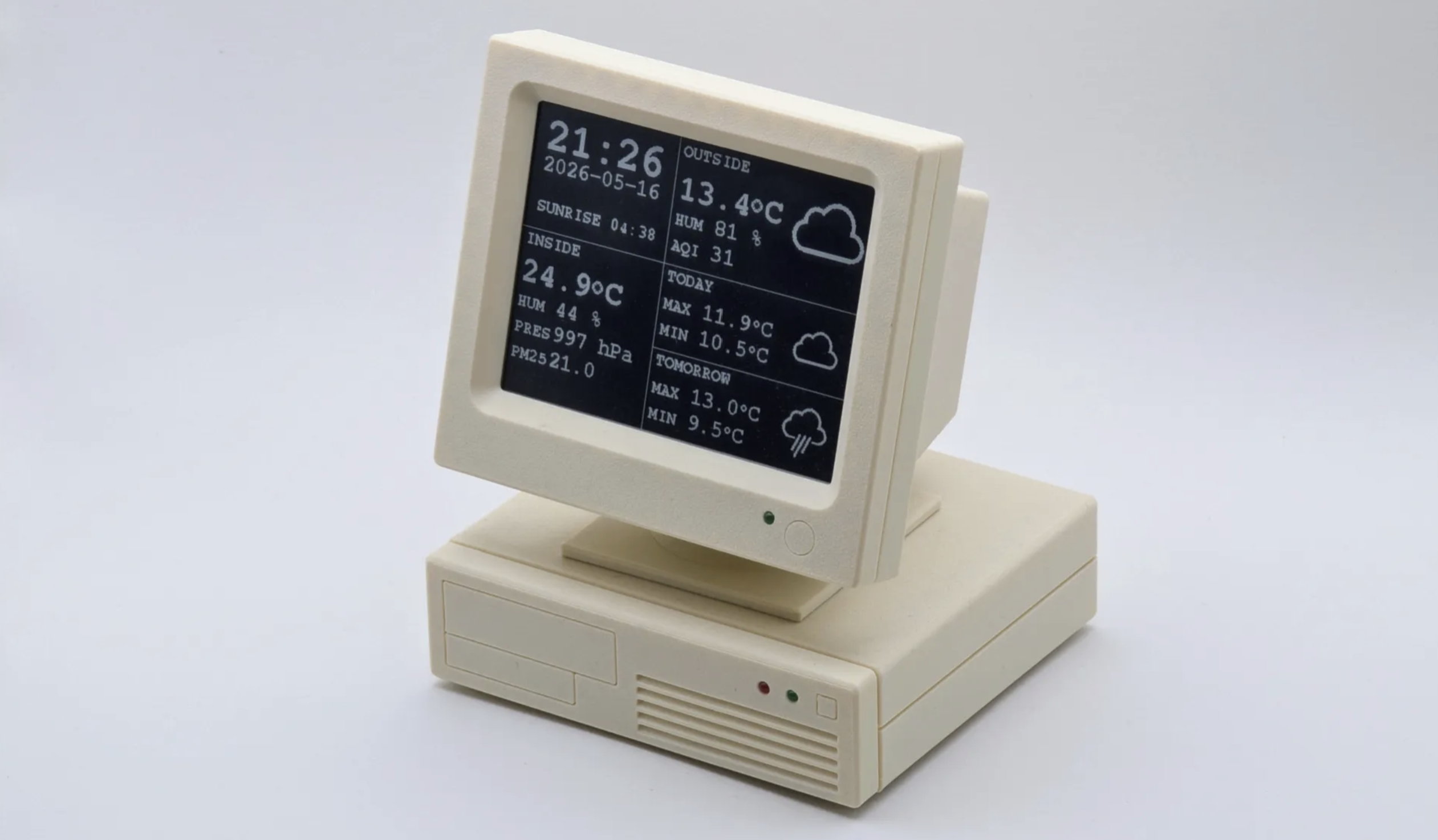
Modern computers are towers of glass and metal with very few large deviations from one to another. Monitor A will go against B, except you can’t tell them apart unless they’re on. At least, that is, compared to how different the old bulky monitors look compared to the new. [Andrzej Górski] seems to agree with this sentiment with his Oldputer, a blast from the past. [Andrzej Górski]’s inspiration came from one component, and the main component of the project, an old e-ink display. When life…
B
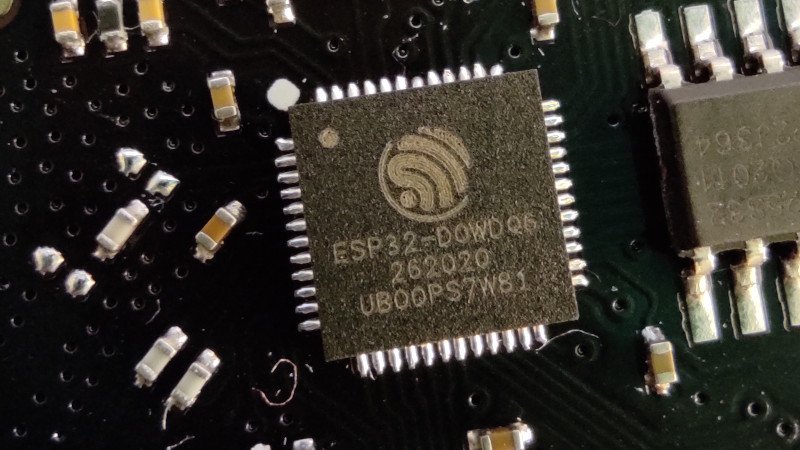
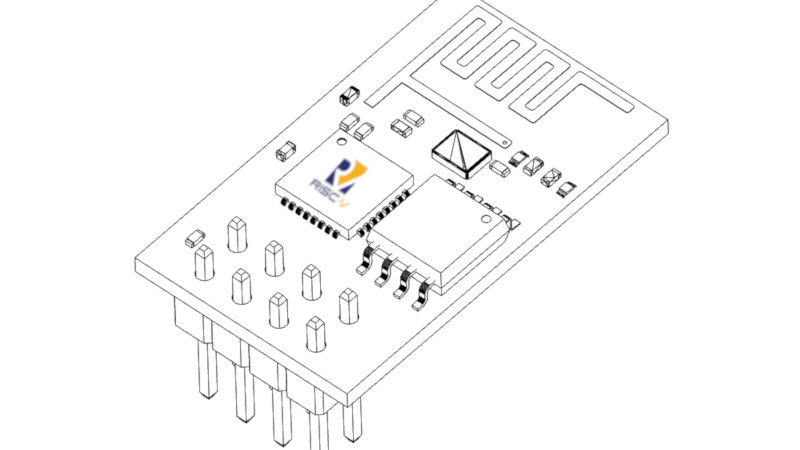
To quote commenter [douyarou], “It’s like our little version of a Precambrian explosion”. A bunch of hackers have discovered, independently and building on each other’s work, software-defined radio (SDR) capabilities in more places than you can shake a stick at. It all started with [Espargos] and [h0m3us3r] apparently independently discovering that the ESP32 family of chips had a “secret” debug mode that allowed direct access to the radio that’s normally used for WiFi. While the 2.4 GHz radio…
B
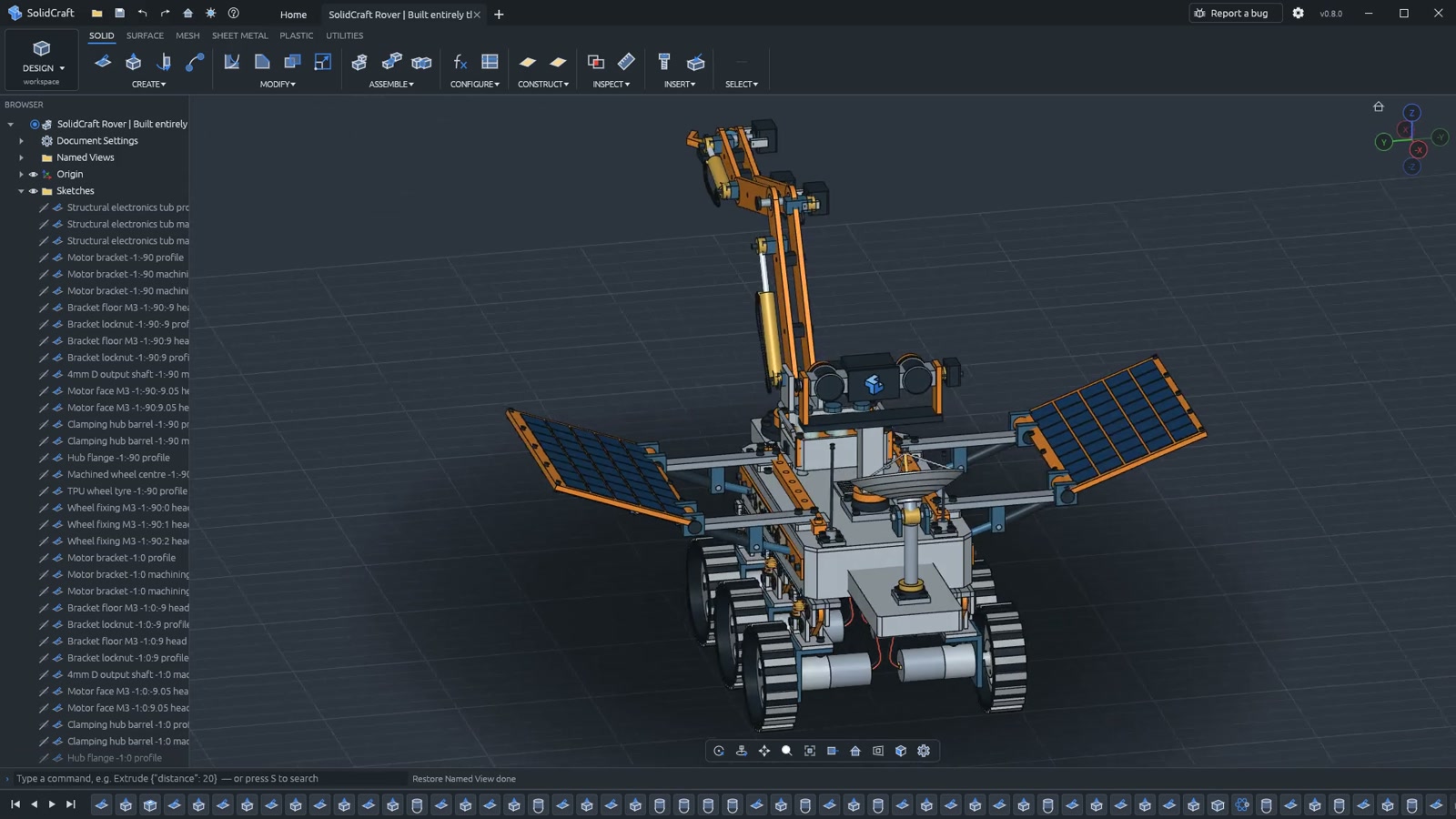
If you’re looking to try a new, open source 3D modeling CAD suite, especially one with automation-friendly interfaces, take a look at SolidCraft. It’s under development but there’s support for all the usual features like sketches, solid modeling, and constraints as well as a full parametric feature timeline. SolidCraft offers desktop, browser-based, headless CLI, and MCP interfaces. A parametric timeline essentially means the model exists not as a single discrete object, but as the sum of a…
B
There’s a tendency among cherished brands to licence their name and logo onto all sorts of novelty items in order to make a quick buck. Joining this trend is the guitar maker Fender, who have lent their name to a chopping board in the shape of their famous Telecaster. The existence of such a product seems to have been a direct challenge to [Not A Luthier], who promptly bought one and turned it into a real guitar. It’s a genuine Fender, but is it a genuine Fender guitar? Not really, but it’s an…
B
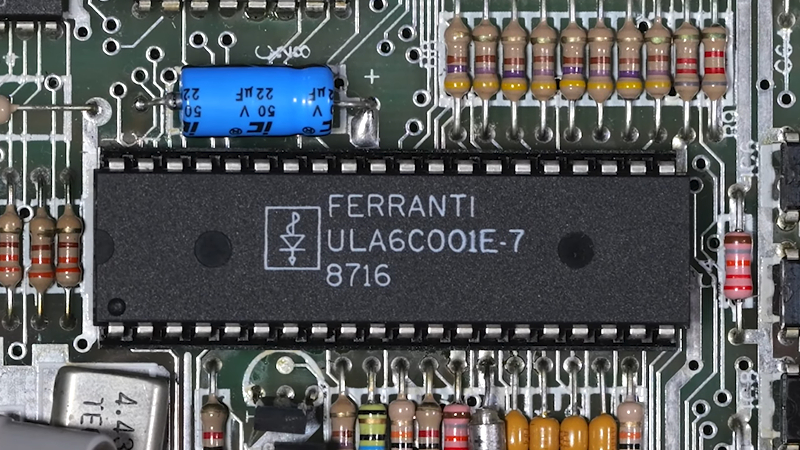
In the 8-bit home computer boom of the early 1980s, Sir Clive Sinclair’s machines were always among the cheapest on the market, often packing a surprising level of sophistication in their limited hardware. If there was one component that was key to their success it was the Ferranti ULA, or Uncommitted Logic Array, a clever way to make an ASIC from a chip containing a library of logic parts ready made. The Sinclair ULAs have been reverse engineered, but their full details have remained a…
B
Since we last covered the way that the Linux Kernel project has been dealing with the influx of code created using LLM-based coding assistants, all the way back in April, things have changed a lot, with most recently the Linux maintainers deciding to fully drop the requirement to mark LLM-assisted commits with the Assisted-by tag. While not a fully uncontroversial decision – as also reported by Phoronix – with key maintainers already having made this decision it seems certain to proceed. This…
B
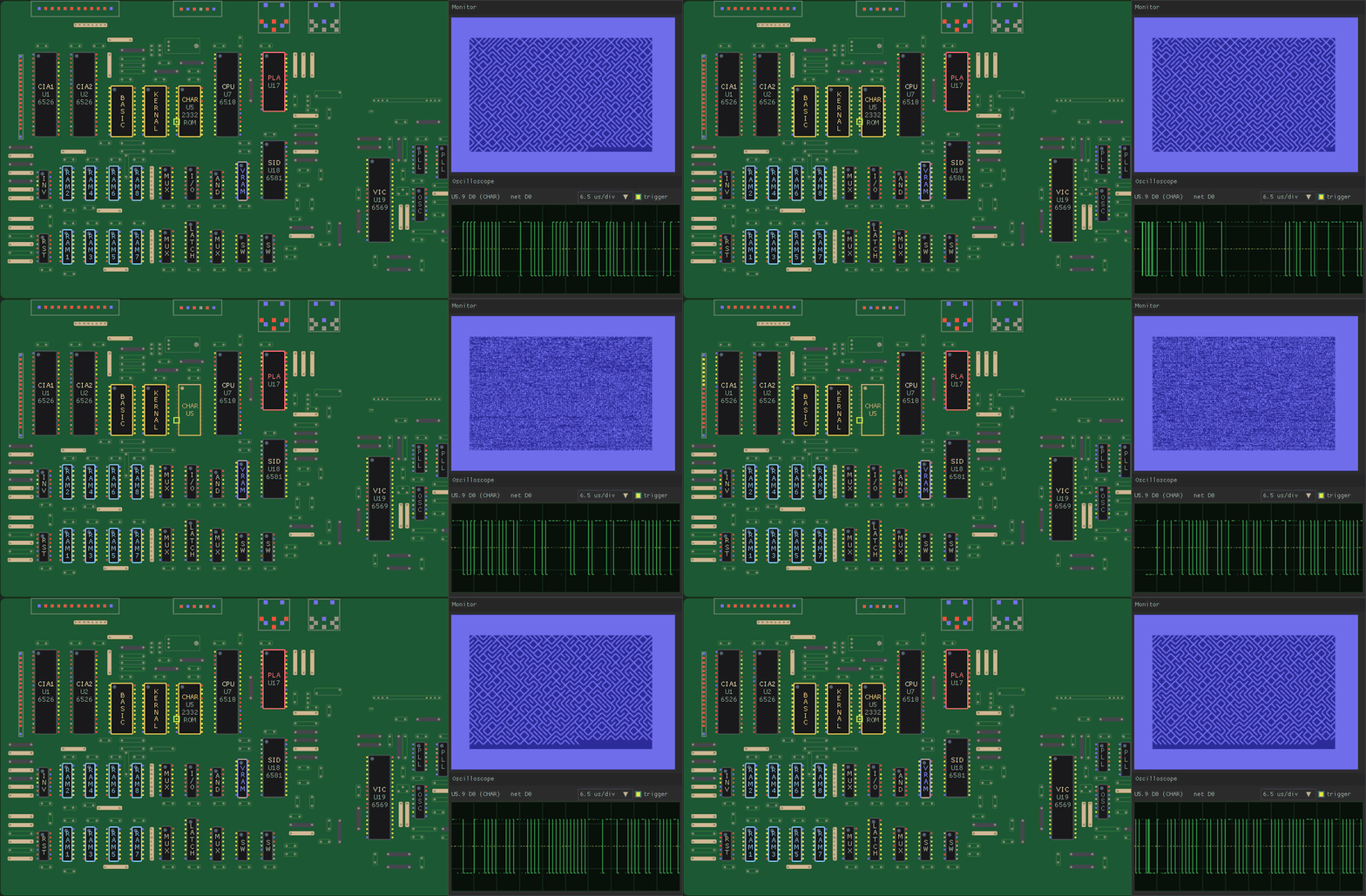
If you want to play old Commodore games, there are C-64 emulators available for just about any platform– but most of them are so high level, they’re really meant for just that: playing games. [antirez] has a different goal with his c64-hw-sim project— it’s a lower-level emulation that simulates every chip and every connection on an ASSY 250407 motherboard, and all the chips on it, too. Ever wondered what happens when a specific chip is missing, or a random pin is shorted to ground or forced…
B
Vampires aren’t as common as they once were, but in most places they aren’t fully protected and it’s still possible to get a tag for legal hunting come October — at least if you’re using traditional weapons, like a good old wooden stake. [This Old Tony] on YouTube didn’t have a good old wooden stake handy, but he does have a machine shop. Does he turn stakes on a lathe? Hardly. He turns an aluminum block into a giant pencil sharpener so he can use his drill to make vampire-removers out of any…
B
Perhaps the most exciting news of the past few weeks in the world of hardware hacking has been the unlocking of hidden SDR functionality in the Wi-Fi radios found on Espressif ESP32 microcontrollers. They can be used as both transmit and receive SDRs, and given that it’s early days for this hack we expect that great things are yet to come. There’s one snag though, despite speculation that they might be dragged down to much lower frequencies, as far as we know they’re only proven to work around…
B
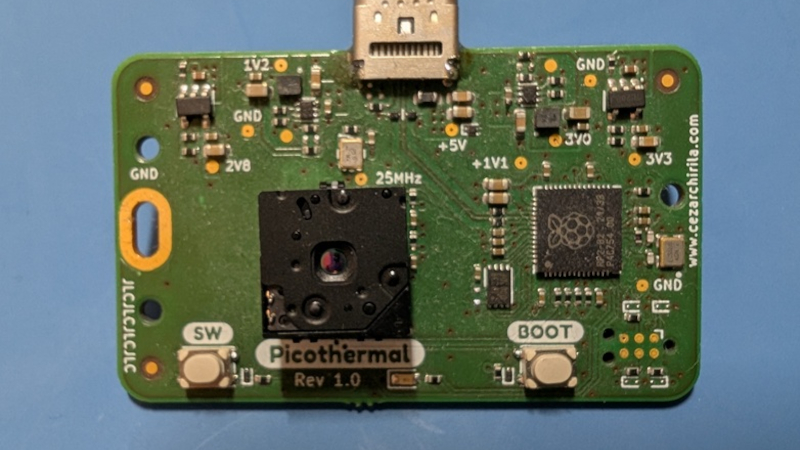
When creating a peripheral for a mobile phone, an obvious path is to create a companion app with which to talk to it. But as we all know today’s app is tomorrow’s non-functional abandonware, so to give his infrared camera a long life, [Cezar Chirila] made it talk WebUSB to a browser instead. The hardware is conventional enough, a FLIR sensor talking to an RP2040. There’s very little in the way of supporting circuitry save for a power supply regulator, as so much that might be on a standalone…
B
The Soonpho M7 Pan Tilt Head is a useful photography tool for remotely aiming a decently-sized camera. Only, [Kyle Housley] wanted a little more control than was available out of the box. Hence, he built a custom controller that could deliver just that. The project is based around an ESP32-S3 paired with an NRF24L01 wireless module. The ESP32-S3 is hooked up to a computer to receive commands over serial on what movements to make. It then transmits over the NRF24L01 to another NRF24L01 module…
B
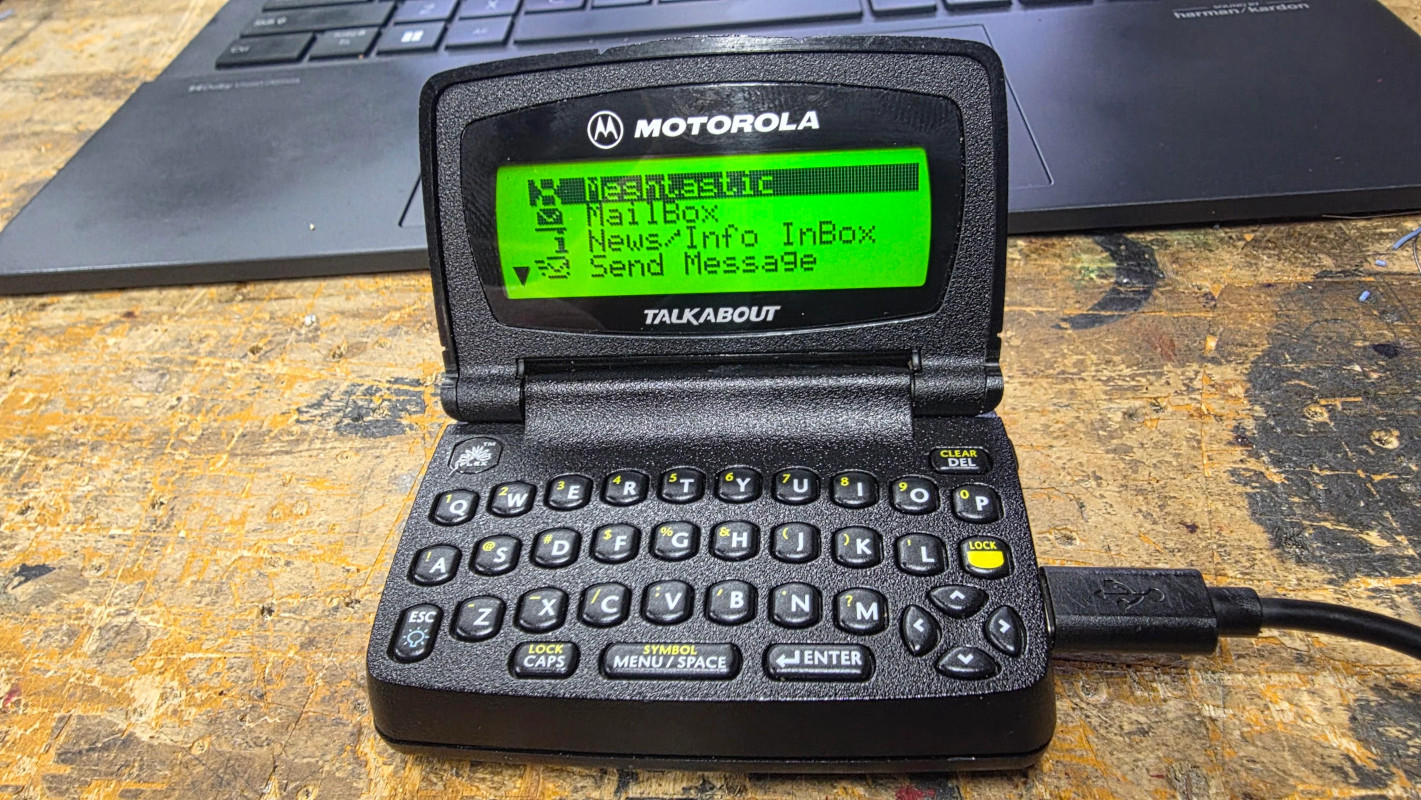
Text messaging has been around on cellular networks en masse for around three decades now. It’s so common that it’s difficult to remember a time without it. Its two-way quick messaging is incredibly useful, but for even simpler communications there’s a one-way system that predates it. Pagers are able to receive simple messages, but outside of hospitals are rarely used nowadays. Eventually some added in two-way communications like this Motorola T900, but they’re still mostly obsolete. That’s why…
B
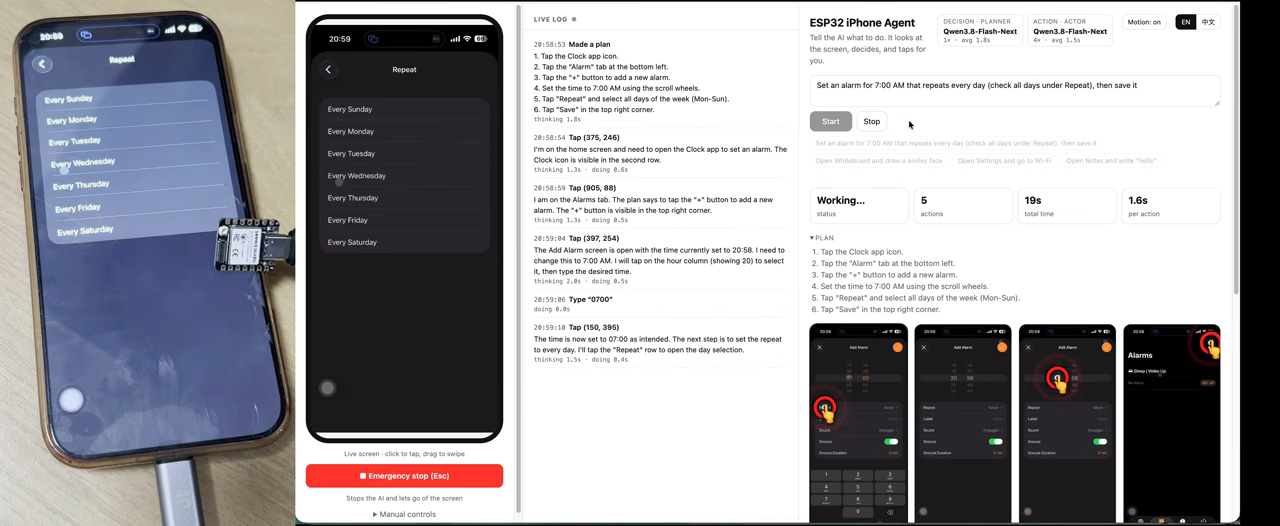
Do you want to get an AI agent to do something to an iPhone? You could try and jailbreak the device and do some heavy software hacking, or… you could grab a microcontroller off the shelf and have it do the hard work. [Henry Yuan] explains how to achieve this with an ESP32. The first step is getting an AI agent access to the current state of the phone screen—which [Henry] achieves with AirPlay screen mirroring and UxPlay. A Gstreamer pipeline is then used to feed the screen as a JPEG stream to…
B
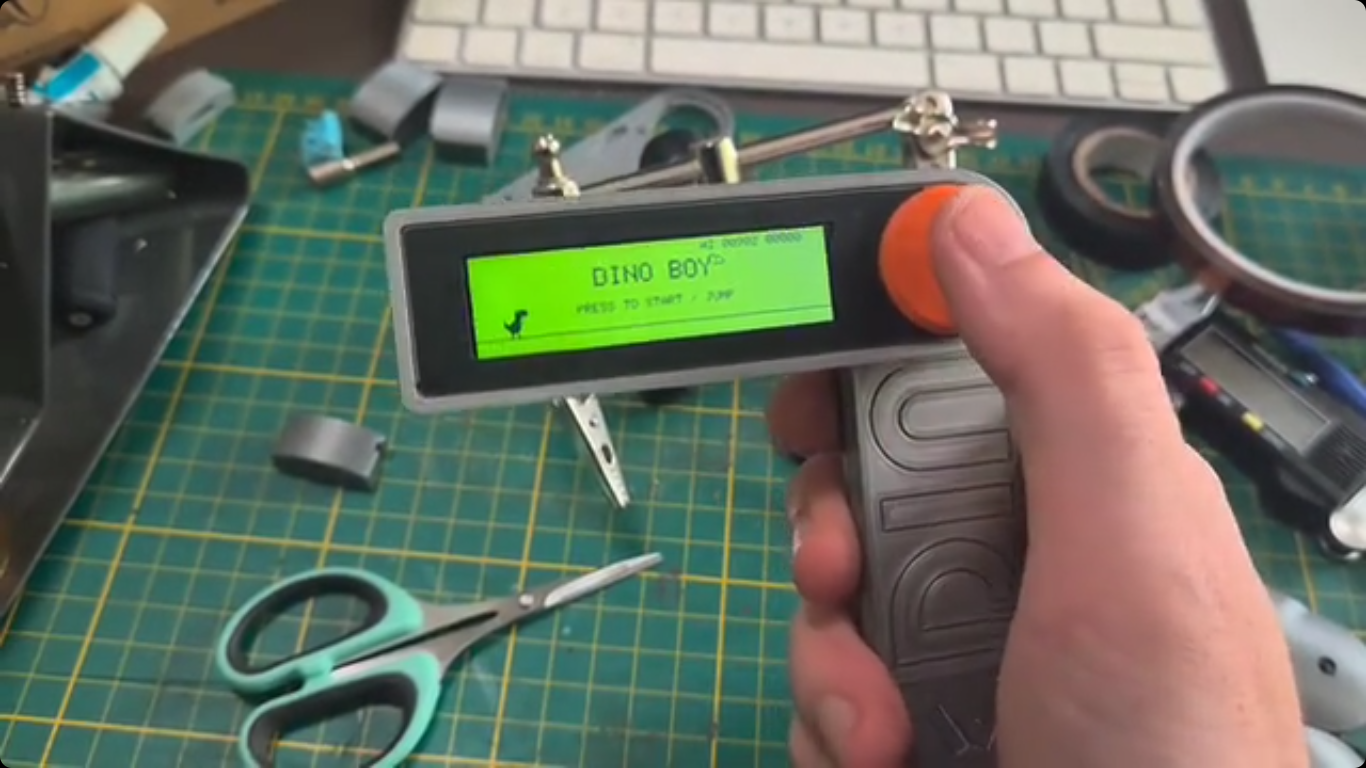
Those of us who grew up in the 70s and 80s might be familiar with the Atari 2600 console and its now relatively unrecognizable (by modern standards) controller with only a single button and stiff whole-hand joystick. By comparison, the Steam Deck has somewhere around 24 buttons and two joysticks depending on how they are counted. But even the Atari might be providing more user inputs than are really necessary for quality gaming. Take a look at the Dinoboy, a handheld console with only a single…
B
Generally the DVB-S and -S2 standards require a satellite somewhere in Earth orbit to provide a signal to receive, but you can also transmit your own DVB-S2 stream with any RF transmitter if you’re so inclined. Courtesy of recent breakthroughs in using the RF hardware of the ESP32 on a raw level, [SP8ESA] has created the ESP32-DATV project using which you can broadcast a DVB-S2 signal using an ESP32-C3. While a host PC side application handles the heavy lifting of turning the input video signal…