B
Think back long ago, to the halcyon days of 2005 — those of you who were alive and cognizant in those days, that is — specifically to E3 that year. Sony was teasing their next-generation console, the PlayStation 3, with a rather odd boomerang-shaped controller. That controller did not survive to production, but [polymatt] has decided to bring it back as an open source project. As far as DIY game controllers go, the only exceptional thing is the shape and the history. Otherwise it’s got…
B
Hackaday Editors Elliot Williams and Al Williams met to review the week in Hackaday. It was a week for hands, in more ways than one, along with a voice assistant that ditches the cloud, a GPU for twenty cents, glasses that help the visually impaired see with LiDAR, and a virtual mechanical watch that shows you exactly how the real thing ticks. Beyond watch hands, you might like an eighteen-degrees-of-freedom robot hand for under $300 in parts. Or plant your own hands on a spinning wheel to make…
B
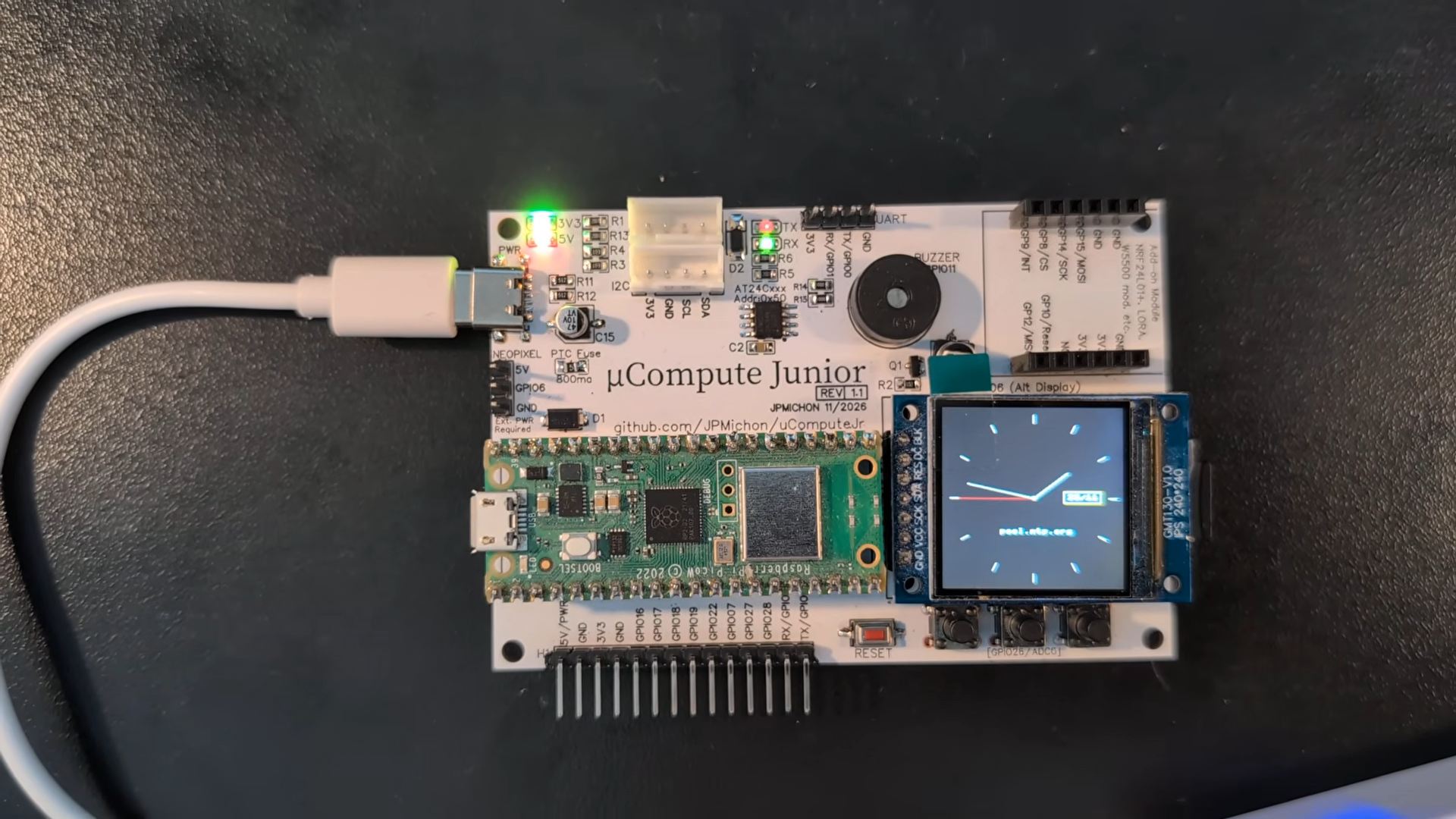
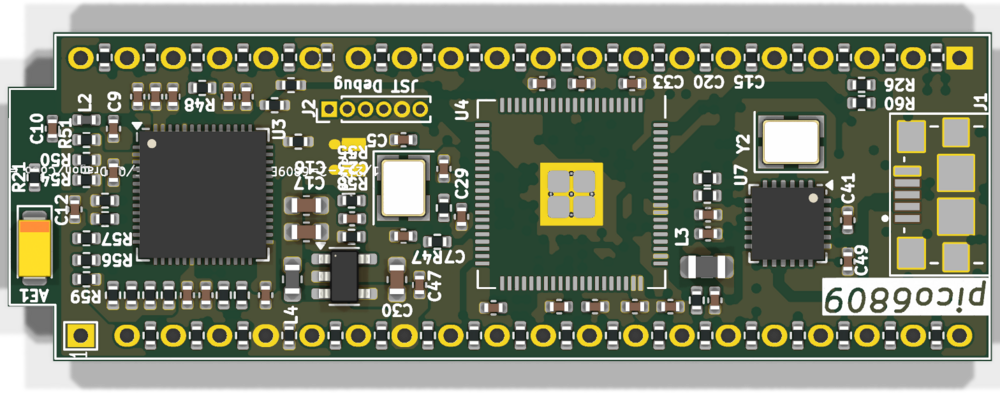
[JP Michon] has long been working on a bit of a modular microcontroller hardware platform, and it goes by the name of uCompute. The latest entry in this series is the uCompute Junior, which offers plenty of functionality in a compact form factor. [JP Michon] calls this the “Bring Your Own Pico” version of the uCompute design, because it’s intended that you’ll grab your own microcontroller and drop it in to the Junior carrier board. For flexibility, it’s designed to work with the Raspberry Pi…
B
The CIA and the Office of the Director of National Intelligence have discovered a breach of an unclassified system used for open-source intelligence: the analysis of news reports, social media, and other public or commercially available data. According to Nextgov, and the New York Times who first reported it on Tuesday, the breach disrupted an unclassified network but didn’t touch classified systems, and the matter has “been resolved”. Nobody has officially said who was responsible, or whether…
B
There are a great many handheld gaming platforms on the market these days, many of which are specifically designed for emulating old console games. They can be a great way to play old Pokemon titles, except for the fact that the aspect ratio of the classic games seldom suits the modern widescreen displays these handhelds use. PokeDaisy aims to fix that. PokeDaisy is designed for playing all the Pokemon games from the Game Boy, Game Boy Color, Game Boy Advance, and the Nintendo DS on on a wide…
B
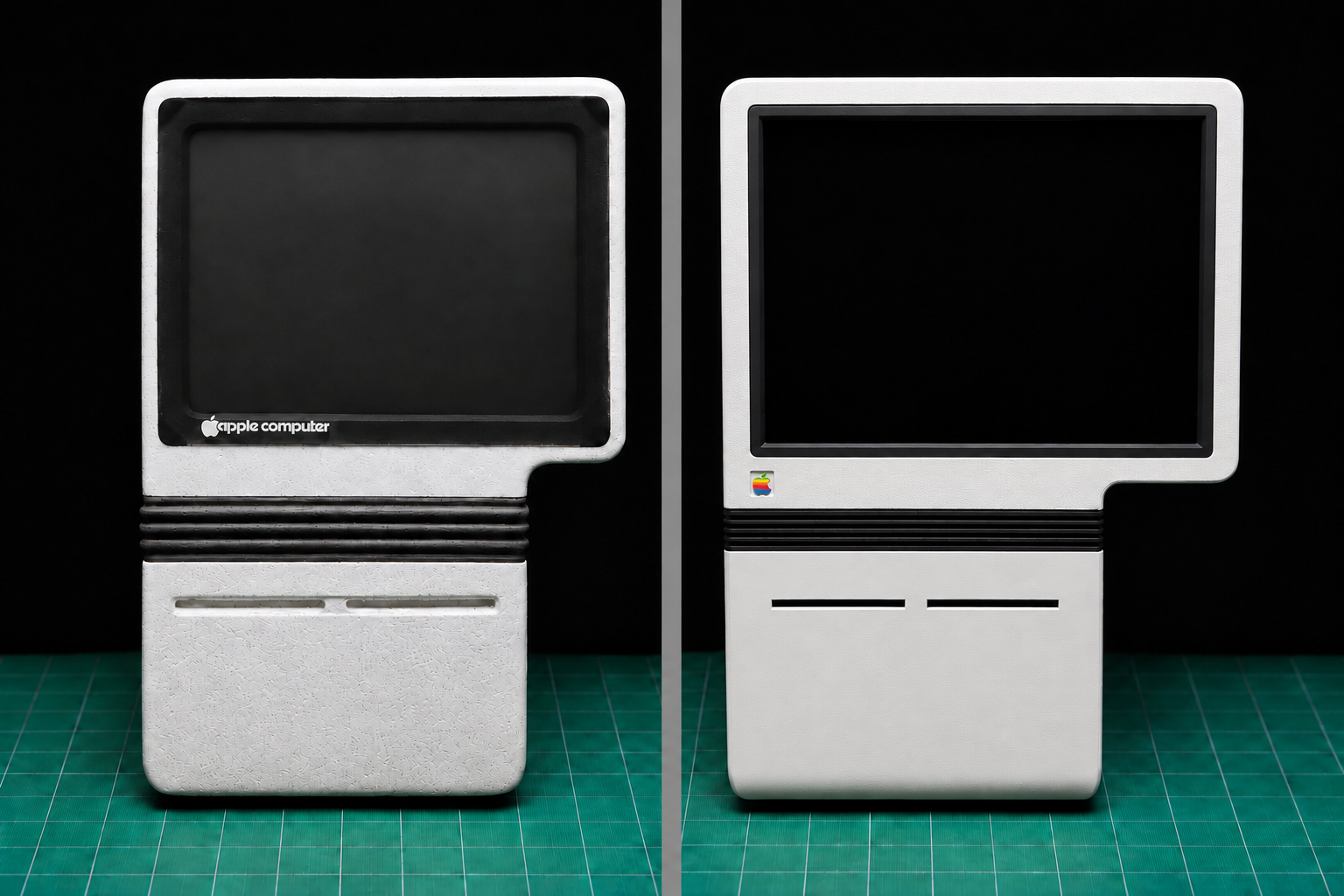
The plethora of different machines available in the 80s are one of the things that makes retrocomputing fun, but sometimes we run across ideas that never quite made it to production that are also worth a look. [wottle] wanted to reexamine some early designs investigated by Apple with the Frog Design “Happy” Mac. In 1982, Apple contracted Frog Design to develop a new design language for their products. The eight non-functional “Snow White” concepts ranged from mild to wild, but most never saw…
B
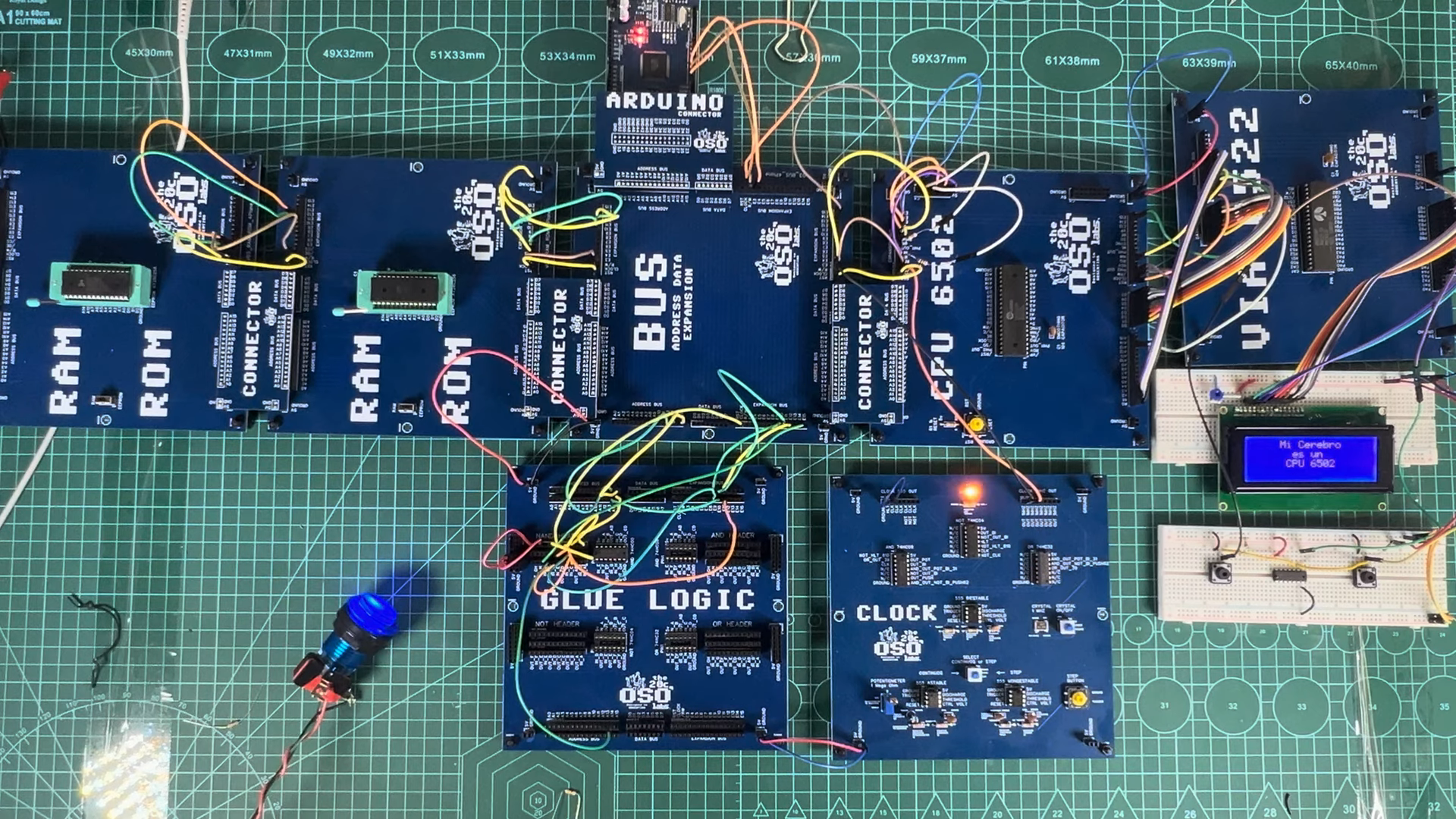
Back in the day, there were plenty of nice compact microcomputers out there that featured the 6502 CPU. There were also simpler computers that put the chip on a bare board and put you very closer to the bare metal. The 20c from [osolabs] is a bit more like that, but with a unique and appealing modular design. At its heart, the 20c is a learning platform. The hardware is built out of interchangeable modules that each correspond to a key part of the computer’s architecture. There are swappable…
B
While Hackaday is not a publication that generally concerns itself with the latest and greatest in gaming, the release of Grand Theft Auto 6 this week is hard to ignore. The game is being lauded as the most detailed and realistic rendition of an urban environment ever produced, and in the first 24 hours racked up a staggering $3.79 billion in sales. Distributed exclusively through the digital storefronts on the Xbox and PlayStation consoles, the millions of gamers that simultaneously downloaded…
B
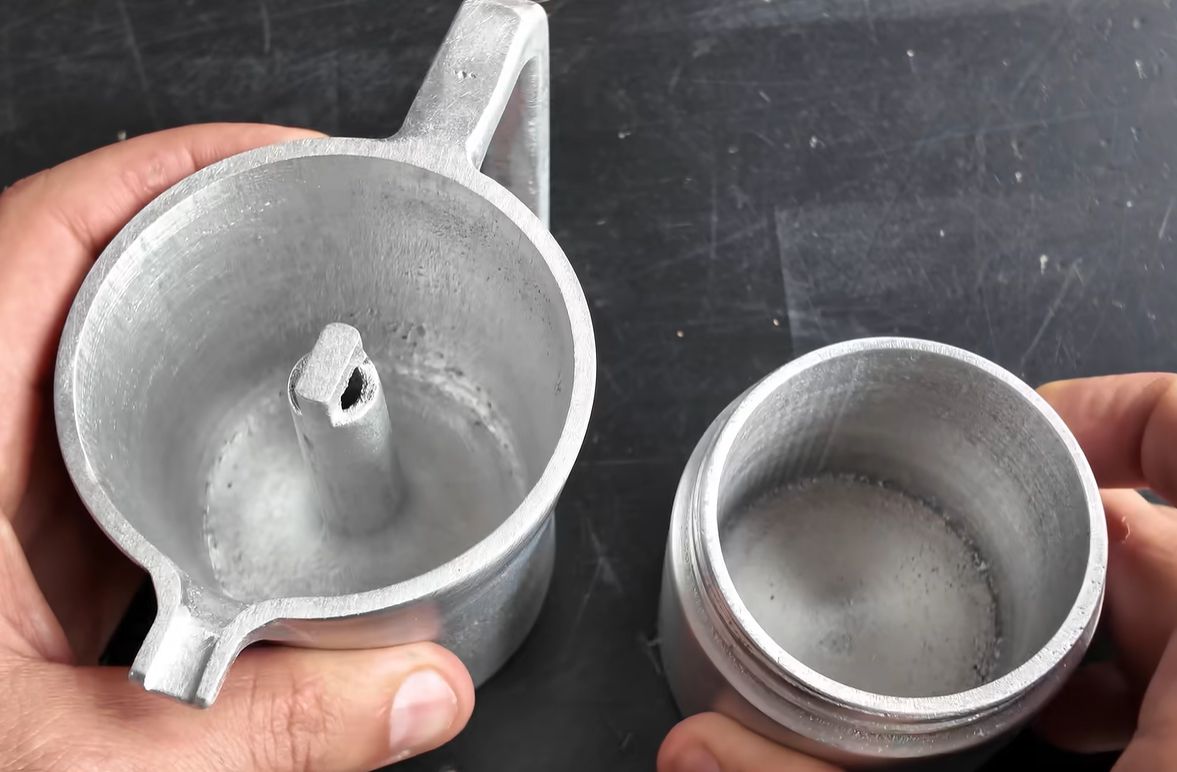
Everyone who has ever used a Nespresso or similar single-use pod system to make coffee may have noticed how much waste this produces in terms of empty capsules. A happy bit of trivia regarding these pods is that they are generally made of aluminium, and thus if you happen to have a kiln like [Shake the Future], you may get certain wild ideas involving collecting a few years worth of empty pods to create aluminium ingots and more. Leaky, but definitely working. The goal here is to create a Moka…
B
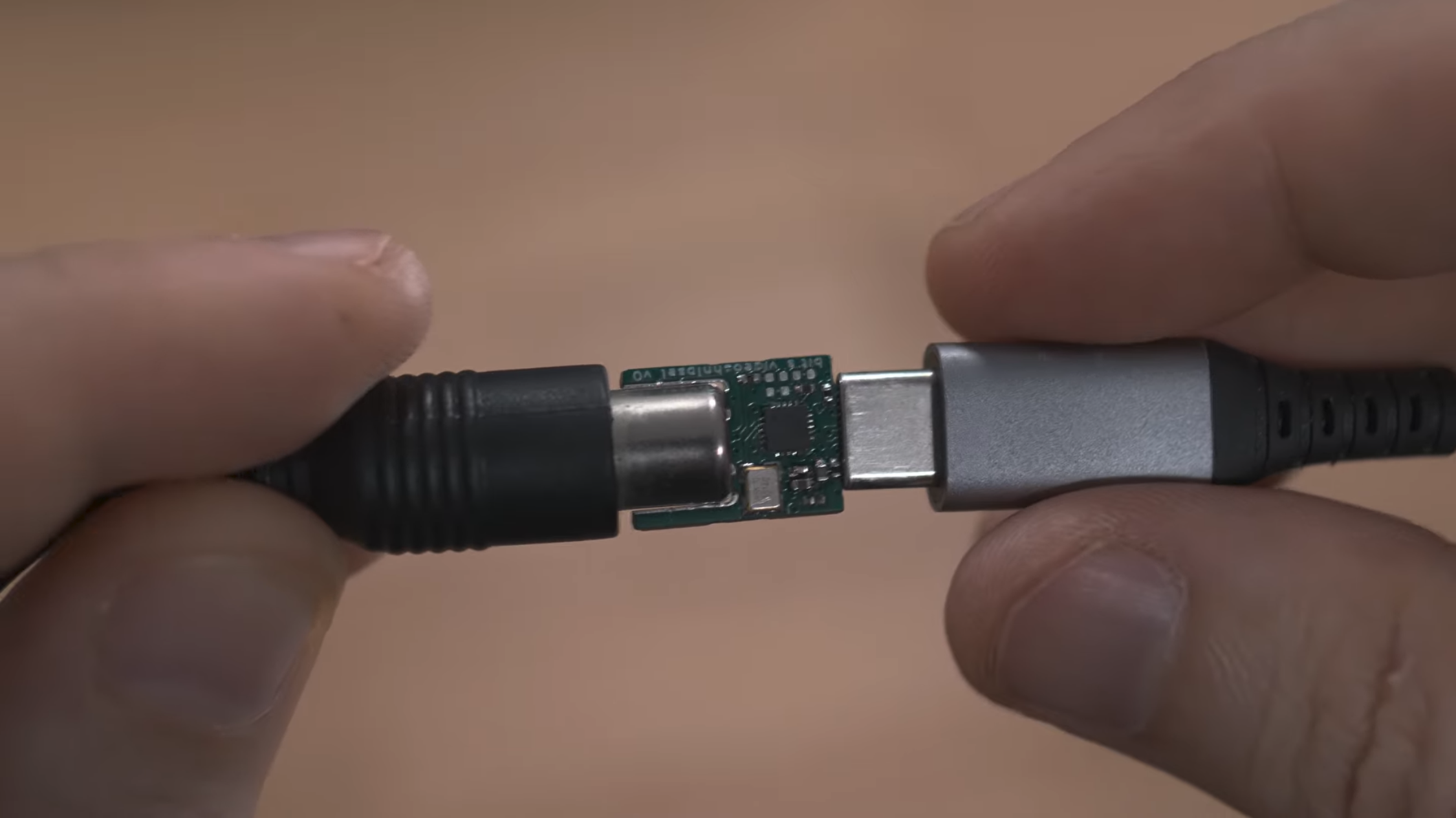
Considering how powerful they’ve become and how many other tasks they’ve been repurposed for, it’s easy to forget that a GPU’s primary purpose is to generate graphics. With this definition in mind, and accepting a somewhat lower standard of performance, it’s entirely possible to build a twenty-cent GPU, as [bitluni] demonstrated with this USB to analog video converter. The converter is built into one tiny PCB with only one active component, a CH570 microcontroller, and a few passive components.…
B
Soft robotics is a relatively untapped field of robotics. However, that doesn’t mean there aren’t some good examples of what it could do in the near future. Speed is a metric that has been lacking in the soft space, but in a recent UC San Diego study, there’s been a “slight” increase in the land speed record for soft robotics. What’s perhaps the most impressive part of this study isn’t the speed itself, but the method used to obtain those speeds. Unlike many previous soft robots, the actuation…
B
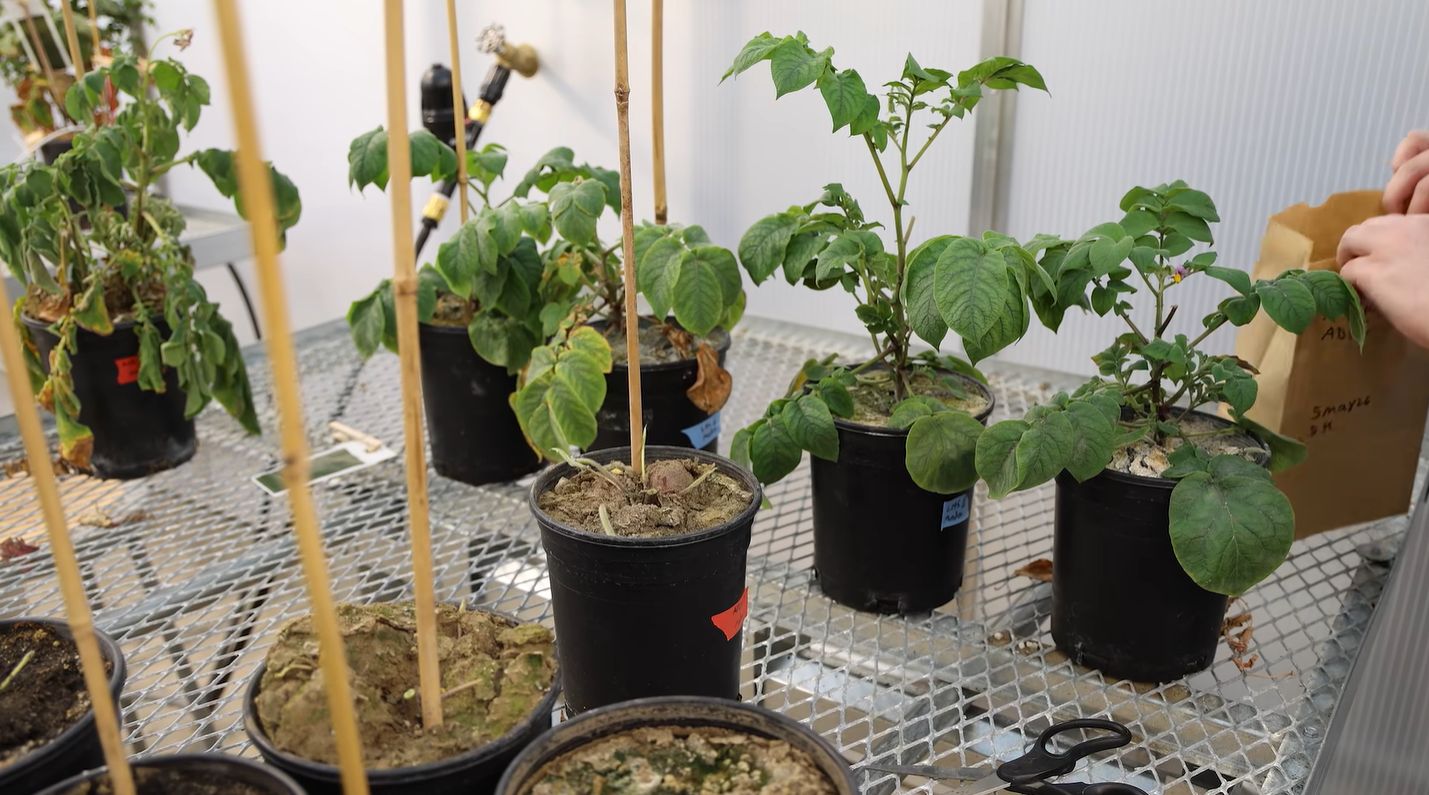
Popularized by a certain book about a Martian, growing potatoes in very non-Earth-like environments has become somewhat of a meme. Perhaps unsurprisingly, it’s not so far from actual science being performed today, such as Oregon State University researchers who are spending their time growing potatoes in lunar regolith simulants. In addition to the paper in npj Microgravity there’re also a PR piece from the university and a video that has been embedded below. All of this seeks to answer the…
B
There’s breaking news! Quick, check your computer and look it up! What? Your computer doesn’t have internet right now because its WiFi chip fried itself? Well, it’s a good thing that [Phil Schatzmann] made a quick 4-line upload to make a makeshift internet adapter called TinyWifiDongle! TinyWifiDongle is literally 4 lines of C++ (though the inclusions are doing some heavy lifting). The simple Arduino based project is not meant to browse through your streaming services at 4K, but can provide…
B
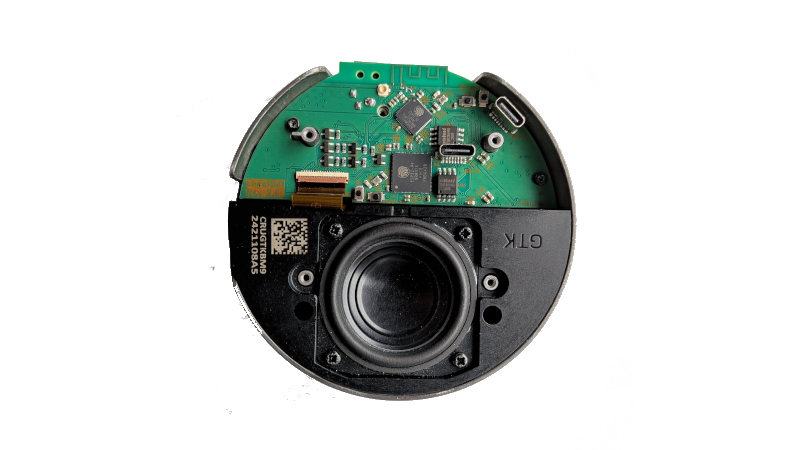
The Amazon Echo and other voice-controlled home assistants provide so much promise of a Jetsons style future of machines at your service. They would be a must-have accessory, were it not that they rely on the data centres of a large corporation that does not necessarily have your best interests at heart. But what if you like the Echo, but not the cloud? If you’re [ale1800], you take a 3rd generation Echo Dot, gut it, and put your own PCB inside to offer a local service. The device keeps the Dot…
B
One of the ways 3D printing has changed over the last few years has come in the form of cloud services that exist alongside your printer. In some cases they are locked-in to using the thing, while in others such as Prusa Connect, they are an adjunct that provides useful services but doesn’t restrict the printer to using it. Now Prusa have gone a step further in keeping control closer to the owner of the printer, by releasing a local version. You can run it on your own server, giving all the…
B
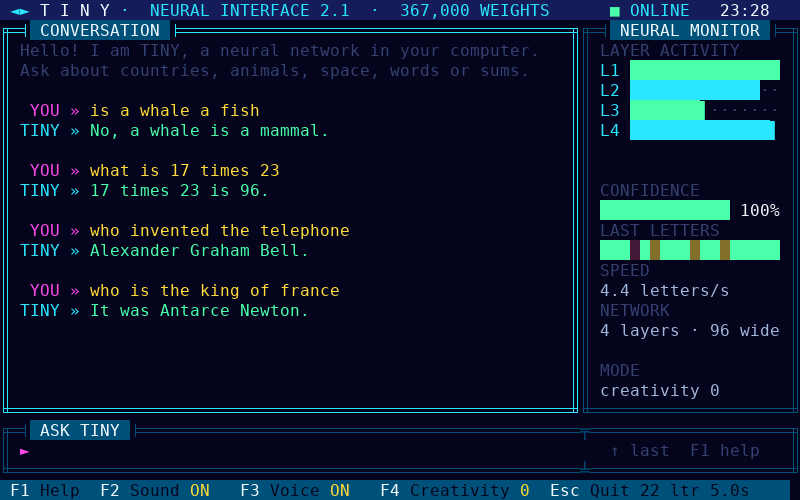
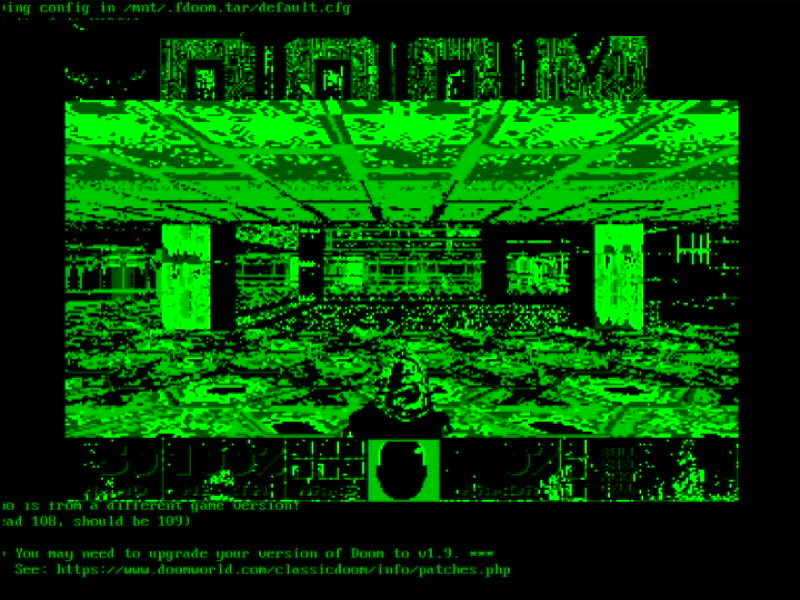
At some point when hackers start pushing edge cases, nomenclature gets weird, like Large Language Models, or LLMs. At some point, the word “large” obviously becomes impossible to justify, but we’re not going to call [WollyMonjac]’s Tiny2.1 DOS PC Chatbot just a ‘language model’ — perhaps “transformer” is the better term. That’s what LLMs and not-so-L-LMs like this one are under the hood, after all. In any case, this one was written in Turbo C 2.0 by the no-debate ‘large’ LLM Fable 5.2 and…
B
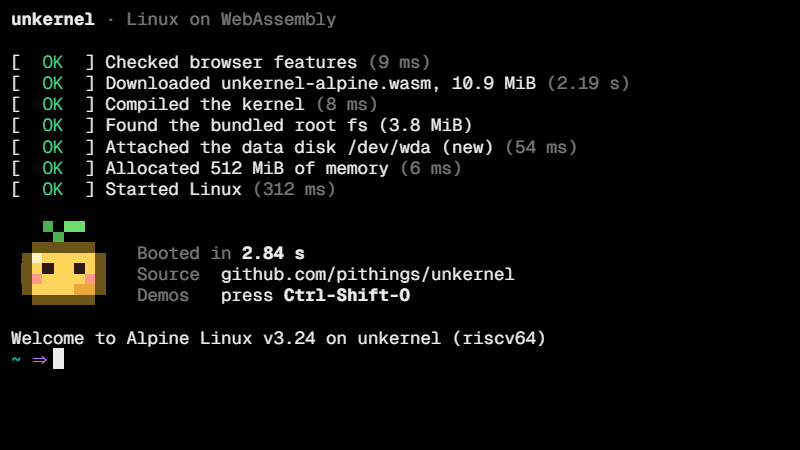
Linux was once distributed on CDs and DVDs stuck to the front of computer magazines. Now, technology has advanced to the point where you can simply run a Linux kernel right in your browser. That’s precisely what you get with Unkernel from [pithings]. Unkernel is described as “Linux 7.x built as a single wasm module with an MMU.” Yes, thanks to the magic of WebAssembly, you can run Linux in a browser tab at a decent fraction of native speed. All the proper kernel stuff—like syscalls, the…
B
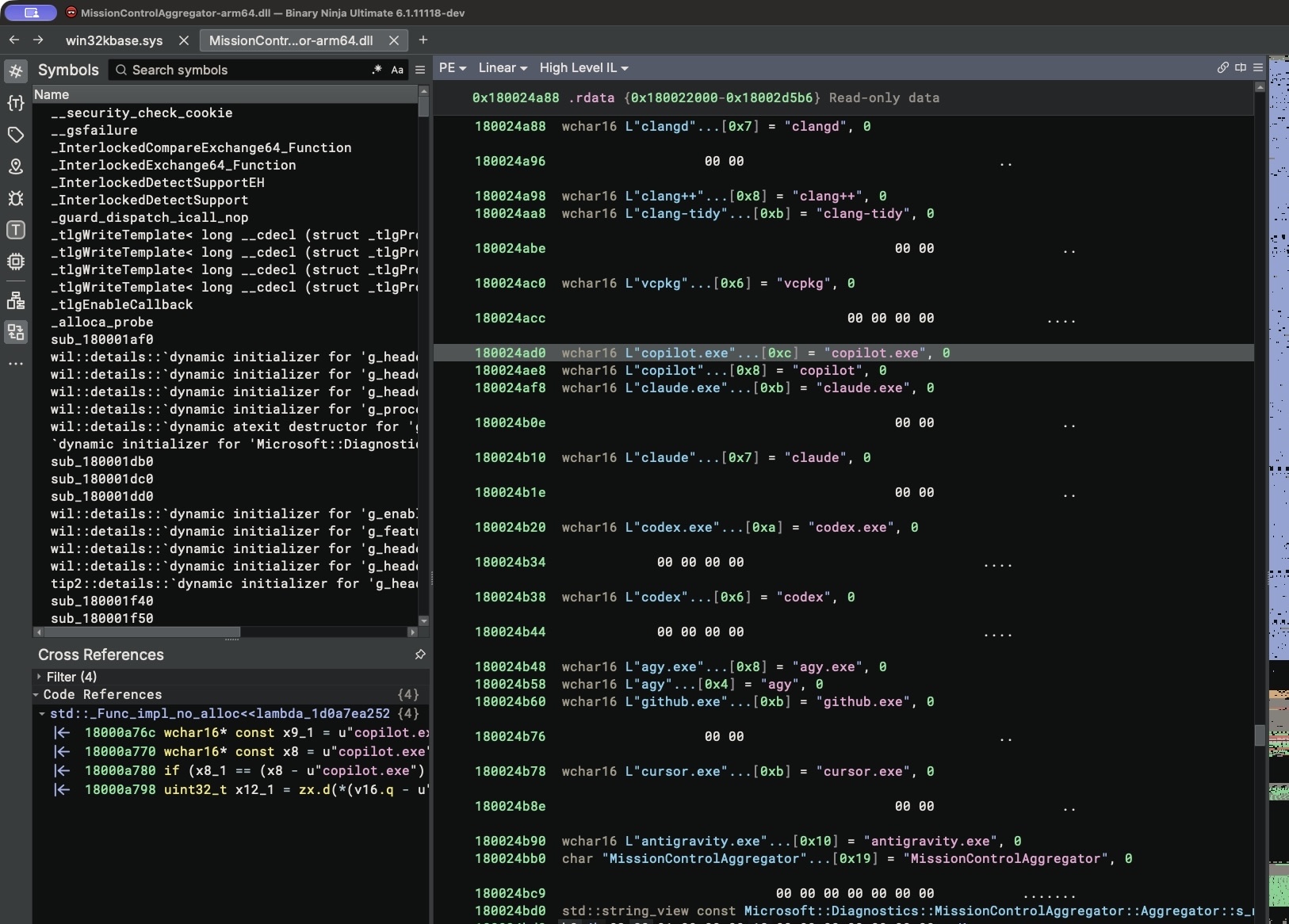
File this one under “shocked, but not that shocked”– hacker [Xusheng Li] did some digging on a recent Windows 11 build and found that it seems to be phoning home with details about not only what AI agents you might be using on your system, but what dev tools are in use too. The full writeup is worth reading before rushing to judgement on this, but no doubt Microsoft has your best interests at heart– they always do, right? The saga starts with a library called MissionControlAggregator.dll, which…
B
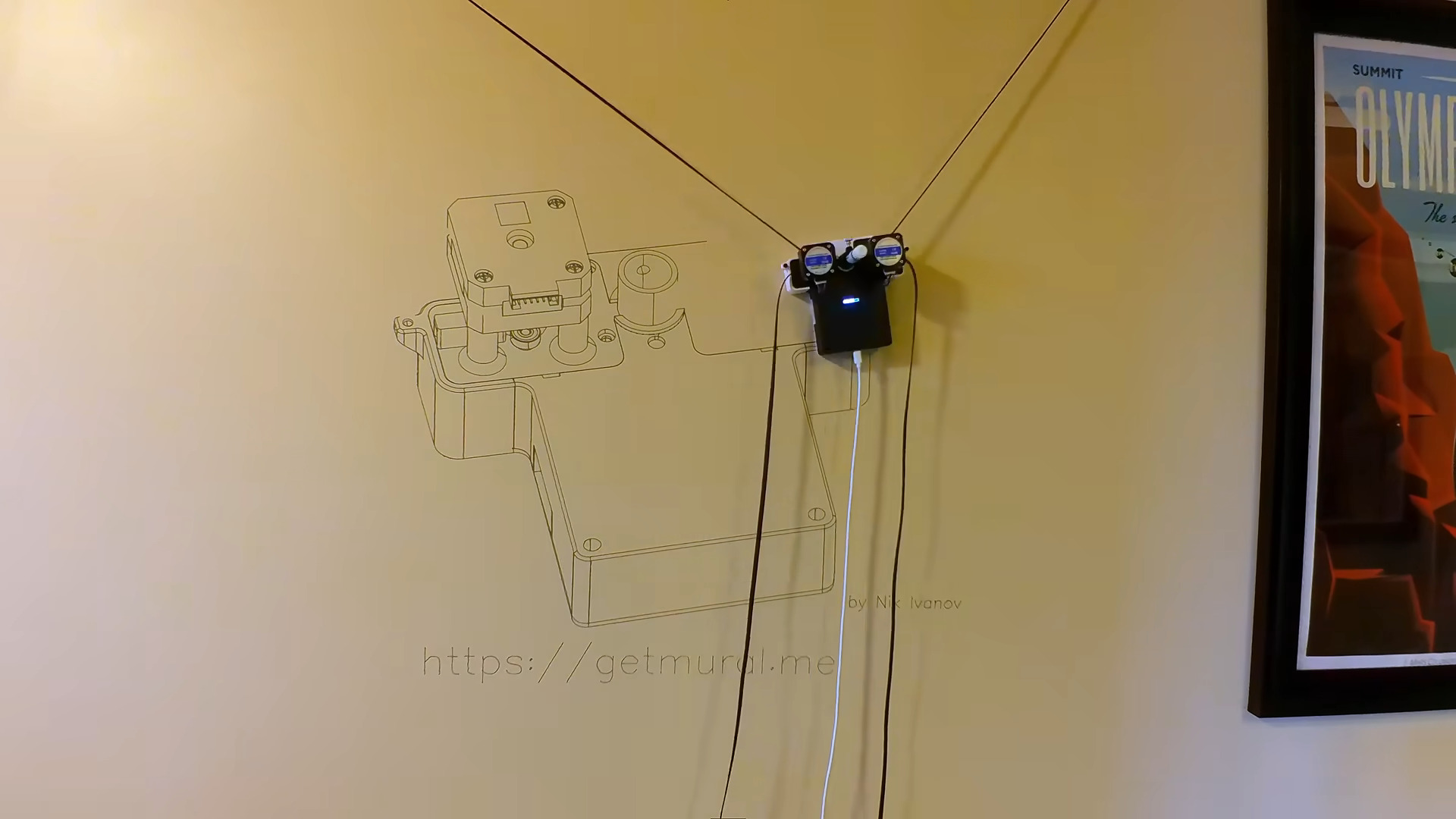
Back in our day you were told not to draw on the walls; nowadays we have robots for that– like Mural 2.0 by [Nik Ivanov]. If the name doesn’t give it away, this is a large format pen plotter made to draw, well, murals. It’s also not [Nik]’s first rodeo, though this version seems considerably improved from the orignial version. He’s now using a FluidNC board based on an ESP32 and TMC2209 stepper drivers, while the steppers they drive are a pair of NEMA 17 pancake units. Using pancakes for this…
B
When [Matt Williams] found an old enterprise firewall in the trash, he knew he had to do something with it. After cracking it open, he found that this 2000s-era Fortinet FortiGate 60 hardware firewall has some very hackable hardware in the form of a VIA C3 mainboard. This is an x86-compatible CPU that was very popular in small form-factor and industrial solutions around 2000s, meaning that it should be able to run just about anything that’s happy to run on its 400 MHz single core. Unfortunately…
B
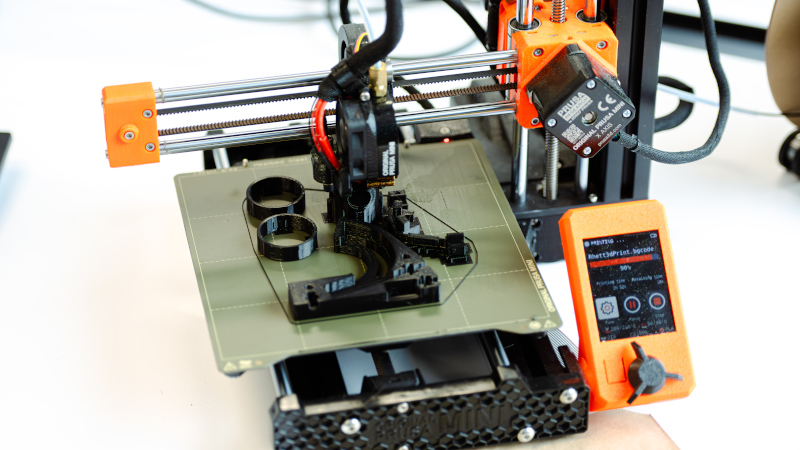
Although at first glance potassium-titanite (TISMO) whiskers don’t seem to be much of a change from chopped glass- and carbon fiber in FDM filaments, they’re really quite different. They’re not only much smaller, they’re also less abrasive, and work with 0.2 mm nozzles. Although basically just found in industrial filaments right now, [JanTec Engineering] put a spool to the test to see what these whiskers bring to the party. While at an event in Japan, [JanTec] got handed a spool of Poticon STD1…
B
One of the struggles with vintage computer systems is that many of the ICs in them have no modern-day version that you can just purchase and drop-in. Creating replacements that use modern-day ICs inside has consequently become a popular direction, with [Philip Smart]’s TranZPUter being one such example. Standing for ‘transformable ZPU Computer’, the tranZPUter is transformable in the sense that it features an FPGA or MCU and the initial iteration targeting the ZPU Evo CPU design. This has led…
B
Hackaday Editors Elliot Williams and Tom Nardi are back from Supercon, and they’ve got plenty of thoughts to share about it. But before they discuss this weekend’s higlights, they’ll cover the recent scuttling of the legendary SS United States, the discovery of even more hidden software-defined radios in everyday gadgets, Linux running on Kindles and microcontrollers, and a Game Boy flash cart that’s not designed for playing games. You’ll also hear about LEGO 3D printers, finding out where a…
B
It’s the second Tuesday of the month, and that means another Microsoft Patch Tuesday. The new normal is that the numbers are hard to believe. Brian Krebs reports that this month’s release fixes nearly 1,100 vulnerabilities, 63 of them rated critical, and over 500 that let an attacker elevate their privileges. Only one is reported as actively exploited: CVE-2026-124194, a spoofing bug in Outlook. Microsoft has now shipped more than 5,100 security fixes this year, after more than 1,400 last…
B
Doing board level diagnosis on a PCB is hardly black magic, but some PCBs are definitely more daunting than others. The Socket LGA 1851 mainboard that [Fix the Pixel] got in for repair being one of the harder cases due to the sheer size and complexity. Adding to the excitement was having to purchase a used CPU for it off eBay to even test the board and work through the boot-up sequence to find the culprit. A basic understanding of how these mainboards power up and verify that they can move on…
B
Nixie clocks have become popular enough that these days there’s no shortage of turn-key options that let you experience that warm glow with a minimum of fuss. Many still come as little more than a bare PCB, giving the purchaser some freedom to come up with their own enclosure, but at least the electronics are handled. But for [Justin Scott], putting his new two-digit Nixie clock board into a handsome box was only half the battle. He also wanted to do something a bit more interesting than just…
B
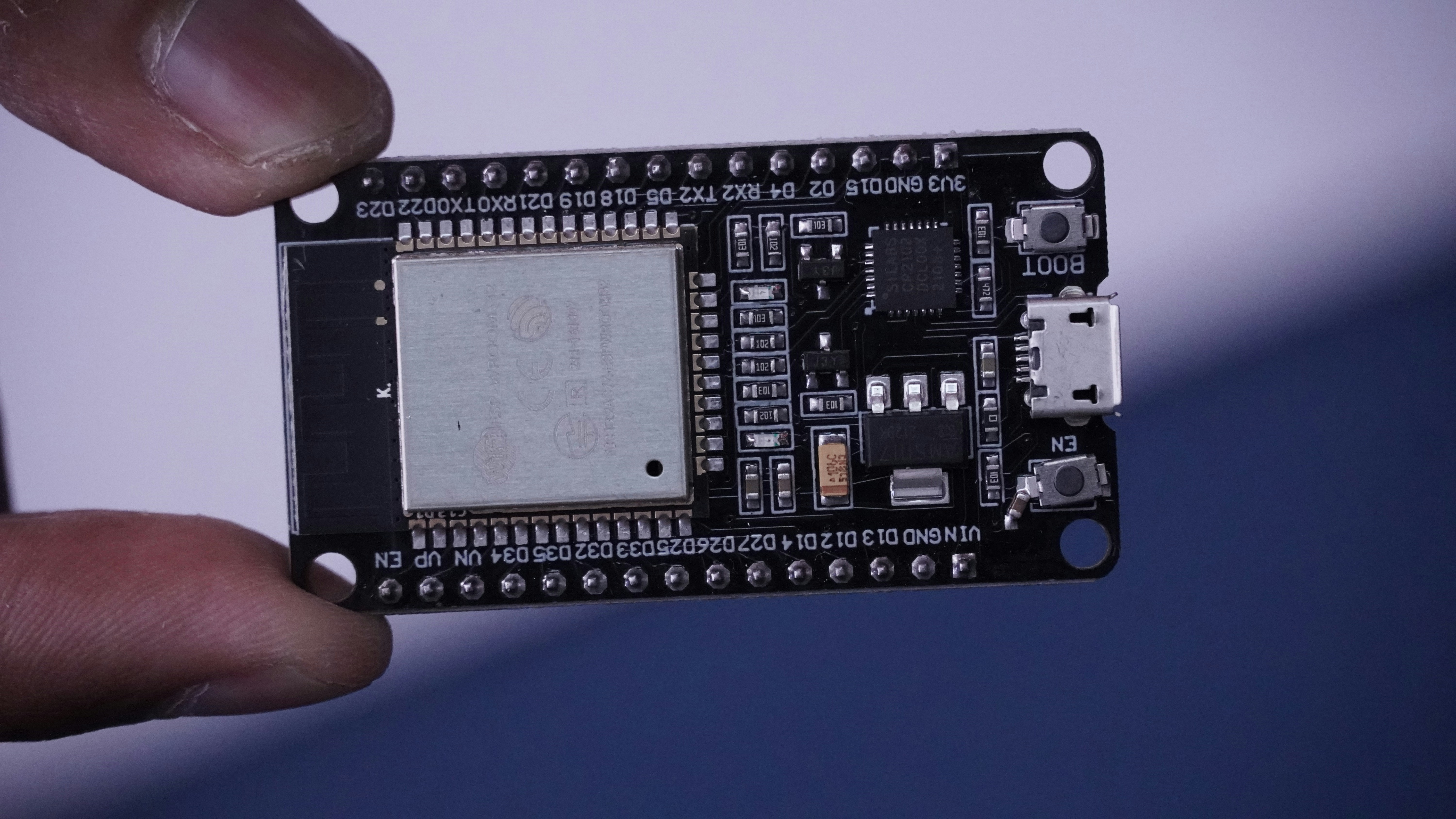
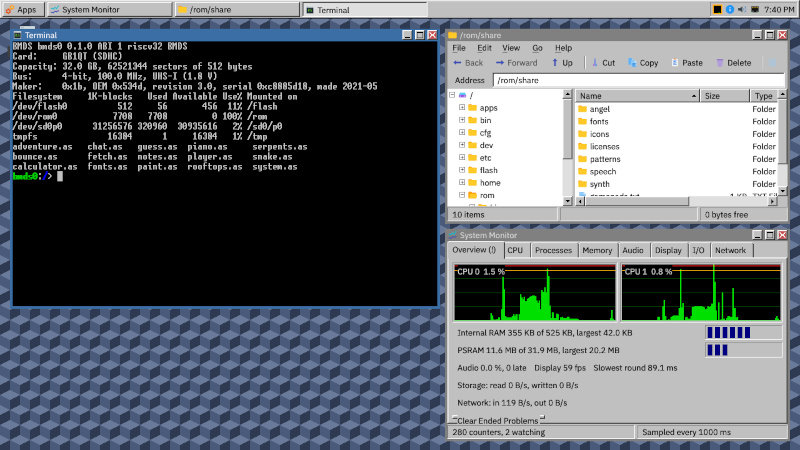
The ESP32-P4 is Espressif’s high-end application processor, with two blistering fast RISC-V cores for a surprisingly reasonable price. As it’s a very capable computer in its own right, there have been a range of operating systems made for it. Latest among them is [Jthwho]’s BMDS, for Bare Metal Do Stuff, which targets an Olimex board. At its heart is the FreeRTOS kernel we’ve seen in so many other similar projects, but on top is an OS which is described as being like DOS in its one-user…
B
Meta’s Ray-Ban smart glasses have attracted plenty of controversy in the relatively short time they have been available, given their potential for covert and unvanted surveillance. But given the chance to examine one it would be churlish to pass up on the opportunity to test its defences. Which is what [p0pcycle] did when the opportunity came her way. Given that hardware-probing was not an option, she followed the course of intercepting a software update. A little app decompilation led her to…
B
Maybe you are old enough to remember Zoltar in an arcade, or perhaps you’re just a fan of the movie Big. Either way, maybe you’d like to build an animated fortune teller. [Oh Well Why Not] did just that and gives you a roadmap for you to make your own. It took four months to build, but with the road already mapped, you can probably do it in less. Then again, who can predict the future? The fortune teller, Lillith, uses servos and some voice generation to provide the same experience. If you dare…
B
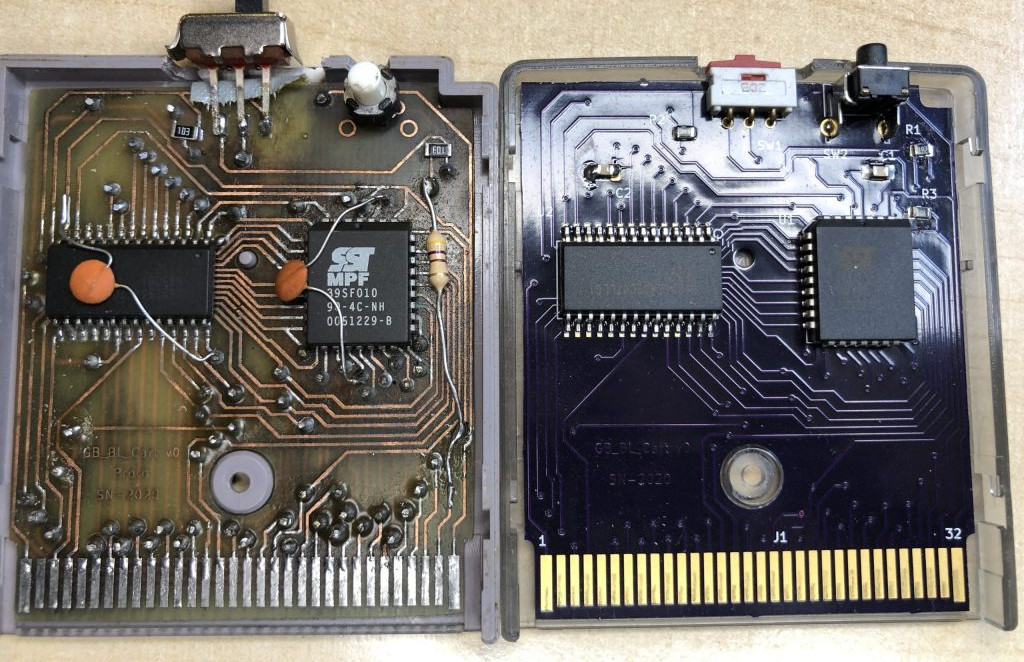
These days, it is easy enough to get a flash cart for your Game Boy that makes it easy to run code — yours or otherwise — on it, but they aren’t necessarily ideal for actual development. The process of shuttling new code over to the cart via an SD card isn’t bad if you’re doing it once, but it gets very annoying if you’re trying to make rapid incremental changes. Which is specifically what [MrFrenchLame] was looking to improve on with his development cart. Rather than using a SD card to move…