B
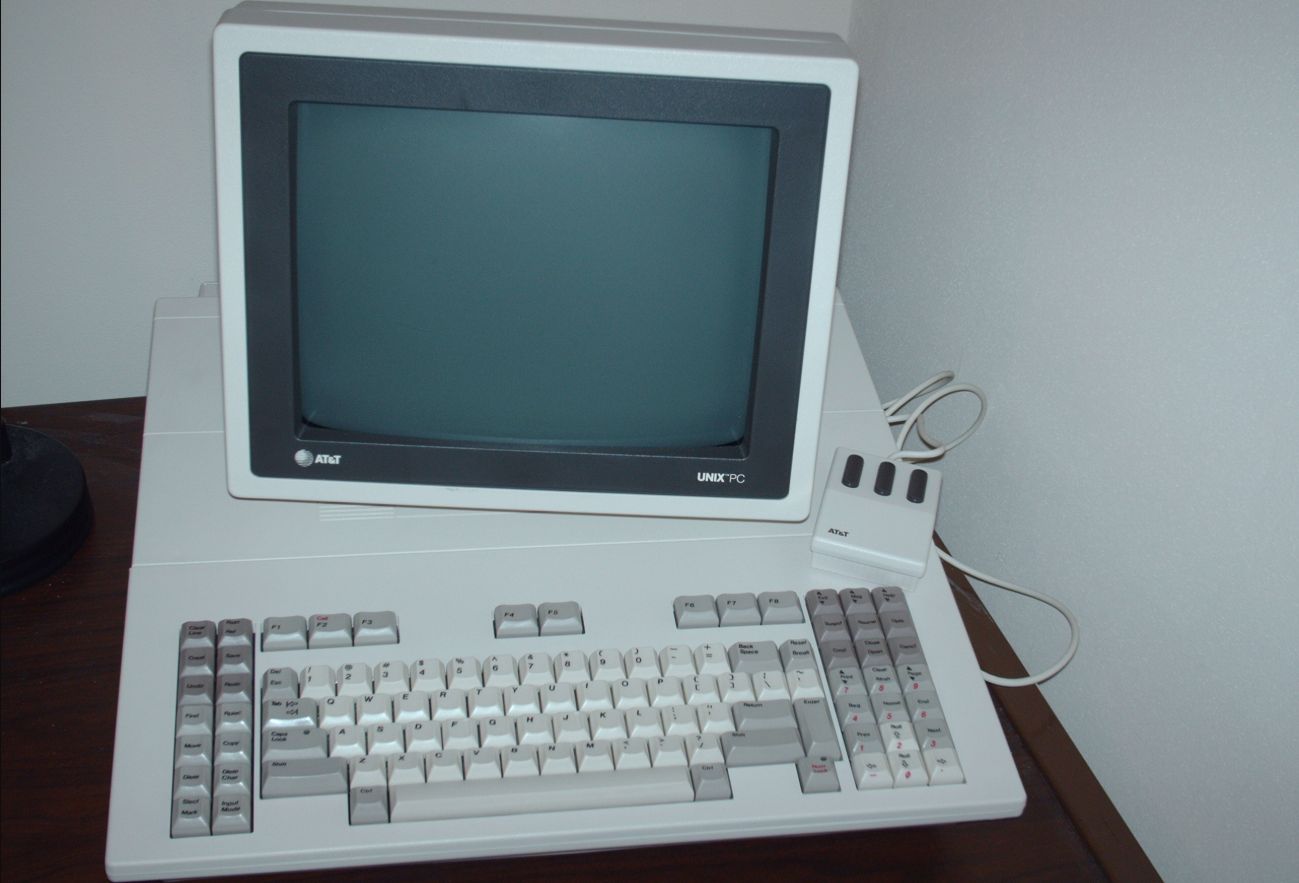
We all have our childhood heroes, which in the case of [Hrvoje Cavrak] was the 1985 AT&T UNIX PC. This 18 kg behemoth of a workstation computer boasted a 10 MHz Motorola 68010 CPU, up to 4 MB of RAM and dozens of megabytes of storage in addition to endless expansion options, making it a powerhouse of a personal computer for the discerning professional. Now, many decades later [Hrvoje] has an FPGA-based version to tinker with. This project targets the MiSTer project, meaning that this softcore…
B
[Stuff Made Here] got fed up with the hassle of washing their dog, and in traditional engineer fashion, decided that automating the process would solve the problem. However, as science fiction writers love to warn us, automation and living things don’t always mix. The concept, much like a car wash, is to have an arch-like structure spray the dog with oscillating nozzles. A secondary nozzle provides a simple air drying function on each of the pods. An “undercarriage” nozzle of similar design…
B
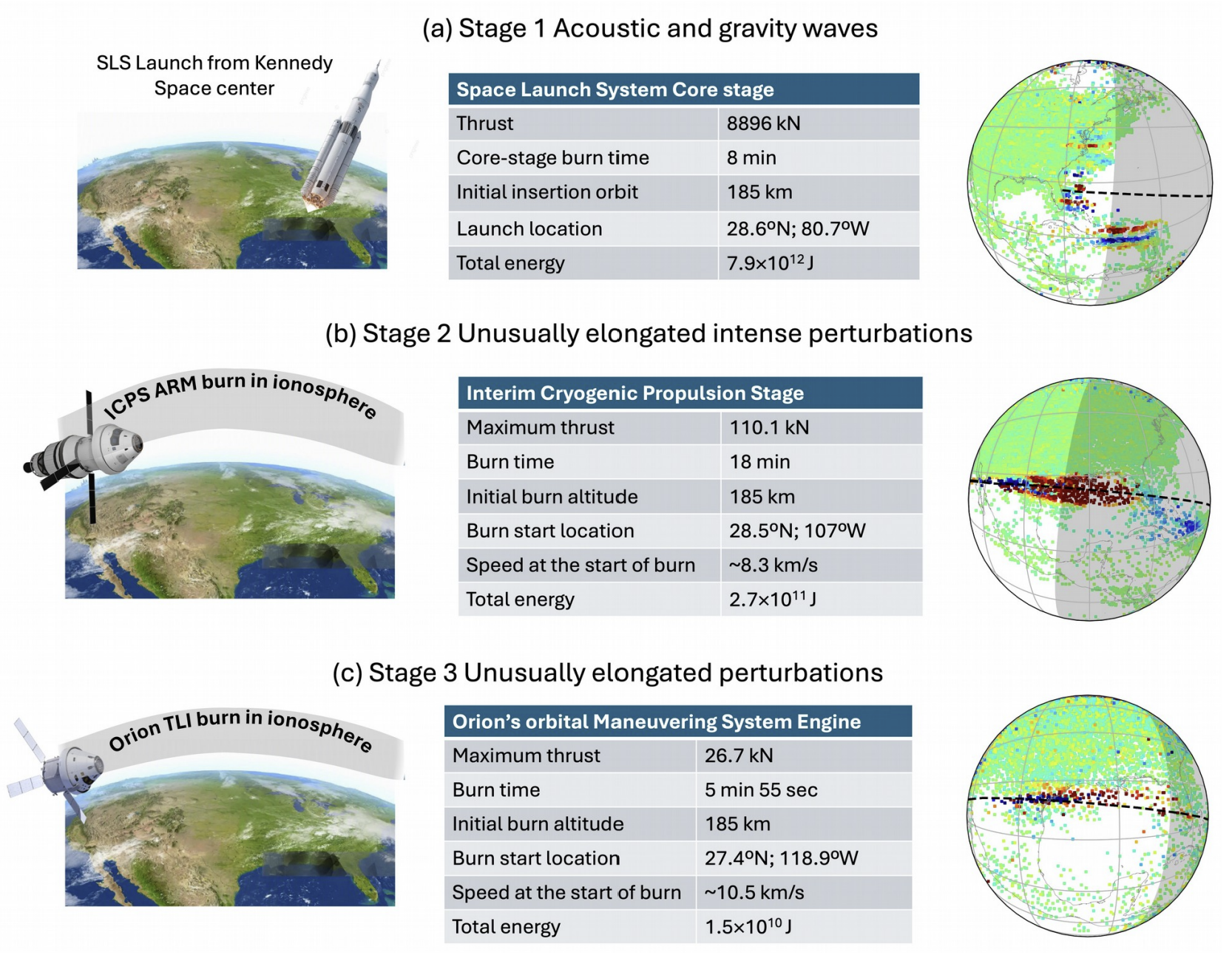
Rockets certainly have a substantial impact if you ever see a launch in person. The noise, shock waves, and even heat can be awe-inspiring. What is less obvious are the impacts a launch has on our upper atmosphere, or “anthropogenic space weather” as the fancy scientists call it. A pre-print from a recent study on Artemis II’s impact on our atmosphere shows a shockingly wide range of effects. As a whole, the impact on Artemis comes in waves. Each stage of the Space Launch System performs burns…
B
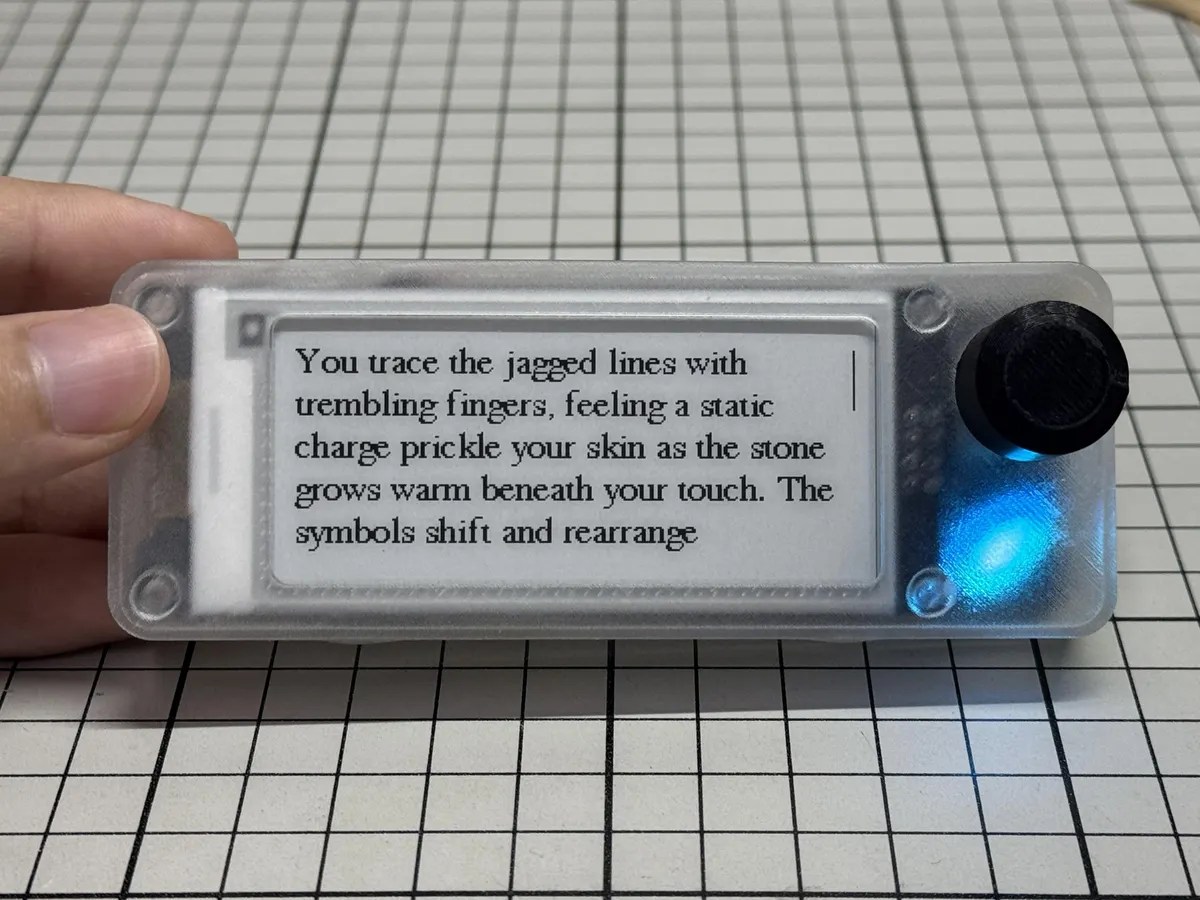
Choose your own adventure books were one of the first media to become gamified in the computer era, and [Jeremy Ngai] wanted to bridge the experience further with an e-paper handheld adventure game. With a 2.9″ e-paper screen, rotary encoder, and RGB LED that can provide mood lighting for the story, it can provide an estimated 20 hours of entertainment per charge, which is a lot better than the Game Gear this author had as a child. As with many projects we see these days, a custom PCB and 3D…
B
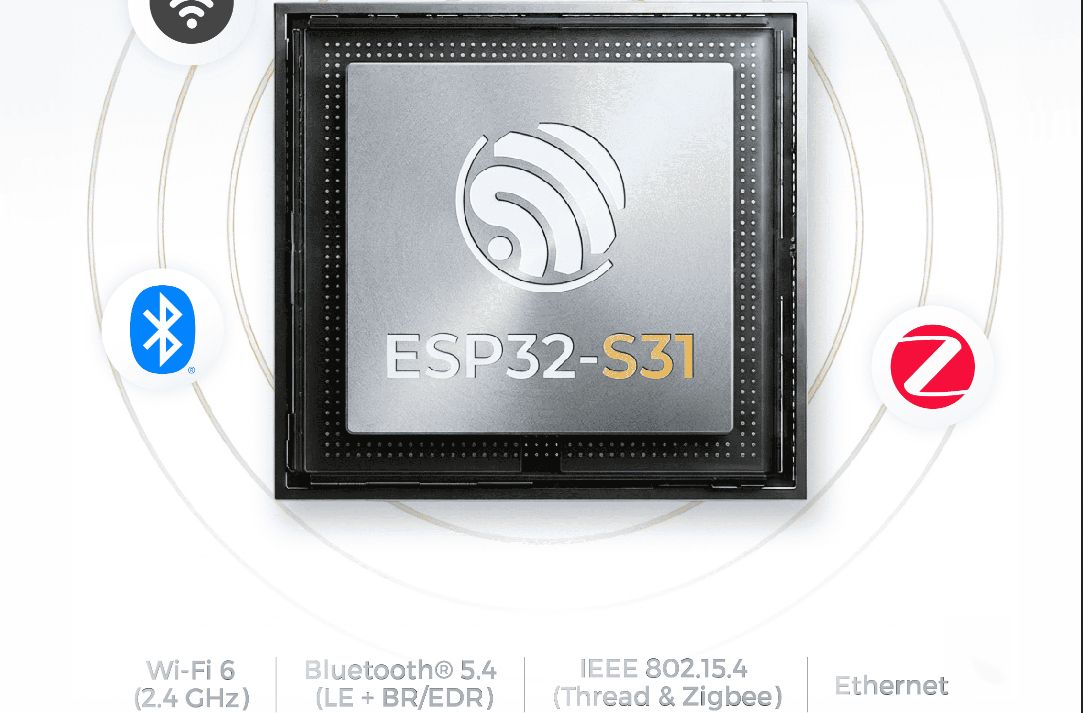
The ESP32 series of microcontrollers feature a lot on these pages, offering as they do a significantly powerful processor and in most cases, wireless connectivity. One recent member of the bewilderingly large family is the ESP32-S31, It’s a dual-core RISC-V unit with WiFi 6, and if that’s not interesting enough there’s the news that it runs Linux. Not -nommu Linux, but the full-fat version, as it has a memory management unit. Before you imagine a superlative experience, it’s worth the reminder…
B
While we’d love to have you all join us in Pasadena for Supercon 2026, the next best thing is to connect up to the festivities remotely through the magic of the Internet. The main stage talks (Lamarr) will be streamed live to our YouTube channel, while the talks taking place on the second stage (Hopper) will be recorded and posted afterwards. Though it’s not quite as immersive as being there, you can also join the #supercon-chat channel in the official Hackaday Discord server if you want to…
B
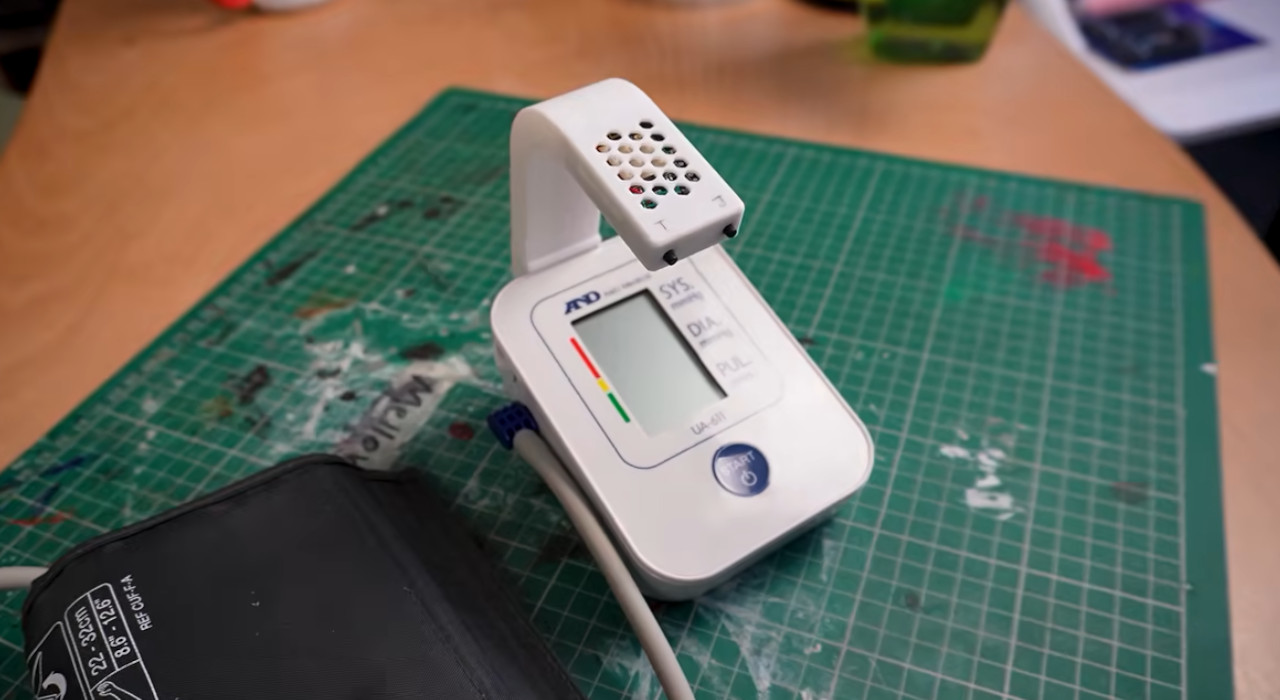
Given the modern trend of interconnecting anything and everything, we have no doubt that somebody sells a blood pressure monitor that will push its measurements out to all sorts of cloud services on your behalf. We’re equally sure that doing so requires you to sign up for some new account or service, and that there may even be a subscription cost hiding in there as well. Looking to record his vitals on his own terms, [Tomasz Burzy] set out to modify a basic blood pressure monitor so that it…
B
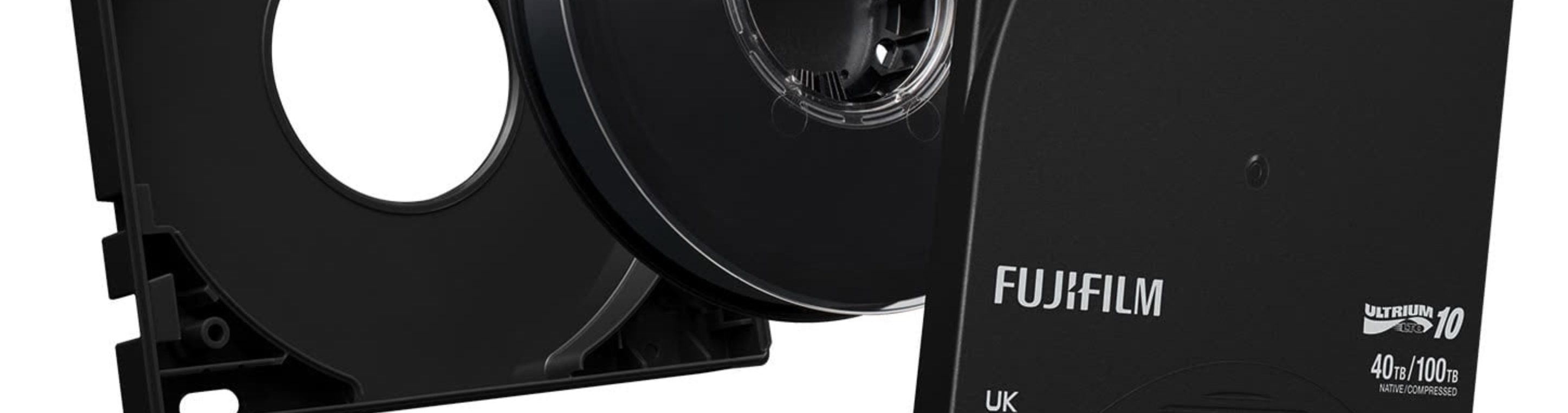
One of the interesting things about the slow-moving AI apocalypse we seem to be trapped in is watching the knock-on effects reverberate through communities and economies. We’ve seen how — and lamented that — the LLM-driven datacenter build up has increased demand for GPUs, RAM and SSDs directly, and we watched that in turn increase demand for traditional, spinning rust hard drives. Perhaps it was only a matter of time before demand came for the tapes, too. Yes, tapes: good old fashioned “sticky…
B
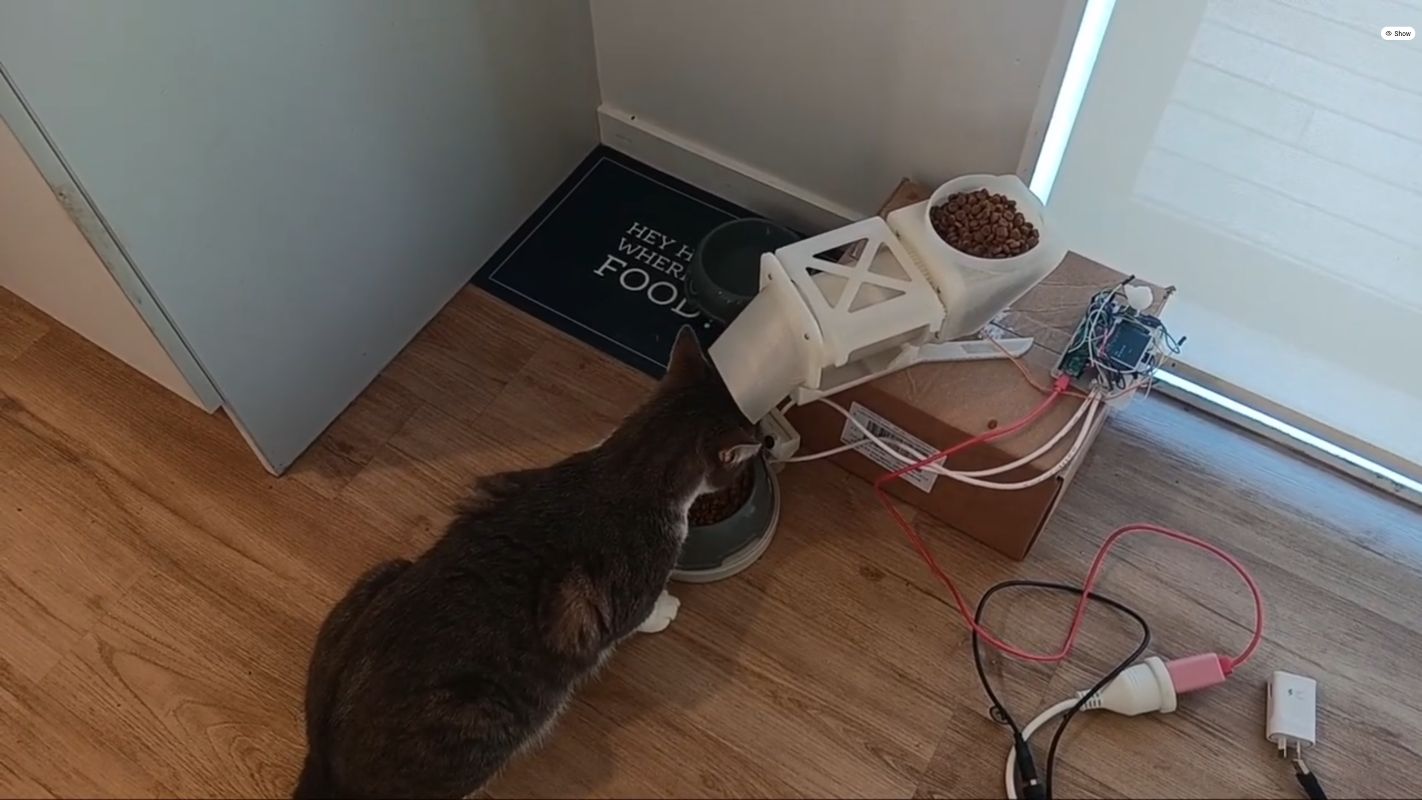
Automatic cat feeders are a dime a dozen, largely because this is an easy problem to solve. Dry cat food is easy for machines to manipulate, and the electronics needed to accomplish the task to a bare minimum are plentiful and inexpensive. But just doling out food is only easy part of the problem. [Jason] wanted to make sure that his cats actually ate once the food was dispensed so he added a few extra features to this cat feeder. The main addition to this feeder compared to off-the-shelf…
B
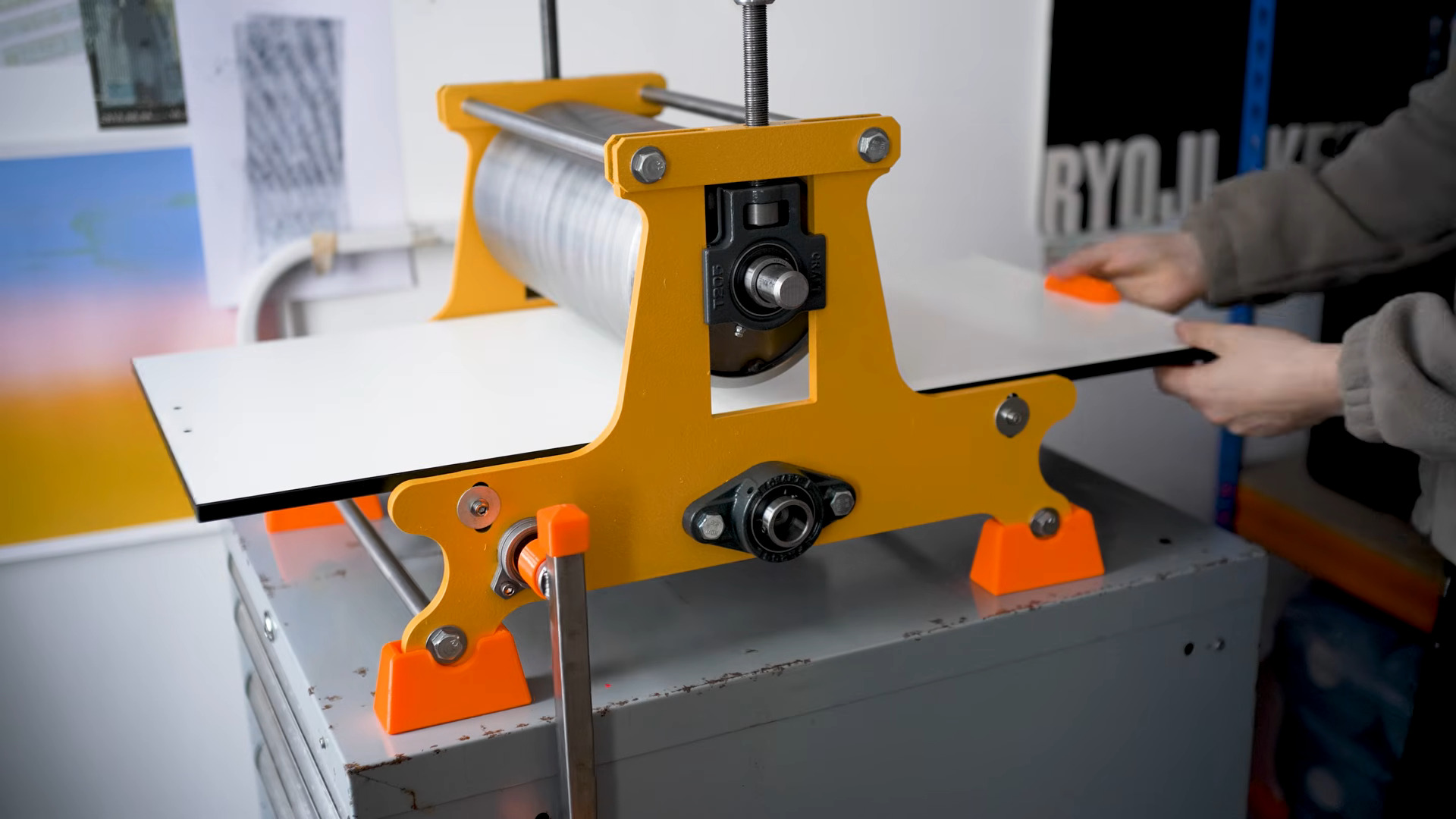
There’s an old joke about inviting somebody up to your dorm room to ‘look at your etchings’ — but if you’re going to do that, you’d best have some etchings, lest they call your bluff. Even better would be to have prints available, so you might share your hard work with adoring fans. Over on YouTube, [This Designed That] shows building the perfect little etching press so you need never invite anyone to your room again: you can crank out enough prints on this bad boy to hand out your etchings on…
B
The great thing about the modern world is how connected we are. It’s also the worst thing about the modern world, to be honest. [Allan Binder] wanted to give his toddler the very best of that, and escape the worst, with a specially-designed telephone to call Grandma with– and not get scam calls in turn. We’re not going to say his build guide is so thorough a toddler could follow it, but it’s not too far off. The device is very simple: a commercial ‘retro-style’ handset pairs with an ESP32-S3…
B
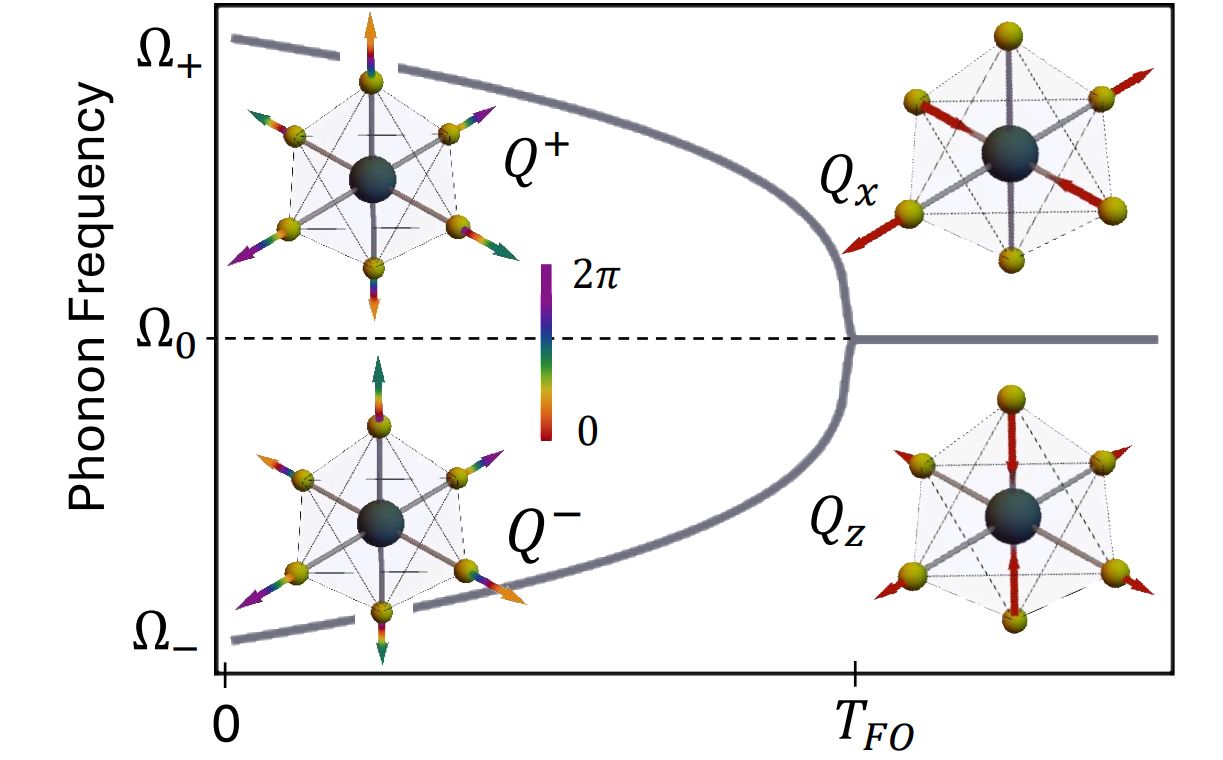
The idea that magnetism doesn’t necessarily always have a dipolar configuration is not a new one, but it’s not an easy theory to find evidence for. Most recently a team of scientists at the University of Toronto used a new method involving vibrational energy in the form of phonons to find evidence for an octupolar magnetic order. In the associated paper in Physical Review Letters (paywalled, arXiv version) by [Ruairidh Sutcliffe] et al. we can find more details on this method and what their…
B
What is hacking? Many, especially in the mainstream, view it through the lens of computer security. Others consider it synonymous with making or creating. Even for those of us immersed in the community, this can be a surprisingly difficult question to answer. In his Hackaday Supercon 2026 keynote address, Bruce Potter will explore this idea by taking a step back and looking at what makes someone a hacker in the first place. Rather than viewing hacking as a singular act, he’ll make the case that…
B
When it comes to internal combustion engines (ICEs), it’s generally accepted that each cylinder doesn’t have more valves to let in a fresh fuel mixture and to exhaust the aftermath than absolutely necessary. You could argue in favor of this also because it reduces the amount of valve seat surface and thus the potential for leaks, but there is historical precedent for higher valve counts. Hence [Alexander’s Laboratory] had to give a ten-valve engine a shake, just to see what effect adding more…
B
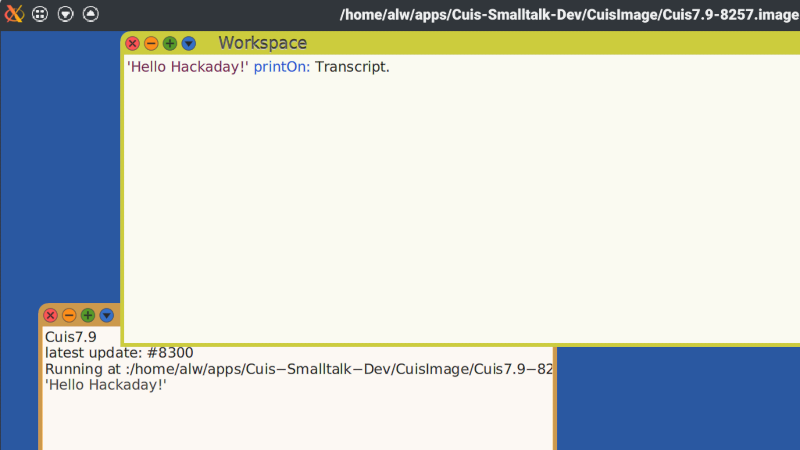
In the history of object-oriented (OO) computer languages, Smalltalk has a special place. It wasn’t the first OO language, and it hasn’t spread as well as some others. But it was the first OO language many people encountered, and it influenced many other languages you’ve probably seen. Developed at the famed Xerox PARC, it also introduced many people to the “model/view/controller” (MVC) architecture. Cuis Smalltalk is a free and portable modern Smalltalk-80 environment. It replaces the…
B
This week’s podcast comes from Europe, as Elliot Williams is joined by Jenny List, who wishes to apologies for the poor sound quality from her headset microphone. The news this week is our Supercon conference which is upcoming, we’ve released more speaker details. We start the hacks with a follow-up to an exciting development. We’ve seen e-paper screens driven at high frame rates, but do the techniques used shorten the life of these displays? Then we have Tamagotchi hacking, re-using an old…
B
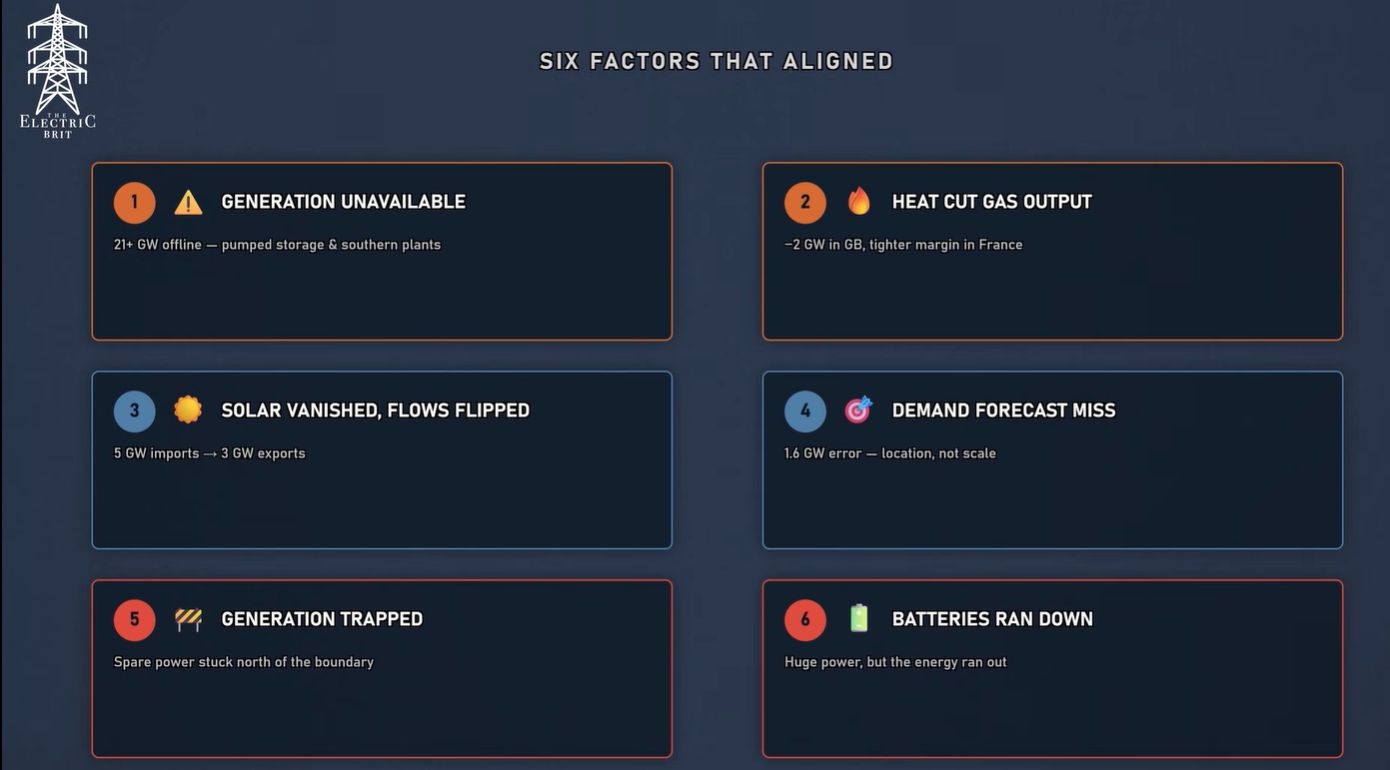
Amidst one of the worst heatwaves in European history, Britain’s national grid saw itself faced with a quiet crisis this summer. On June 23rd, the grid frequency dropped to 49.657 Hz, down from the nominal 50 Hz — getting very close to the lower bound before safeties would start disconnecting parts of the grid. In a video by [The Electric Brit] this event is investigated, including its causes and how France’s spare capacity managed to save the day. Under normal operating conditions the UK grid…
B
Last week brought us at least two broken embargoes: php2shell leaked onto Hacker News a day early, and a batch of Linux kernel bugs landed on the public kernel mailing list instead of the private security list. This week has been slightly less exciting overall, fortunately, but Akamai’s security team published a pointed essay titled “TLP Is Not a Suggestion”, and it’s hard to argue with the timing. When a researcher finds a serious bug, the usual process is “coordinated disclosure”. The…
B
In the streaming era it’s easy to forget that there’s still a lot of stuff being broadcast over the radio for anyone who cares enough to dial in their receiver. Give me an antenna big enough and a tower on which to place it, and I shall listen to the world. Of course, so you can’t actually listen to everything being blasted out all over the planet yourself. But if you’d like to at least have a little taste, check out Impermanence Series A — a project by [Sam Scorsby] that randomly combines bits…
B
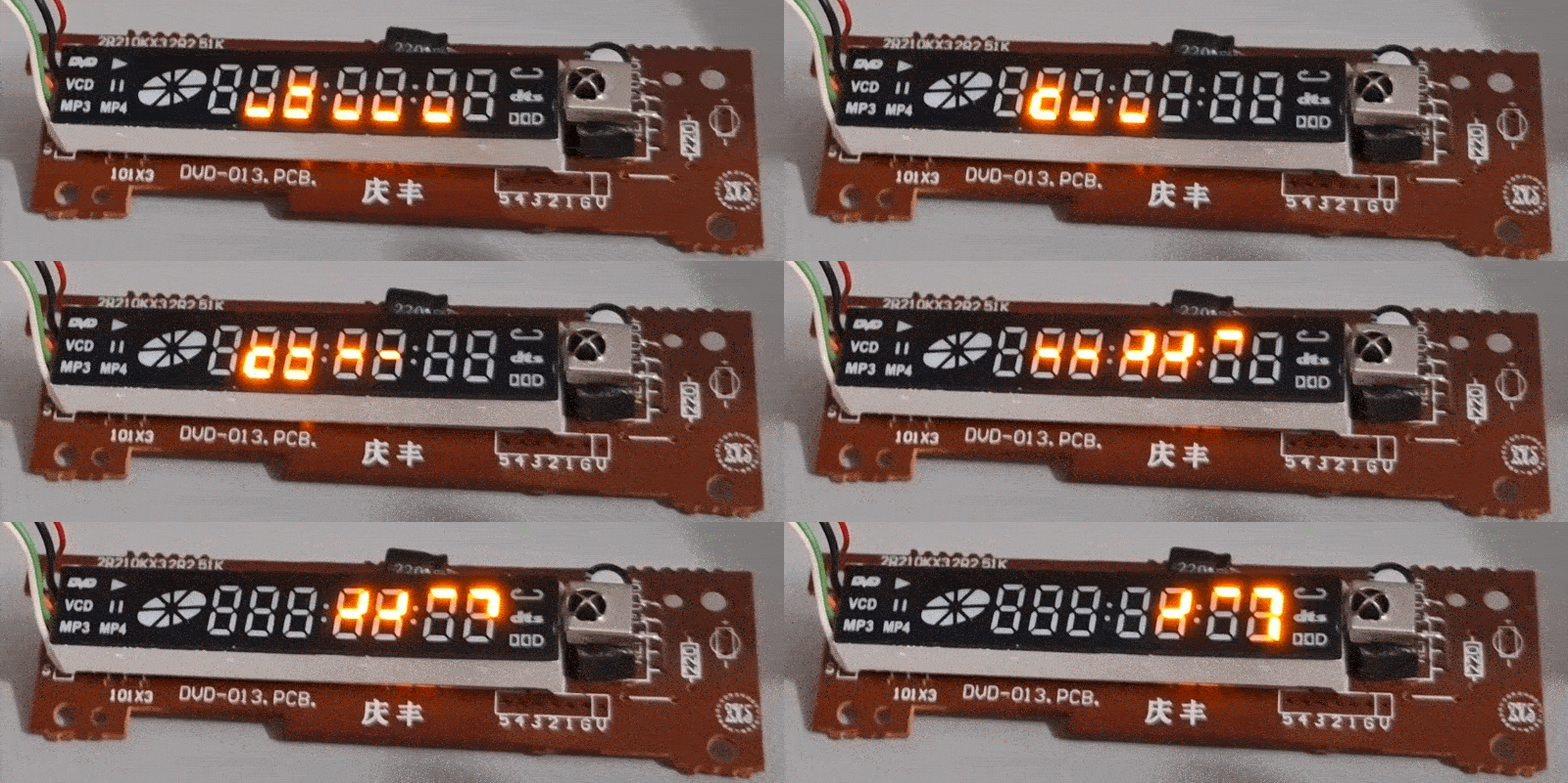
You’ve no doubt heard the saying, “If something is worth doing, it’s worth doing well.” But there’s actually a counter-perspective to this particular philosophy that says it’s also worth doing things badly, with the general idea being that even a semi-successful attempt at something is better than no attempt at all. We’re not sure if that’s the principle [José Luis Monteiro] and his father had in mind while working on a way to play the classic Snake on a seven-segment LED display salvaged from…
B
The Kernel-based Virtual Machine (KVM) allows Linux systems to function as hypervisors without needing any extra software, but VMs created with it don’t behave exactly like real hardware does. Sometimes that’s important, though, so [sandwich] built a tool called vfio-native that obscures the fact that software might be running in a virtual machine. There are plenty of the ways that virtual hardware differs from bare metal. The VM may behave slightly differently for obscure instructions in ways…
B
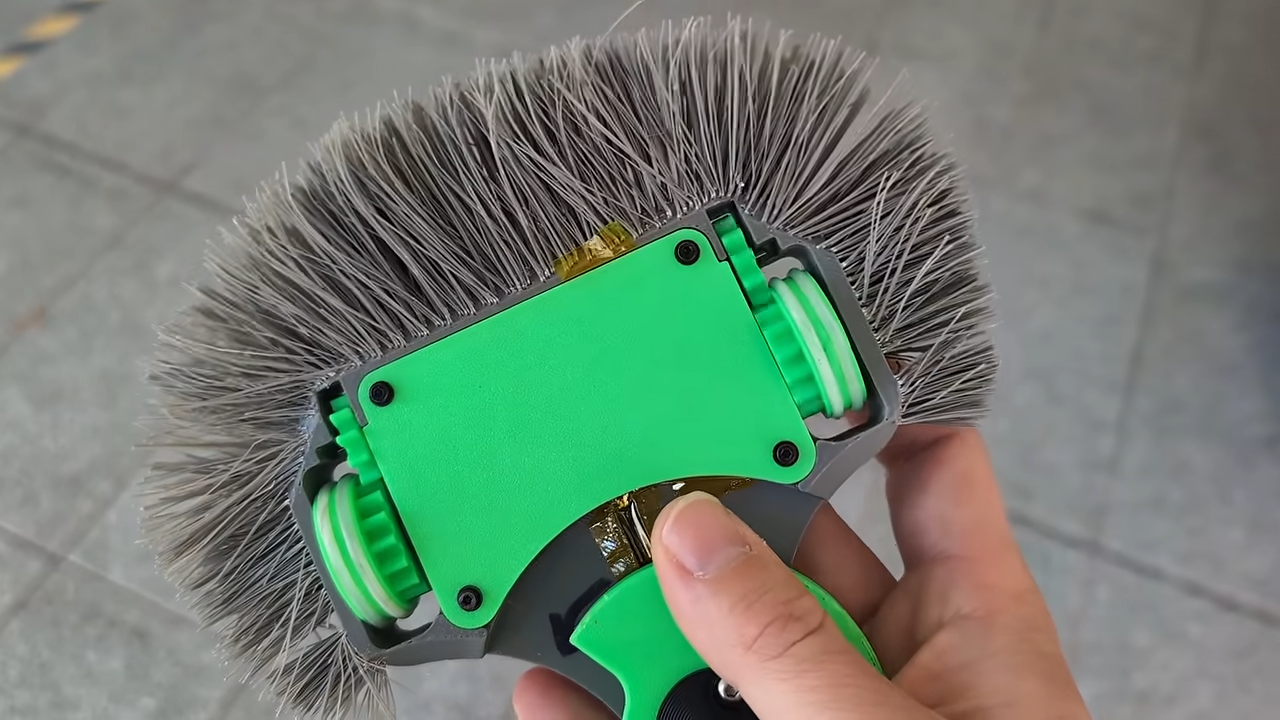
[Angus] of Maker’s Muse enjoys combat robotics, in which contenders zip about in an arena, attempting to disable one another with weapons that lift, spin, and smash. He got a funny idea a short while ago and wondered whether a stiff mane of bristles could serve as lightweight, ablative, impact resistant armor? Just to set the stage, [Angus]’s new robot competes in the plastic antweight (or “plant”) division, in which robots are limited to 150 grams with both chassis and weapons made of plastic.…
B
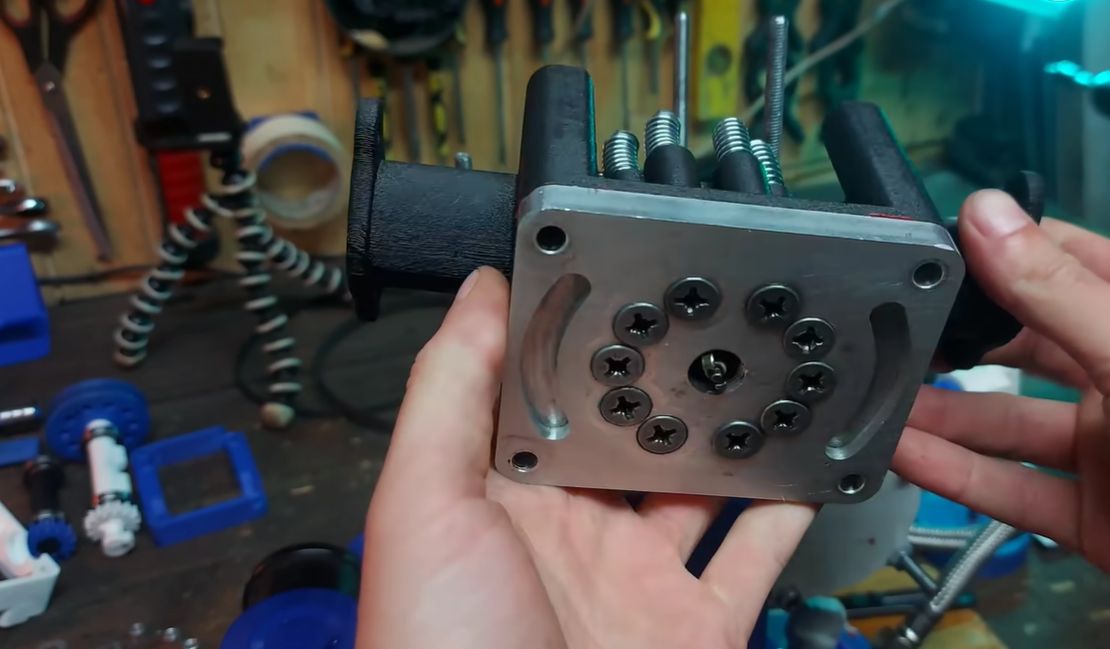
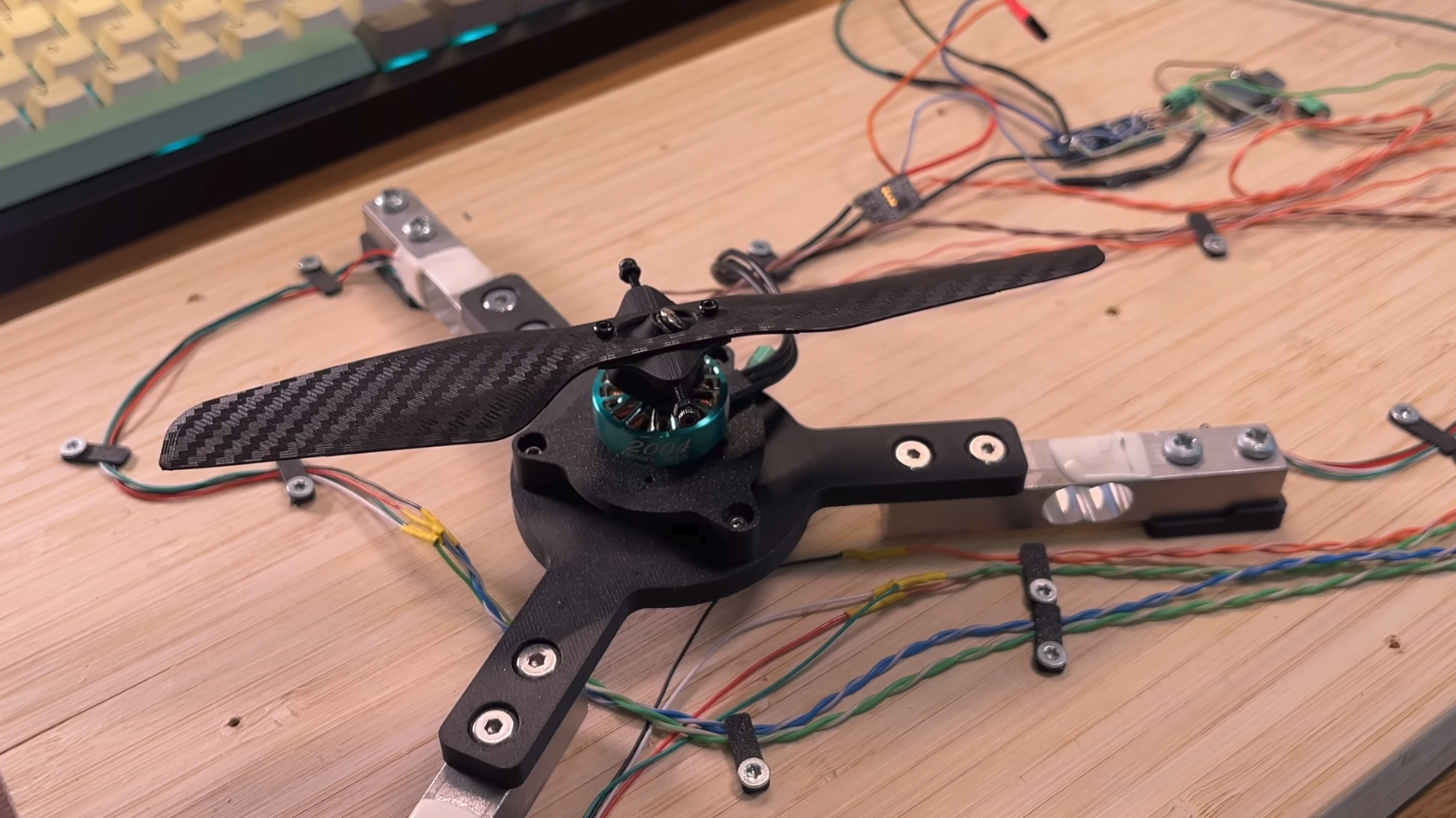
A helicopter blade uses a swash plate and a set of linkages to change the angle of the blades. Not only does it vary the collective pitch to increase or decrease thrust, but it varies each blade’s pitch throughout each rotation, letting it produce more lift on one side of the rotor. This presented a problem to [worked in theory] — he’s building an RC helicopter from scratch, and this mechanism added both complexity and weight. Instead, he started looking for a way to get around the problem.…
B
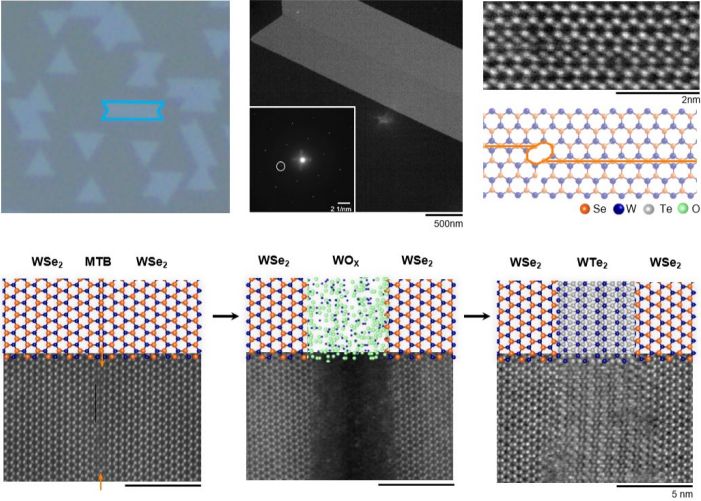
In the world of silicon semiconductors, the process of creating transistors and similar structures involves various rounds of modifications and additions in order to create the requisite functional layers. A less involved approach would simply create these structures in-situ, with research the past years having focused on transition-metal dichalcogenide (TMDC) monolayers to do exactly this. Recently [Seok Young Min] et al. reported (paywalled, Phys.org summary) on creating transistors in-situ…
B
Some disappointing, but perhaps not entirely unsurprising news this week out of Denmark — after announcing last year that they would transition away from Microsoft’s proprietary software, the realities of making it work seem to have caught the government off guard. The word is that a trial program immediately ran into problems when government employees that had been given Collabora tried to collaborate with their peers running Office, and has since been quietly abandoned. Although there’s…
B
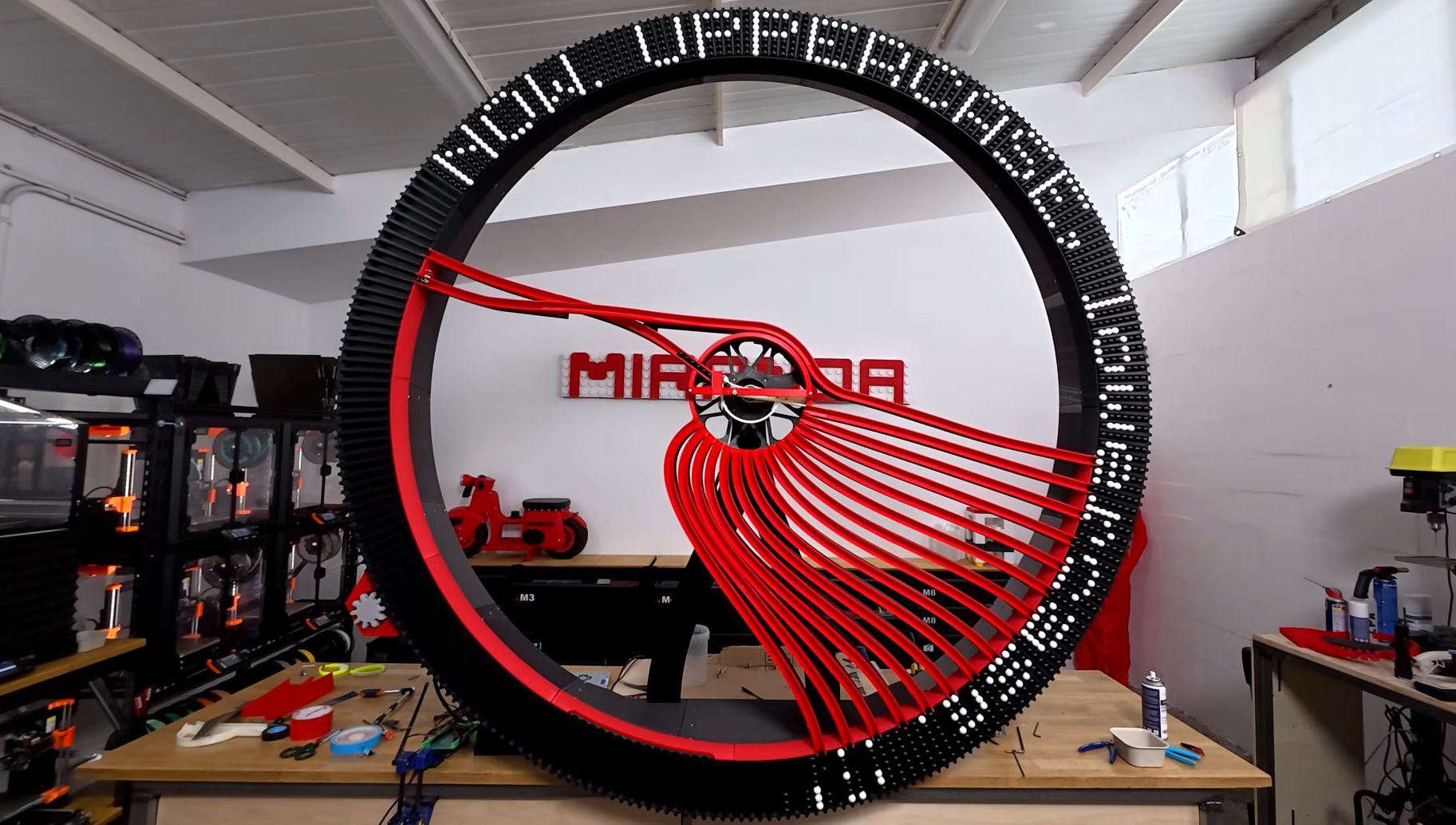
With the topic of marble clocks having been quite well explored at this point, it raises the question of how easy it would be to take the basic principle and create a text display using black and white marbles. As [Ivan Miranda] found out in a recent marble text scroller project, this is far from easy. The reason why a scrolling text display was picked comes down to not wanting to be limited to a fixed number of digits. This resulted in a round wheel design, with inner steel ball bearings and a…
B
Telephony is a bit of a mixed bag. On the one hand, being able to talk to people in far off places is kind of neat, at least in theory. On the other hand, you’re usually reliant on a centralized network, which isn’t ideal to the mindset of most hackers.[Gautam]’s MeshLive project deals with that last one, offering a decentralized mesh network solution based on Bluetooth for Android phones that can handle both voice and video. Rather than relying on dedicated hardware, this particular mesh…
B
QR codes can be a handy way to send a link or contact details without all that tedious mucking about with typing in a link, but they aren’t very useful without a smartphone to decode them. [Noel Friedrich] wondered if there was a way to do it by hand. If it all seems a bit daunting at first, [Friedrich]’s write-up helps you work through copying a QR code to paper and then decoding it, as long as it’s version 1-5. Slashes in the template tell you where error correction has been applied to the…
B
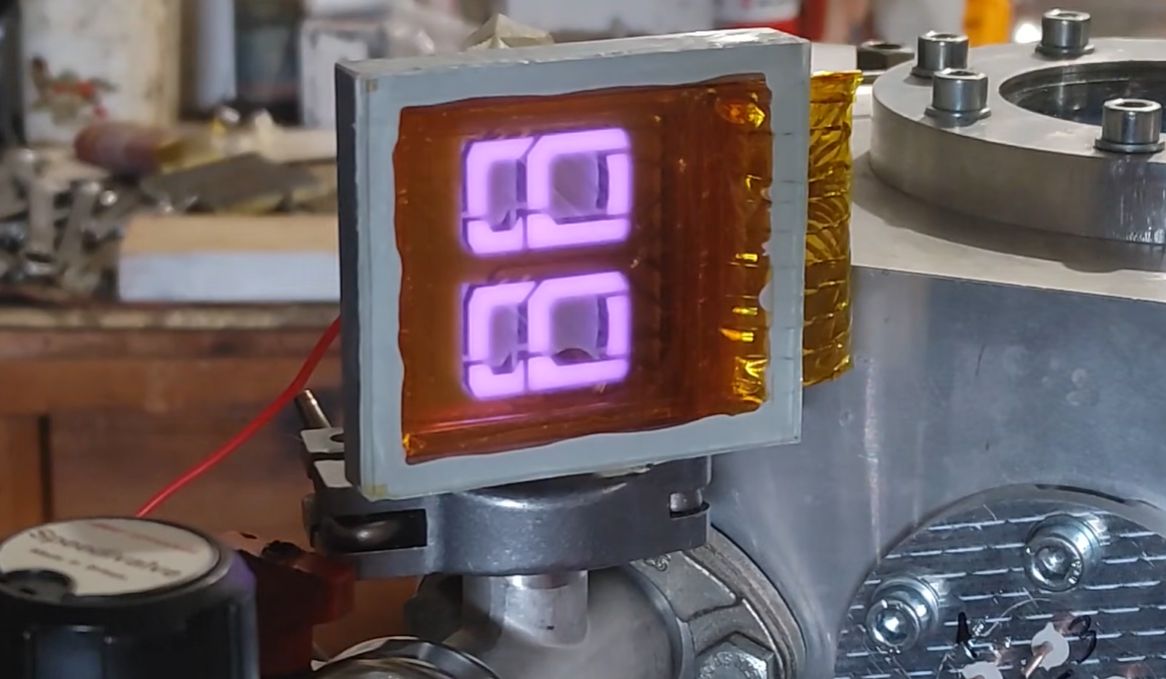
Before the advent of effective semiconductor LEDs many display types existed to display things like numbers and other characters. The Nixie tube is a well-known one, along with VFDs and there are also lesser known ones such as Burrough’s Panaplex, which all saw plentiful use in everything from calculators to audio equipment. The design that [Witchcraft and Alchemy] made appears to lean heavily on this Panaplex design. Rather than neon, this uses argon as the gas. The anode is formed by the…
B
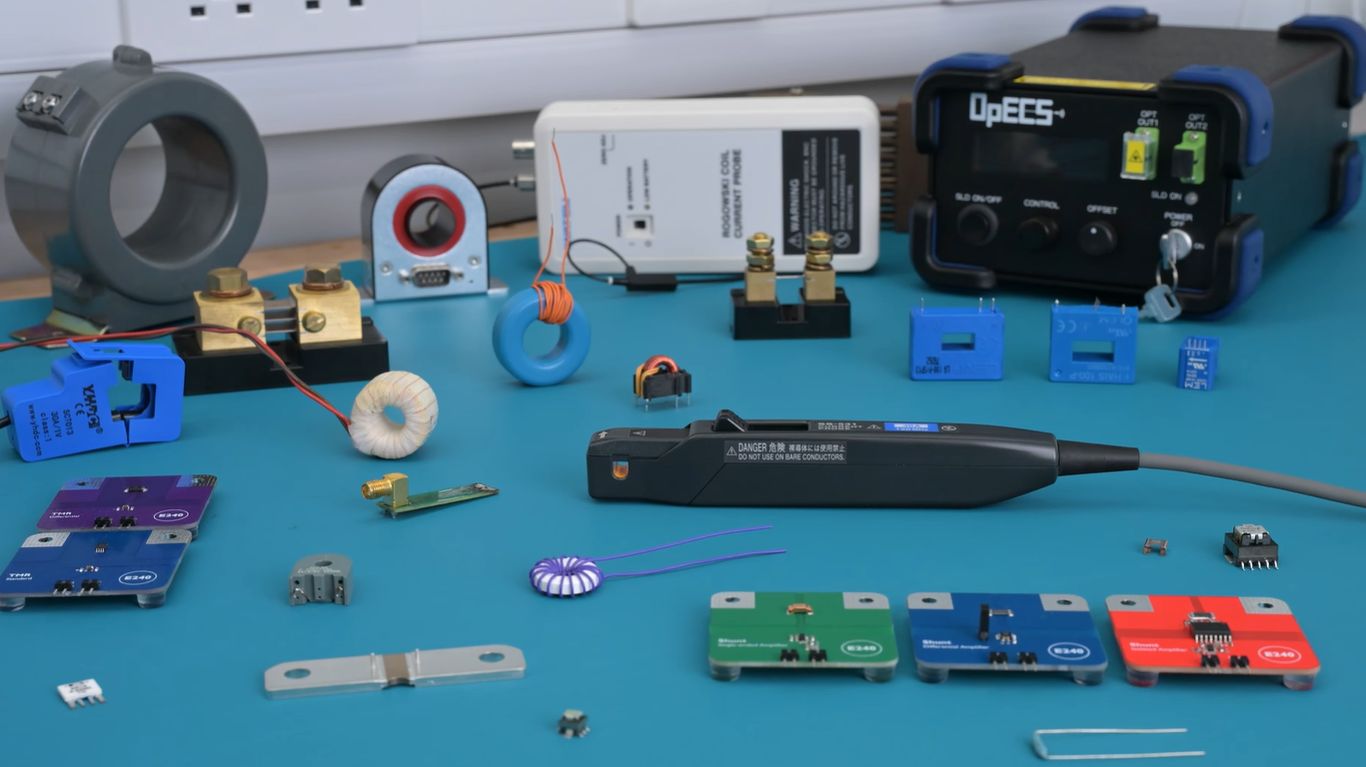
Measuring electric currents is an essential element of many electrical systems, but doing so in a way that is as nonintrusive as possible is not an easy problem to solve. Due to this we got a wide variety of current sensors to choose from for any given application, with [ElectrArc240] running us through these variants in a recent video. The fairly low-tech, cheap and quite reliable method of using a shunt resistor is first demonstrated. This sees a lot of use in fairly low-voltage and…