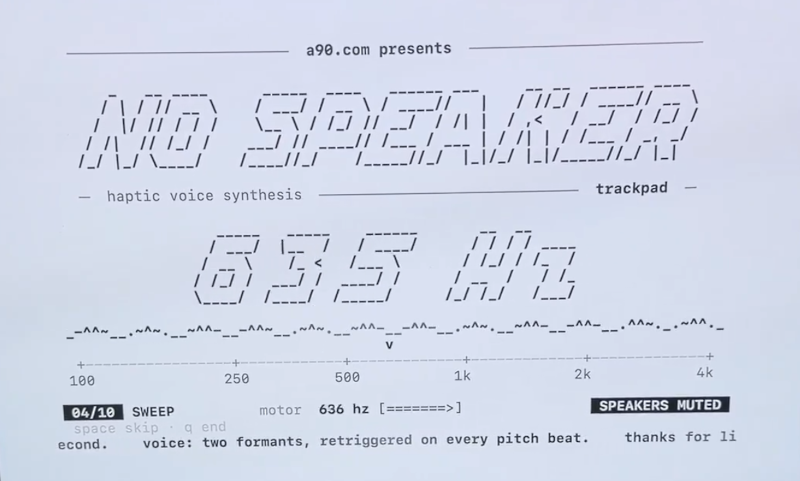
[Samuel Johnson] once remarked something about when a dog walks on its hind legs, it isn’t that it is done well, it is that it’s done at all. We imagine that’s what [os6]’s nospeaker project is like. It uses the haptic speaker in a MacBook trackpad to generate sound. You can hear it in the X post, embedded below. To make the trick work, you need a Force Touch trackpad. These trackpads have a motor that taps glass to give you feedback. But if you drive the motors fast, the glass vibrating will…
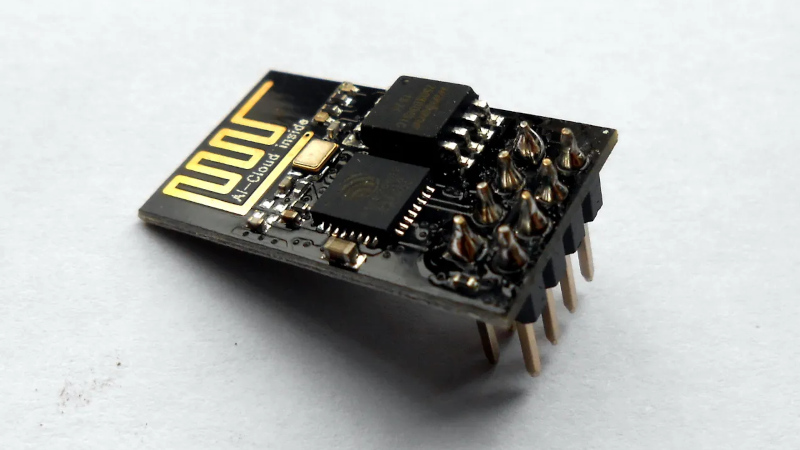
The release of the hidden SDR functionality in the radio section of Espressif microcontrollers has led to an explosion of SDR hacking, both transmit and receive. We’ve seen SDR front ends and spectrum analysers, but [Kaboom748] has made the process even easier for users of traditional analogue modes. Do you need AM, FM, or SSB? The repository has ready-to-go software, in both transmit and receive. Interestingly, it provides a reminder that these hacks work on the ESP8266 as well as the ESP32…
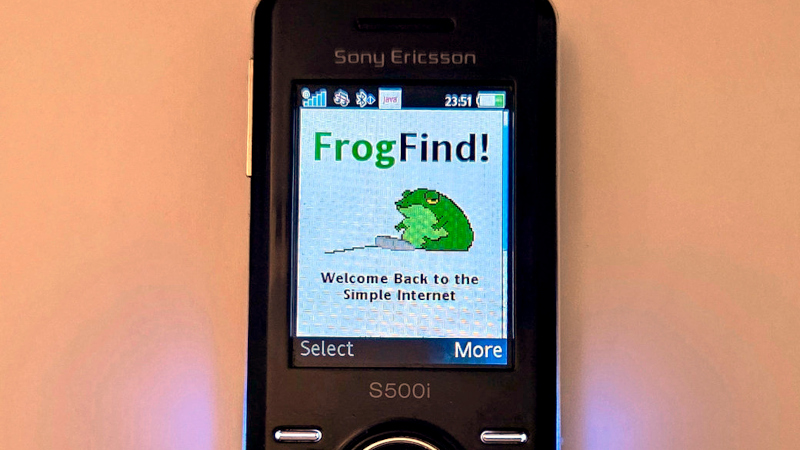
The first generation of internet-connected mobile phones weren’t smartphones; instead, they were so-called feature phones, somewhere between a basic phone-only device and the type of phone we know today. They used their 2G modem to connect, and either had a built-in browser or, if you were very lucky, could run basic Java apps. As 2G services are slowly disappearing, surely it’s curtains for these old devices? Not at all, as [Antcating] shows us, because many of them can still go online using…
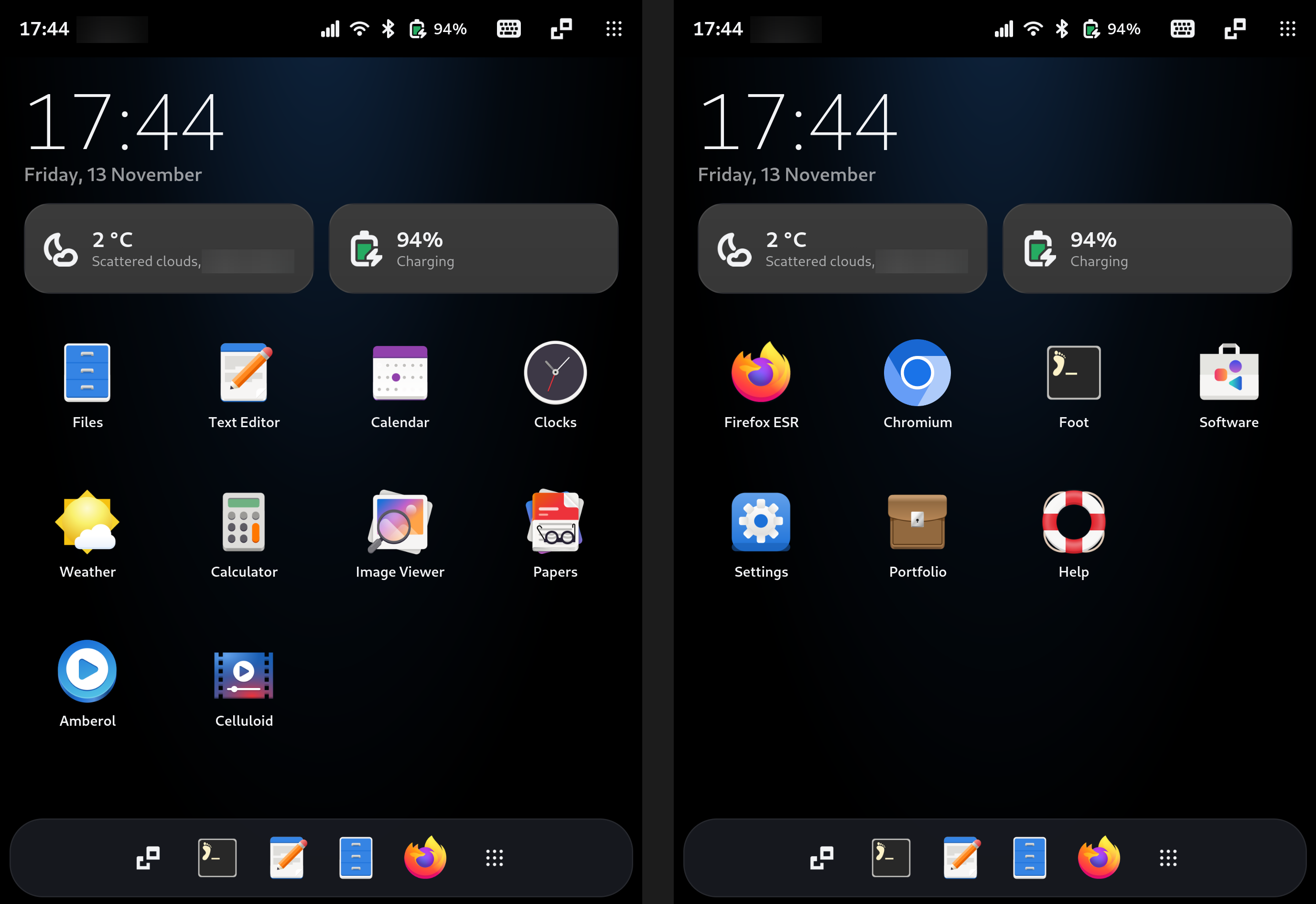
With all the hubub about the iPhone Duo, it’s nice to look back on other dual screen devices that have come before. I turns out, some are still seeing active development like Linux on the Microsoft Surface Duo 2. OpenDuo by [Andy1210] (with help from Claude) brings Debian 13 on kernel 7.3.4 to the Surface Duo 2 “with its own dual-screen Wayland compositor, a touch-first shell and a Settings app made for the two panels and the hinge.” This completely replaces the stock Android environment, but…
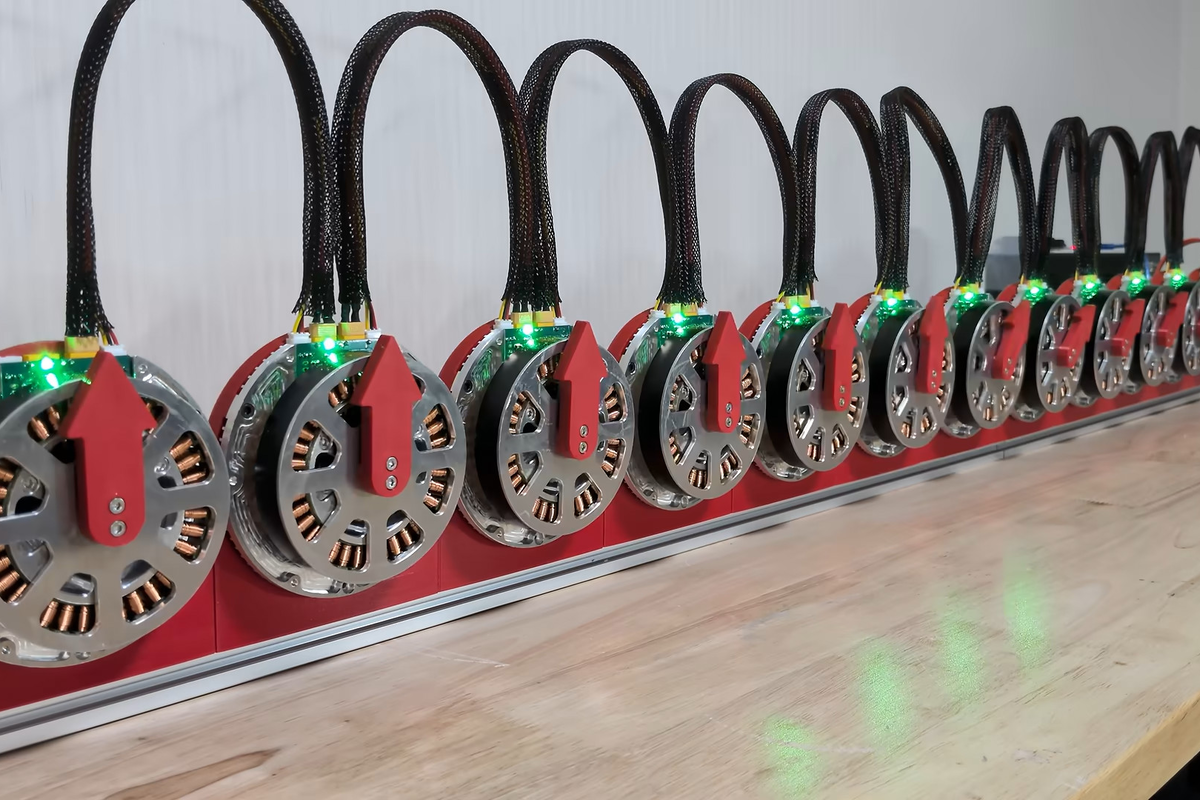
It’s one of those tropes that comes up every so often on Hackaday: Someone says they made something “completely” DIY, and then someone in the comments asks if they grew the silicon for the wafers themselves from beach sand. OK, [Koshiro Robot] didn’t mine his own neodymium, but aside from a couple precision parts that were purchased, he really did make a dozen custom robot actuator motors, their drivers, and as far as we can tell, the field-oriented control (FOC) firmware to boot. And it’s all…
A week or so ago I posted an Ask Hackaday, in which I asked the community for help with a common camera hacking problem I was having with my mobile phone to C mount conversion. In short, when you take a camera with a tiny lens and change that lens for another, the resulting photographs have a colour cast. It’s usually the right colour in the centre, and moves to a pink colour in a ring around the photo. The commenters came up with the right answer, and identified the problem as the phone…
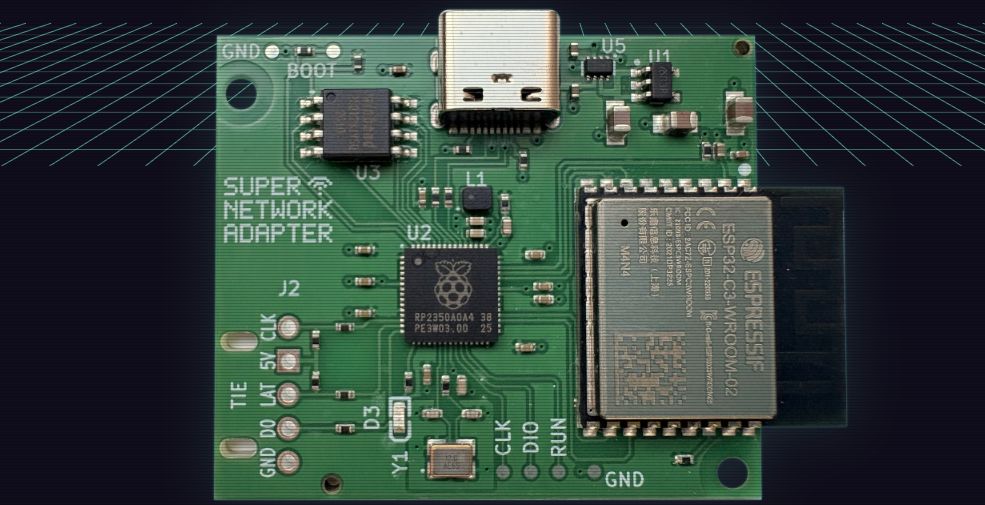
The Super Nintendo Entertainment System, or SNES for short, didn’t have much in terms of networking or online functionality. While it originally did have an expansion board on the bottom that the SatellaView satellite modem uses, this was very much a niche application outside of Japan. Correspondingly [Danny Boland] opted to use the front serial ports – also known as the controller ports – for a wireless network adapter instead. This Super Network Adapter, or SNET, project combines an RP2350…
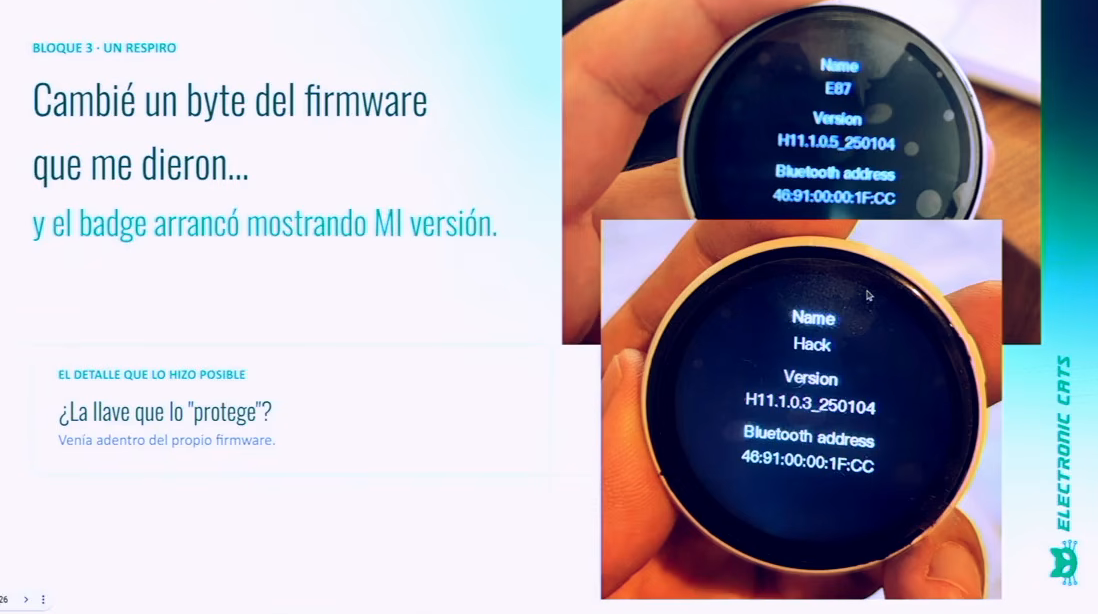
The JieLi AC707N is a cheap $10 digital badge that actually packs in a fair bit of interesting hardware. [Sabas] reverse-engineered the product and figured out how to flash custom firmware onto sealed OEM-fresh units. The AC707N badge, of the BR35 family, comes well equipped out of the box. It has a 360×360 pixel round display, driven over QSPI. It comes equipped with a AXS5106L capacitive touch controller for interacting with the screen. There are also two buttons, 4MB of flash, and Bluetooth…
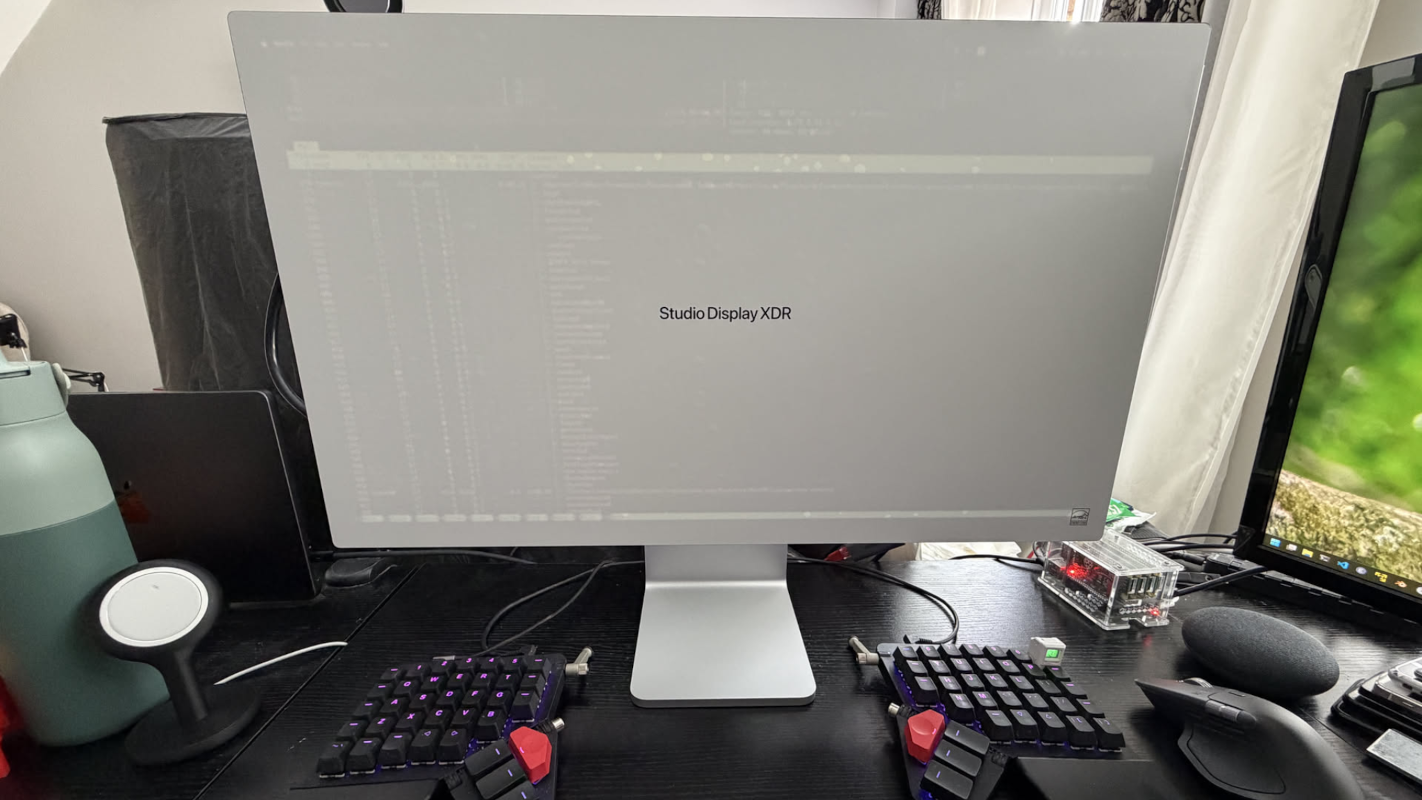
Displays in general are a lot more complicated now than they used to be, but even still, you’d be forgiven for not expecting a monitor to slow down your internet connection. Yet that’s exactly what [Oscar] ran into recently, and fortunately for us, he was good enough to document how he figured out what was going on. This bug might not have been discovered at all except for the fact that [Oscar] enjoys a 2.5 Gbps symmetric internet connection. When running a speed test he found he was getting…
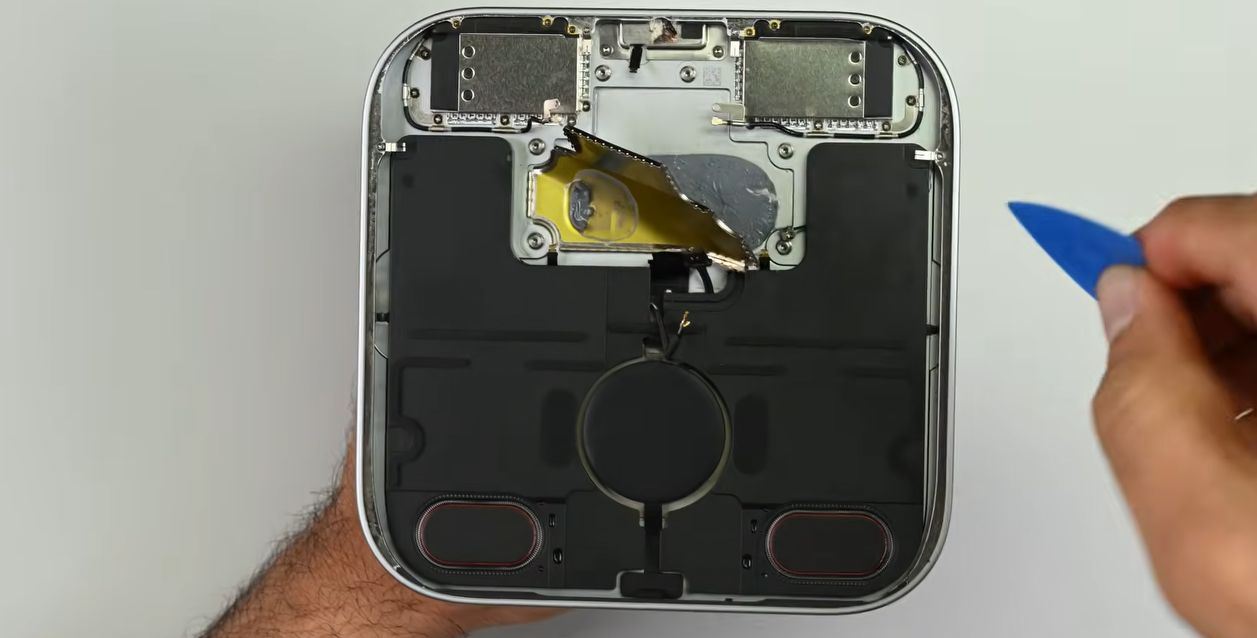
Over the past years there have been hopeful noises about Apple devices becoming easier to service and repair, but as [iFixit] found with their teardown of the new HomeView devices, such optimism may be premature. In this teardown they found that extremely strong adhesive is used for the display, as well as to keep the speakers in place. Even worse is that the mainboard’s back metal can is effectively glued in place with thermal compound, and the speaker connectors on the mainboard pretty much…
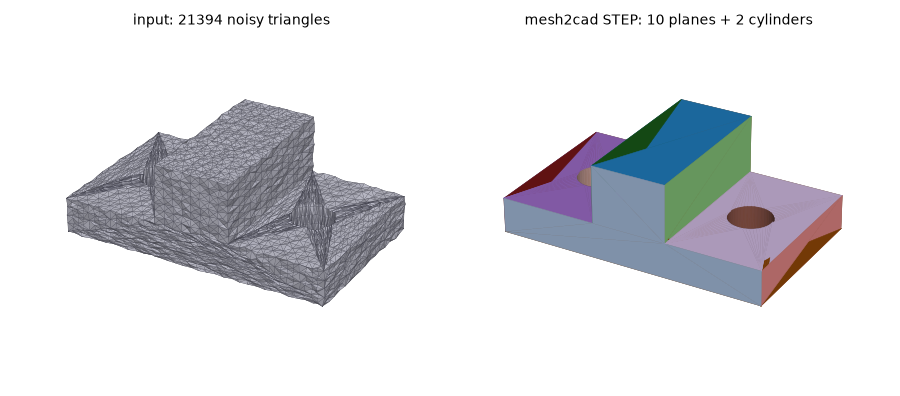
It’s happened to all of us, we find an STL that would just about solve our problems, but the mesh isn’t quite right. Sometimes mesh-editing is good enough, other times you need to rebuild the mesh in a proper CAD environment to get what you need. In that latter case, [Emir Mrkaljevic]’s Mesh2Cad program could save you a whole lot of work, because it does exactly what it says on the tin: turns a mesh to a CAD file. Even better, [Emir] doesn’t pick the CAD format for you. Sure, it does STEP, but…
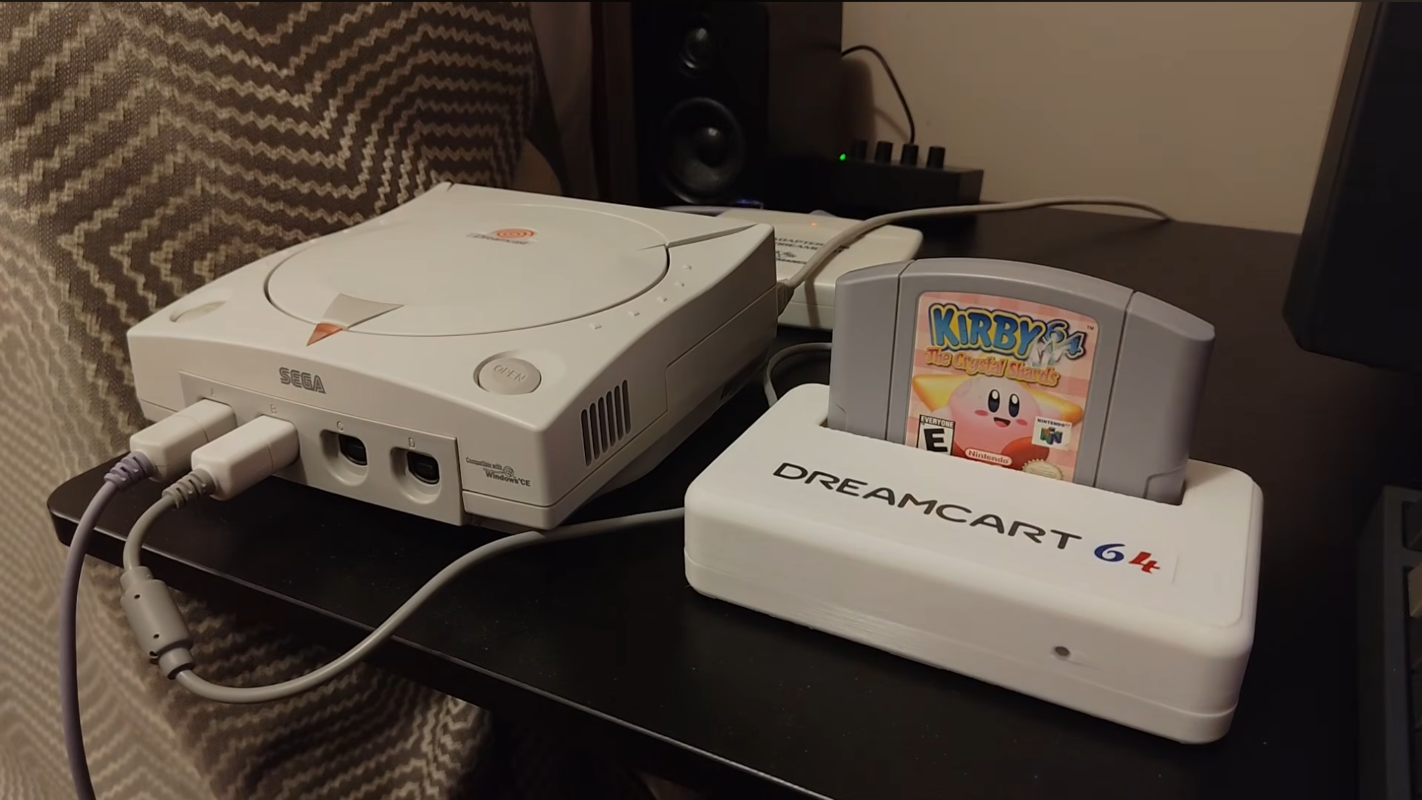
In many ways, the Sega Dreamcast was the most forward-thinking console ever produced. It included a built-in Internet connection in a time when the Internet was just becoming widely accessible, VGA output when most people connected their consoles to their televisions with composite video or RF adapters, and even supported a custom version of Windows. Its advanced features were partially a cause of its commercial failure, though, although the system is still beloved by a niche community today.…
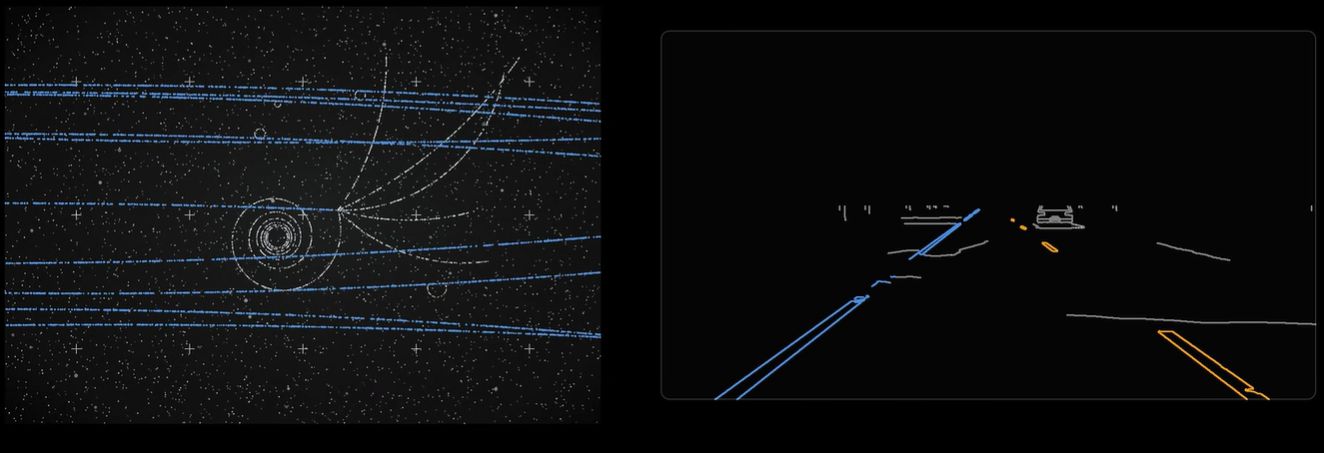
Although identifying what we can see with our eyes feels like the most natural thing in the world, the responsible cognitive processes running on our brain’s wetware are quite a marvel. Even when pushed beyond their evolutionary design by e.g. driving a car at high speeds does our vision system mostly manage to keep up. Emulating these cognitive processes with artificial cognition (AC) systems like computer vision required the development of feature extraction algorithms, such as the Hough…
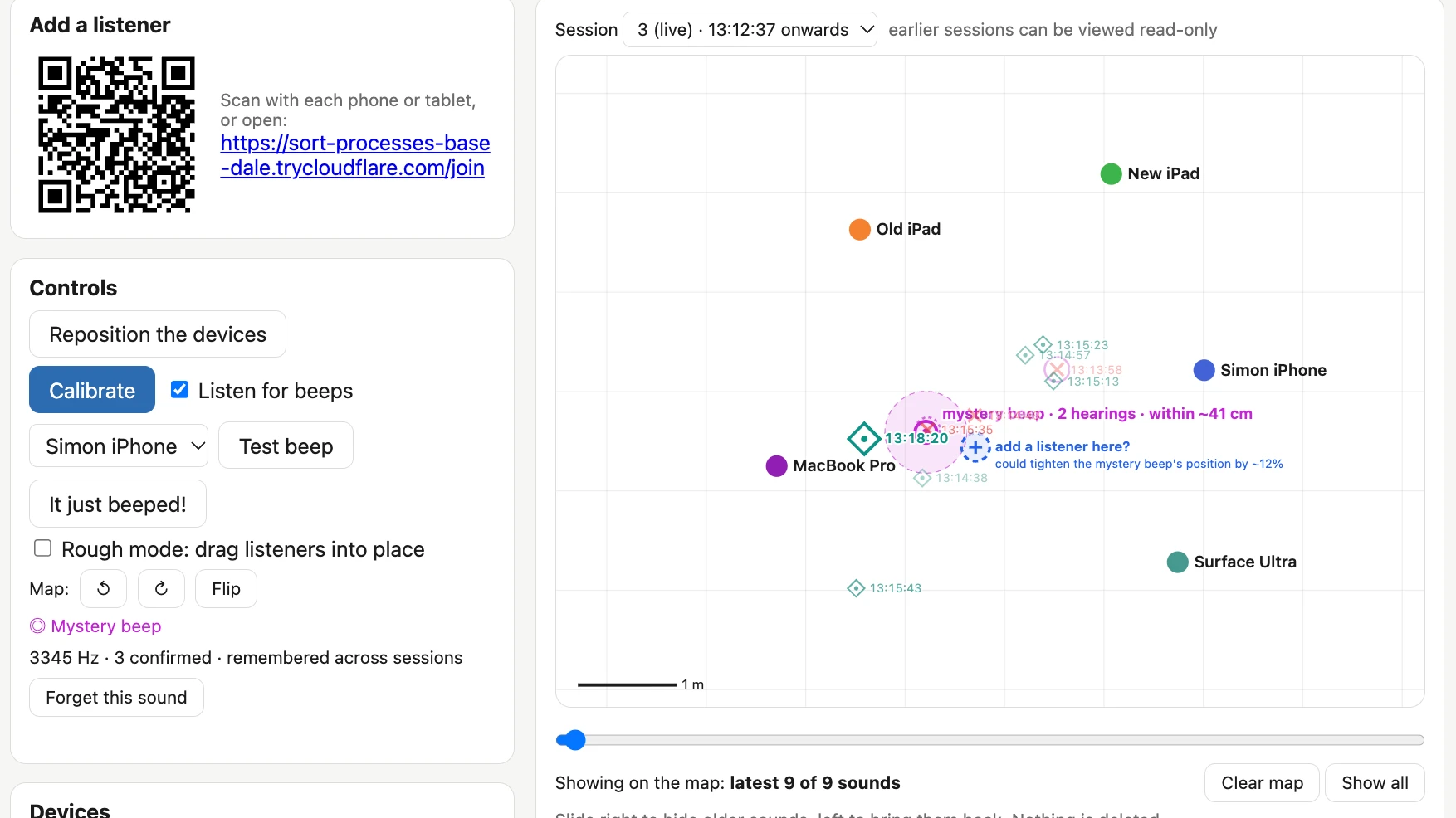
[Simon Willison] recently used a coding agent in an unusual way. A software system temporarily used the microphones on devices scattered around the room to triangulate the source of a mysterious, intermittent beep coming from within one of the many boxes in the room. The main part of the system is a Python web server, and the listeners can be any old devices one might have hanging around. Scan a QR code, and the device becomes a listening post by leveraging the Web Audio API. With listeners…
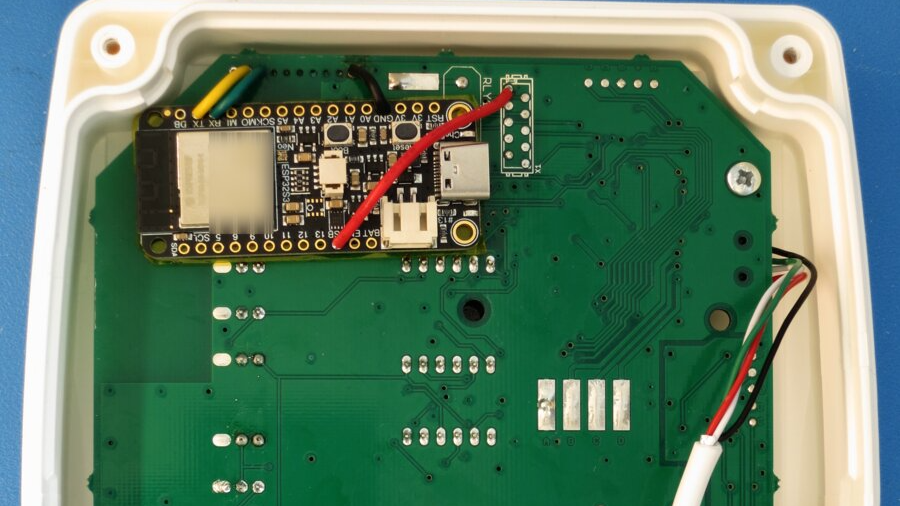
When setting up to grow plants hydroponically, it’s important to keep an eye on the numbers, temperature, pH, and electrical conductivity, to name a few. To do this, [Joziti] bought a Bluelab Guardian monitor, which worked well but had a fatal flaw: it required an internet connection. To free the Guardian from the cloud, [Joziti] developed an ESPHome connection for the Bluelab Guardian. As far as hardware projects go, this one is pretty straightforward. It involves replacing the built-in…
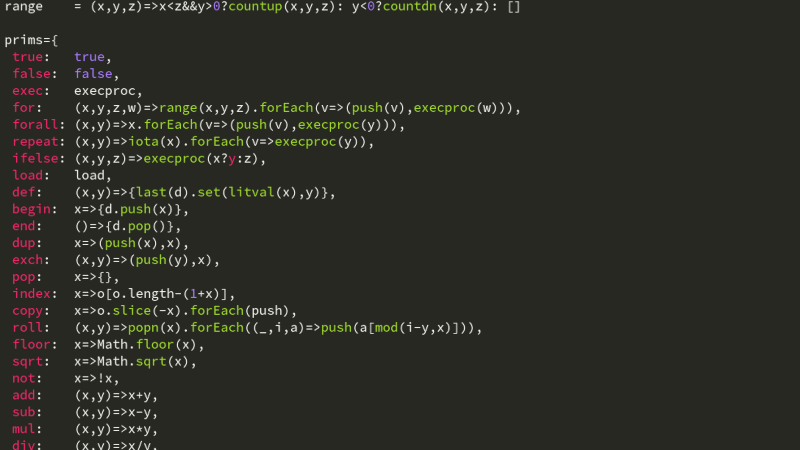
Maybe you like old laser printers. Maybe you were a fan of [Don Lancaster]. Maybe you like Forth, HP calculators, and everything RPN. Whichever it is, why not write your own PostScript interpreter? That’s what [beyondloom] did (and we shamelessly stole their joke for the post title, too). PostScript started out as a language to describe pages for laser printers but went on to have a life of its own, including a stripped-down version being at the core of PDF files. If you are a fan of RPN,…
We see some strange software around these parts, but this is probably the strangest. DIVINER is a firmware for the M5 Cardputer, which is an interesting device in its own right, being essentially a tiny ESP32-S3 dev kit with an even tinier screen, keyboard, some GPIOs, I2C, and an audio jack for output. It is essentially a blank canvas that can do anything if you write the firmware for it. And that’s what DIVINER does: a little of everything. It’s part standalone synthesizer and sequencer,…
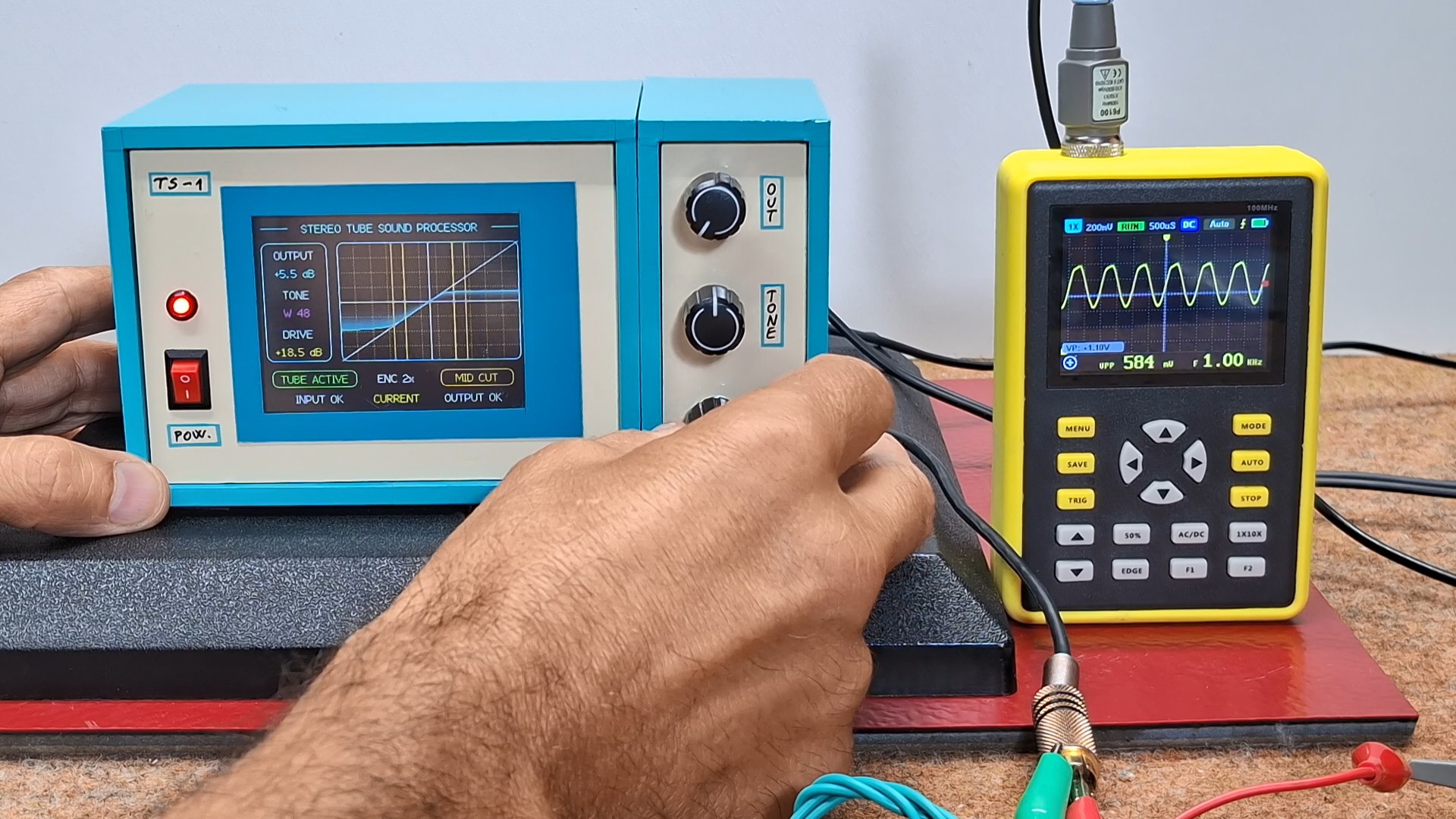
We love audio, and we love messing around with it. So when [mircemk] wrote in with his latest audio-mangling device, we had to give it a look. It’s a tube-sound processor implemented in an ESP32 with a WM8960 handling the audio side of things. Tubes are expensive, power hungry, and a general pain in the posterior, so there is incentive to DIY it yourself with DSP. The whole setup is mounted in a Tektronix-inspired case that would be at home on the workbench or in the living room. See? No tubes!…
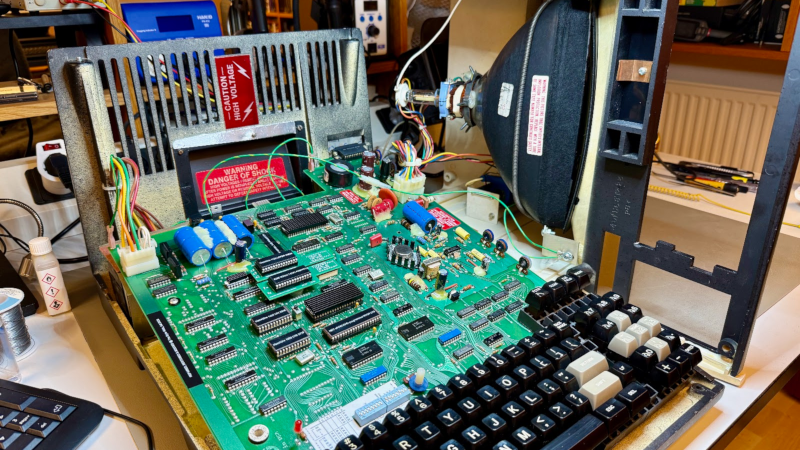
There was a time when buying a computer also meant picking out a compatible terminal. There were many to choose from, some good and some bad. While we were partial to TeleVideo, other well-known names included Lear Siegler and ADDS. There was also Hazeltine, a well-known brand that could emulate many other terminals. [The Byte Attic] had an unusable Hazeltine 1420, and finally got around to getting it working again. As you might expect, the old terminal was full of suspect capacitors. A power…
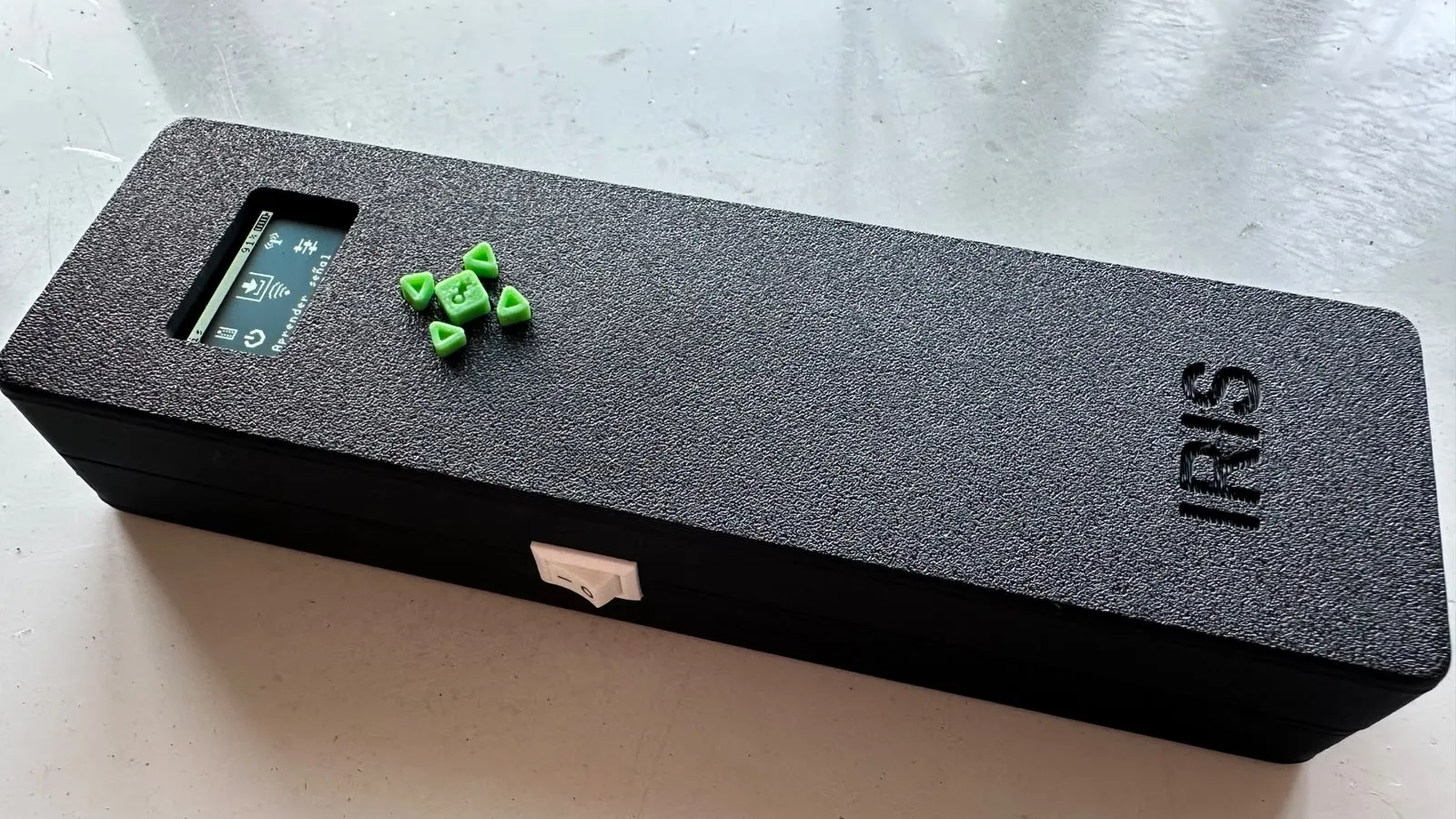
Universal IR remotes able to learn codes from existing devices were once popular consumer items as well as DIY projects, but they could become quite complex themselves, sometimes with a dizzying number of buttons. [Nicolas Ruiz Neiman]’s IRis project carries the concept further with features that leverage modern parts and tools to deliver a more focused end result. IRis keeps things clean and simple with four directional buttons, a single OK key, and a small OLED screen. IRis can learn and save…
There are myriad challenges associated with data preservation – bit rot, loss of metadata, and hardware failures, among others – but one of the hardest is making sure that the data remains usable as software goes out of date. [Maarten Tromp]’s father, for instance, had been using the Score Perfect music notation program for years, but since development ceased in 2012, the files would eventually need to be transferred to more modern software. To do this, [Maarten] undertook a four-year project…
For as long as there have been sports cars, there have been blokes in tin sheds making their own sports cars. It’s a pursuit that has birthed famous marques and more than one motor racing series. Over the years these home made autos have been variously made of steel, aluminium, and fibreglass, and now thanks to [Kevin Kuehn] they can also be 3D printed. His car little open top number with a body 3D printed ion PETG, and finished with a layer of carbon fibre. The styling is very organic, but…
Vehicles have come with diagnostic ports for many years now, and there are a host of easily available tools to interrogate them. Despite that, there are still proprietary aspects that remain out of reach. For one of them there may be a way to know more though, as [Daniel Henzulea] has made what he describes to us as a dealer-grade diagonostic tool for Harley-Davidson motorcycles. These machines don’t come with the familiar OBD-II port. The Harley diagnostic port is a custom six-pin socket that…
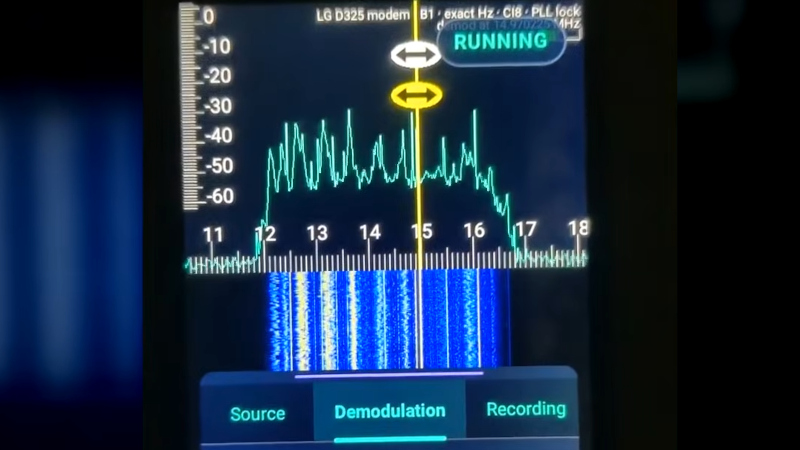
One of the more exciting recent developments has been the discovery that many radio chips used in common and cheap wireless network interfaces, microcontrollers, LoRa interfaces and others can be persuaded to give access to their baseband data streams This gives them full SDR functionality, which on cheap devices is hugely interesting. Continuing that trend and taking it to a new height is [Logan Zarov], who’s converted an LG D325 Android phone into a wideband receiver with very minor…
After previously exploring the basics of UDP broadcasting, why IPv4 subnets are an exciting feature that you really want to dive into, as well as the contentious topic of IPv6, there are still plenty of elephants to admire and cans of sardines to crack open. One of them being the topic of broadcasting versus multicasting, which at first glance sounds rather similar and may even have some wondering why you’d even bother with multicasting if you can just send-and-forget with IPv4 broadcast…
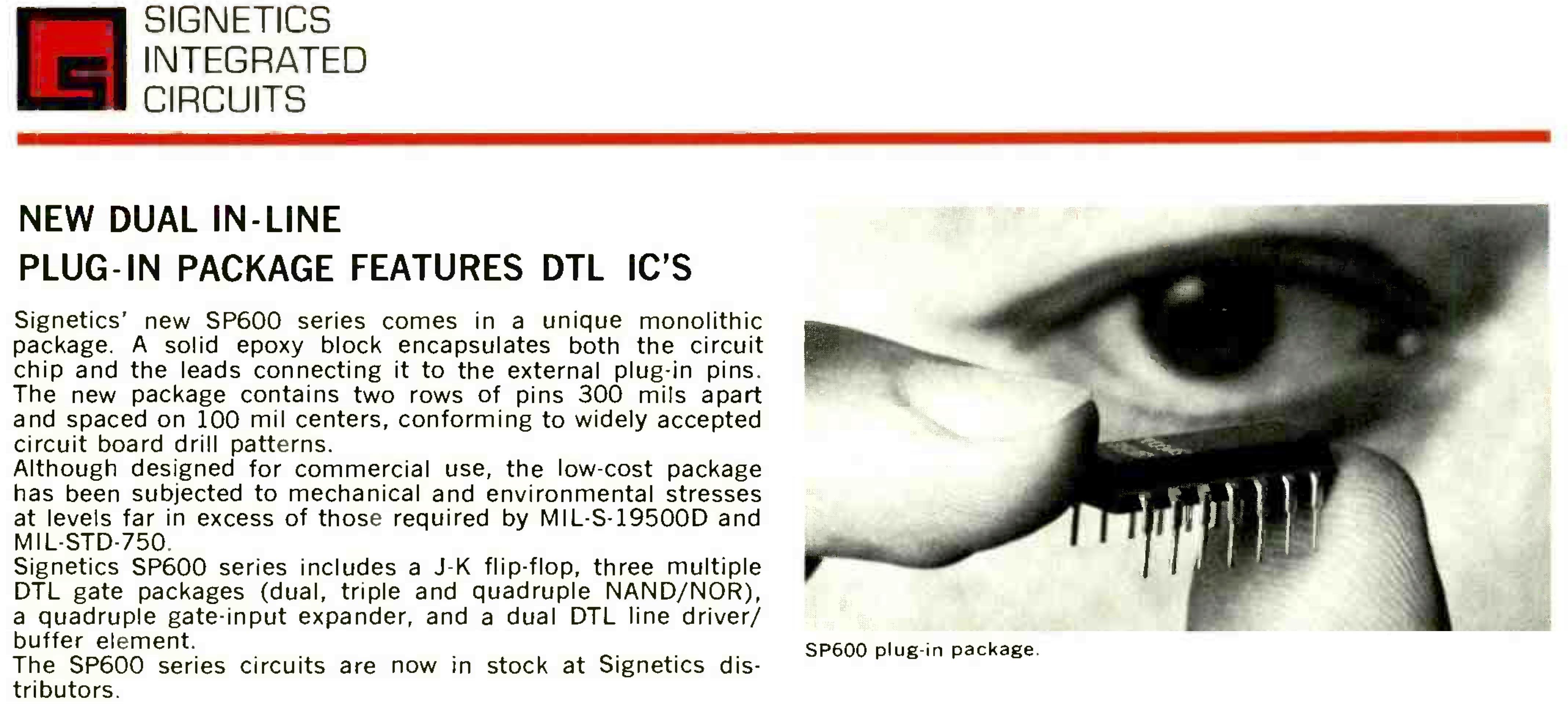
Before transistor-transistor logic (TTL) took over, diode-transistor logic (DTL) was a common sight especially in pre-IC circuits where it was a major improvement over resistor-transistor logic (RTL). That said, it’s rare to see DTL used in ICs considering how e.g. TI’s 5400 and 7400 series set the trend in the 1960s. This makes the Signetics ST680a quad-NAND gate DTL DIP IC that [Ken Shirriff] ogled recently a bit of a treat. This was also one of the earliest ICs to use the then brand new…
When you think about nuclear radiation, you often think about power plants, but it turns out there’s radioactive stuff all over the place: smoke detectors, granite counters, bananas, and potatoes can all be mildly radioactive. Even some old tape dispensers. But those are all puny sources. Radon is a colorless, odorless gas that is heavier than air. It is a byproduct of uranium decay, amonth other pathways, decays by emitting an alpha particle, and has a half-life of just about four days. As a…
There are a dizzying number of satellites in orbit around the Earth these days, and more are being added at an incredible rate. Those of us with an interest in space are aware of this on a conceptual level, but it’s still difficult to put into human terms. If you’re having trouble wrapping your head around the traffic buzzing overhead, perhaps the new feature on OrbitalWiki which turns satellite overflights into live music may help. Given your location, or at least an approximation of it,…
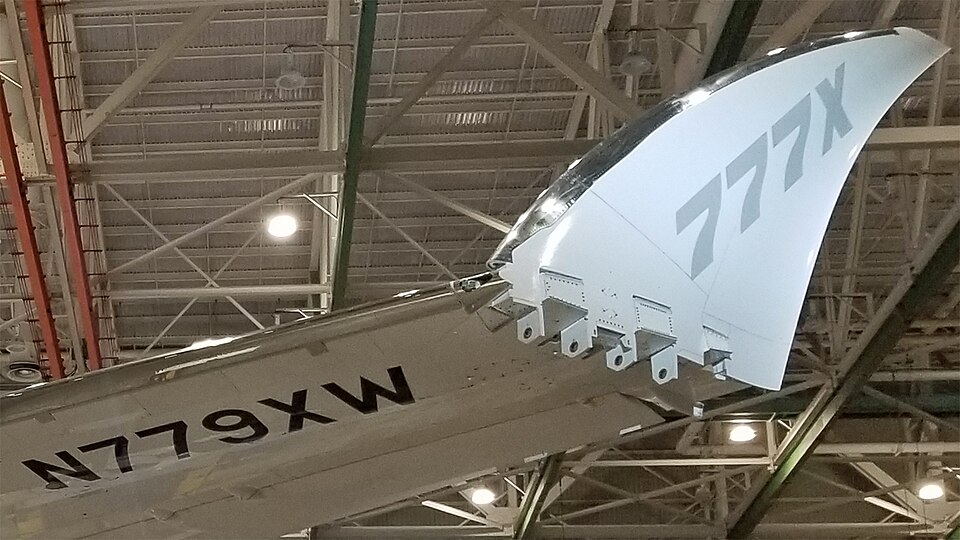
Folding wings have a long history in aviation. Particularly in the military world, where the ability to fit more fighting planes on a boat made a very real difference to the outcomes of a combat situation. In civil aviation, though, particularly at commercial scales, the idea has been less popular. As unattractive as complexity can be, the push for ever greater efficiency and performance may be changing things in this space. In coming years, you might find yourself boarding an airliner and…
Although premature optimization can be a really bad thing, late optimization is sometimes unavoidable because we simply didn’t have know about certain algorithms yet to massively improve the solving of a problem. When the 1990s was all about beating chess grandmasters at their game, IBM went so far as to build a the Deep Blue custom super computer for it. This is what [Nicholas Carlini] managed to effectively beat using a version of the Stockfish chess engine running on an era-appropriate…