Why We Delay Important Decisions
Why do we put off important decisions? It may have more to do with avoiding discomfort than managing our time.
Posts from every feed QUEST has found across the web — blogs, news, podcasts, channels and more.
The latest blog posts from Psychology Today
Why do we put off important decisions? It may have more to do with avoiding discomfort than managing our time.
Eyewitness accounts, when combined with the human proclivity for storytelling, can result in amazing accounts of things that never happened.
Before sexual assault, there's often sex that feels scary. Who experiences scary sex? Why? And what can be done to make sex less scary?

Meditation can help to reduce shame surrounding fetishes. Here's how.

When students face difficulty in understanding an assignment, they should ask for hints from their instructors or an AI, rather than for answers.

Personal Perspective: One of the saddest definitions of a "drive-by" is when a person pretends to care, but then quickly moves on.

Combating parental alienation can seem nearly impossible unless you know how it works and what to do. A fictional scenario helps explain.

Seventy-four percent of adults identify the future of the U.S. as a source of stress. The cultural unconscious helps explain shared feelings of anxiety.

We trust a thermometer because people spent centuries checking it. Loneliness measures haven't had that work, and errors send help to the wrong places.

Why do we keep finding ourselves in familiar painful patterns? Sometimes our attempts to heal old wounds unintentionally recreate them.

Any loss is accompanied by emotional pain, but when people lose siblings, a unique and nuanced type of grief can result, in which they experience several different layers of grief.

Why do some people welcome GLP-1 medications while others hesitate? Beyond medical concerns, the decision may reveal how we understand self-control, effort, and achievement.
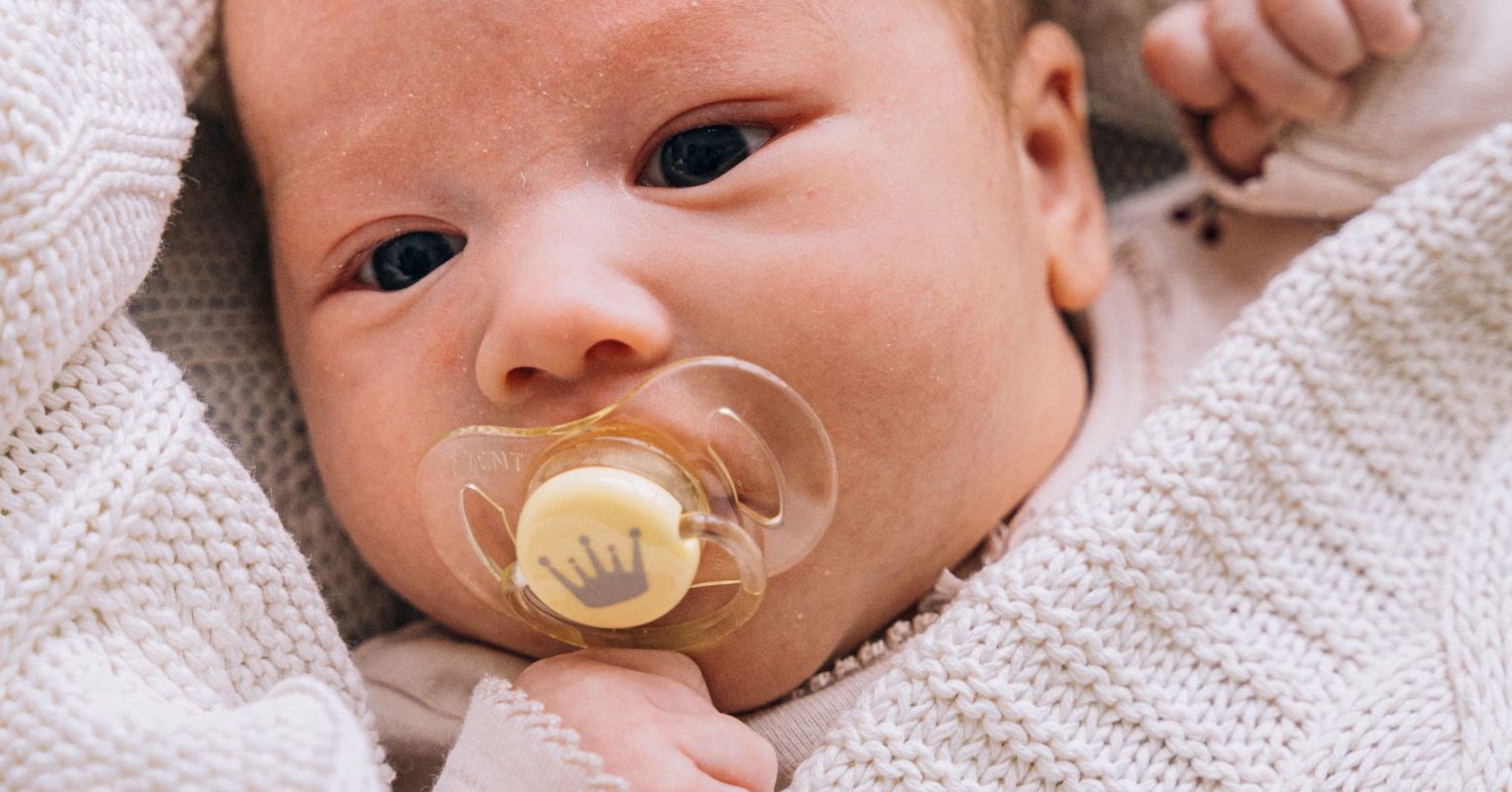
Personal Perspective: A baby’s pacifier is much more than an inanimate object. It is a powerful carrier of the mother’s daily experiences and a vault for memories.
Chatbots are increasingly present in our lives. AI tools can't replace human connection, but they may strengthen and enrich our social world in meaningful ways.

Job crafting has come a long way in 25 years. Here's what two anniversary special issues reveal about where the research stands today.

Current political advertising, using conditioning of fear, uses methods pioneered by behavioral psychologist John B. Watson. Such methods pose severe challenges in a democracy.
We are often told to just let go of guilt, but we rarely talk about why it can feel like letting go of who we are. Find out why challenging guilt is so hard and what to do about it.

Mental health product marketing has strategically worked to sell the diagnosis, not the product.

In a new movie, a boy literally gets swallowed by a whale and must learn to reconcile himself with his father to survive.
Your body’s alarm system kept your ancestors alive. But what happens when that alarm is triggered by emails, bills, and everyday pressures?

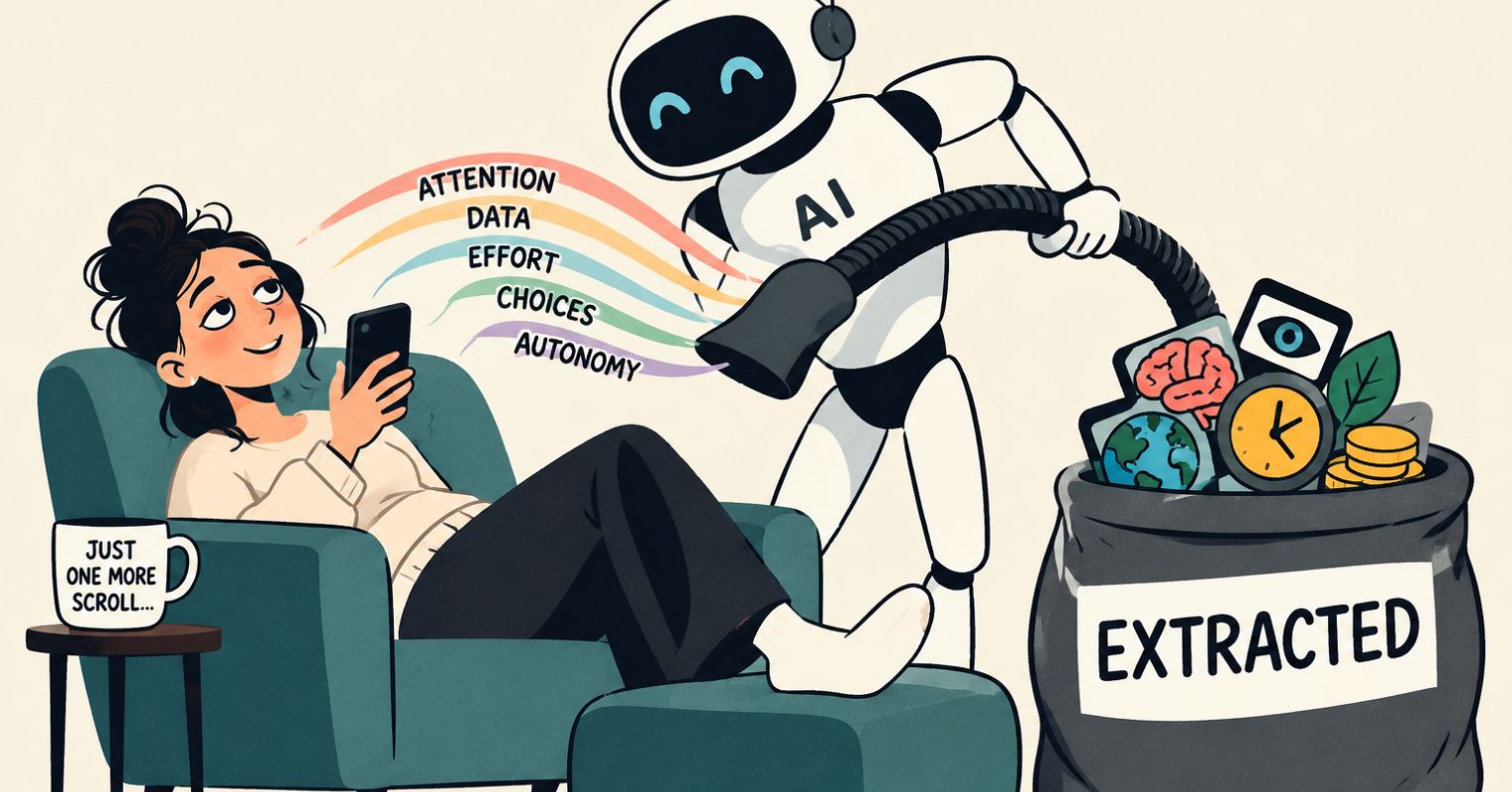
Extractive hybridization is about mindsets. AI amplifies our goals. Before asking what kind of AI we want, we may need to ask what kind of human we want it to amplify.
We chase self-esteem like it's a holy grail. But your self-esteem can be high yet fragile. What if unconditional self-acceptance is the steadier foundation you need?

“Postpartum” depression, anxiety, and bipolar disorders often begin long before birth—and need to be treated early to protect mom and baby.

A lack of training on how to treat neurodivergent clients leads many therapists to feel they do not meet competency standards, which creates serious ethical dilemmas.

It's important to look beneath "frivolous" or superficial themes to uncover deeper meaning about external and therapeutic relationships.

Melatonin not only regulates our sleep rhythm but also plays an essential role in immune system function. Long-term use of melatonin supplements may cause serious health risks.

Divorced women may assume that they now have less value than they did when they were married. That self-limiting belief can be neutralized. Practicing self-compassion can help.

Is A24's (meta-)documentary "You Can See Everything" inaccurate? Holmes is trying to mislead the directors, but are they pulling the wool over our eyes, in turn?

Trying to help someone who’s suffering? Why “stay positive” can backfire—and how to offer support without asking them to find a silver lining.

Hallmark's "Who's Coming to Dinner?" provides a way to explore how community develops through invitations, shared interests, mutual contributions, and vulnerability.