6 Signs Grand Theft Auto VI Is Coming Between You and Your Partner
If your virtual relationship is getting more of your time, energy, thought, and care than your real one, it's time to pause and examine what's going on.

Posts from every feed QUEST has found across the web — blogs, news, podcasts, channels and more.
The latest blog posts from Psychology Today
If your virtual relationship is getting more of your time, energy, thought, and care than your real one, it's time to pause and examine what's going on.
Learn how to use open communication and savvy planning to support a partner with seasonal affective disorder.

After a fight, couples are often tempted to dig in or escalate. A better approach is to chose steps of repair, which can help partners move beyond blame and find a way forward.

Can an AI chatbot really be your friend? Research suggests artificial companions may ease loneliness, but relying on them too much could come at a cost to human relationships.

What are the best ways to support today's students? While many scholars are advocating for improved funding and curricula (all needed), it misses a deeper concern.

BPD is treatable, but not everyone needs the same approach. Explore five evidence-based treatments, how they work, and what to consider when choosing the right care.

Limerence is a unique preoccupation with another person. Research offers more insight into how it develops.

You hear an ageist remark, and there are children present. How can you politely and quickly counter that remark with positive and realistic comments? This blog will explain.

Nihilistic violent extremism is spreading fast. Experts still can’t agree on what it is.

Two new studies of school phone bans draw attention to a larger issue than test scores: how the conditions around children can support or interrupt learning.

Thirty family members from ages 3 to 76 sing together at Thanksgiving, turning a busy feast into a shared rhythm of connection, song sheets, and collective gratitude.

How we approach musical interpretation can help us pursue challenging human connection.

The holidays can be especially challenging for someone recovering from an eating disorder. Here are four ways family and friends can help.

Even when self-initiated, efforts to change one's sexual orientation appears to be harmful to mental health.

Equality in romantic relationships doesn't necessarily mean contributing equal amounts. It means ensuring autonomy, dignity, and a balance of power.

Why does “I’m setting a boundary” sound like “I’m leaving the family” to some parents? Research on adult development helps explain the gap, just in time for the holidays.

When we are treated badly and choose to forgive, something awaits us near the end of the journey. It is the finding of meaning in what we have suffered. What are your new meanings?

Autistic employees often become targets of workplace bullies. The best way to address the problem might be to reform organizations.
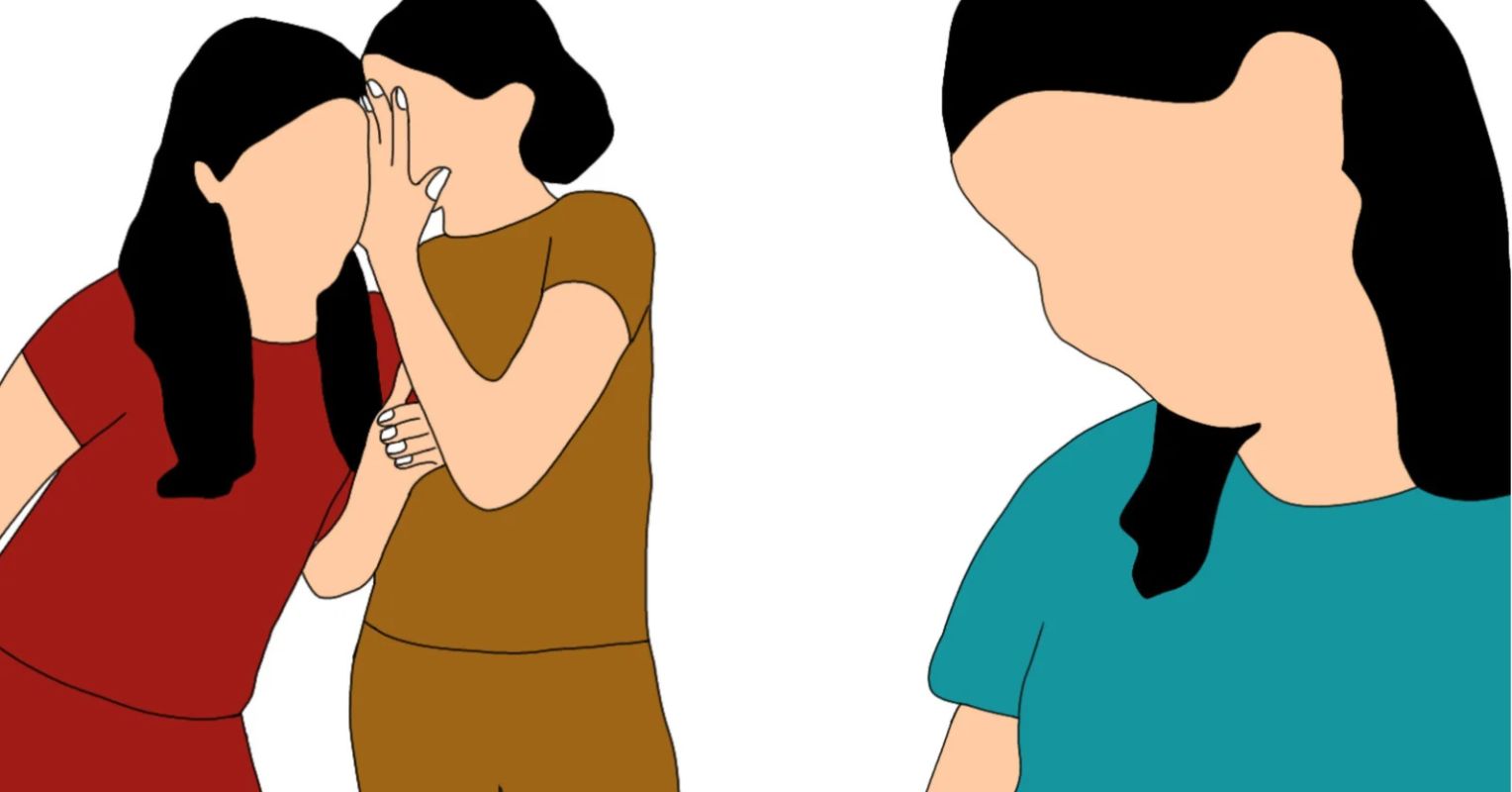
Focusing on making yourself happy could be making you unhappy. Is it time to give up the project of “me”?
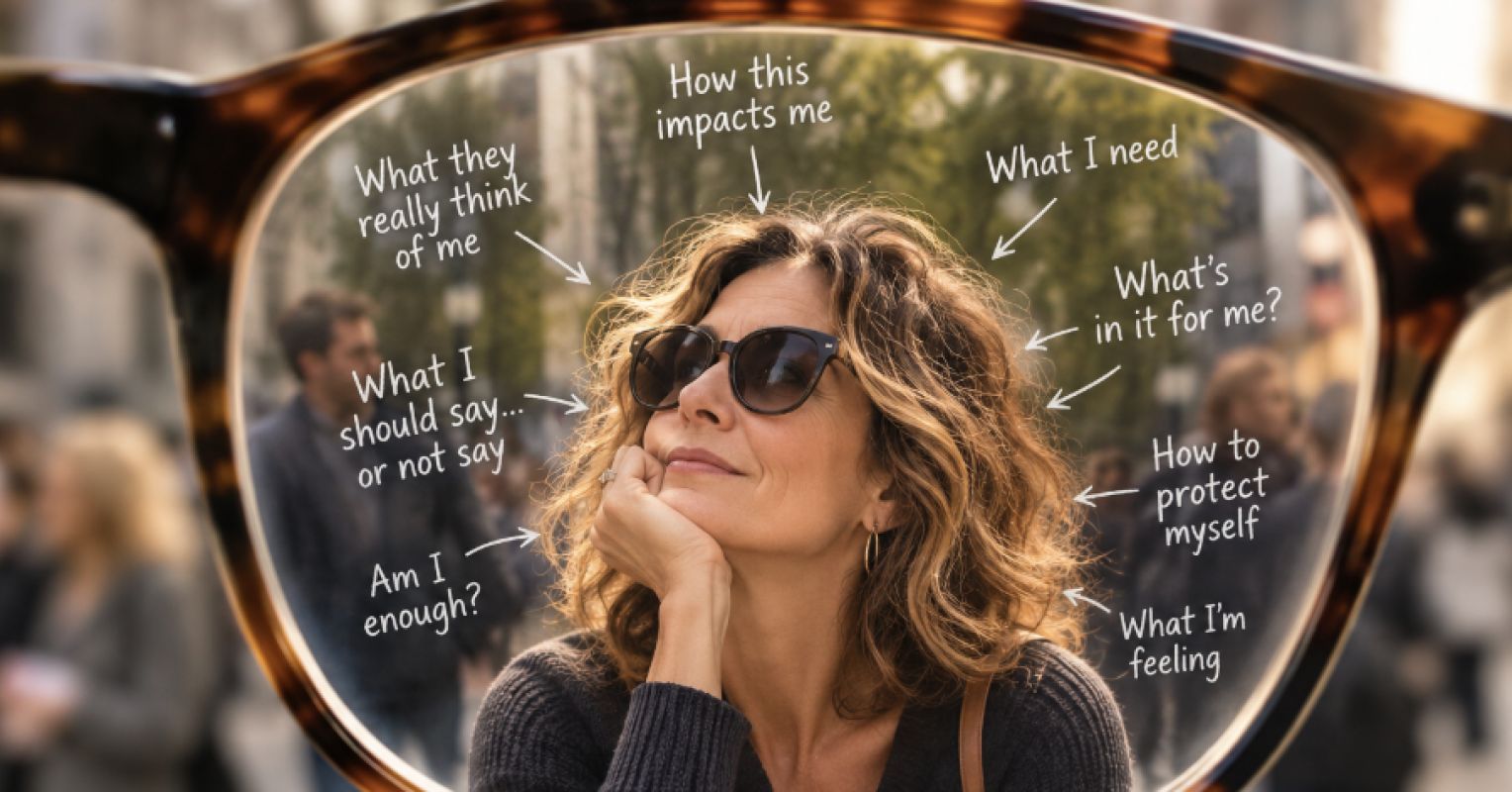
From emotional distance to complete separation, family estrangement exists on a spectrum.

Post-COVID, we’re craving face-to-face, and rightly so. But writing off telehealth may be costing us: it works just as well, and for talking about sex it might work even better.

Heartbroken after the end of a romantic relationship? Many factors will influence the intensity of the heartbreak and the recovery timeline.

Are you a stressed-out leader? If so, this article will provide four tips for recovering from stress after work. Read more to start your next workday fresher and more energized!

Our growing reliance on AI for emotional support reflects a broader flight from human conversation. But what happens when we mistake feeling understood for being genuinely known?

Everyone loves being admired and appreciated—when it's authentic. Here's how to tell.

Evolution leaves no room for cosmic purpose. Nietzsche saw it first.

What does an astronaut rejected by NASA for a decade have in common with an NBA champion? Their approach to setbacks reveals what separates high-performers from everyone else.

Who needs to know about egg donation? Parents may want privacy, but what about the kids? Understand the difference between privacy and secrecy and some of its complexities.

How we respond to hurt shapes our personal relationships—and our society’s shared future.