Lack of hiring now will create a ‘missing rung’ that may topple growth
Employers are betting on automation to cover a lack of entry-level hiring. But what happens 10 years from now when there’s no one to promote?
Posts from every feed QUEST has found across the web — blogs, news, podcasts, channels and more.
Employers are betting on automation to cover a lack of entry-level hiring. But what happens 10 years from now when there’s no one to promote?
Under a five-year consent decree, Mid-Michigan Home Health & Hospice must pay $41K to a Black nursing assistant allegedly denied assignments given to White co-workers because of their race.
An employee’s request for “a few weeks” of leave beyond the 12-week provision of the Family and Medical Leave Act also wasn’t necessarily unreasonable, it noted.
This lawsuit is “a very important case, in terms of employer practices,” one attorney at American Bar Association’s Labor & Employment Law conference said.

The idea that diversity, equity and inclusion is a short-lived trend ignores history and legal reality, according to speakers at an American Bar Association conference.
Learn how ICHRA can help employers control costs and offer employees greater health plan choice.
As an HR leader, you already have a valuable view into the people side of the business, but how do you turn that insight into influence?
We’re rounding up last week’s stories, including the impact of Grand Theft Auto VI’s release and religious accommodation for artificial intelligence tool use.

Multiple factors are contributing to low engagement rates, including a low-hire job market, layoff anxiety, artificial intelligence uncertainty and burnout, per new research.

Congress should consider passing a “PRO Act plus” while also minding state efforts to get involved in labor disputes, Jennifer Abruzzo said at an American Bar Association event.

The U.S. Department of Labor issued a final rule to rescind “affirmative action requirements” for federally registered apprenticeships, effective Jan. 5.

As companies try to offset accelerating costs, employees face higher out-of-pocket expenses and the loss of some generous coverage options, a WTW survey found.

As companies plan payroll reductions, they’re also tightening their belts on severance packages while offering more extensive career transition services.
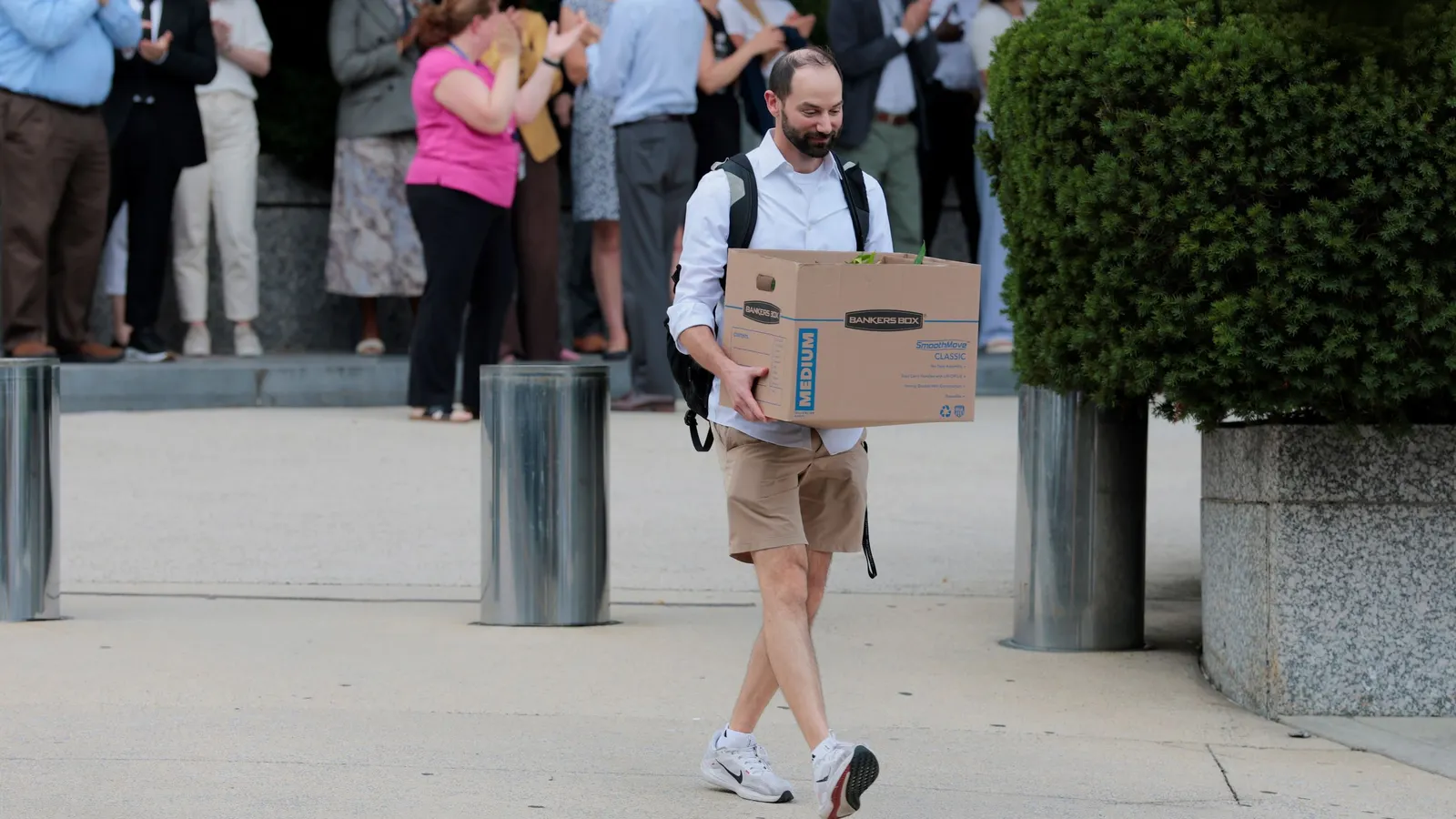
Employers are replacing workers with artificial intelligence and then calling them back — but employees are demanding more money to return.
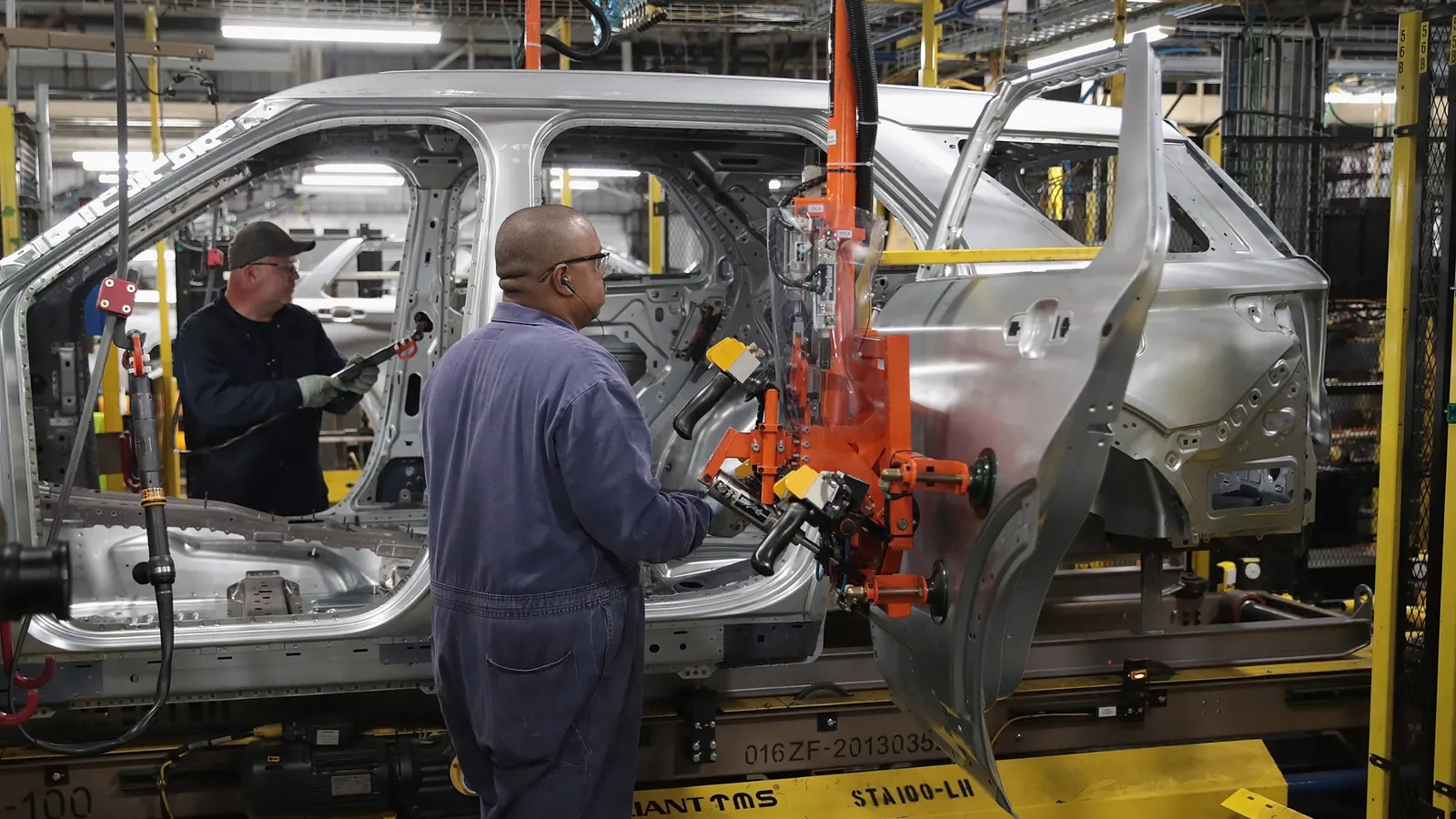
Relevant apprenticeship programs span the gamut from information technology to shipbuilding and defense to semiconductor production.

Unresolved issues from previous workplace upheaval may lead to increasingly heavy burdens for employees, a recent study found.

The federal government alleged that HR personnel “exerted pressure on leaders” to remove nonminority employees initially selected for a compensation program and add minority workers.

The success of some down-the-ballot measures translates to an even more complicated legal landscape for employers.
The strongest organizations use data as a diagnostic tool by looking for patterns, asking questions and making improvements where needed, one source told HR Dive.
The biggest declines came from hybrid and remote employees at companies that had adopted artificial intelligence, according to the pollster.

The term describes employees who don’t consistently use new work methods they’ve been trained on, representing a learning and development challenge, TalentLMS said.

Starting in 2027, the controversial drug middlemen will have to share a broad swath of fee and compensation data with self-funded employer clients.
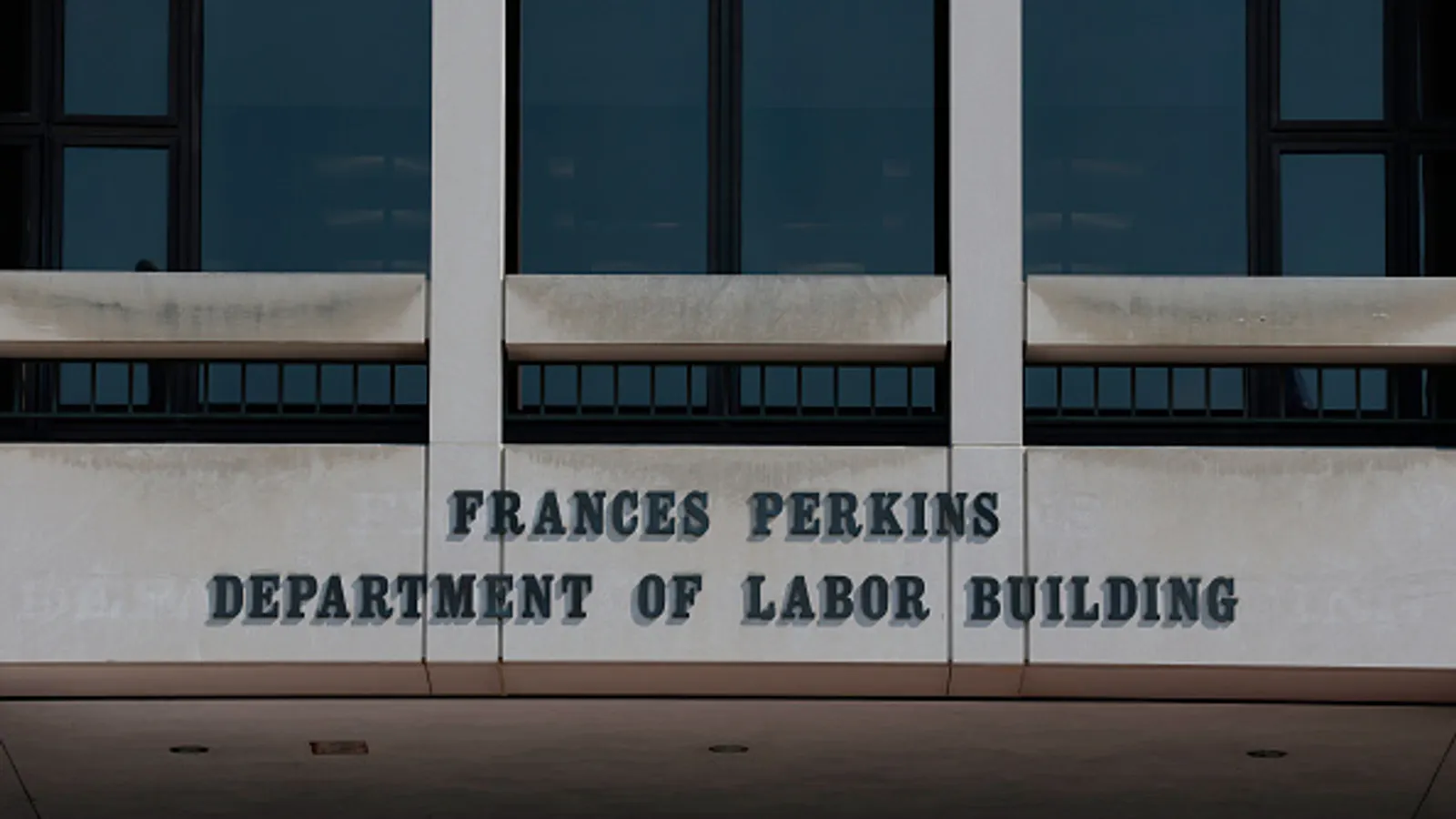
We’re rounding up last week’s stories and news, including cost of living increases and the rising ghosting problem.

Although many organizations have invested significantly in artificial intelligence, workforce productivity gains have not kept up, a recent study found.

The retailer expects around 200,000 seasonal employment applications. Its new AI platform aims to reduce the administrative tasks associated with hiring.
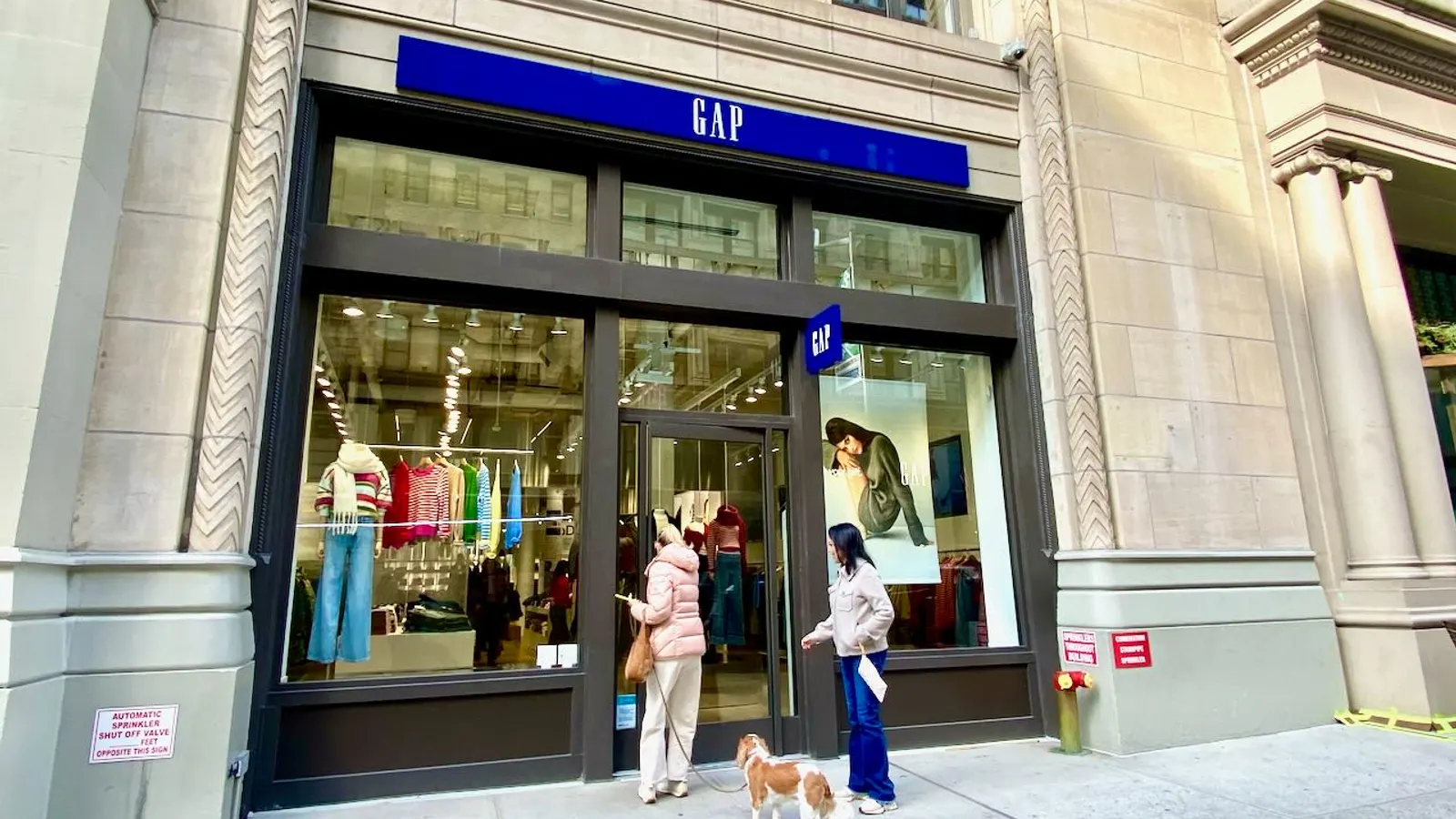
Companies in high-speed networking, live entertainment and other industries also brought on new leaders.

Lying is becoming normalized across work settings, studies show.

Workers may be afraid to ask about their choices due to fear of discrimination or anxiety, experts said.

The professional services firm was the subject of a claim by a known ransomware actor.

A study from Dayforce highlights workers’ fears about how AI use might make their work life worse.