Posts from every feed QUEST has found across the web — blogs, news, podcasts, channels and more.
M
MIT News
MIT News is dedicated to communicating to the media and the public the news and achievements of the students, faculty, staff and the greater MIT community.
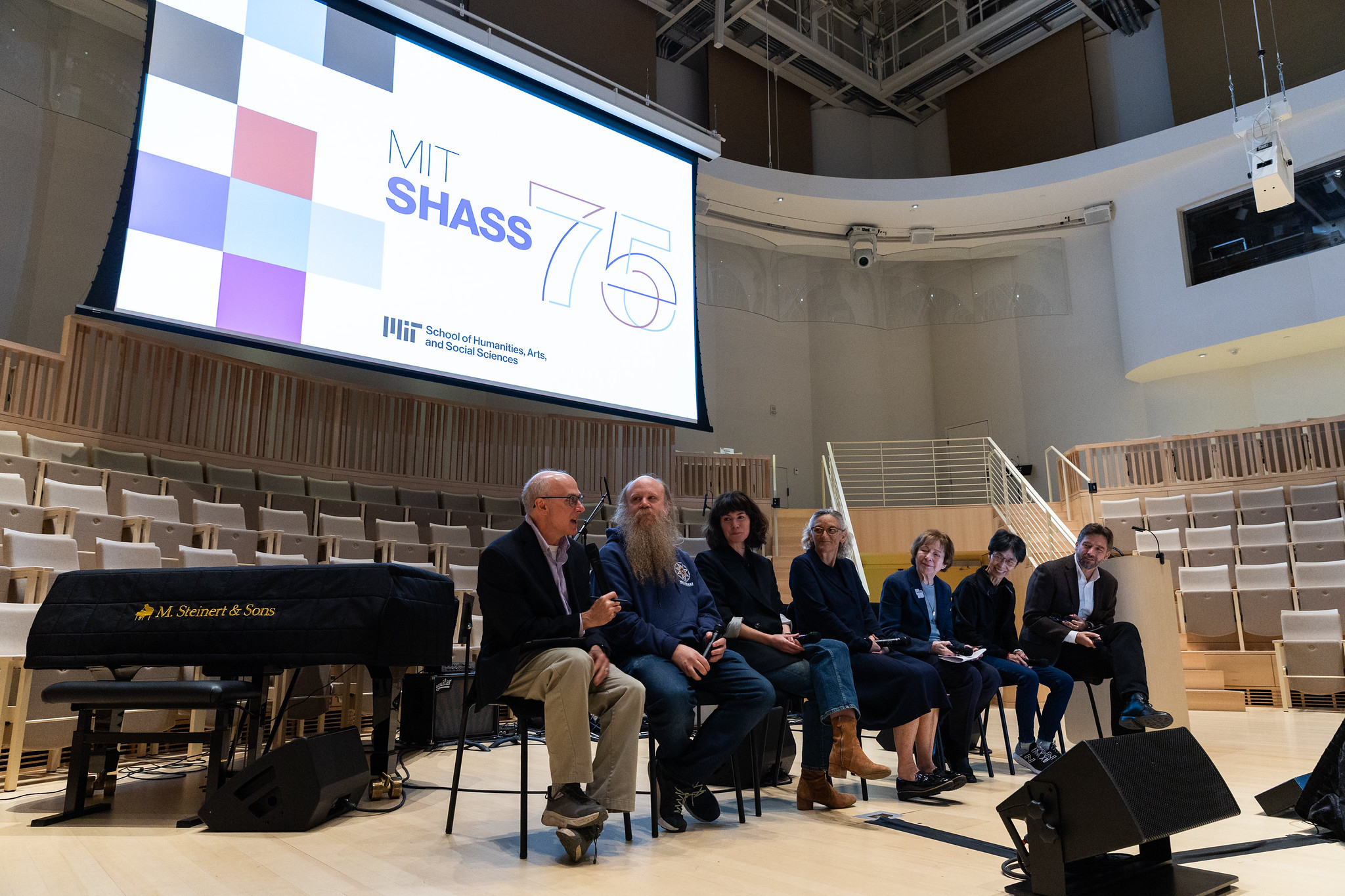
At the MIT School of Humanities, Arts, and Social Sciences (SHASS) 75th Anniversary Symposium, speakers celebrated the school’s value and contributions, while exploring how artificial intelligence is transforming many aspects of teaching, research, and society.The symposium was held Sept. 24-25 in the Linde Music Building’s Thomas Tull Concert Hall. Scholars, students, staff, and alumni from across SHASS and MIT gathered for the event, which kicked off with welcoming remarks from MIT…
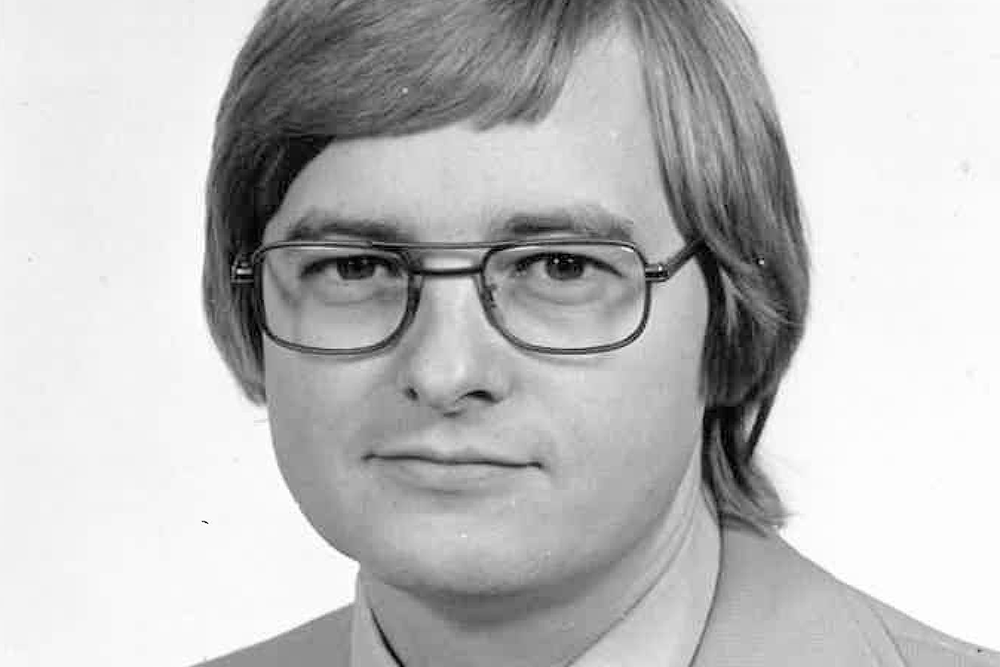
Gunter Stein, an expert on control systems and theory who was a longtime MIT adjunct professor and researcher who also worked at Honeywell Labs, died on July 11 in his home state of Minnesota. He was 84 years old. Throughout his career, Stein helped to reconcile competing schools of thought surrounding automated control systems, and he worked helped usher in an era of robust multivariable control.Born in Germany, Stein emigrated with his family to the United States at a young age. The son of a…
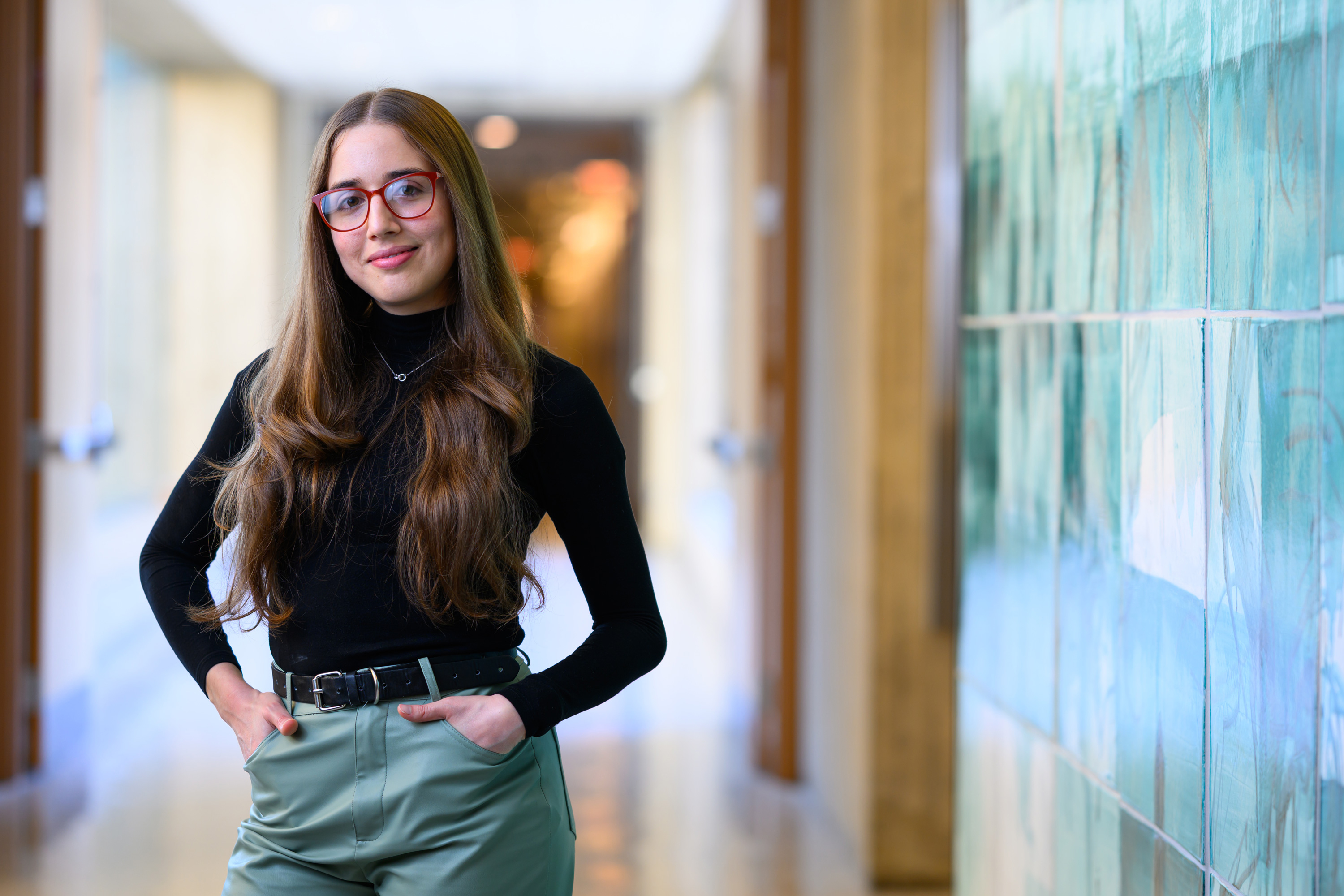
When Veronica Calzadilla Sosa transferred to MIT from Miami Dade College in Florida, she was an incoming second-year student with an interest in chemical engineering. She didn’t know how involved she would soon become as a student leader in the department.She would also go on to discover her competitive side.At the encouragement of a friend who was then a team captain, Calzadilla Sosa joined MIT’s chapter of American Institute of Chemical Engineers, and the two worked with the Department of…
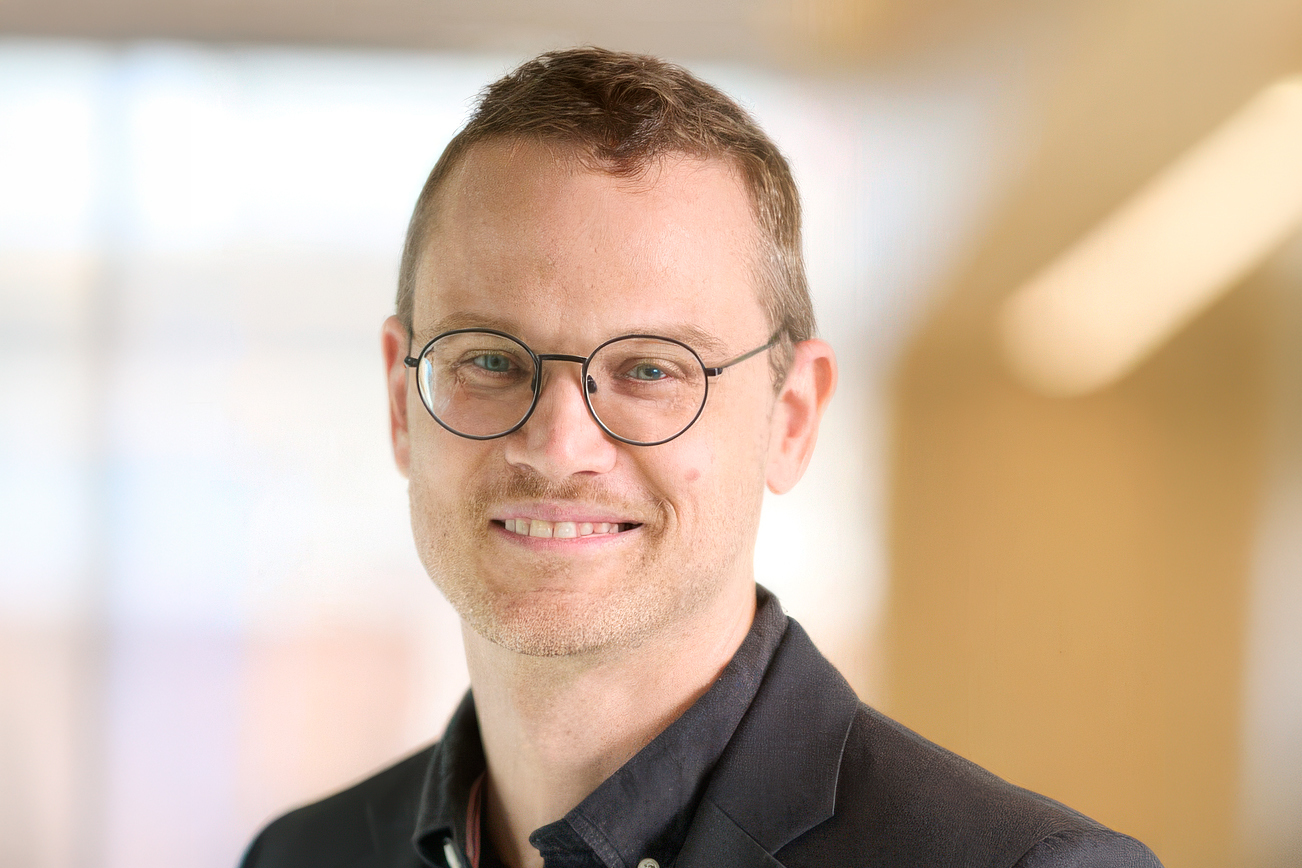
Generative artificial intelligence models are rooted in ideas of mid-20th century engineers who thought some amount of irrationality was essential for a machine that could think like a human, contends Benjamin Lindquist, an assistant professor in the MIT History Section, who holds an MIT Schwarzman College of Computing shared position with the Department of Electrical Engineering and Computer Science (EECS) and is a principal investigator in the Laboratory for Information and Decision Systems.…
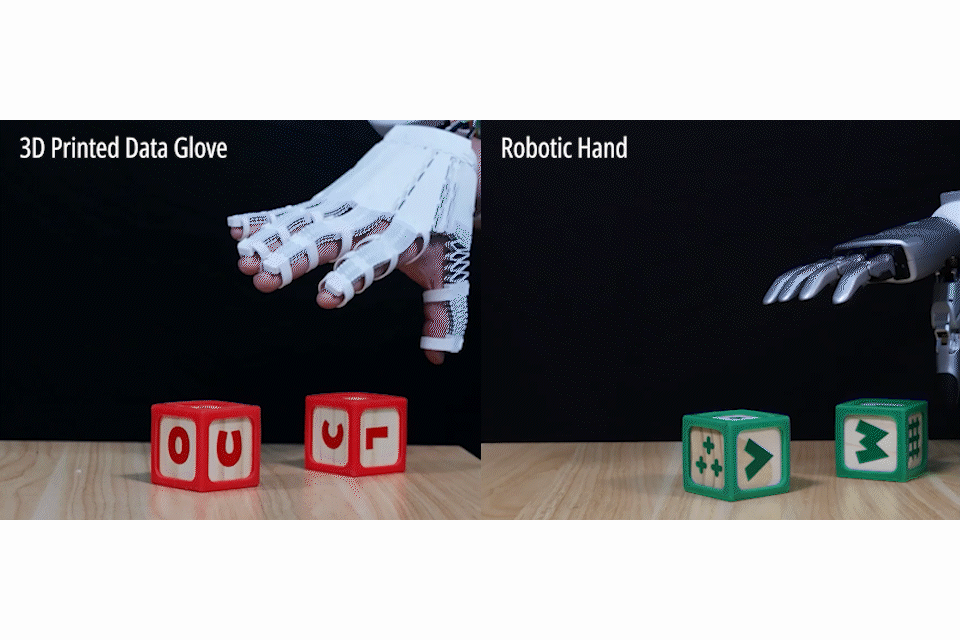
As a child, you likely saw a few Disney movies depicting inanimate objects, such as clocks, cups, and toys, as interactive companions to humans — an act of pure magic, seemingly. But scientists at MIT’s Computer Science and Artificial Intelligence Laboratory (CSAIL) are now doing something similar: transforming stationary items into self-aware tools that perceive and respond to human motion to complete a task.Engineers have 3D-printed these dynamic items with built-in sensing, using conductive…
Entrepreneurship and MIT have become a classic pairing, with a storyline that seems to write itself: A researcher develops a brilliant innovation in the lab, spins out a company, and brings a product to market that saves lives or improves society. It happens, sure — but long-term startup success is far from guaranteed.That’s the challenge that prompted the launch of the MIT Kavanaugh Translational Fellows Program a decade ago, giving scholars who want to turn academic research into solutions to…
Building a nuclear power plant is one of the most complex construction projects in the world. It requires thousands of trucks to ship parts, often to remote regions, where huge teams of skilled workers like electricians and welders come together to assemble everything over many years.Financing such projects is difficult, in part because no one wants to risk loaning money to a project that might never generate power and revenue, whether that’s due to technical failures, the inability to recruit…
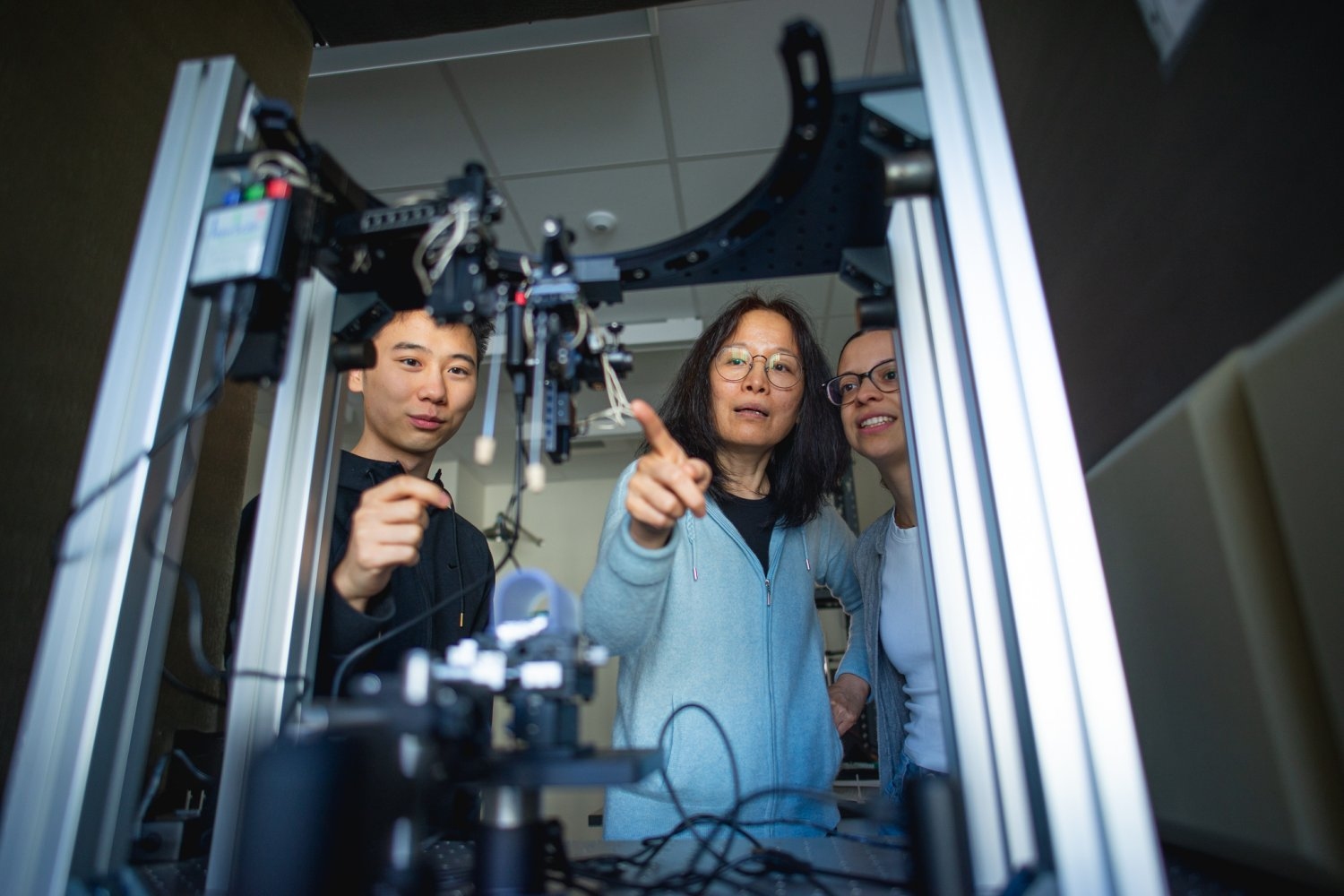
At MIT’s McGovern Institute for Brain Research, Professor Fan Wang tackles innovative research every day. Her work centers on a fundamental question in neuroscience: How does the brain interact with the body to shape our sensations, emotions, and actions?Wang and the students in her lab study the neural circuits underlying experiences such as touch and pain, as well as the sensory and motor systems that allow animals to carry out behaviors like eating, drinking, moving, and vocalizing.This…
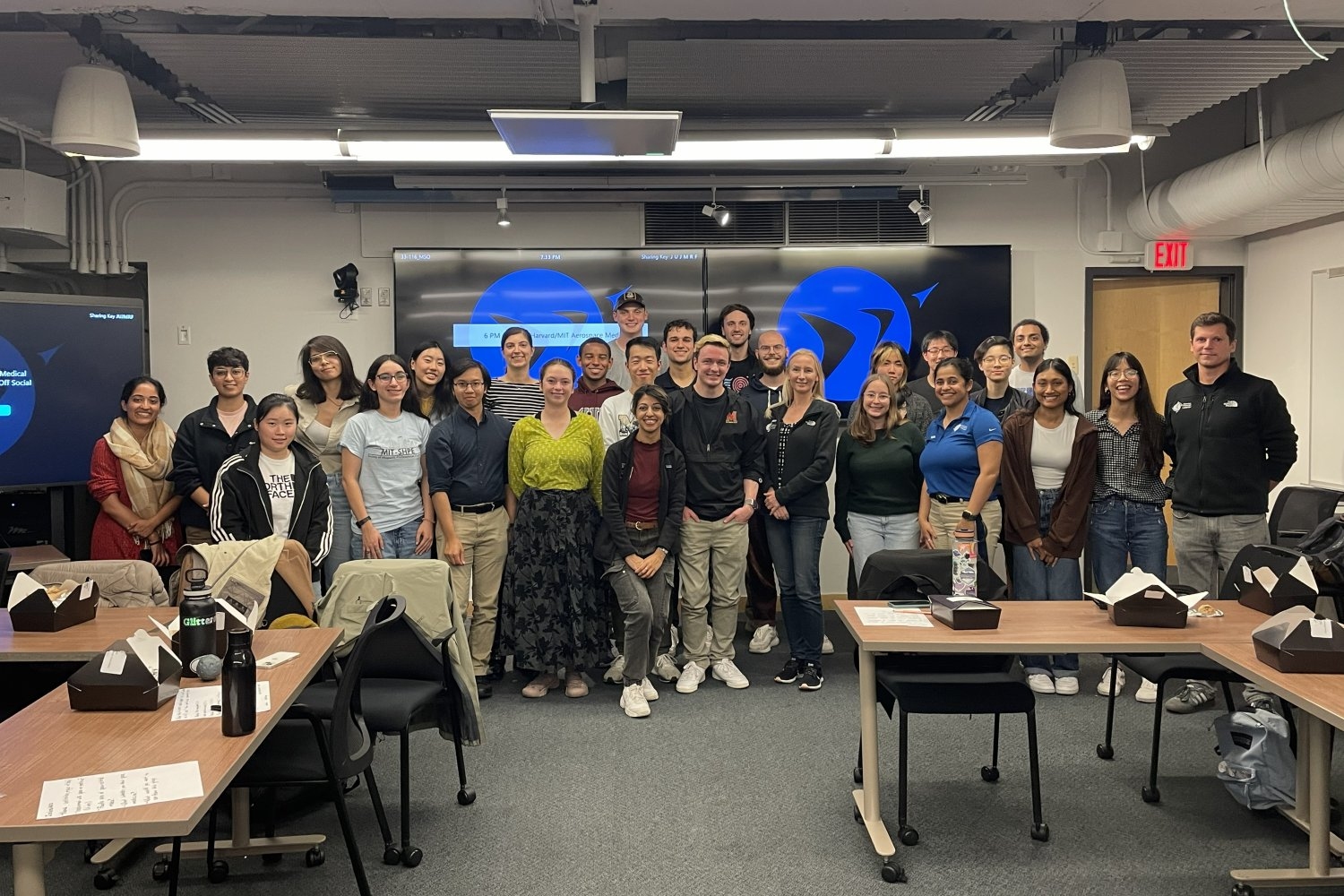
Since its launch two years ago, MIT’s Doctors Without Gravity club has already amassed more than 100 student members. The club was co-founded by graduate students Anna Wadhwa and Nicole McGaa, who now serve as president and vice president, respectively.Bringing together students from MIT and Harvard University who are interested in the intersection of medicine, health, and space exploration, Doctors Without Gravity is the student chapter of the Aerospace Medical Association (AsMA) and the…
Innovation, reflection, and celebration will blend at the Boston Symphony Orchestra this week, where MIT composer Tod Machover’s inventive new work “already and not yet” will see its world premiere on Thursday.Machover, one of the world’s most prominent composers, has incorporated multiple ongoing interests into the new symphony, including AI tools interacting with the musicians, and a piece that is structured as a meditation on the crisis and promise of democracy. “An orchestra is an…
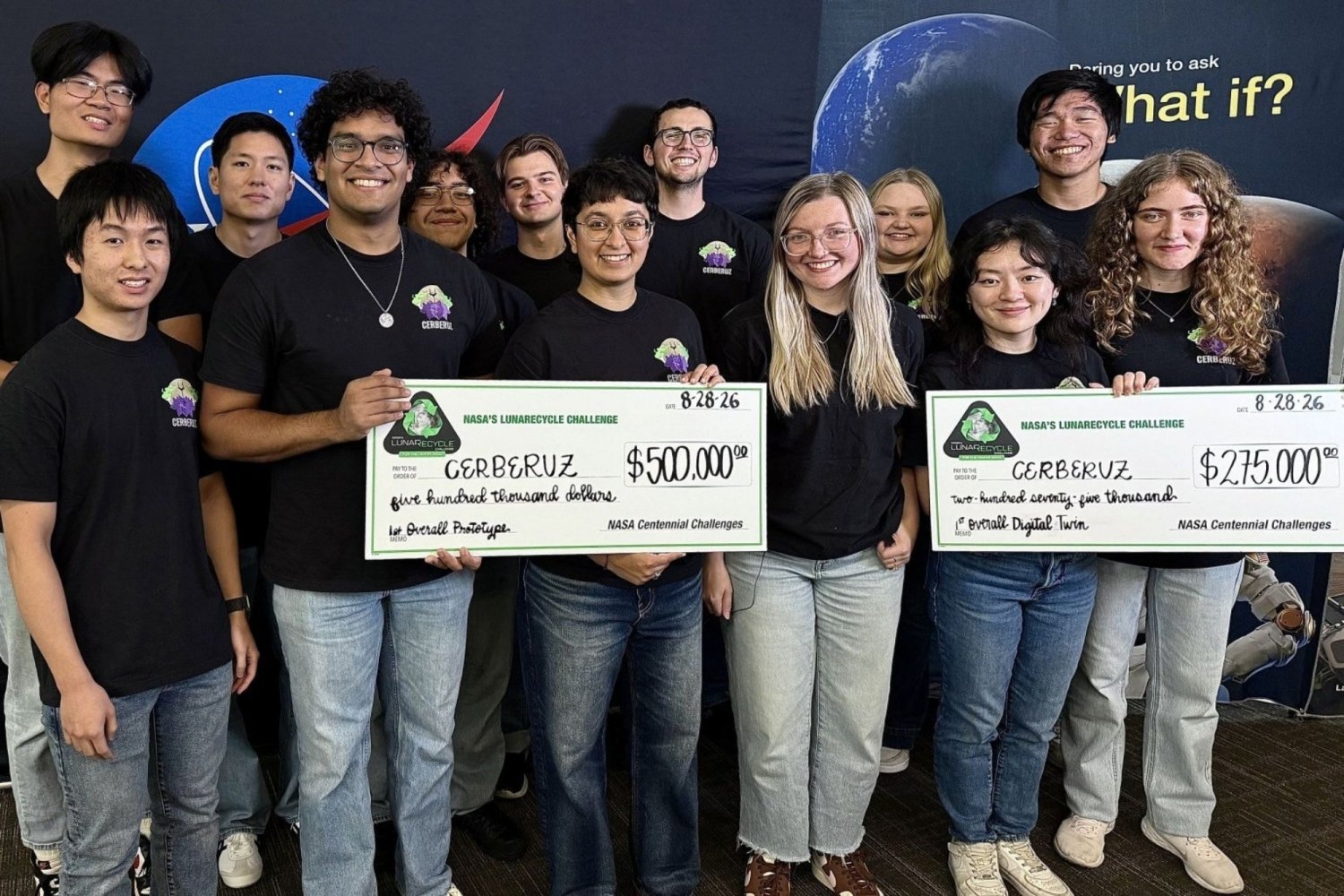
Establishing a human presence on the moon will require state-of-the-art spacecraft, spacesuits, life-support systems, and some of the most sophisticated technology humans have ever built. It will also require figuring out where to put the garbage.A future lunar outpost will receive a steady stream of supplies from Earth, bringing packaging and other materials that could quickly become a mountain of waste. Meanwhile, astronauts will need tools, replacement parts, and materials to maintain the…
The oxygen in about every other breath we take comes from microscopic cells — phytoplankton — drifting in the surface of the ocean. Among them is Prochlorococcus, the smallest and most abundant photosynthetic organism in the seas. It single-handedly accounts for roughly 10 percent of all the carbon that the land and the oceans pull from the atmosphere each year. Since its discovery decades ago by MIT Institute Professor Sallie (Penny) Chisholm and colleagues, Prochlorococcus has been known as…
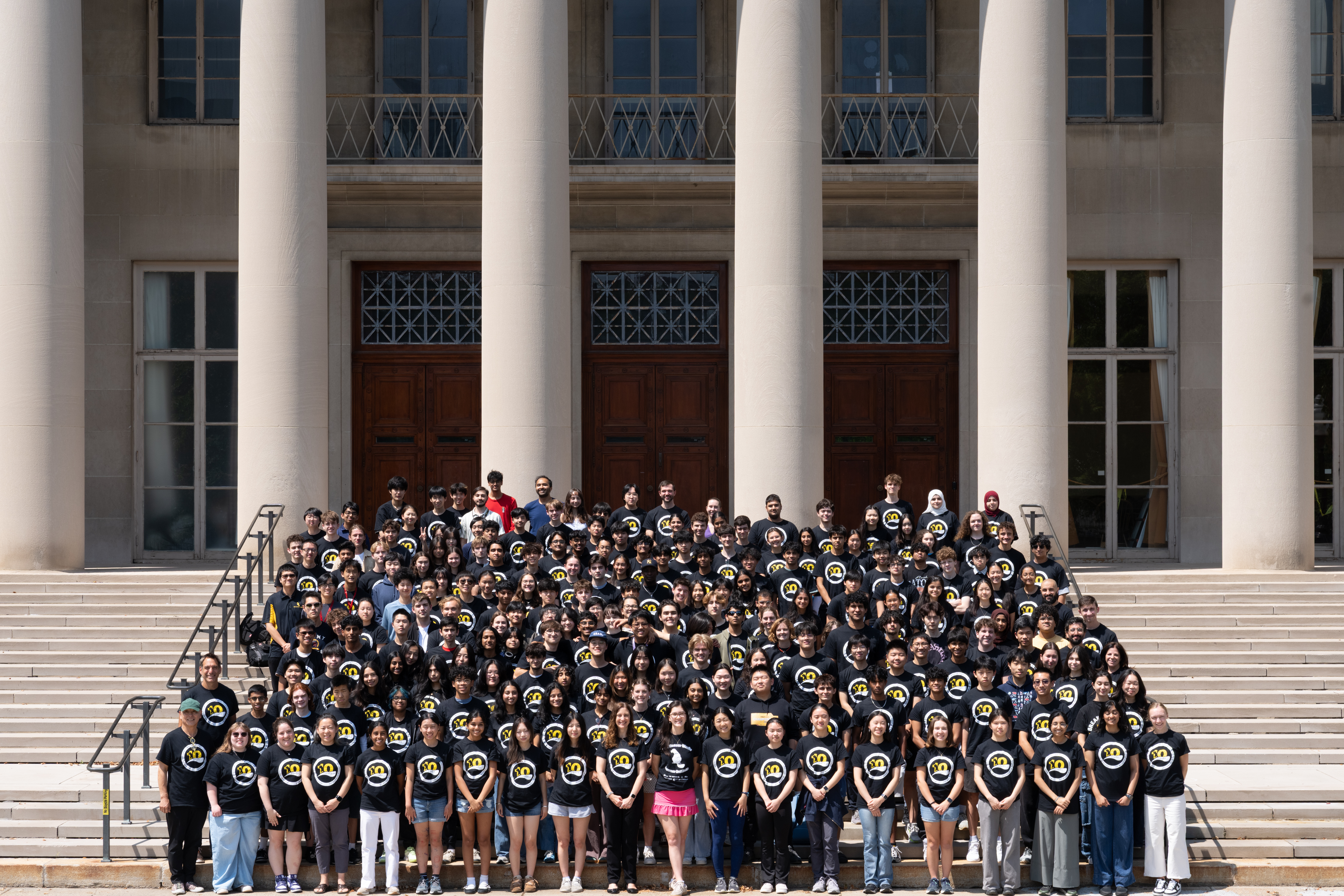
Eleven years ago, MIT Lincoln Laboratory staff member Robert Shin was challenged by a colleague to find a way to extend the resources of Beaver Works — a joint education and research center created by the MIT School of Engineering and the laboratory — to some of the best and brightest engineering students around the country. A year later, in summer 2016, the MIT Beaver Works Summer Institute (BWSI) was born. BWSI, which celebrated its 10th anniversary this summer, is a four-week program…
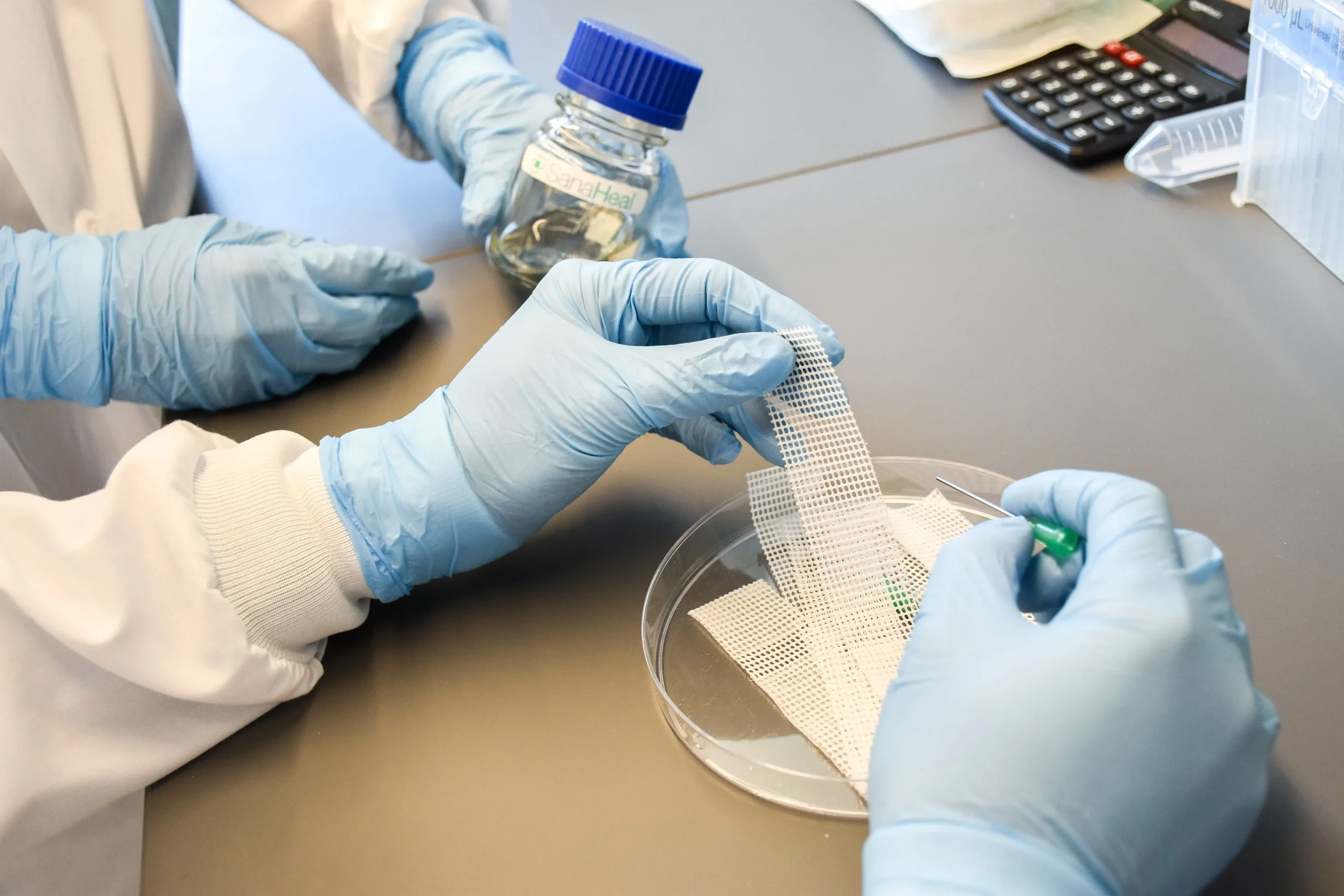
Dozens of surgical procedures require doctors to connect two pieces of tissue together in a delicate stitching process. It happens in triple heart bypass, C-sections, and surgeries to repair hernias and tendons. Today, those procedures are mostly done by surgeon-controlled robots or by hand, and the margin for error is small. Even small errors in suturing or stapling can lead to leaks with devastating consequences to patients.SanaHeal wants to make connecting tissues more like using tape. The…
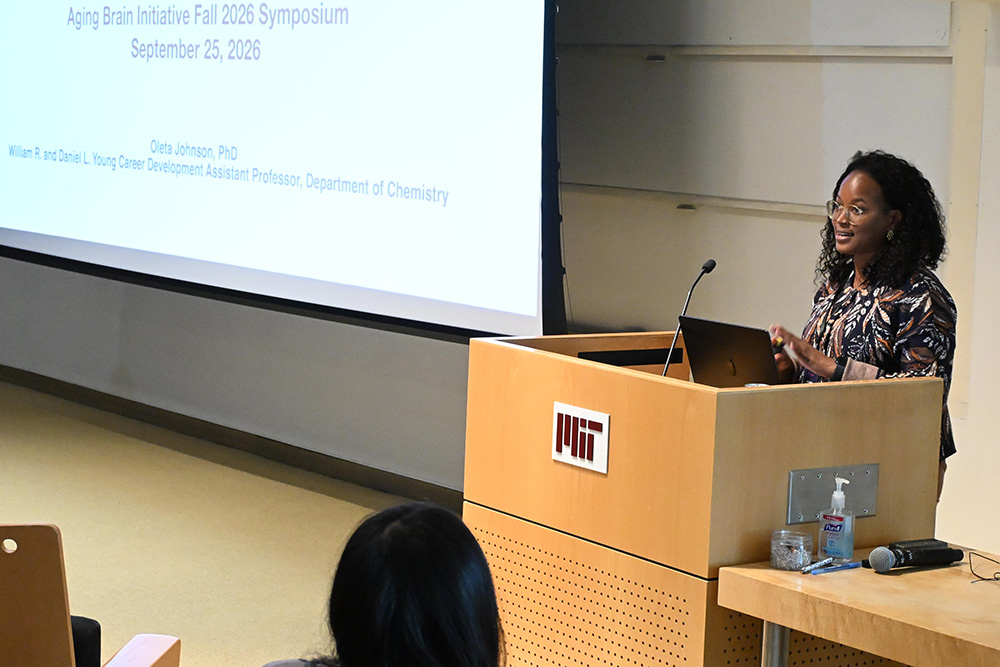
From its beginning in 2015, the premise of MIT’s Aging Brain Initiative (ABI) has been that neurodegenerative diseases such as Alzheimer’s are complex, “system-wide” breakdowns that will require advances of many kinds from many sources to address. The six talks at the ABI’s symposium “Innovations for the Aging Brain” on Sept. 25 illustrated what that’s come to mean at MIT, as scientists and engineers described their latest work to improve health for the aging brain.“The ABI is unique because it…
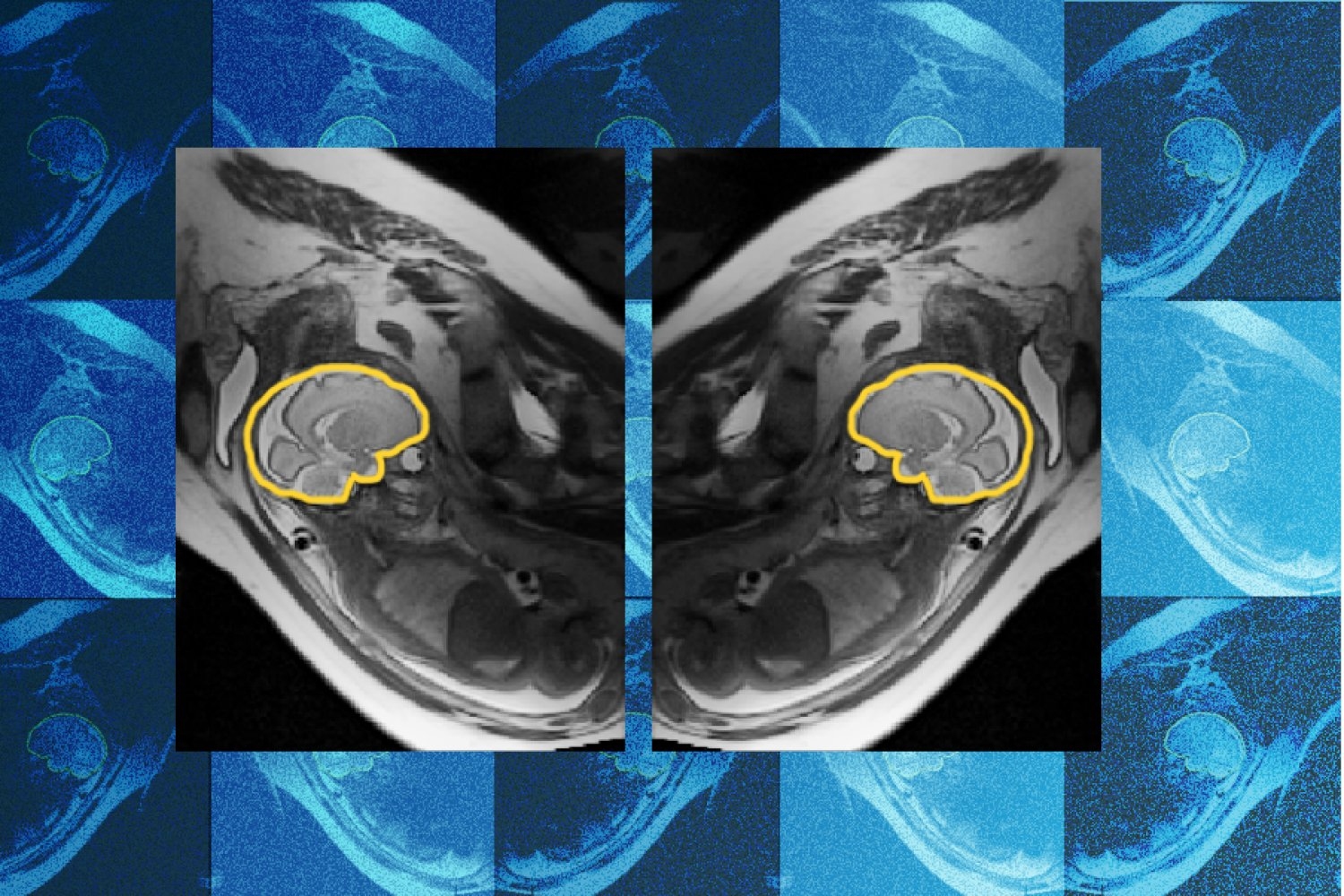
Despite millions of years of evolution, the development of the human fetus remains a complex process that is vulnerable to genetic, environmental, and metabolic disruptions. These disruptions could result in developmental abnormalities, starting with one of the first organs to begin developing in the fetus that continues to develop after birth: the brain.In a routine prenatal ultrasound, the sonographer will flag possible brain abnormalities for additional magnetic resonance imaging (MRI). But…
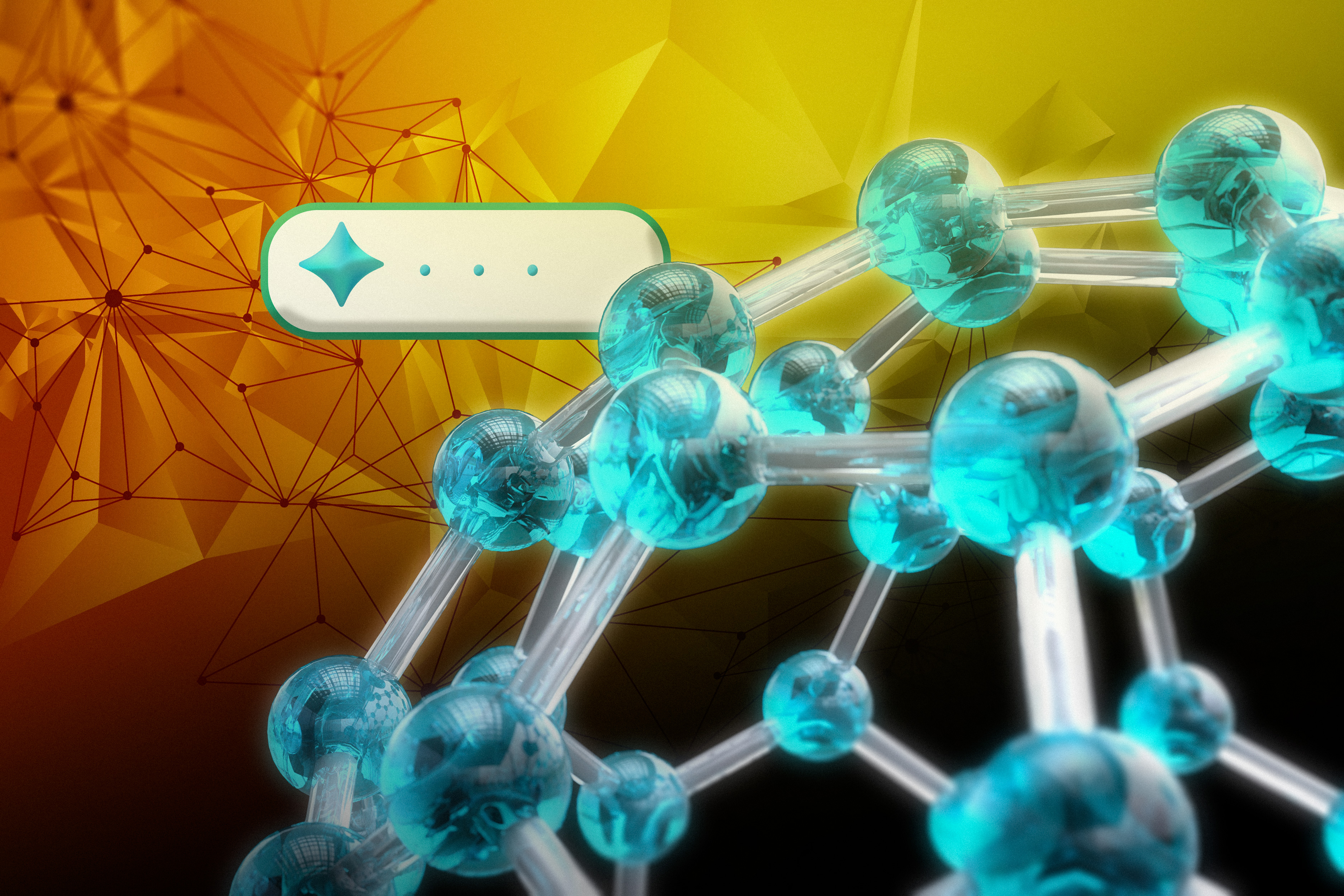
In principle, artificial intelligence could make finding the right material for an application as simple as ordering dinner: Scientists would tell a large language model what they want, and it would serve them the perfect material for the job.Unfortunately, that approach doesn’t work well yet, and the problem comes down to data: Most materials consist of 3D arrangements of crystals, not the text streams that today’s large language models are trained on. The experimental literature is also…
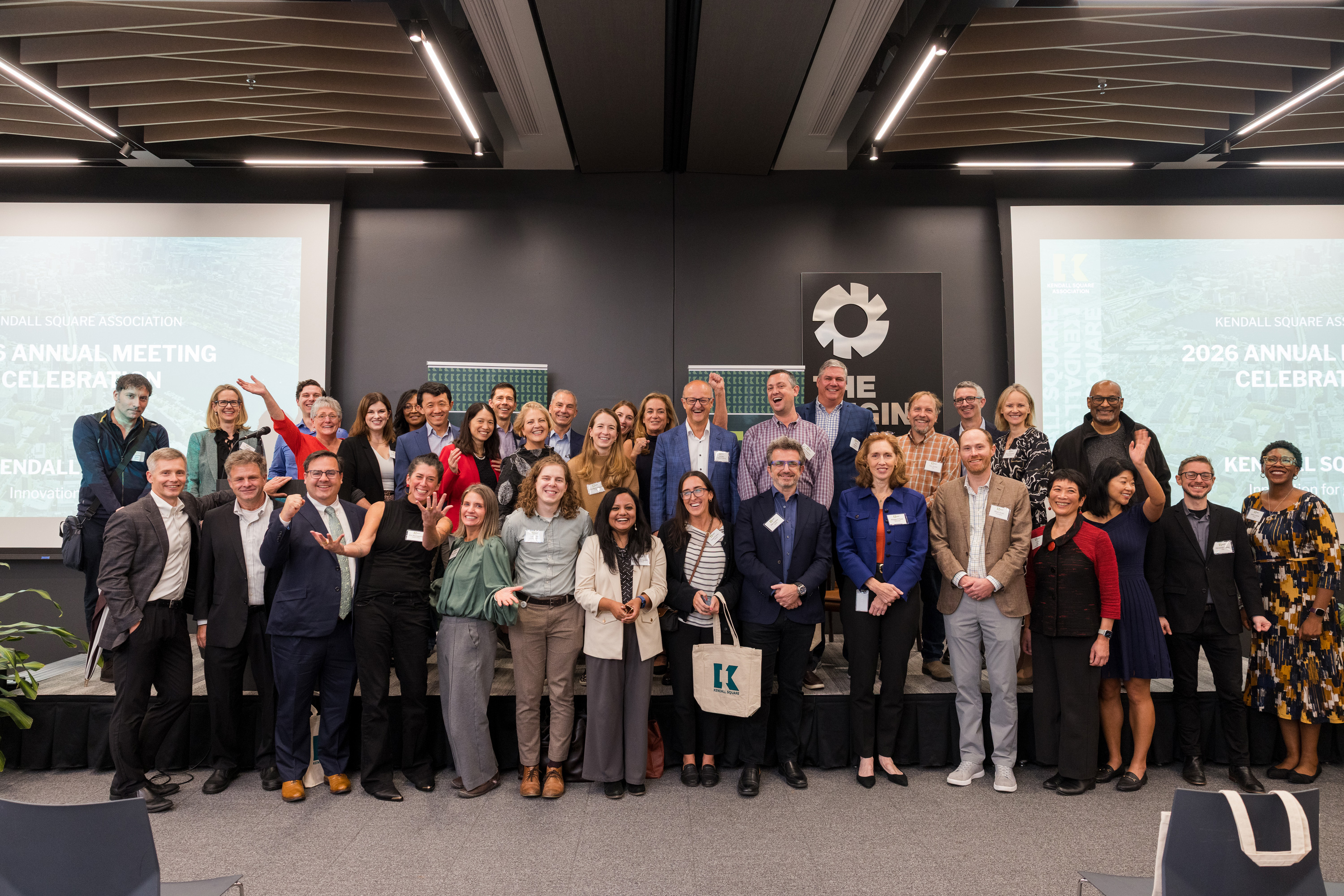
Kendall Square in Cambridge, Massachusetts, is often cited as the most innovative square mile in the world. But when the Kendall Square Association gathered local stakeholders for its 18th Annual Meeting Thursday, the conversation focused on innovation primarily in the context of community.The event, which took place at the nonprofit startup incubator The Engine, attracted people from across Cambridge, including business leaders, elected officials, local residents, and students, for a night of…
Suzy M. Nelson, MIT vice chancellor for student life since 2016, will retire from the Institute this month. Nelson leaves MIT with a strong, coordinated Division of Student Life (DSL) built from years of close partnership with student leaders. One of her most noteworthy contributions is the elevation of student well-being, now integral to the Institute’s educational mission. Under Nelson’s leadership, MIT created a culture of well-being, building out a strong support network, enhancing health…
When corporate leaders discuss climate strategy, the message that still dominates is that, despite competing priorities and external pressures, sustainability matters. According to the 2026 State of Supply Chain Sustainability Report from the MIT Sustainable Supply Chain Lab, which surveyed 1,810 supply chain professionals across 91 countries, 83 percent rate sustainability as important or very important to long-term business success, the highest level in the report's seven-year history.But…
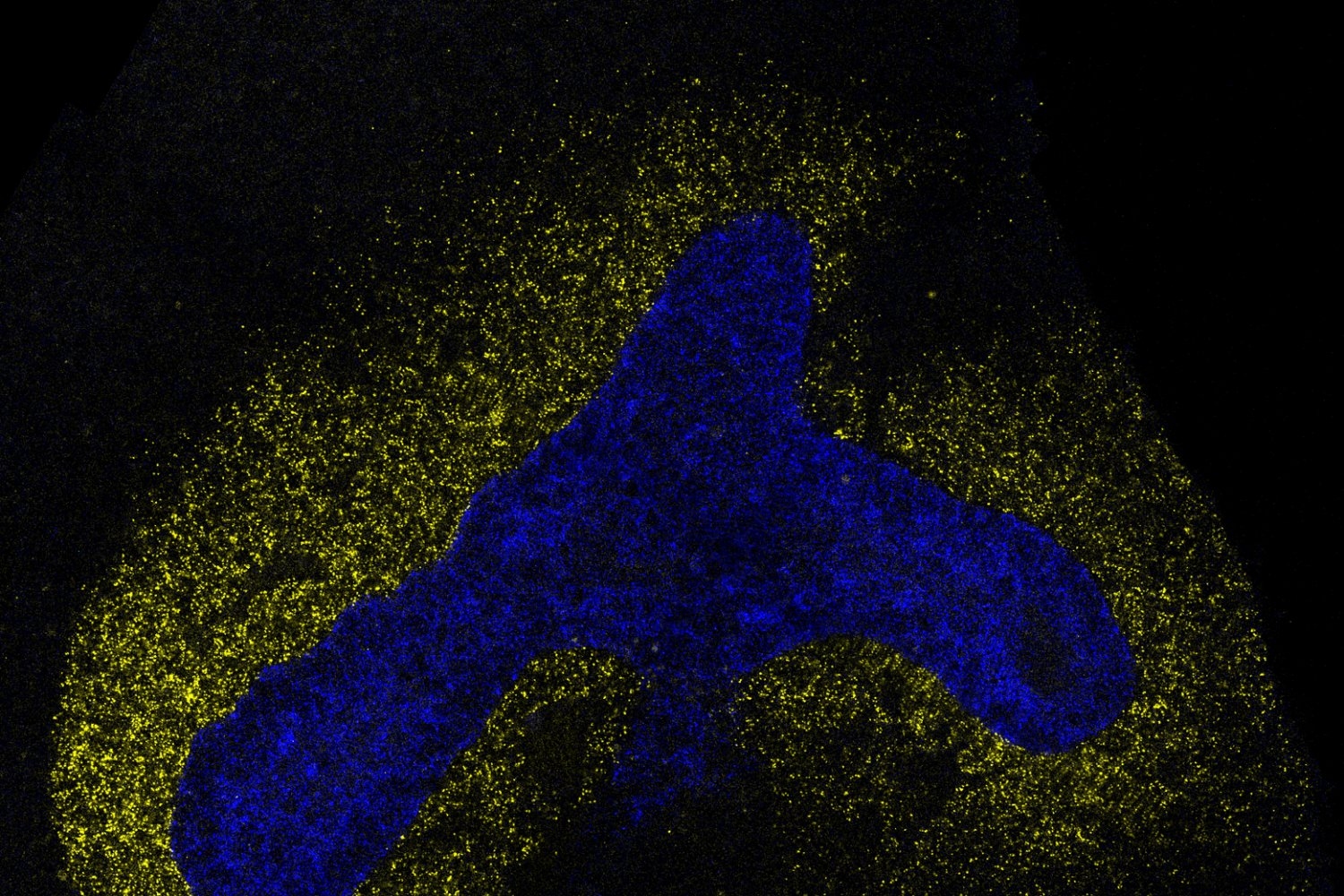
As an embryo develops from a small cluster of stem cells, those once “blank slate” cells begin to take on more specialized roles like brain, liver, or muscle cells, and organize themselves into three-dimensional structures such as tissues and organs.The fate of each cell — what type of specialized cell it will become — depends on which genes are turned on or off in the cell. These patterns of gene activity shape the cell’s structure and function, enabling it to take on a specific role in the…
With rising temperatures, the buttressing ice shelves at the edges the Antarctic ice sheet are melting and calving off at record rates, leaving behind sheer cliffs of solid ice. The stability of these exposed ice cliffs could influence how Antarctica further breaks apart and contributes to sea level rise around the world. Scientists have assumed that an ice cliff’s stability depends on its height: Ice cliffs that are taller than 100 meters — about the height of the Statue of Liberty — should…
Around the world, many people report distrusting their government. In some places, such as Latin America, North America, and Africa, trust in government has declined in recent decades. How can governments rebuild this trust?New research from the MIT Governance Lab and the behavioral science research organization Busara examines how government partnerships with trusted private organizations can shape public trust in government. In Kenya, county governments have worked with a telecommunications…
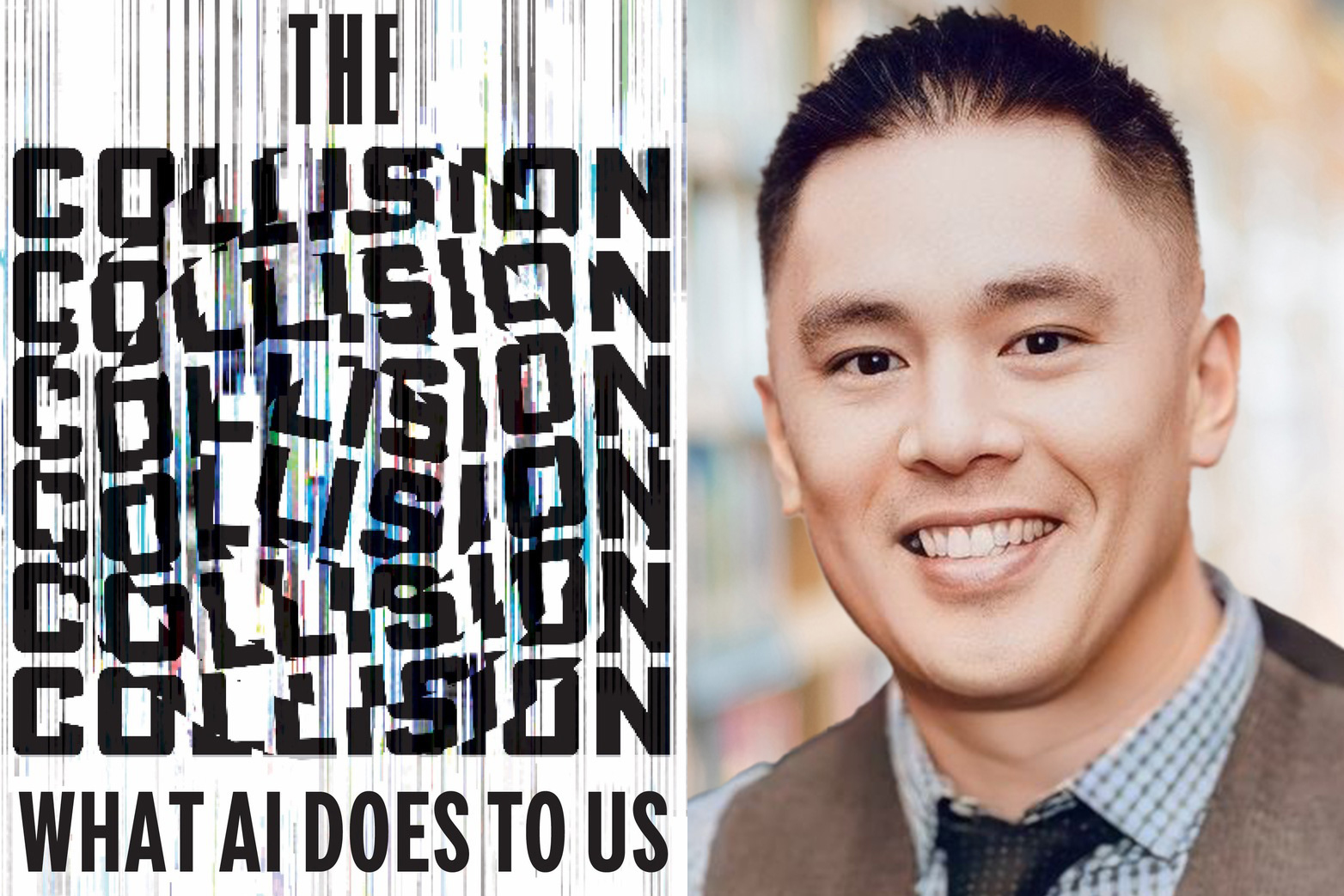
As artificial intelligence use becomes more widespread, scholars are working to understand its effects on the people who use it. MIT Professor Eric So offers one of the most complete syntheses yet, in his new book, “The Collision: What AI Does to Us,” published this month by W.W. Norton. Recognizing that AI offers opportunities to complete work faster, and in some cases has been turned into useful domain-specific tools, So nonetheless looks at the costs of relying on it too broadly. He contends…
More than 100 people filled the MIT Chapel on Sept. 24 to pay tribute to Assistant Professor Thomas Rose, the MIT archaeometallurgist who died last month following a bicycle crash in Cambridge, Massachusetts.Faculty, students, and staff affiliated with the Department of Materials Science and Engineering (DMSE) and the Center for Materials Research in Archaeology and Ethnology (CMRAE), along with family and friends, gathered for a memorial service where colleagues spoke about the 37-year-old,…
In 2021, Texas suffered the worst energy infrastructure failure in state history, following three severe winter storms in February. At least 246 people were killed as a result of the disruptions, which led to food, water, heat and electricity shortages.If energy officials had had more time to prepare for the storms, for example by bringing in more trucks of natural gas to disrupted areas, damage from the event could have been mitigated. Unfortunately, weather forecasts beyond two weeks are…
Hiroshi Ishii, the Jerome B. Wiesner Professor of Media Arts and Sciences at MIT and associate director of the MIT Media Lab, recently received the 2026 Industrial Designers Society of America Special Achievement Award for “...pioneering work that has greatly influenced human-computer interaction and design.”For over 30 years, Ishii has explored how the digital and physical worlds can merge more meaningfully. Working with students, MIT colleagues, and international collaborators through his…
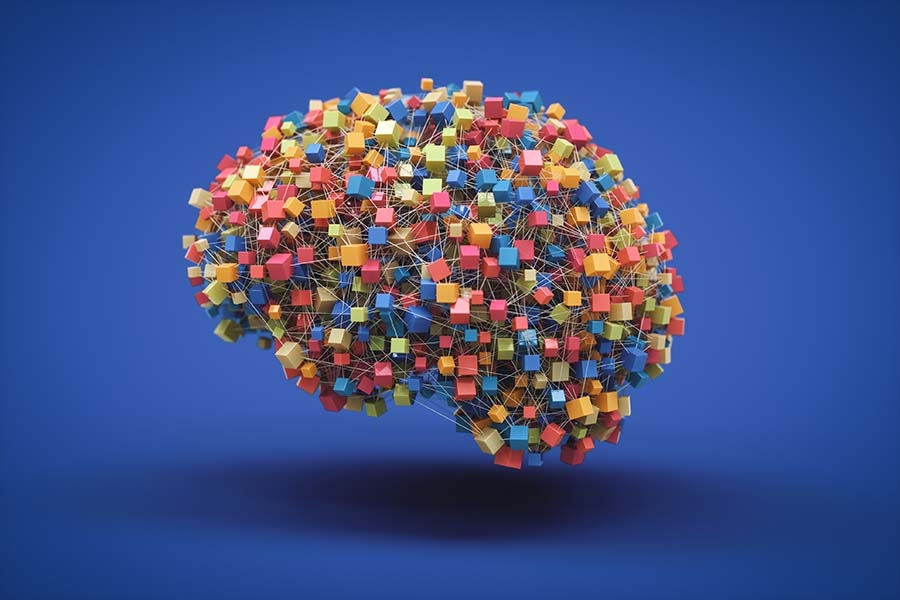
As artificial intelligence becomes more and more powerful, its ability to handle human-like tasks is undeniable. Artificial neural networks can learn to recognize images, use language, or write computer code. Like the brain’s circuits, they reorganize themselves as they learn, adjusting the strengths of their connections to improve their performance.The question for many neuroscientists is: What can these machine systems teach them about how the brain learns? And what kinds of models are likely…
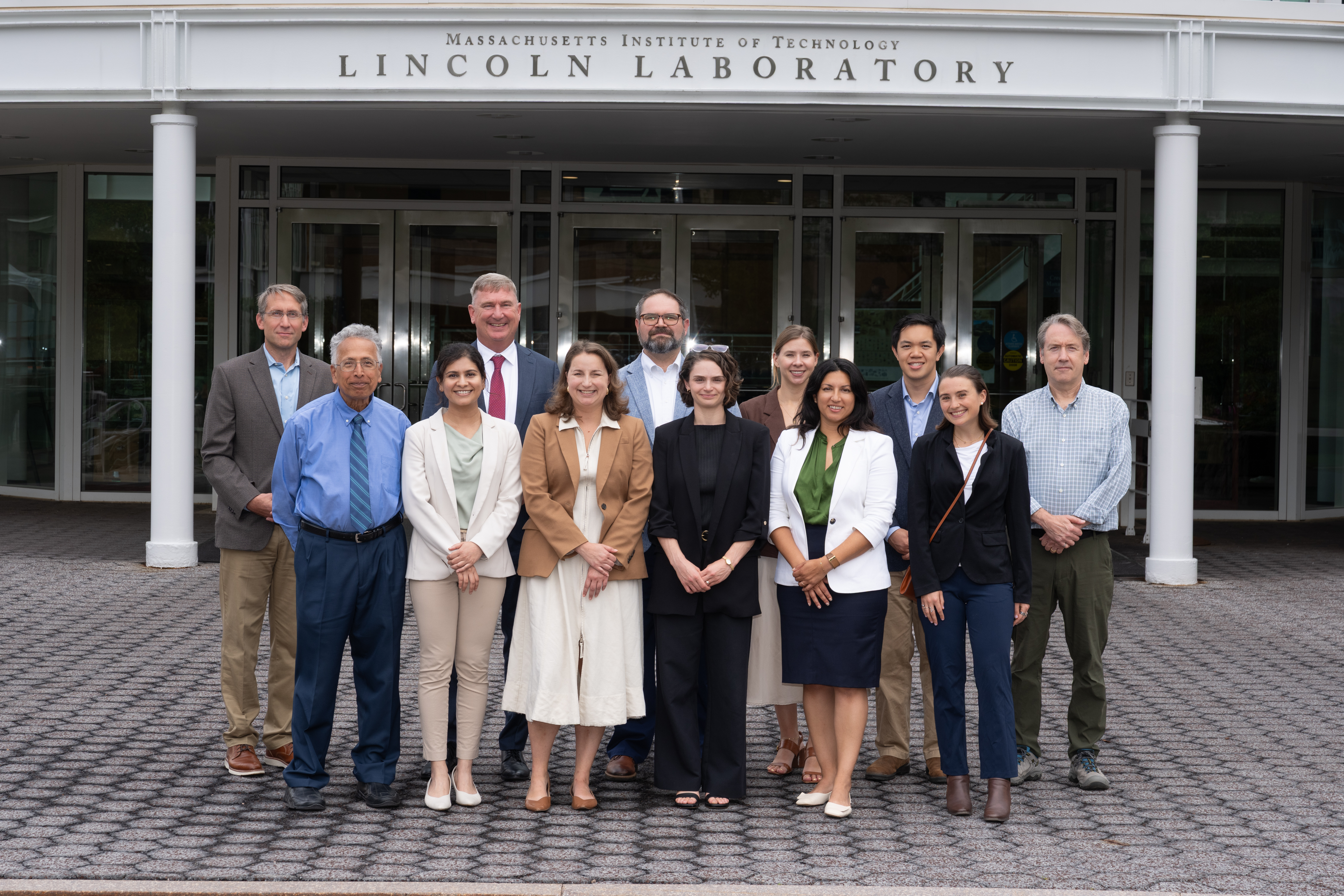
MIT Lincoln Laboratory hosted the National Security Commission on Emerging Biotechnology (NSCEB) on Sept. 3, for a stop on its national roadshow. The event convened representatives of state organizations, defense centers, universities, technology companies, and business executives to discuss how Massachusetts' biotechnology ecosystem can strengthen national biodefense capabilities."We have a lot to leverage in this region to advance biotechnology," said Christina Rudzinski, assistant head of…
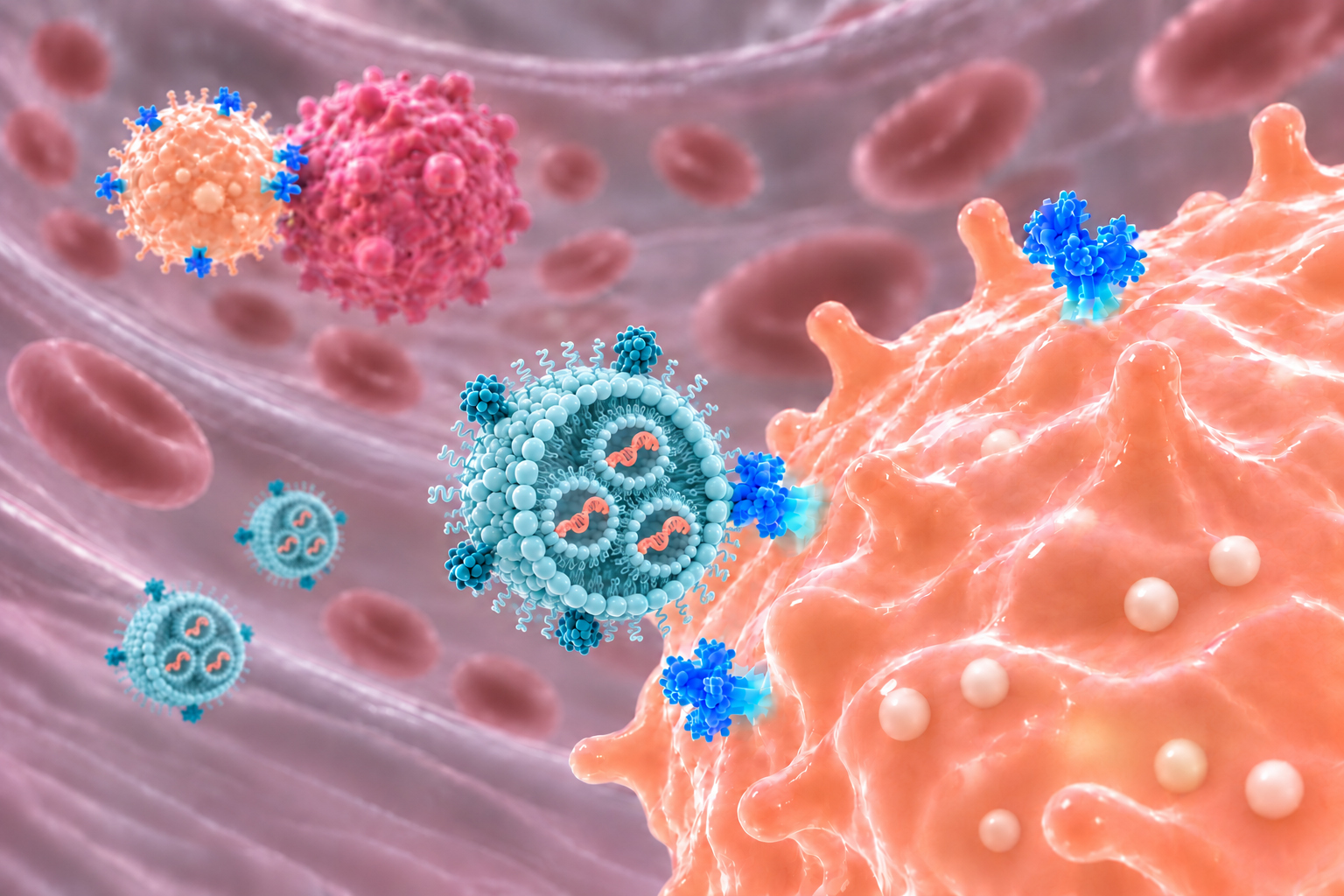
MIT engineers have developed a new way to program natural killer (NK) immune cells to target cancerous T cells or T cells that have become autoreactive, leading to diseases such as lymphoma and autoimmune hepatitis. Using their new technique, the researchers can reprogram NK cells to target diseased T cells without ever removing the NK cells from the patient’s body. Instead, they use lipid nanoparticles to deliver messenger RNA directly to NK cells. These mRNA molecules encode proteins that…