Posts from every feed QUEST has found across the web — blogs, news, podcasts, channels and more.
M
MIT News
MIT News is dedicated to communicating to the media and the public the news and achievements of the students, faculty, staff and the greater MIT community.
MIT was founded on the idea that people learn best by doing. For nearly 25 years, the Lemelson-MIT Program in the MIT School of Engineering has carried that idea into K–12 classrooms across the country, helping teachers guide students as they find real problems and invent solutions to them. Now the program is expanding that work into connected pathways that follow students from the early grades through college.This month, Lemelson-MIT awarded multiyear Invention Education Pathways grants and…
Vera Grbic, communications officer at the Institute Discrimination and Harassment Response Office (IDHR), is an expert at creating clear, informative collateral. Whether she is improving the IDHR website to help people more easily find the support or resources they need or using newsletters and annual reports to explain IDHR's work and the policies that guide it, Grbic believes it is vital for members of the MIT community to know where to turn and what resources are available to them. Grbic…
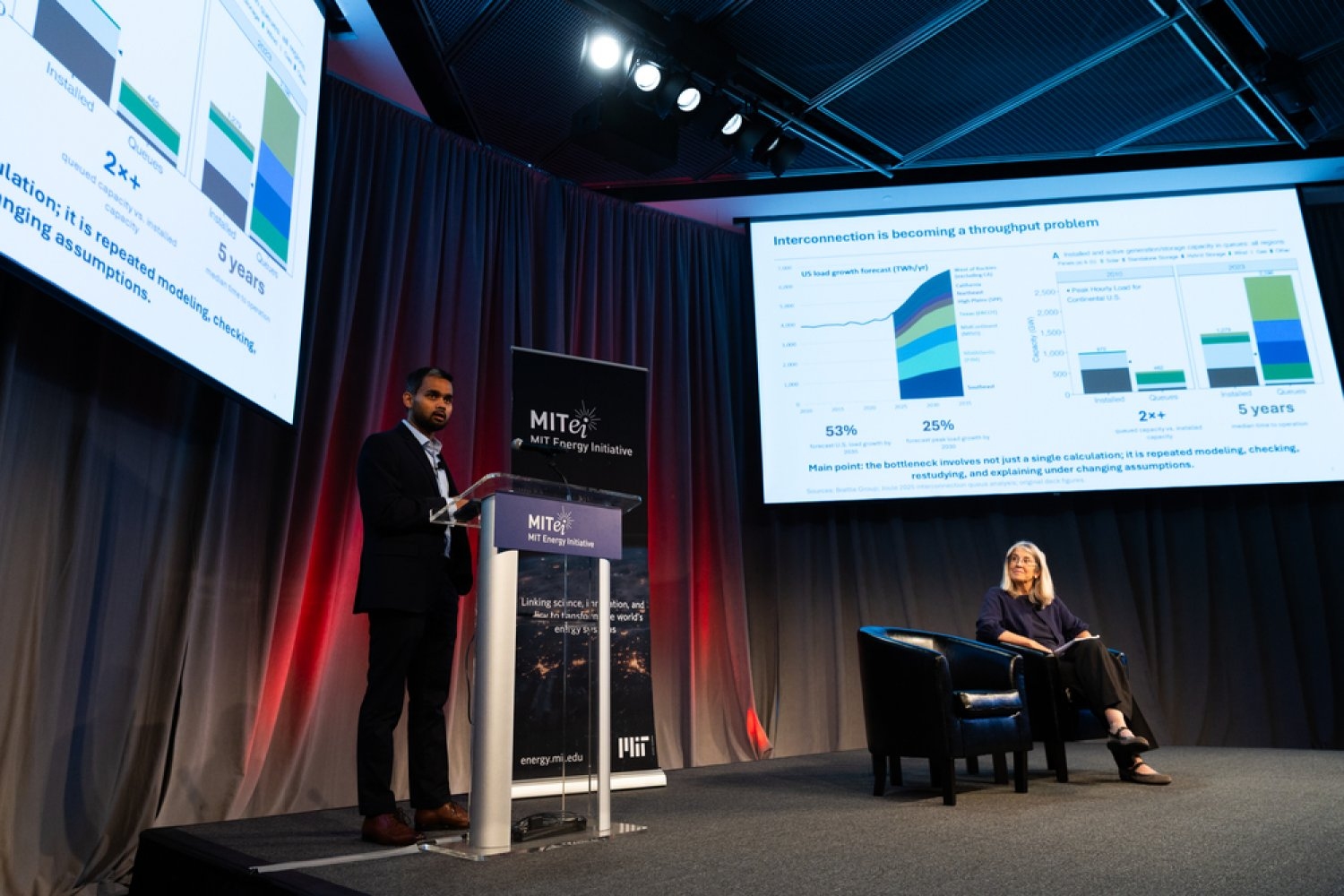
Utilizing waste carbon at scale, assessing public trust in artificial intelligence and data centers, and building a quantum toolkit for critical applications were among the topics energy experts explored at the MIT Energy Initiative (MITEI)’s annual research conference on Sept. 22-23.The complexity of the energy transition demands “a truly interdisciplinary and international approach,” said Paula Hammond, Institute Professor and dean of the MIT School of Engineering, kicking off the conference,…
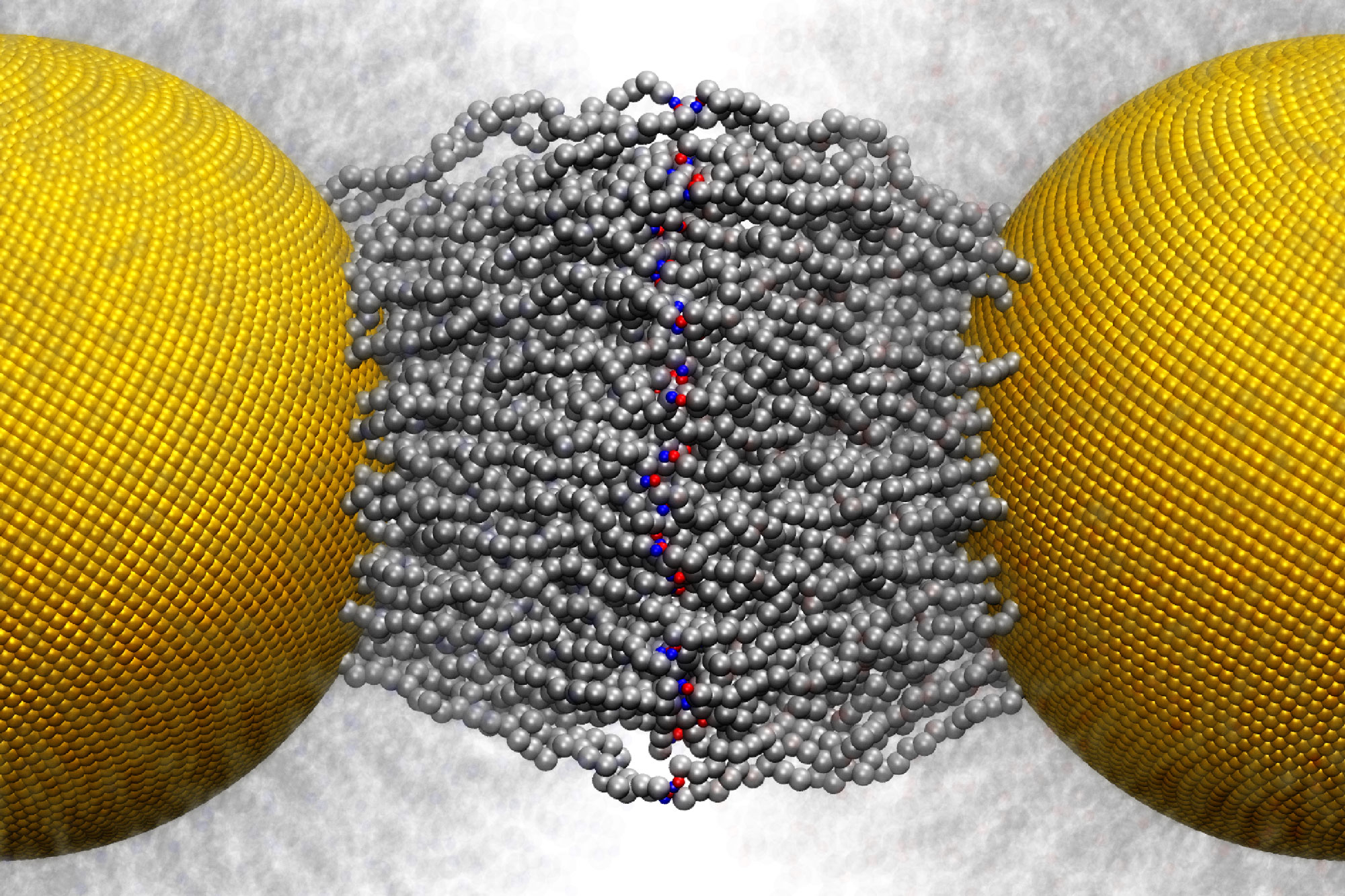
Creating better-performing materials comes down to having more control over their structure at the smallest possible scale. One particularly effective way to accomplish that is using nanoparticles, which have highly customizable shapes and sizes and have already shown promise in applications across energy, medicine, and electronics.But the process of turning nanoparticles into useful new materials has been hampered by the difficulty of controlling the number and direction of the links between…
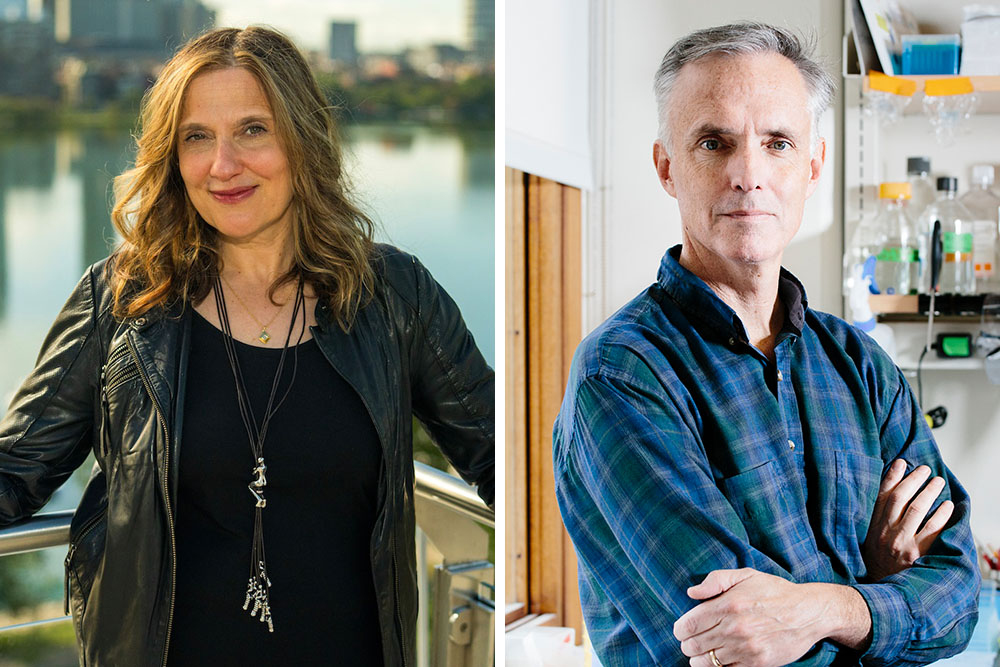
Regina Barzilay, MIT’s School of Engineering Distinguished Professor of AI and Health, and James Collins, MIT’s Termeer Professor of Medical Engineering and Science, are the recipients of the 2026 Pritzker Prize for AI in Science Research Excellence. The award recognizes their joint work in “pioneering AI-enabled antibiotic discovery, integrating deep learning, bioengineering, and experimental validation to identify novel antibacterial candidates against drug-resistant pathogens.” Established…
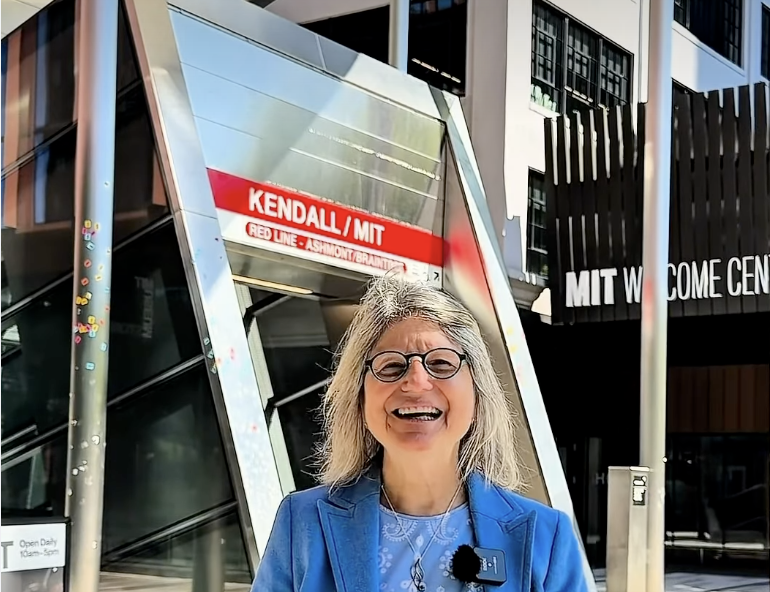
Cambridge is booming with innovation, food, music, and history, highlighted in detail by the Cambridge Office for Tourism’s “Unpack my Cambridge” video series. Reporting from Kendall Square – “the most innovative square mile on the planet” – MIT President Sally Kornbluth shares some of her favorite spots, and sweets, around the city. To help you plan a visit in real life, more information on the different stops is below. You can find even more on the Cambridge Office for Tourism’s Kendall…
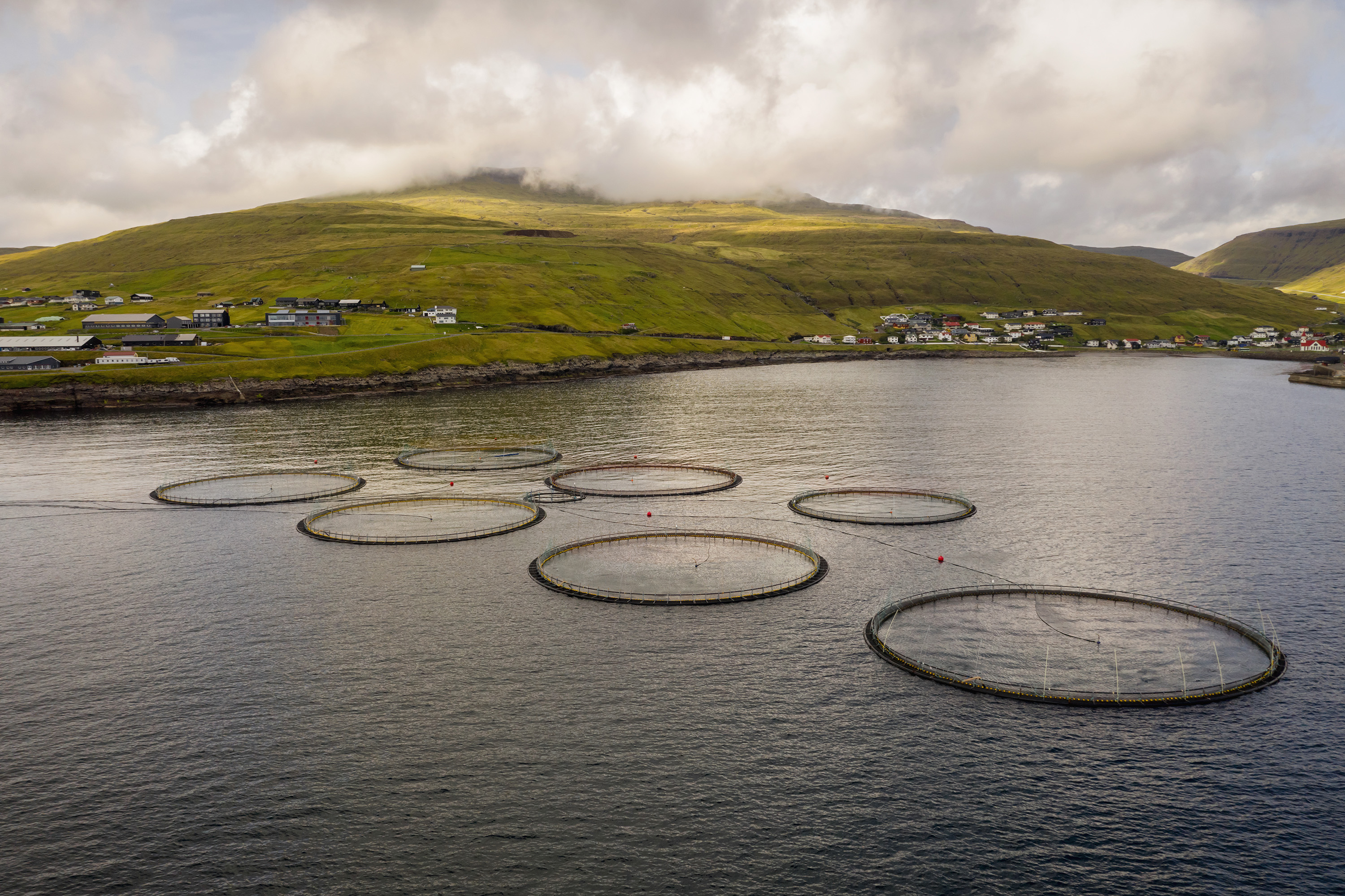
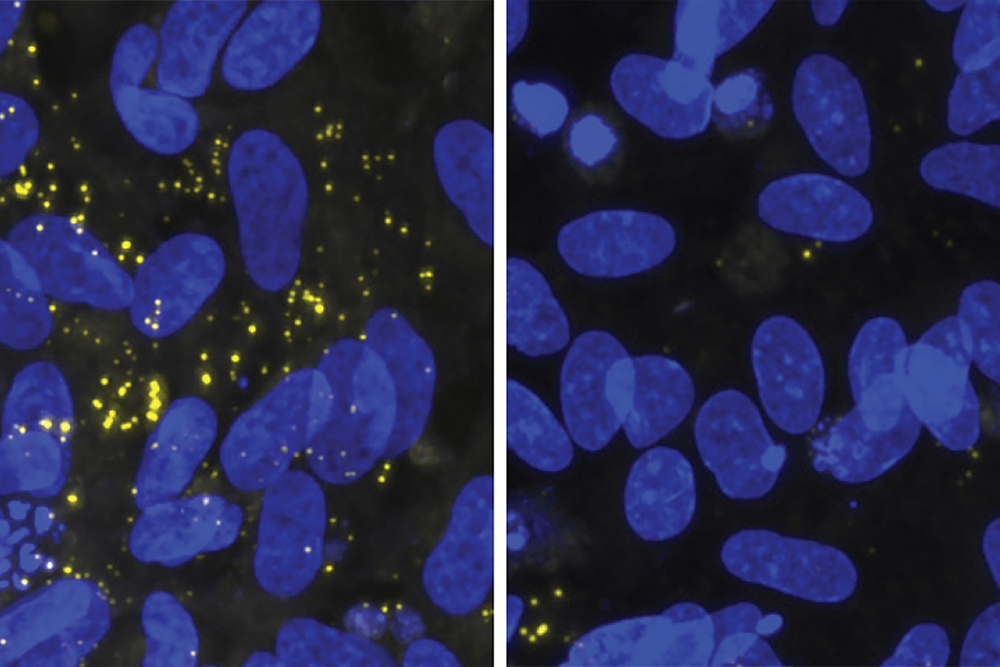
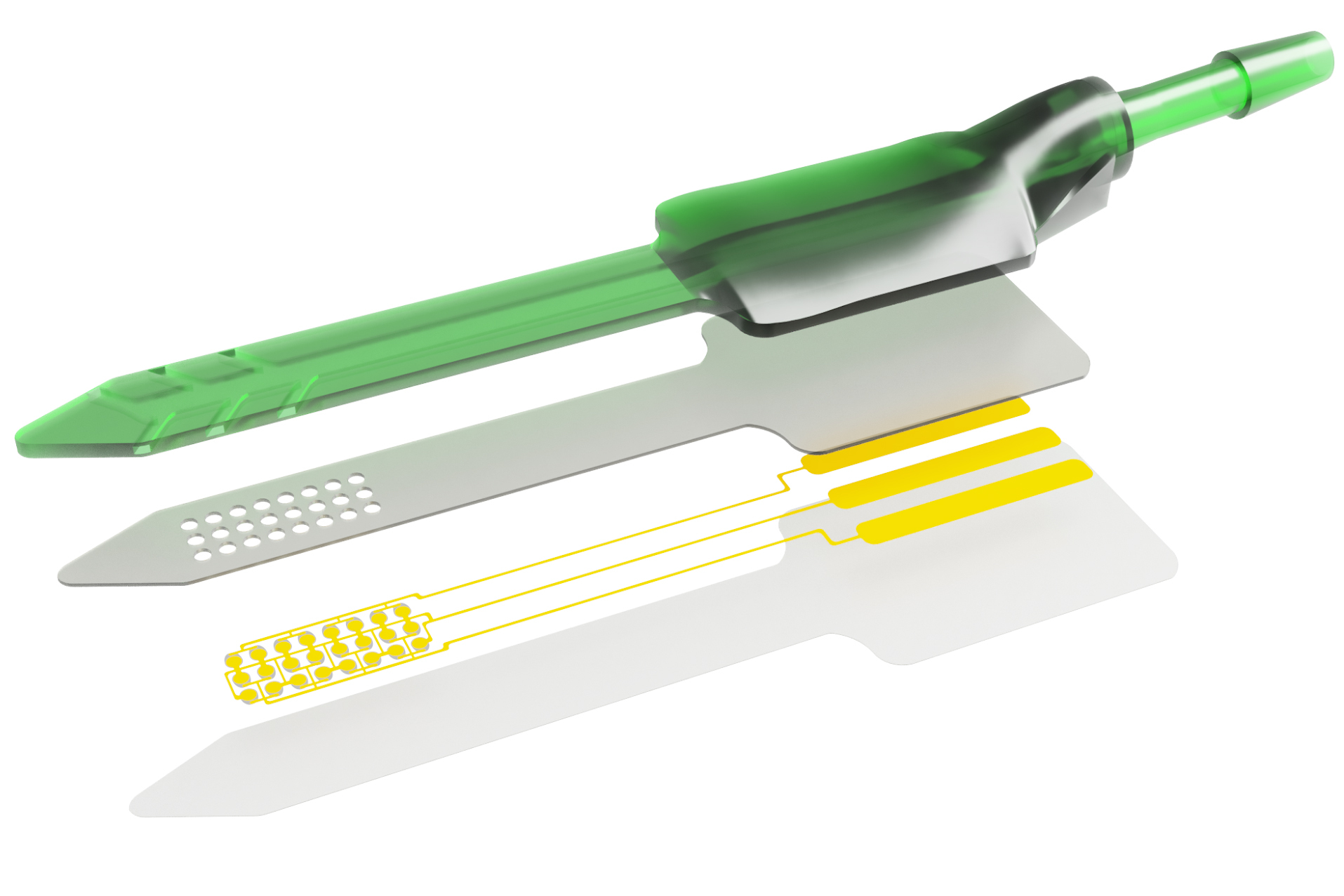
Fish that are cultivated in pools or ponds are an increasingly important source of food around the world. Unfortunately, disease outbreaks can cause substantial losses in aquaculture. Fish farmers use vaccines to prevent disease outbreaks just like regular farmers, but vaccinating a fish is a lot harder than vaccinating a cow. The most effective way to vaccinate fish today uses needles, but there are several downsides to this process, both for the fish and the farmers. Now a team of researchers…
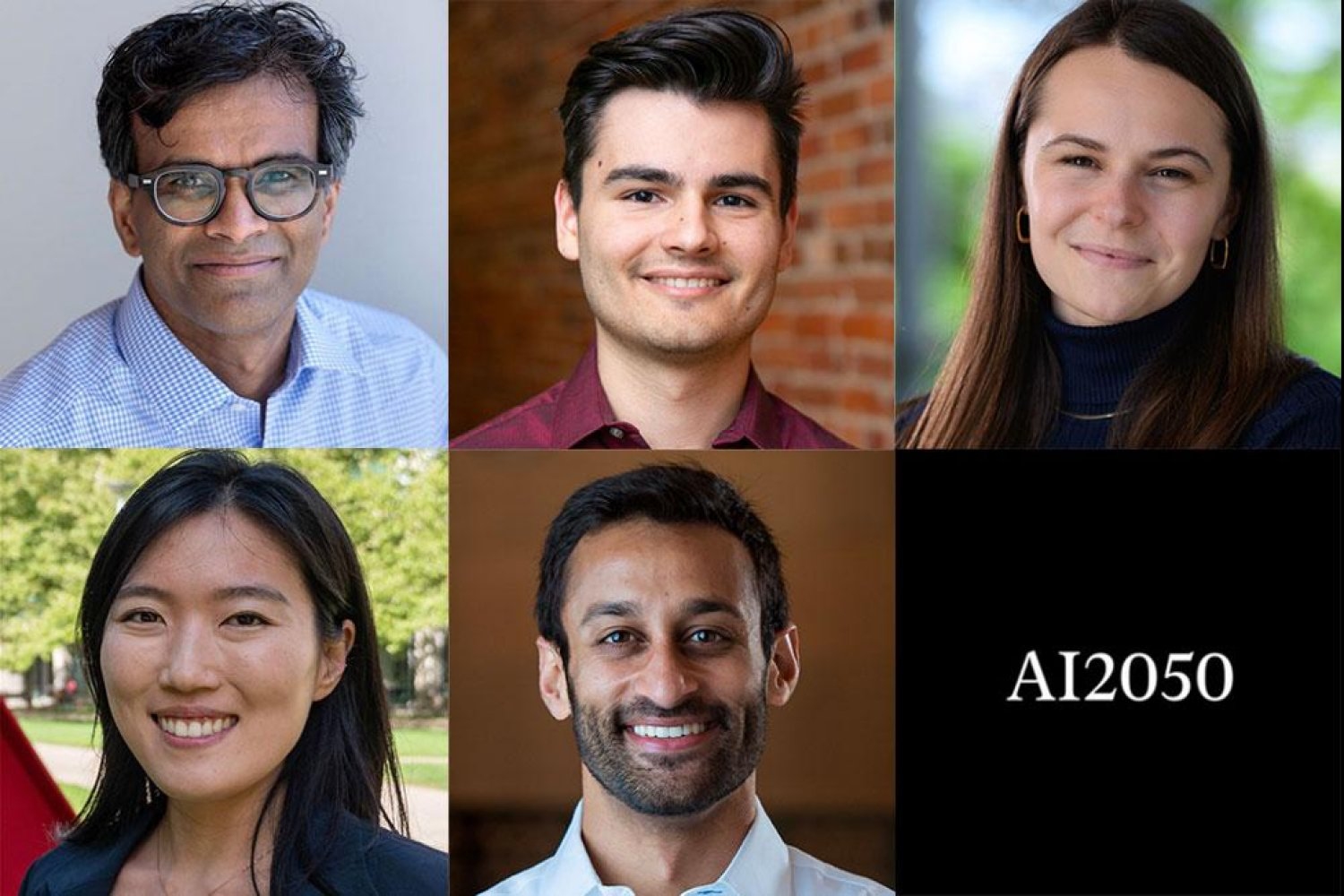
Five MIT faculty members and two additional alumni were recently named to the 2026 cohort of AI2050 Fellows. The honor is announced annually by Schmidt Sciences, Eric and Wendy Schmidt’s philanthropic initiative that aims to accelerate scientific innovation. Conceived and co-chaired by Eric Schmidt and James Manyika, AI2050 is a philanthropic initiative aimed at helping to solve hard problems in artificial intelligence. Within their research, each fellow will contend with the central motivating…
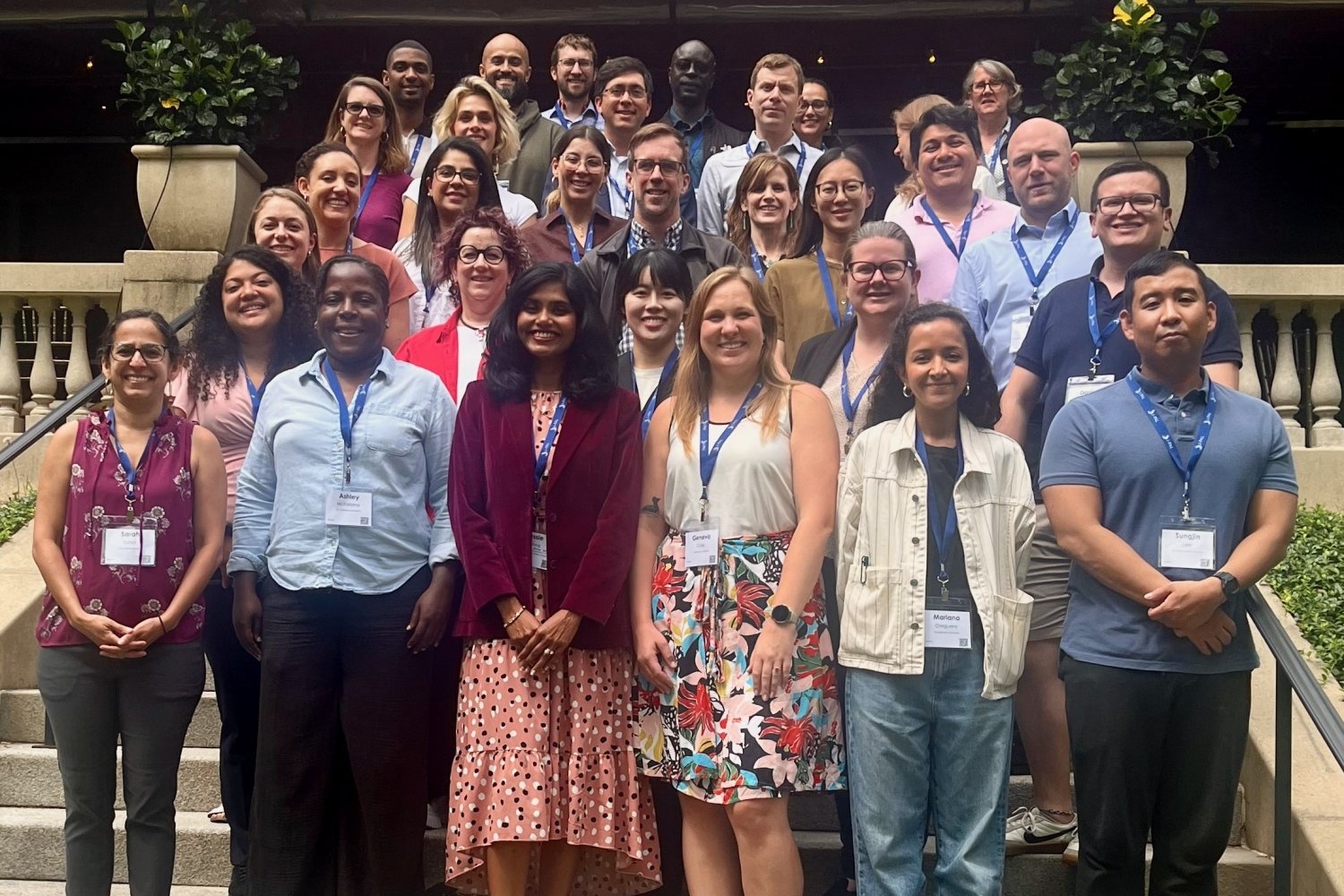
The Applied Research Training in Evaluation, Methods, and Impact Studies (ARTEMIS) program, launched by J-PAL North America, equips early-career researchers with high-level technical training and practical skills to design randomized evaluations (also referred to as a randomized controlled trials, or RCTs) on issues of poverty in the U.S. context. Fully funded and highly rigorous, the program's inaugural cohort of 20 participants — including PhD students through pre-tenure faculty — is…
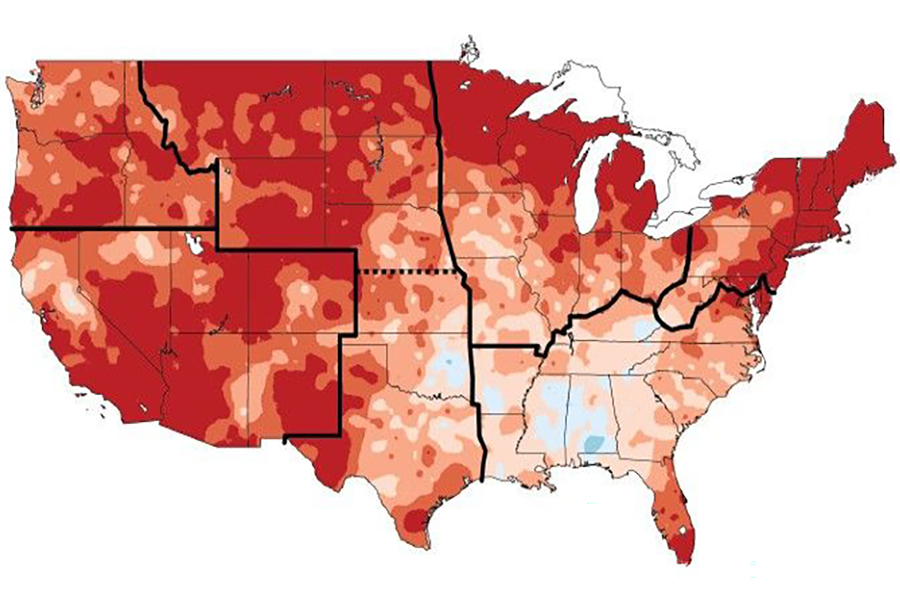
Global warming, the observed increase in the Earth’s average global surface temperature since preindustrial (1850-1900) times, currently stands at around 1.63 degrees Celsius. While this number is expected to continue to rise, local temperatures will not go up uniformly around the world. In regions where warming trends are most pronounced, local adaptation and resilience measures will be especially critical to minimizing risks to ecosystems, agricultural productivity, the built environment,…
People are peppering artificial intelligence chatbots everyday with questions, but when it comes to politics and the looming 2026 U.S. midterm elections, what role are AI platforms playing? Could an AI chatbot sway a voter to switch parties or re-examine their political beliefs? MIT researchers have built a new dashboard, called the LLM Election Observatory, to examine, in real-time, how popular AI chatbots are responding to questions about the 2026 midterm elections. The team behind the…
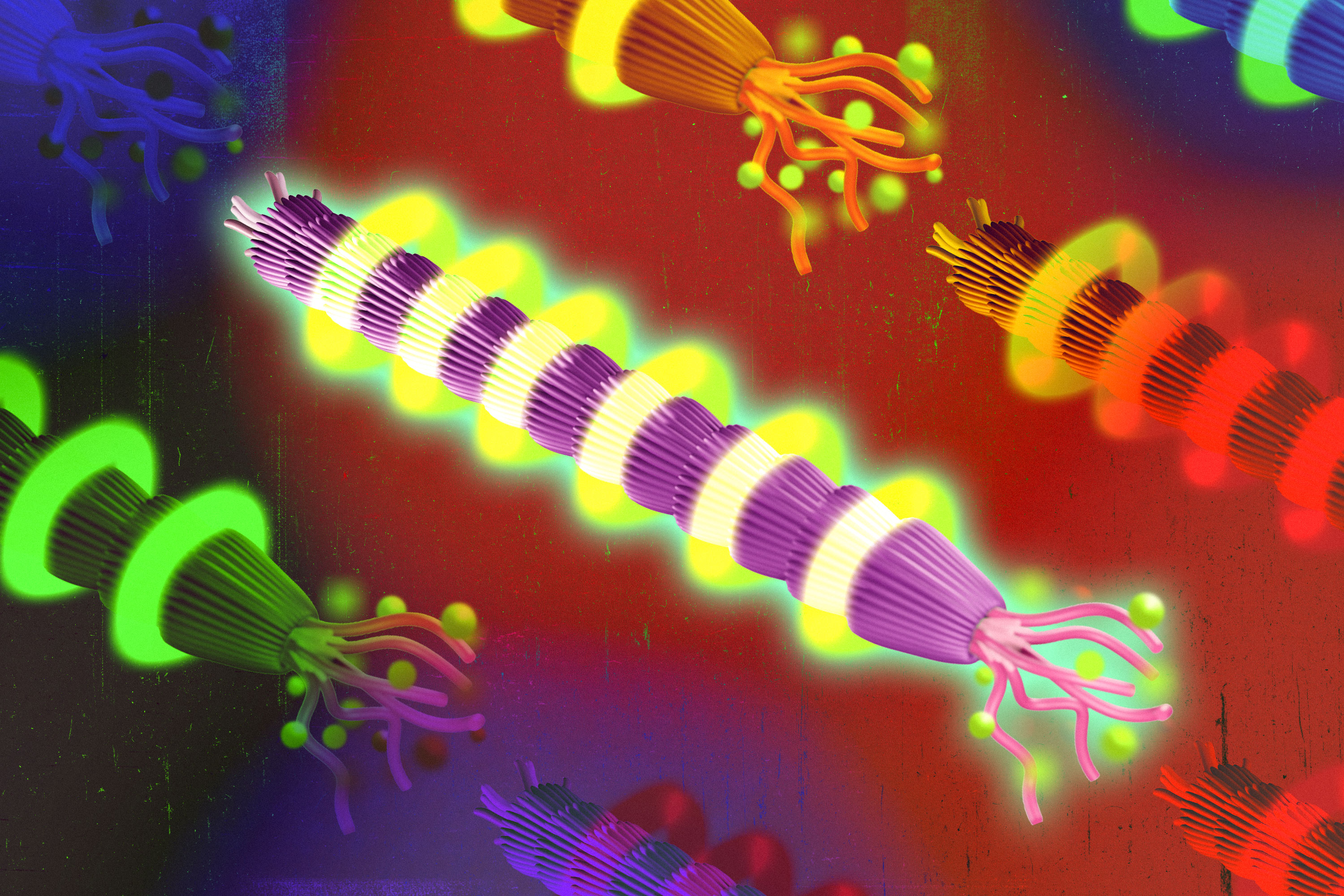
A nanoscale particle with a unique structure, developed at MIT, holds potential as a customizable delivery vehicle for personalized cancer vaccines.The backbone of the vaccine is a modified, harmless bacteriophage called M13, which forms a nanofiber that can be coated with cancer antigens. By precisely controlling the density of those cancer proteins, the researchers found that they could create a vaccine that prevents the development of colon tumors in mice.This type of delivery particle could…
You know it’s autumn when the scent of pumpkin spice latte begins to waft through the air at the Dunkin’ in the Stratton Student Center, and students in MIT’s Next House residence hall diligently begin to piece together the many parts needed to showcase Next Haunt — a combination of a Halloween haunted house and escape room, built in the basement of the hall.Every fall since 2014, students — also known as hauntmasters — spend several weekends building the room and preparing puzzles, physical…
MIT researchers have shown that they can accurately track muscle movement using tiny magnetic beads implanted in the muscle. These measurements could make it easier for people with certain types of amputations to control their prosthetic limbs.For decades, researchers have been working to develop neuroprosthetic limbs, which use neural information from muscles remaining after an amputation to guide the prosthetic limb. Measurements of a muscle’s length, velocity and activation can be fed into…
A user who is frustrated with changes a social media company made to their favorite messaging platform, like the introduction of an annoying AI chatbot, can’t do much to address the situation, short of leaving the platform.Now, MIT researchers are offering an alternative path.They’ve created Social.Wiki, a system that allows users to easily edit any social application made within Social.Wiki, and choose which of the edits made by others they want to see. For example, a user could change a…
For decades, scientists have been able to look at individual moments in the development of an embryo: a snapshot of a developing brain, a picture of how the heart takes shape, or a glimpse of cells beginning to form the nervous system.But what if instead of taking snapshots, they could watch the entire process unfold?A new study out of the lab of MIT Professor Jonathan Weissman, a member of the Whitehead Institute for Biomedical Research and a Howard Hughes Medical Institute investigator,…
During its annual meeting on Oct. 19, the National Academy of Medicine (NAM) announced election of 100 new members, including MIT faculty member Michael Yaffe and six MIT alumni: Steven Allen Abrams ’79; Susan L. Ettner PhD ’91; Diane Medved Harper ’80, SM ’82; Albert Icksang Ko ’81; Jennifer Lewis ScD ’91; and Alexander Marson PhD ’08.Election to the academy is considered one of the highest honors in the fields of health and medicine and recognizes individuals who have demonstrated outstanding…
One of the main ways that the APOE4 gene variant, the biggest genetic risk factor for late onset Alzheimer’s disease, undermines brain circuit function is by disrupting the process of insulating neurons with a fatty sheath that optimizes their electrical transmission. A new study led by neuroscientists at the Picower Institute for Learning and Memory at MIT provides several lines of evidence to implicate a specific molecular pathway in that disruption, and uses that insight to demonstrate an…
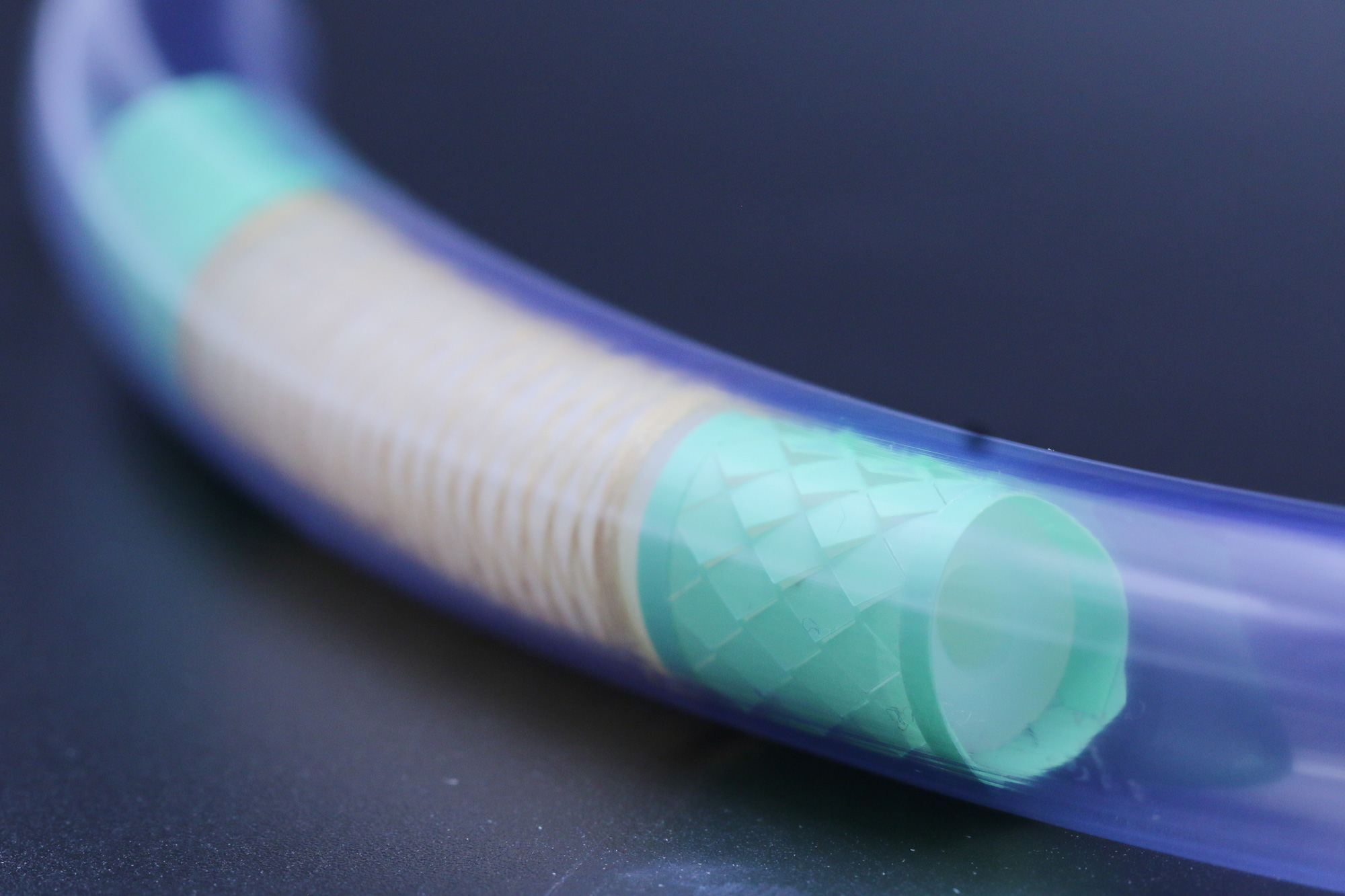
Disorders of the small intestine are often difficult to diagnose and treat. More than 20 feet long, an inch in diameter, and located deep within the body, this organ is harder to access than other parts of the digestive tract, such as the colon or stomach.To overcome those challenges, MIT engineers have designed a new robotic enteroscope that can move easily through the narrow passage of the small intestine, allowing it to perform imaging, deliver drugs, and remove small polyps or tissue…
For centuries, infrastructure has evolved alongside technology. New materials and engineering techniques enabled taller buildings, longer bridges, and larger cities. Computing and digital technologies later transformed how infrastructure was designed, monitored, and operated.Now, the pace of change is accelerating, and challenges are arriving simultaneously. Climate change is increasing pressure on water, energy, and other resources. Artificial intelligence is beginning to transform engineering…
The crack of a bat accompanied by a roar from the crowd can capture a baseball fan’s attention, even if they miss seeing the home run. Humans may be visual creatures, but we also perceive the world around us by listening to it. To improve artificial perception, MIT Professor Paris Smaragdis SM ’97, PhD ’01 seeks to make machines that can hear and understand sound even better than humans.A machine with super-human hearing could rapidly pinpoint the location of a traffic accident by listening for…
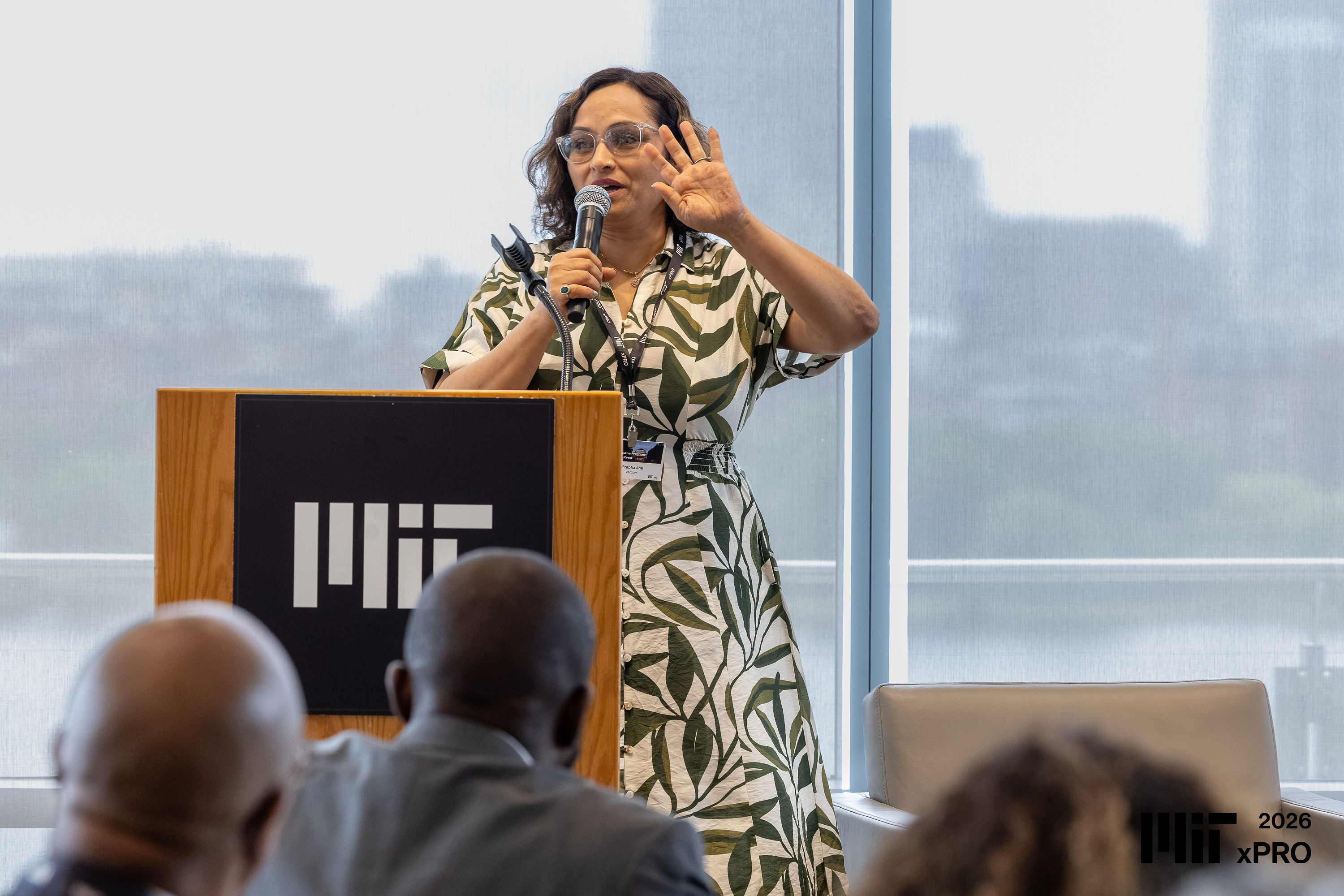
Like many leaders today, Prabha Jha has been feeling the significant impact artificial intelligence is having on business operations. While the rapid evolution of the technology can bring fear, uncertainty, and confusion, Jha chose a different response: excitement. She began asking herself, “How do I become part of this once-in-a-lifetime thing?” Jha holds a bachelor’s degree in information technology from the University of Calcutta and earned her MBA while working at Verizon, where she…
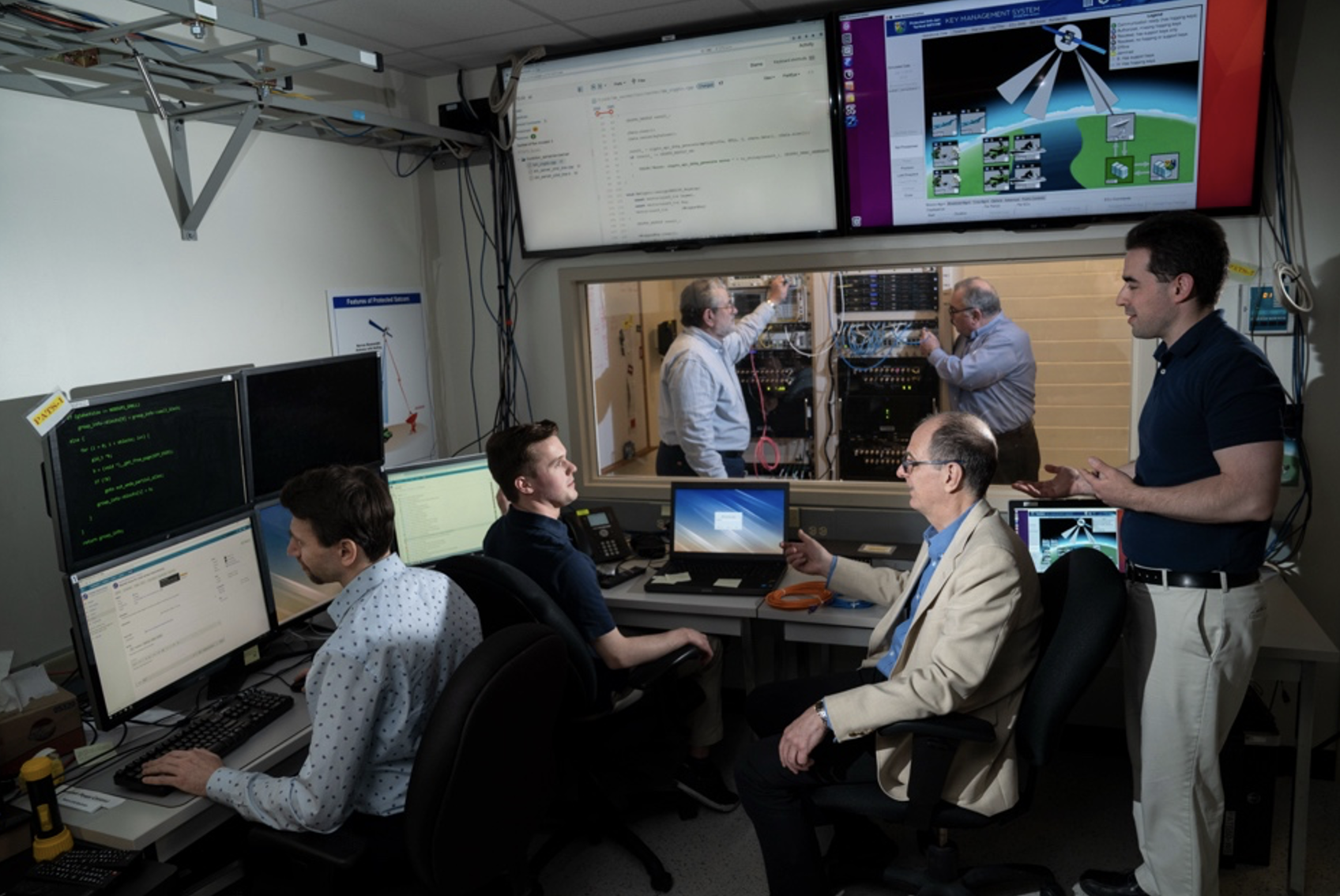
At any given moment, a U.S. Air Force pilot may be maneuvering an aircraft mid-mission, a U.S. Navy officer resurfacing a submarine after weeks undersea, or a U.S. Army technician offloading drone data in a combat zone. Each operation depends on satellite communications (satcom) and, specifically, on cryptographic keys that allow terminals to communicate securely while keeping adversaries locked out.At the scale of modern operations, managing these keys is a technical challenge. Every terminal…
MIT researchers developed a new type of origami-based construction method that could be used to build complex structures that are cheaper and easier to assemble, and use less material than those built with some conventional techniques.This scalable system simplifies the process of designing lightweight, rigid structural shells from modular components that can be fabricated from flat sheets of material and then folded into shape. The units are connected to build a larger lattice structure using…
J-PAL North America, a research and policy center in the MIT Department of Economics, is launching a free Homelessness Evaluation Resource Hub. The hub — a public repository of evergreen multimedia content developed with a grant from Google.org — aims to equip decision-makers with foundational tools on how to leverage evidence to reduce homelessness and improve housing stability.Homelessness represents both a cause and a consequence of poverty and inequality. Rigorous evidence is critical in…
Hashim Sarkis will step down as dean of the MIT School of Architecture and Planning (SA+P) at the end of June 2027. During his 12 years as dean, Sarkis elevated the school’s role and impact by creating new academic centers, adding more support for students, and, quite visibly, moving into a new home in MIT’s renovated Met Warehouse building. To an unusual degree, these achievements are interconnected: The Met Warehouse, dedicated this month, features innovative and expanded spaces for…
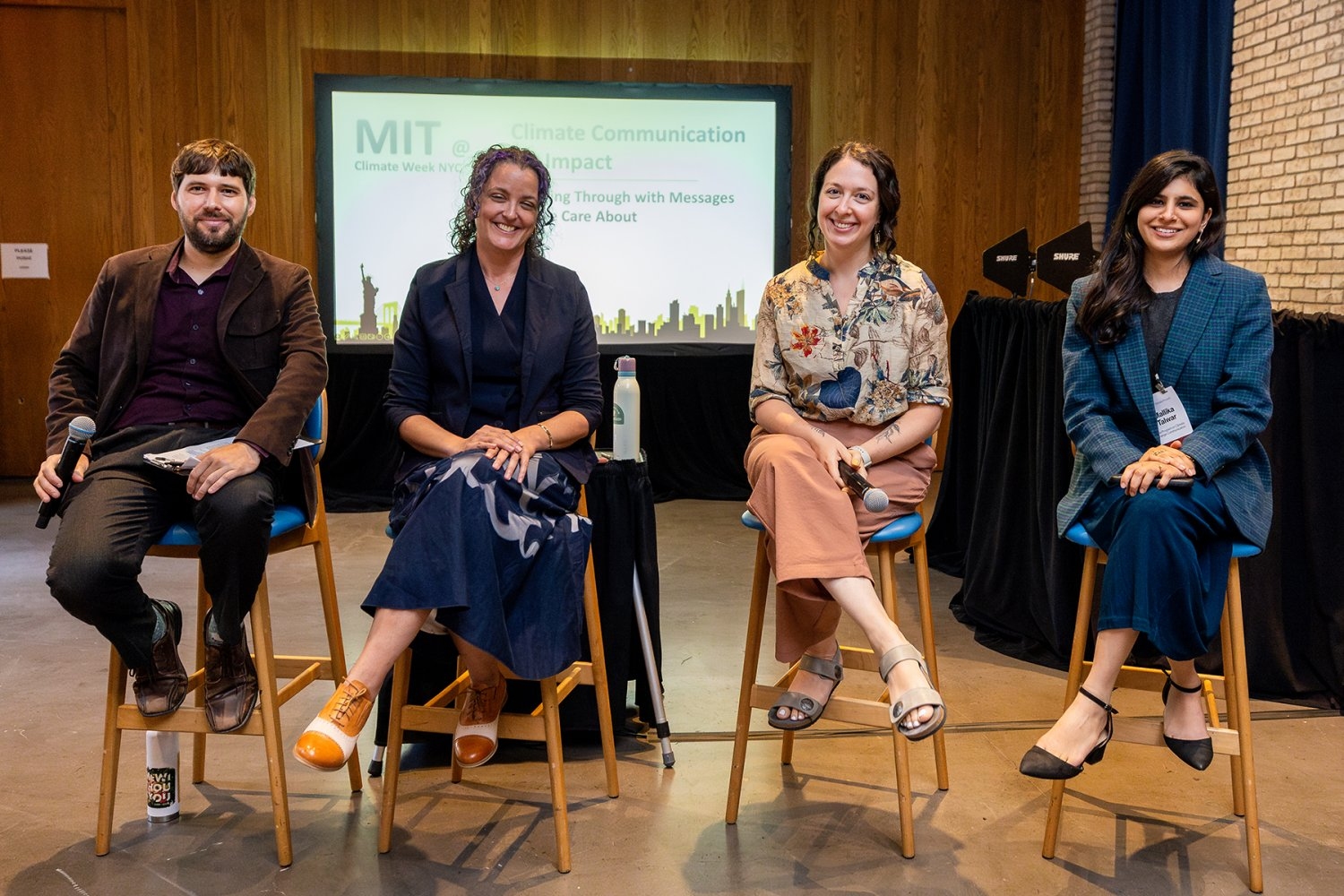
Each year, Climate Week NYC brings together more than 100,000 people in more than 1,000 events across the city to discuss climate challenges, explore solutions, and spur action. Participants come from industry, academia, philanthropy, nonprofits, government, and finance and venture capital. And this year, the mix included a strong, cross-campus presence from MIT.The MIT community could be seen multiple days during Climate Week, with appearances by Evelyn Wang, vice president for energy and…
Patients with glioblastoma, an aggressive type of brain tumor, usually undergo surgery to remove the tumor. However, it’s difficult for surgeons to remove all of the cancer cells, and the tumor often recurs.MIT researchers have now designed an implantable drug-delivery device that they hope could help prevent recurrence of glioblastoma. Their device contains a reservoir that can release drugs over an extended period, along with ultrasound transducers that use sound waves to help drugs spread…
With the Big Bang, the universe burst into existence as a hot and dense soup of electrons and subatomic particles. This primordial ionized plasma, initially smaller than a single atom, rapidly expanded and cooled. In the process, particles in the soup slowed enough to bind with electrons, forming electrically neutral hydrogen. As this neutral hydrogen accumulated, the effect was like a shroud, preventing light and other forms of radiation from freely passing through. Around 380,000 years after…
Legal scholar Martha Minow delivered this fall’s Compton Lecture at MIT on Thursday, examining the civic foundations of democracy — and describing how artificial intelligence is undermining it, but could be used to help reinforce traditional U.S. governance. “It’s not a good time for democracy or constitutionalism,” said Minow, who is the 300th Anniversary University Professor at Harvard University, and a prominent expert in constitutional law and human rights. She noted a litany of challenges…