Posts from every feed QUEST has found across the web — blogs, news, podcasts, channels and more.
M
MIT News
MIT News is dedicated to communicating to the media and the public the news and achievements of the students, faculty, staff and the greater MIT community.
The use of algorithms to design structures has led to new parts optimized for ultralight aircraft, high-bandwidth antennas, and F1 racing cars.But the best algorithmic design techniques still require lots of computation and time: Users only see the final design after it’s complete, after which they often must start the design process all over again to make changes. That process also makes it harder to trust that the final designs are structurally sound.MIT researchers are making algorithmic…
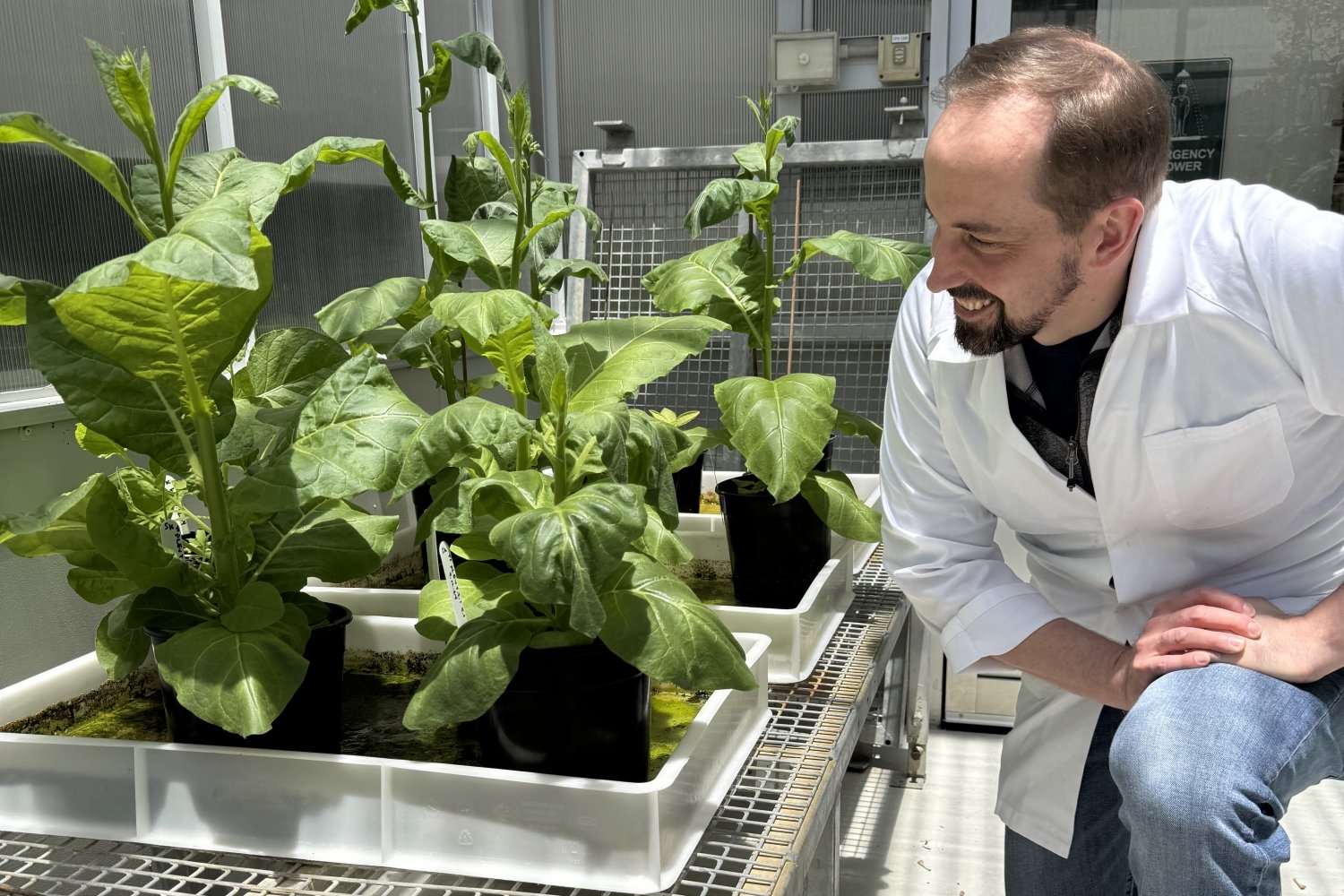
As humans expand their ambitions in deep space, energy-intensive missions can’t afford to rely solely on combustion or solar power. They will need nuclear energy for propulsion and surface habitation.Jake Hecla ’17, who holds a dual appointment as assistant professor in the Department of Nuclear Science and Engineering (NSE) and Charles Stark Draper Career Development Professor of Aeronautics and Astronautics (AeroAstro), is researching ways to address one of the principal heat transfer…
The MIT Global Seed Funds (GSF) are designed to do more than launch research projects — they build international collaborations that make ambitious science possible. By supporting early-stage collaborations with researchers around the world, the program helps faculty test new ideas, exchange expertise, and lay the groundwork for discoveries that often grow far beyond the initial award. Matt Shoulders, professor of chemistry and department head, has experienced that impact firsthand. Since his…
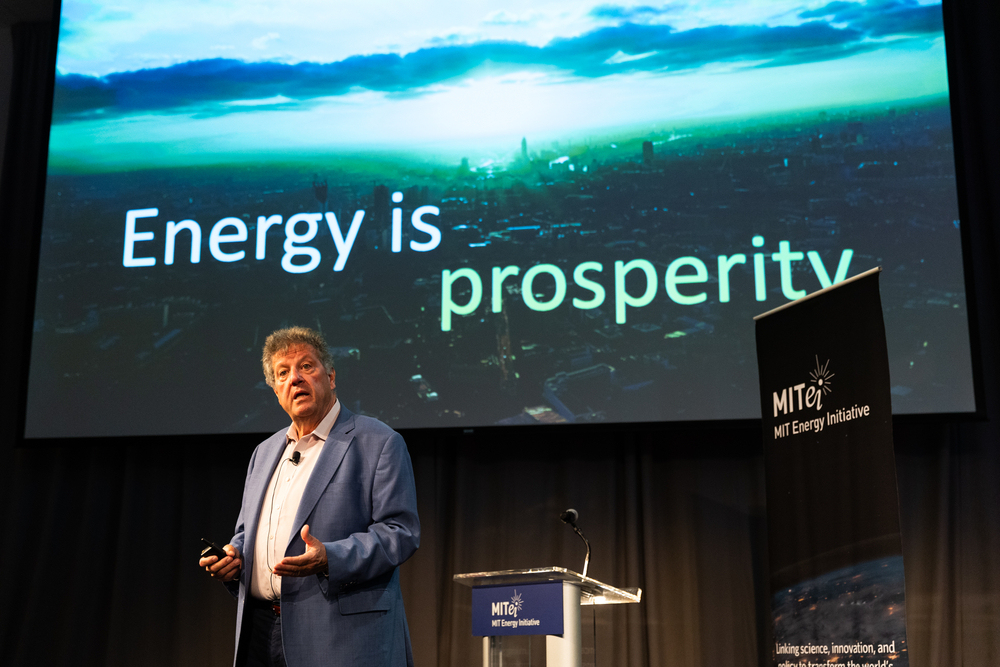
While rising global prosperity increases energy demand and resulting greenhouse gas emissions, promising low-carbon technologies offer reason for optimism. Eric Toone, Breakthrough Energy’s chief technical officer, gave this assessment in his keynote address at the recent Energizing@MIT, the annual research conference of the MIT Energy Initiative (MITEI).“Energy is how we make things … build and heat our homes … grow and prepare our food. So, energy is prosperity,” said Toone.Toone oversees the…
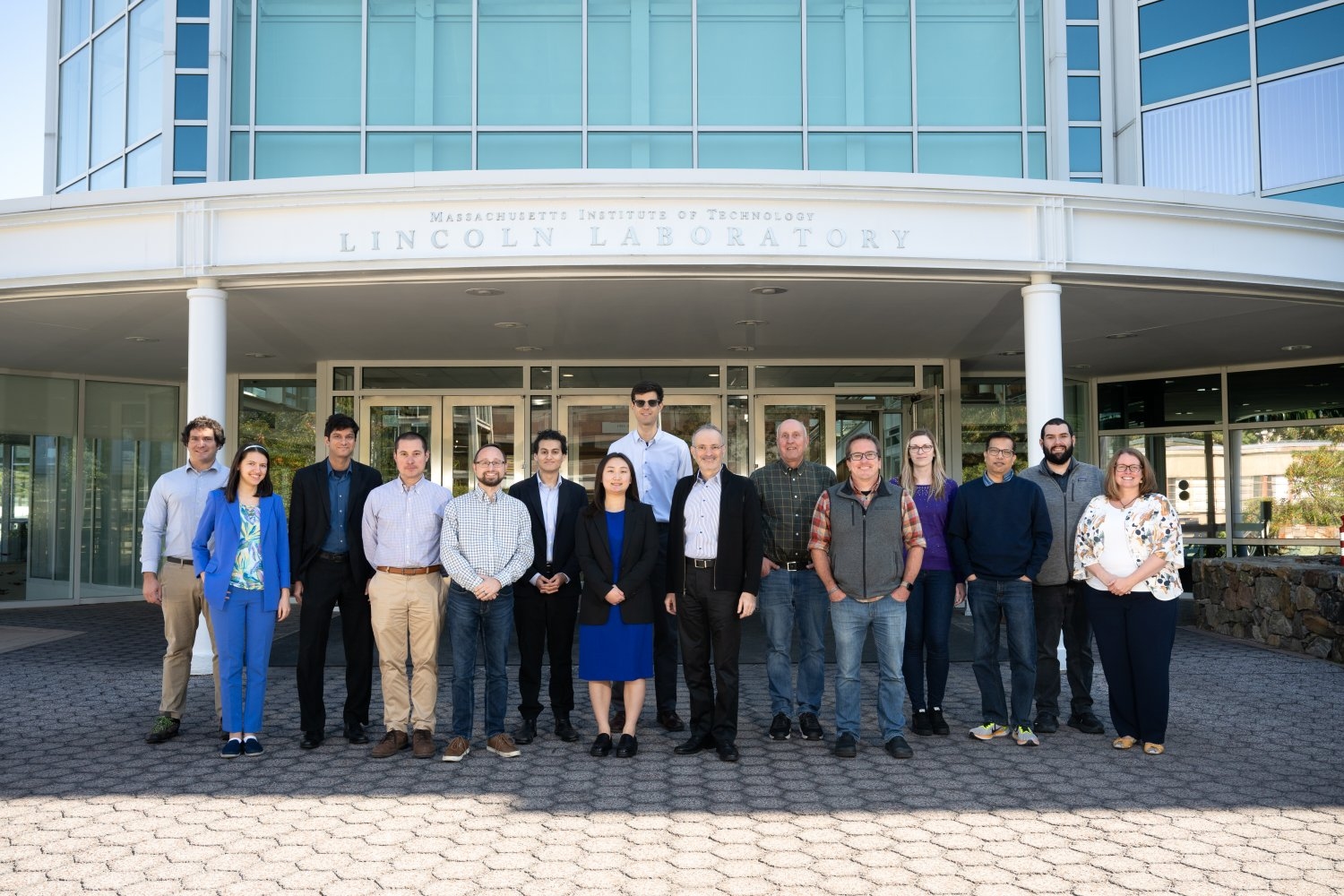
Three technologies developed by MIT Lincoln Laboratory are among recipients of 2026 R&D 100 Awards. The awards recognize the 100 most significant innovations that have transitioned to use or been made available for license in the past year.R&D World, an online publication, manages the awards program, which has run annually since 1963. The worldwide competition is judged by an independent panel of science and technology experts and industry professionals.The laboratory's winners overcome…
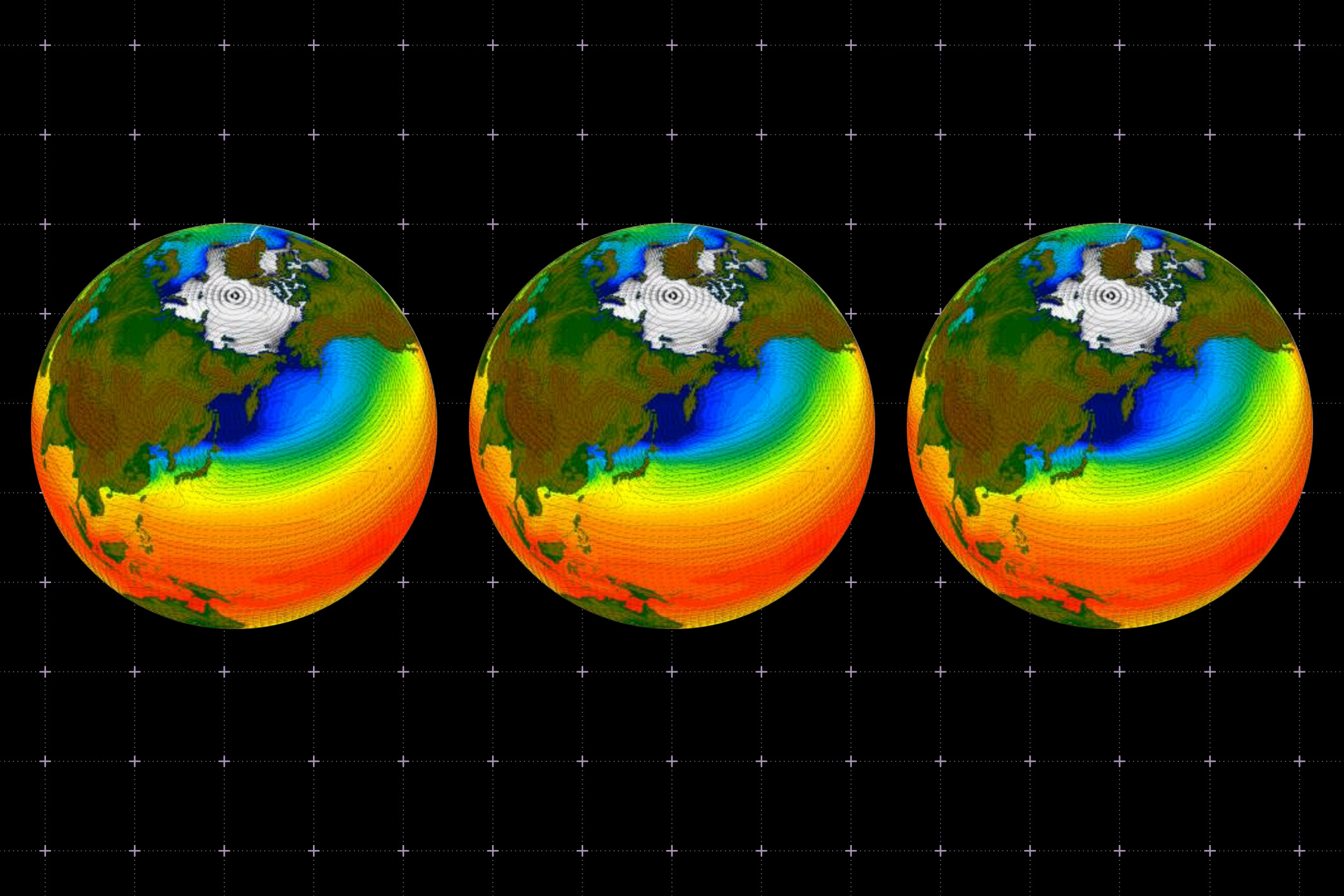
Accurate, up-to-date climate projections are essential for planning decisions that enhance the resilience of power grids, protect public health, maximize agricultural yields, and more.Now, MIT researchers have developed a technique that streamlines the production of fast, trustworthy, and adaptable artificial intelligence models for climate prediction.These specialized AI models, known as climate emulators, can rapidly simulate the effects of human activities onto a future climate, predicting…
Order has long been the rule in the design of synthetic “metamaterials,” which have internal structures that give the whole material exceptional properties not found in nature.When scientists engineer a metamaterial, they design from a single building block, or “unit cell,” that is then copied and pasted many times over. The result is a precise, periodic microstructure that results in improved material performance. Now, a team from MIT and Northeastern University has found that engineering a…
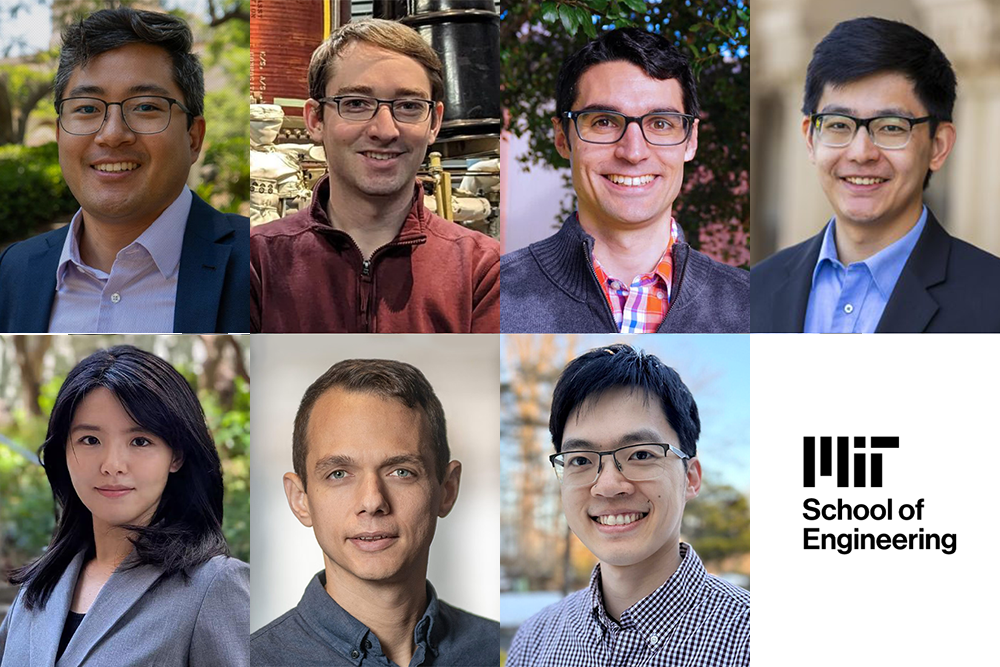
The MIT School of Engineering welcomes new faculty members across six of its academic units in 2026. This new cohort of faculty members, who have recently started their roles at MIT, conduct research across a diverse range of disciplines.“I’m pleased to welcome these talented colleagues to our engineering faculty,” says Paula T. Hammond, dean of engineering and an Institute Professor. “They bring fresh perspectives that will open new directions for research and create opportunities for our…
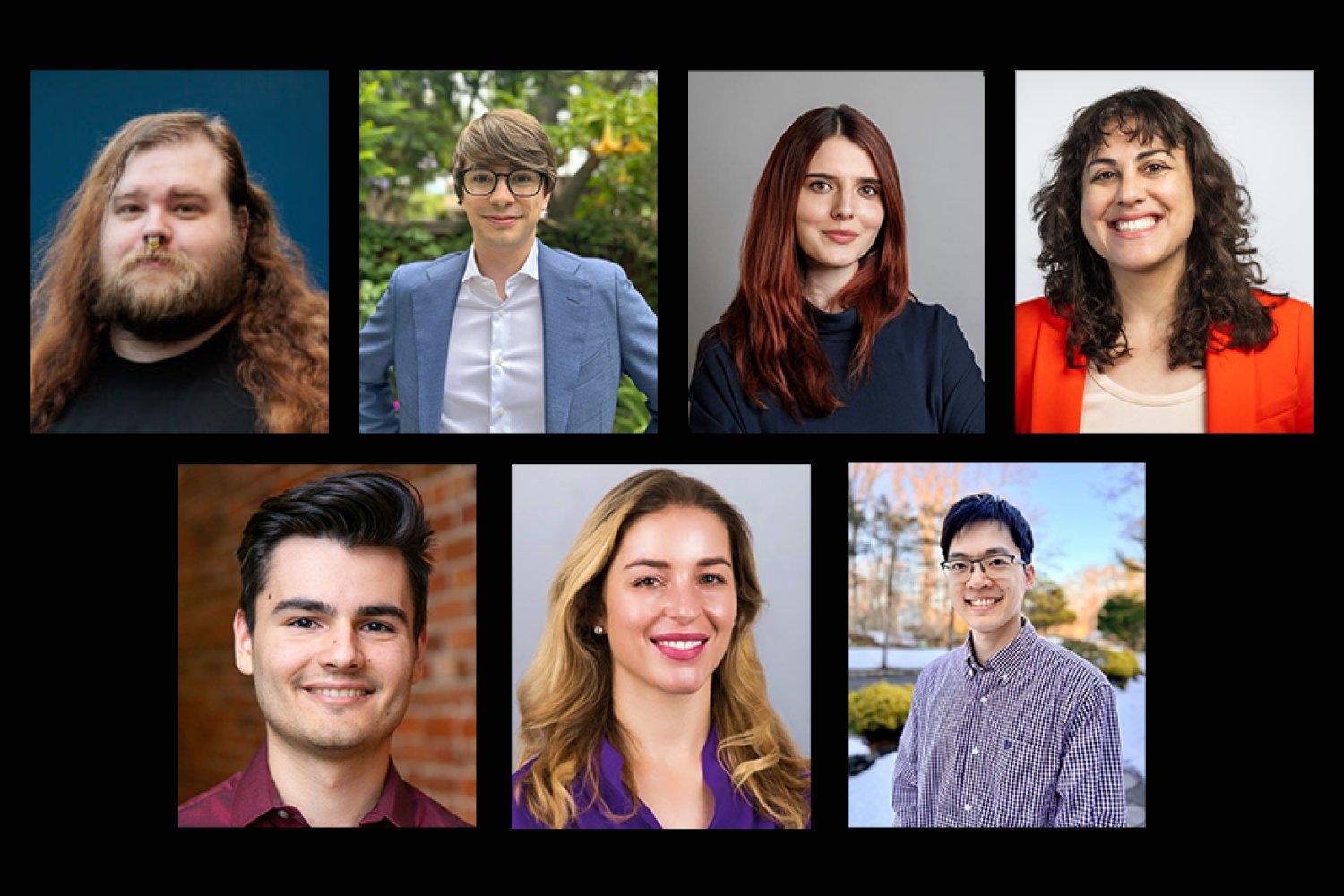
The MIT Schwarzman College of Computing welcomes seven new faculty members in core computing and shared positions to the MIT community in 2026. They’re inventing and using artificial intelligence and computing technologies in new ways to transform areas such as environmental science, quantum computing, human-AI interaction, and macroeconomics and finance.“It’s a pleasure to welcome these outstanding faculty members to MIT, whose innovative research is leading advances in AI and computing and…
A senior studying mechanical engineering and finance, Dominic Hess is an Academic All-American with a packed study schedule. But he and his teammates still make room for about 20 hours a week of football during the regular season. (“It’s a little less in the spring,” he notes.) All this time practicing, working out, and playing in games, he says, doesn’t take away from his academic experience at MIT — it amplifies and improves it. In this interview, Hess discusses his experiences on and off the…
Eminent theoretical physicist Jeffrey Goldstone, an MIT professor emeritus, Dirac Medalist, and holder of the Department of Physics’ Cecil and Ida Green chair, died Oct. 12 at age 93. A member of the MIT physics community for 49 years, Goldstone was especially known for his influential work in quantum field theory as well as contributions to quantum optimization algorithms. Notably, he is the namesake of the Goldstone boson and the related Goldstone theorem.“Jeffrey was a giant of theoretical…
It was a landmark in history: In 1957, Ghana became the first sub-Saharan African state to achieve independence from colonial rule, having previously been under the control of Great Britain. But gaining political independence does not mean the past is left behind, and there has long been public debate about the many long-term effects of the colonial period on state and society in subsequent decades. Now, an empirically rich study explores one aspect of the Ghanaian state, the composition of its…
When Andrew Voelsing was 8 years old, he decided he was going to MIT.He was fascinated by space and dreamed of building spaceships. The Institute, and its well-known aerospace engineering program, seemed like the obvious destination. Years later, as a senior studying climate system science and engineering, Voelsing is preparing for a different kind of career: serving as a Navy officer, using his technical training to help the armed forces understand the ocean and atmosphere. Even during…
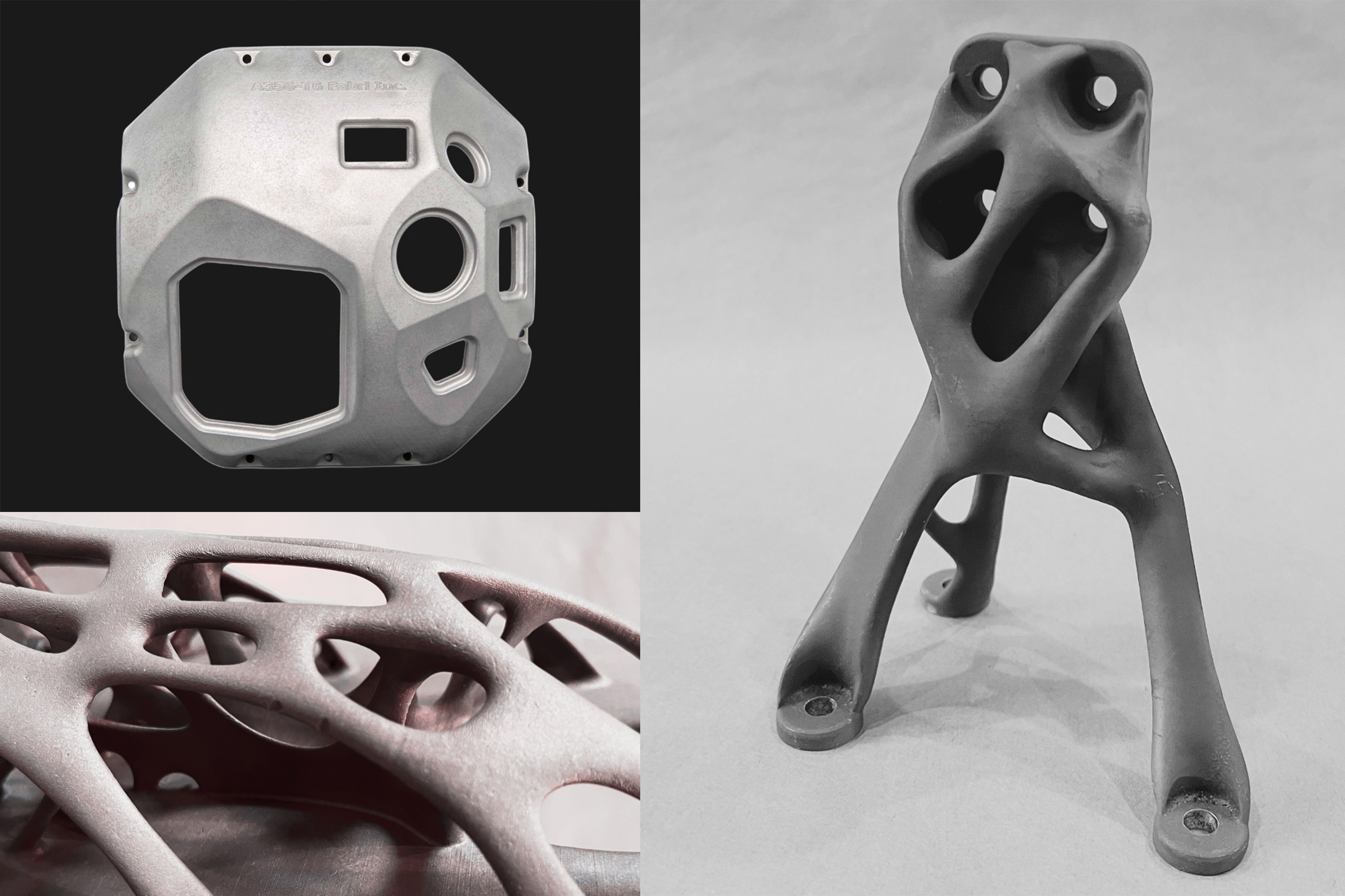
The United States used to be the world leader in metal casting, a process where liquid hot metal is poured into a mold to solidify into a desired shape. But more than 70 percent of American metal casting facilities have closed since the industry’s peak in the 1950s. Today, China and India dominate global metal casting production, which is critical for making the components of jet engines, nuclear and gas turbines, medical devices, and more.Fabri is trying to revitalize American metal casting.…
MIT researchers will lead an up to $53 million effort, awarded by the U.S. Advanced Research Projects Agency for Health (ARPA-H) as part of its STREAM (Systems for Tracking and Resilience in Efficient Agricultural-input Management) program, to develop next-generation weed killers that help farmers and protect human health. More than 1 billion pounds of herbicide are used in the United States every year. Herbicides help farmers by preventing significant crop loss due to weeds, and they enable…
Humans are intuitive by nature. We can sense meaning beyond the literal words that we encounter. Now, a new artificial intelligence-assisted learning platform developed by MIT engineers is enabling robots to read larger meaning into a human’s natural language commands. In a study to be presented at the annual Conference on Robot Learning this month, researchers from MIT and New York University introduce FLEX, a flexible feature-editing pipeline for robot motion-planning. With FLEX, humans can…
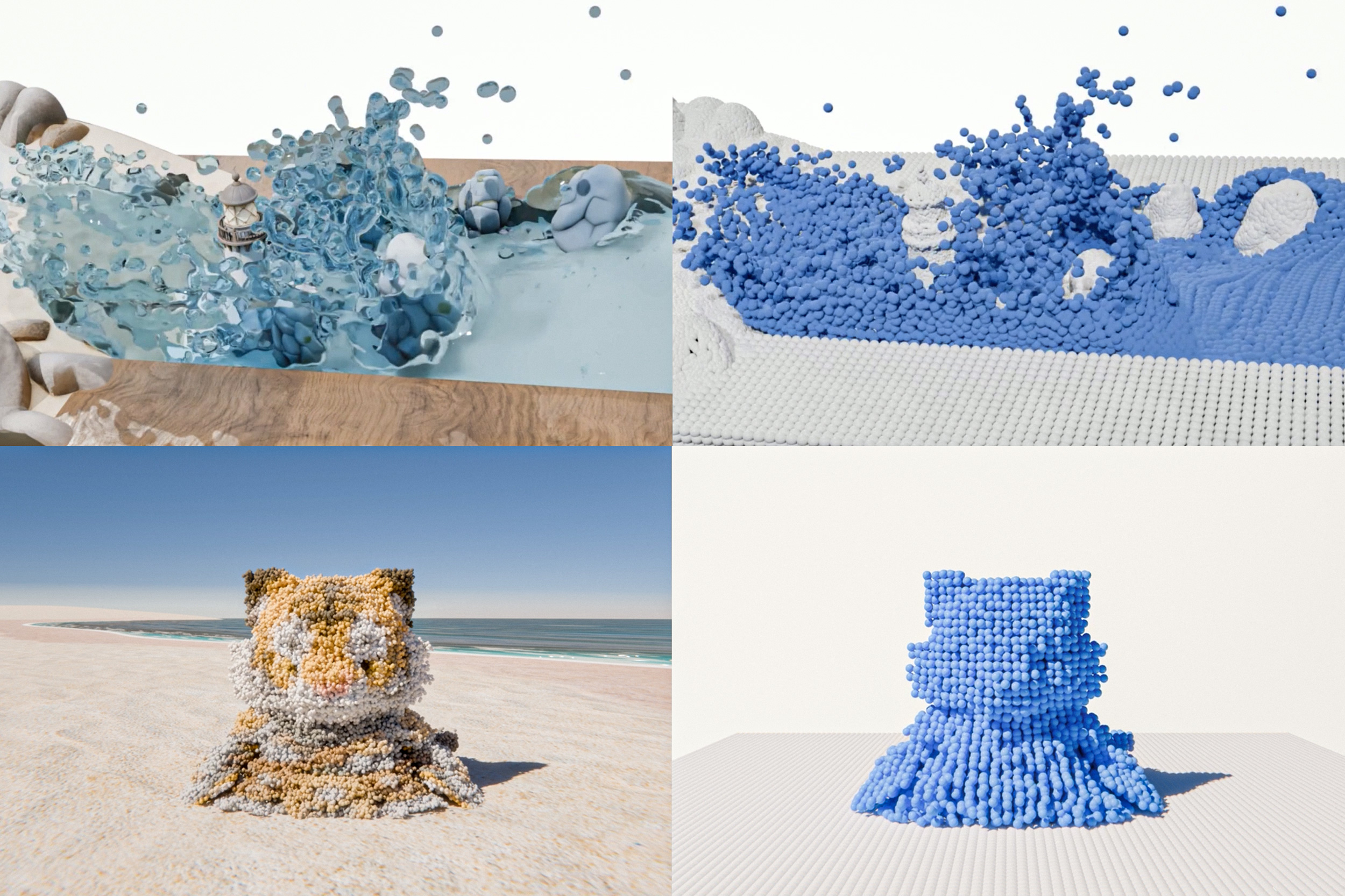
Today, a scientist who wants to simulate a physical process must pick the right tool for that one job, such as a solver built for flowing water or another designed to model the way a protein folds. Each one is hand-coded around the specific equations that dictate how that process behaves.Researchers at MIT, the University of British Columbia (UBC), and elsewhere have now replaced that patchwork with a single deep-learning system, called WorldParticle, that could help engineers model different…
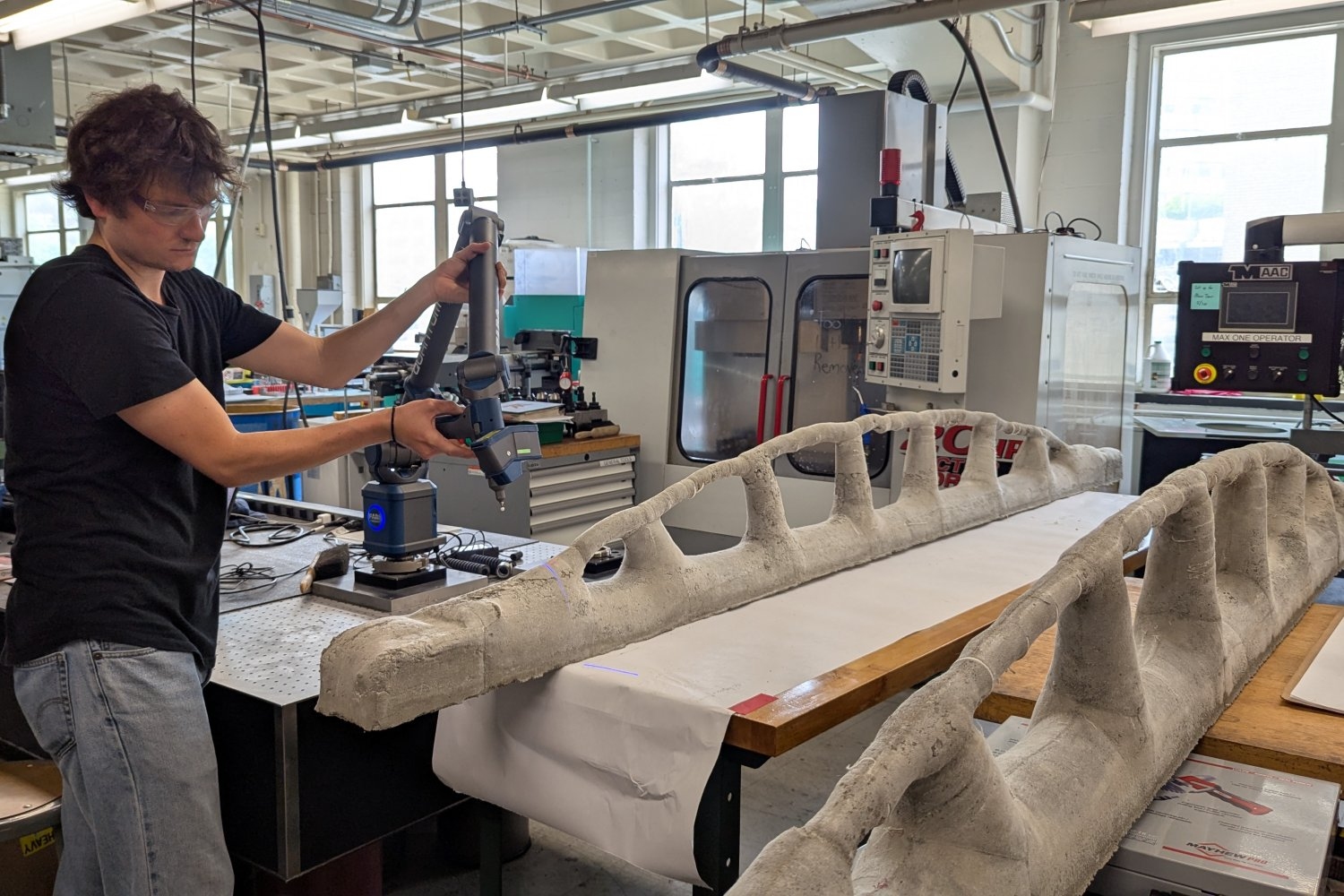
Topology optimization is a computer design method that can help engineers design beams using reduced amounts of concrete and steel. But those intricate shapes produced from the tool are often too complex or expensive to pour into conventional rigid molds. The few that have been built have mostly relied on specialized equipment, such as concrete 3D printers or machine-carved molds, equipment that is out of reach in regions where new construction is expected to grow. Now, MIT engineers have shown…
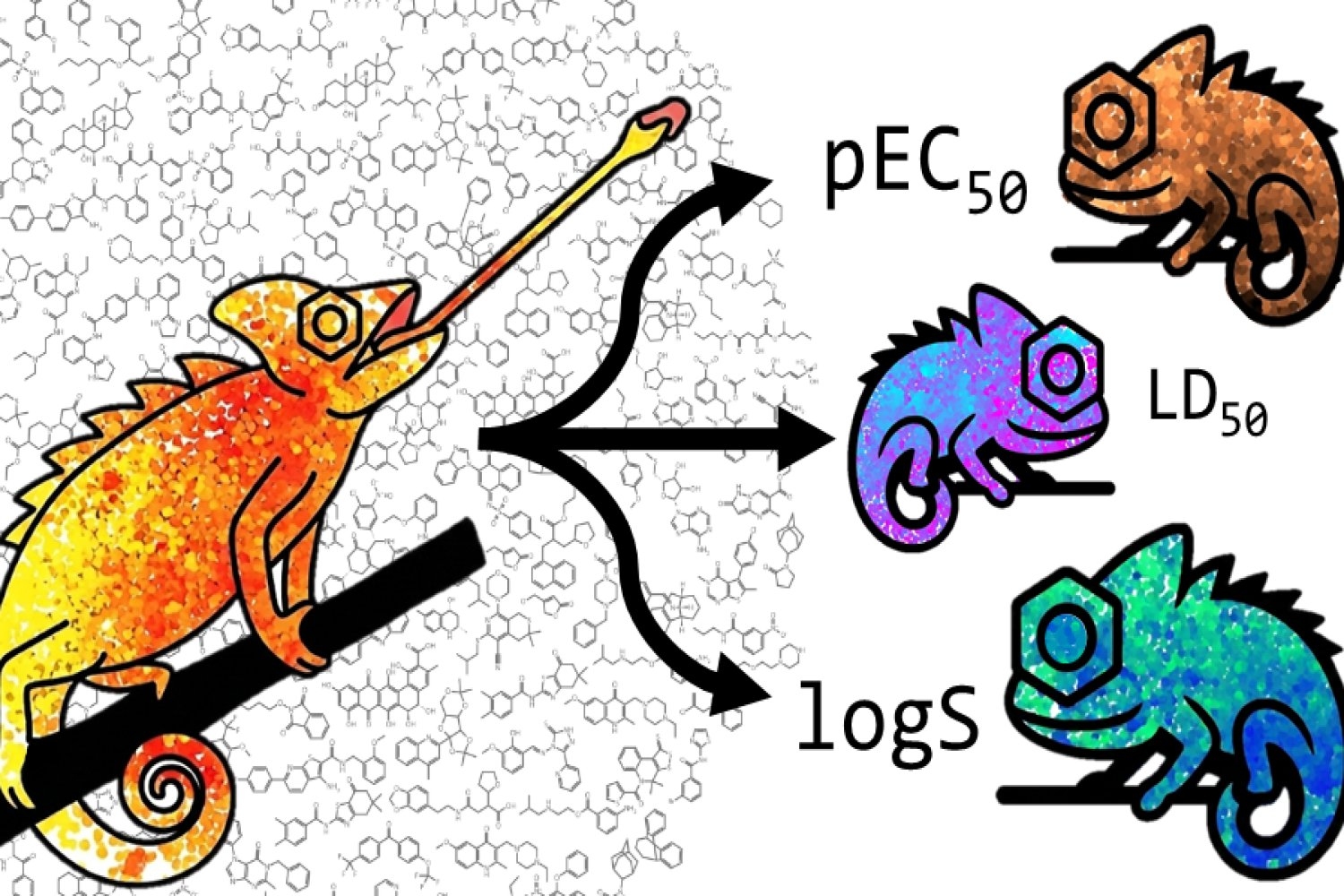
Discovering new molecules for specific uses is a major driver of progress in a wide variety of industries, whether it’s pharmaceutical companies looking for new drugs, or electronics or energy companies seeking new materials with particular properties. But it’s also largely a trial-and-error process, because there is not yet any way to perfectly predict how a given chemical compound will behave in terms of the myriad different properties and responses materials can exhibit.Recent progress has…
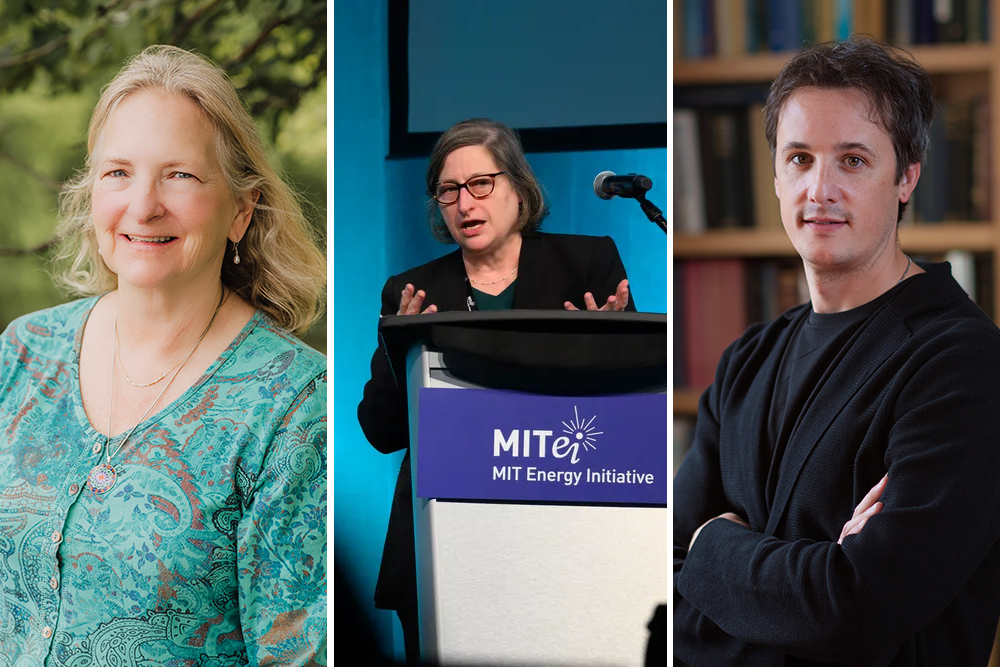
Three MIT affiliates — Anthea Coster of MIT Haystack Observatory, Carolyn Ruppel ’86, SM ’86, PhD ’92 of the MIT Energy Initiative, and César Terrer of the Department of Civil and Environmental Engineering — have been elected as fellows of the American Geophysical Union (AGU) for 2026. The AGU also honored eight additional MIT alumni as new fellows: Claudia Benitez-Nelson PhD ’99; Robert Howarth PhD ’79; Douglas J. Jerolmack PhD ’06; Tamara Shapiro Ledley; Galen A. McKinley PhD ’02; Mark David…
The MIT Quilt Show, put on as a collaboration between the Crafters’ Circle, MIT Makerspaces, and the MIT Women’s League, and funded by the Council for the Arts at MIT, ran for three days in Lobby 13 Oct. 5-7 and drew 950 visitors.“We got wonderful feedback throughout the show, and it was tremendously gratifying to see the MIT community turn out en masse to support this art form,” says Jane Halpern, show organizer and communications officer for the Department of Electrical Engineering and…
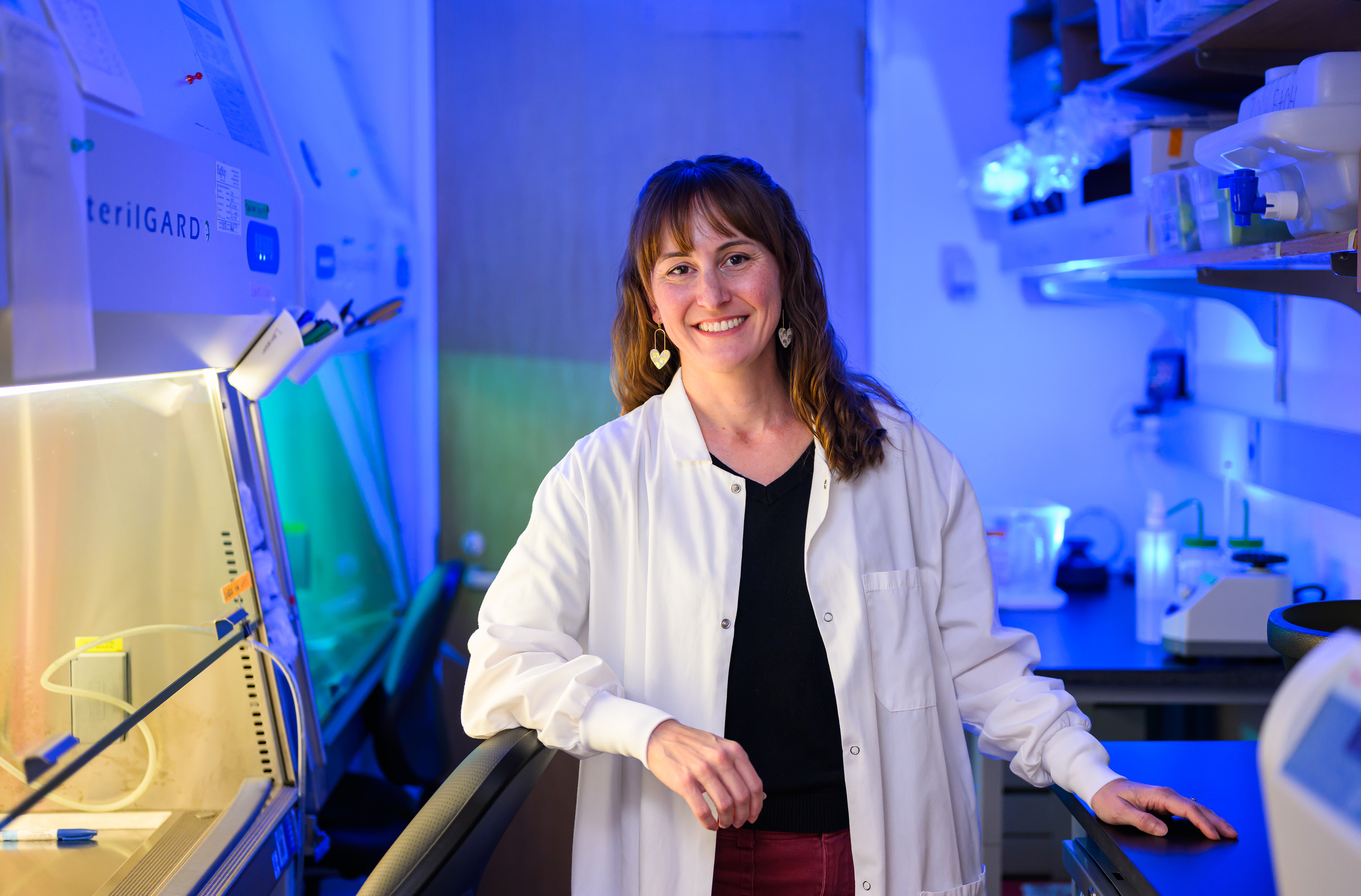
Most biologists who study pathogenic microbes have focused on strains such as Escherichia coli or Staphylococcus aureus, which are not only important for human health, but also relatively easy to grow in the lab. Rebecca Lamason, an MIT associate professor of biology, wants to take a more expansive approach that includes bacteria that are more challenging to study. Tackling those microbes, she says, can help scientists learn more about the huge diversity of strategies that pathogens have…
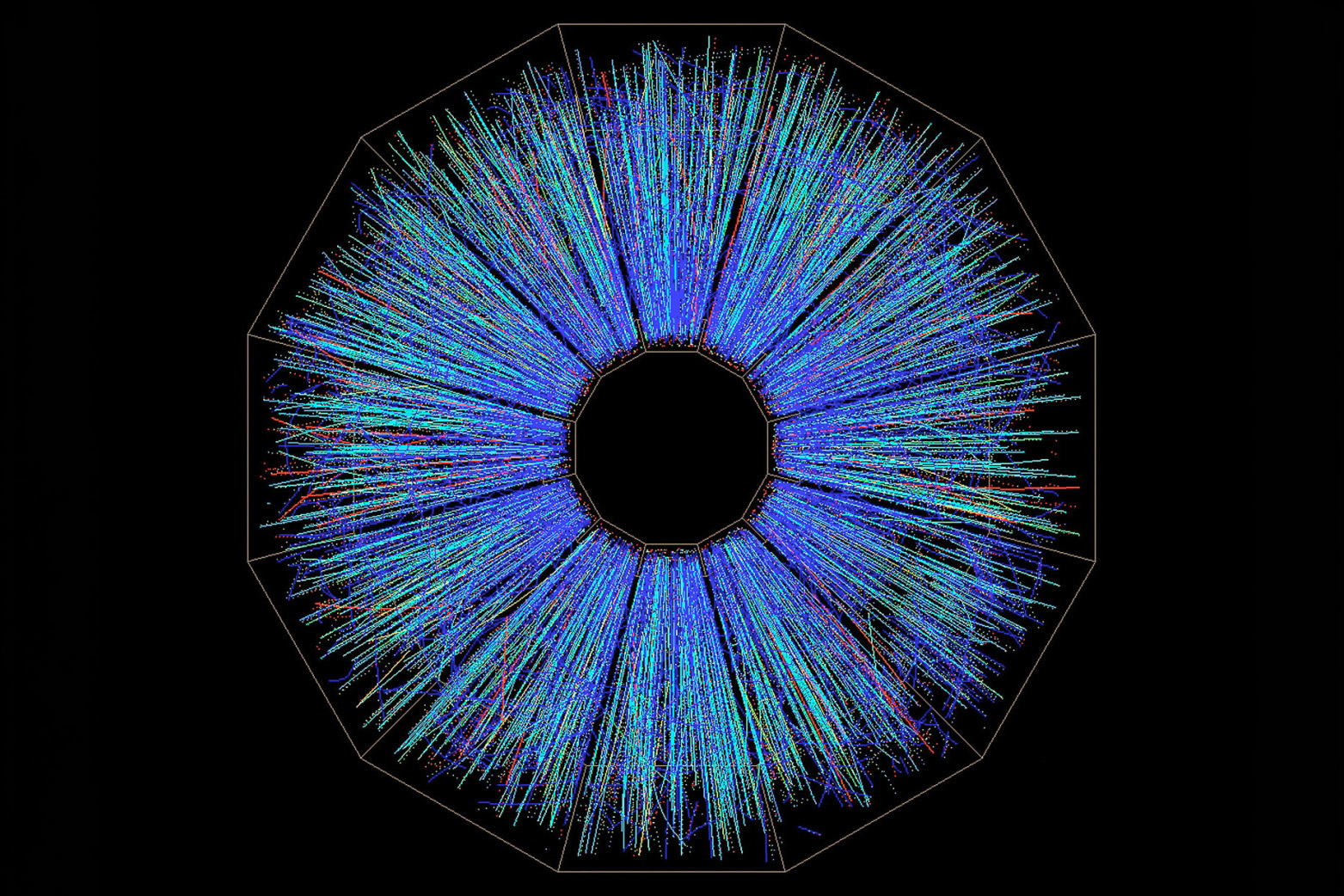
In the first fraction of a second following the Big Bang, matter existed as a trillion-degree plasma of quarks and gluons — subatomic particles that zinged around at close to the speed of light. This roiling soup lasted for just a few microseconds, before the particles coalesced into more stable protons and neutrons. To study this primordial fluid, scientists recreate quark-gluon plasma in large particle accelerators, where ions are smashed together at close to the speed of light. These…
In an emergency, a human might someday ask a robotic assistant to fetch a wall-mounted defibrillator located down the hall. But if the robot has incorrectly labeled the defibrillator as a fire extinguisher in its stored memory, it may not know where to find the life-saving device.This robotic assistant could benefit from a new memory system created by MIT researchers. The system identifies entries in a robot’s memory that might be wrong and corrects the descriptions of mislabeled objects. In…
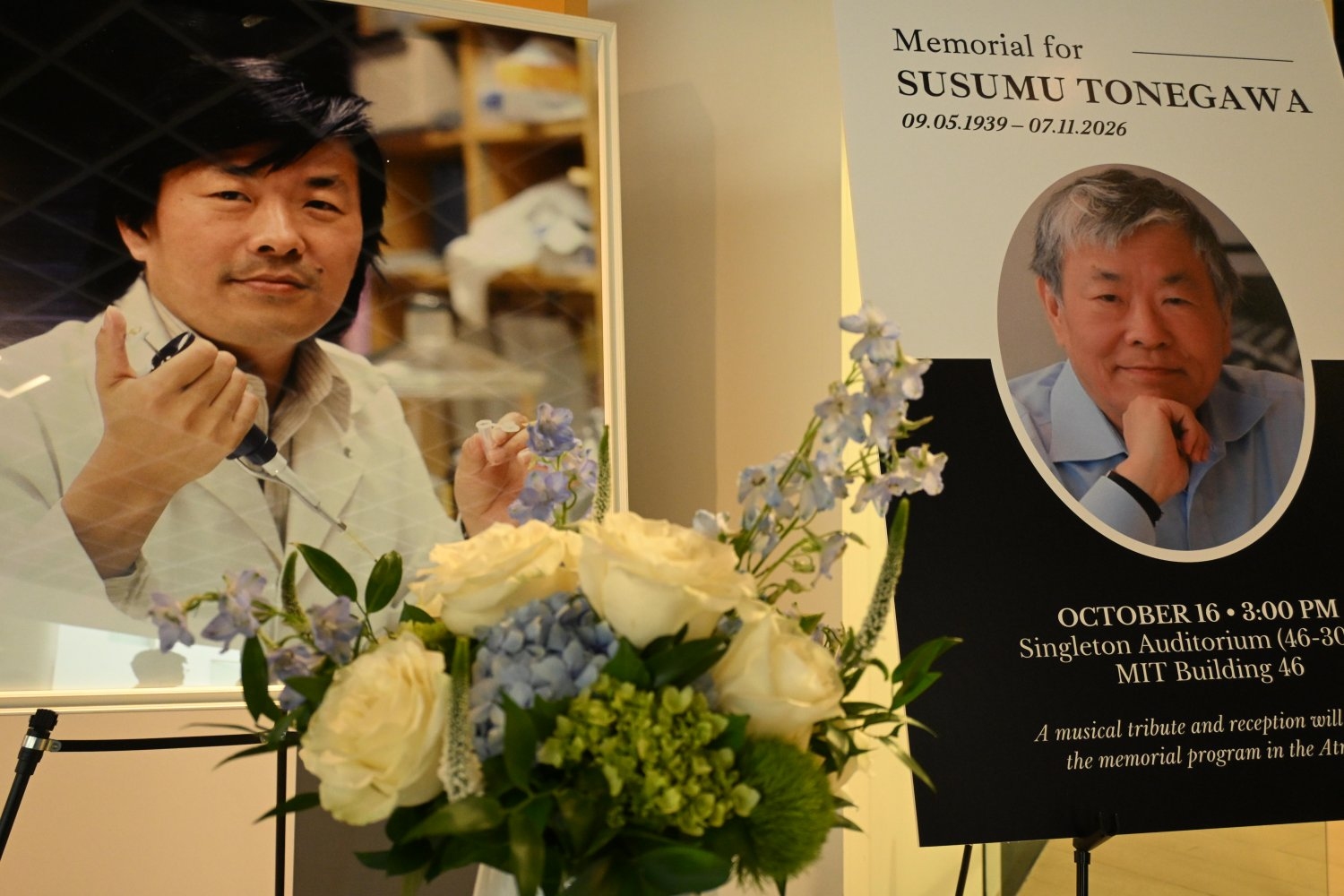
Before he passed away on July 11, Susumu Tonegawa had been a professor at MIT for more than 40 years. At a memorial service Oct. 16, colleagues, mentees and other friends spanning almost the whole arc of his illustrious MIT career gathered with members of his family to celebrate his life with recollections and stories that praised not only his science and achievements, but even more so his humanity.The picture that 16 speakers collectively painted was one of a man who simultaneously demanded…
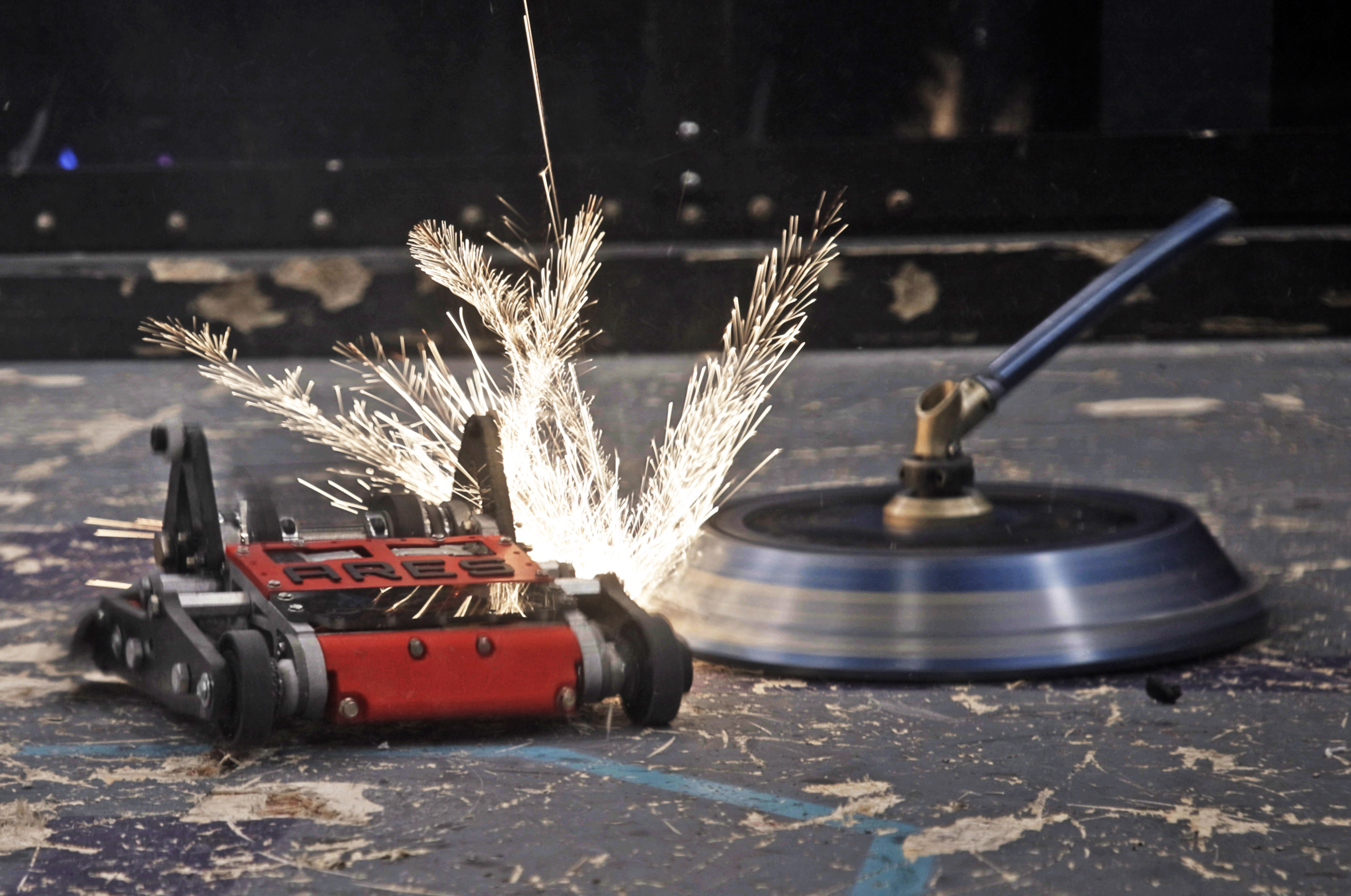
The MIT Combat Robotics Club (CRC) uses the tagline “build, battle, destroy, repeat,” which is a pretty spot-on description for a club that embraces learning opportunities through destruction. “We make fighting robots,” explains Ryan Duarte, the 2025-26 CRC captain and current captain of a sub team for CRC’s ARES robot. “We try and make something indestructible to kill someone else's creation [that] they've tried to make indestructible … and they're trying to kill ours. In other competitions,…
MIT researchers will lead a four-year, up to $38 million project, funded by the U.S. Advanced Research Projects Agency for Health (ARPA-H), aimed at developing a noninvasive, wearable patch that continually monitors biomarkers of heart disease and sepsis.The project is called PYTHIA, which stands for “predictive platform for physiological and therapeutic health intervention and adaptive management.”According to the project plan, the patch, which will capture clinical-grade health information in…
Global development and prosperity have become increasingly dependent on minerals and metals. This growing dependence has drawn attention to the mining industry and underscored national economic and security vulnerabilities across supply chains. As demand for these materials rises, the challenge for expanding capacity will be to develop scalable pathways to produce, use, and steward them. In this interview, Professor Elsa Olivetti, co-director of the MIT Minerals Stewardship Consortium,…
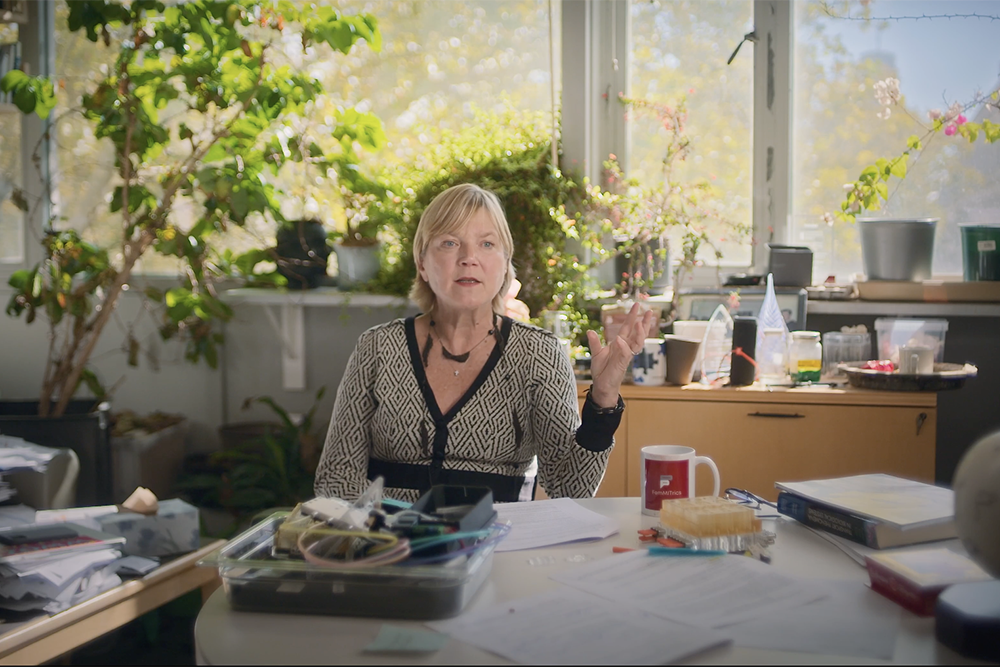
Endometriosis affects more than 265 million women worldwide — 1 out of every 10 women of reproductive age, according to the United Nations — yet it remains one of the most misunderstood, under-researched, and chronically stigmatized conditions in modern medicine. A new documentary, “End of the Cycle,” presented by The Endometriosis Collective, is changing that conversation about this painful disease, one powerful story at a time.Directed by Sammy Jaye and Soraya Simi, the film weaves together…
Running a modern research laboratory requires more than maintaining sophisticated instruments. Researchers need to complete training, obtain access, schedule and operate equipment, navigate billing, and more. For large, shared facilities, coordinating these activities across hundreds of instruments and thousands of users can be a significant undertaking. As research becomes increasingly interdisciplinary, another challenge is emerging: finding the right capability in the first place.Addressing…