C
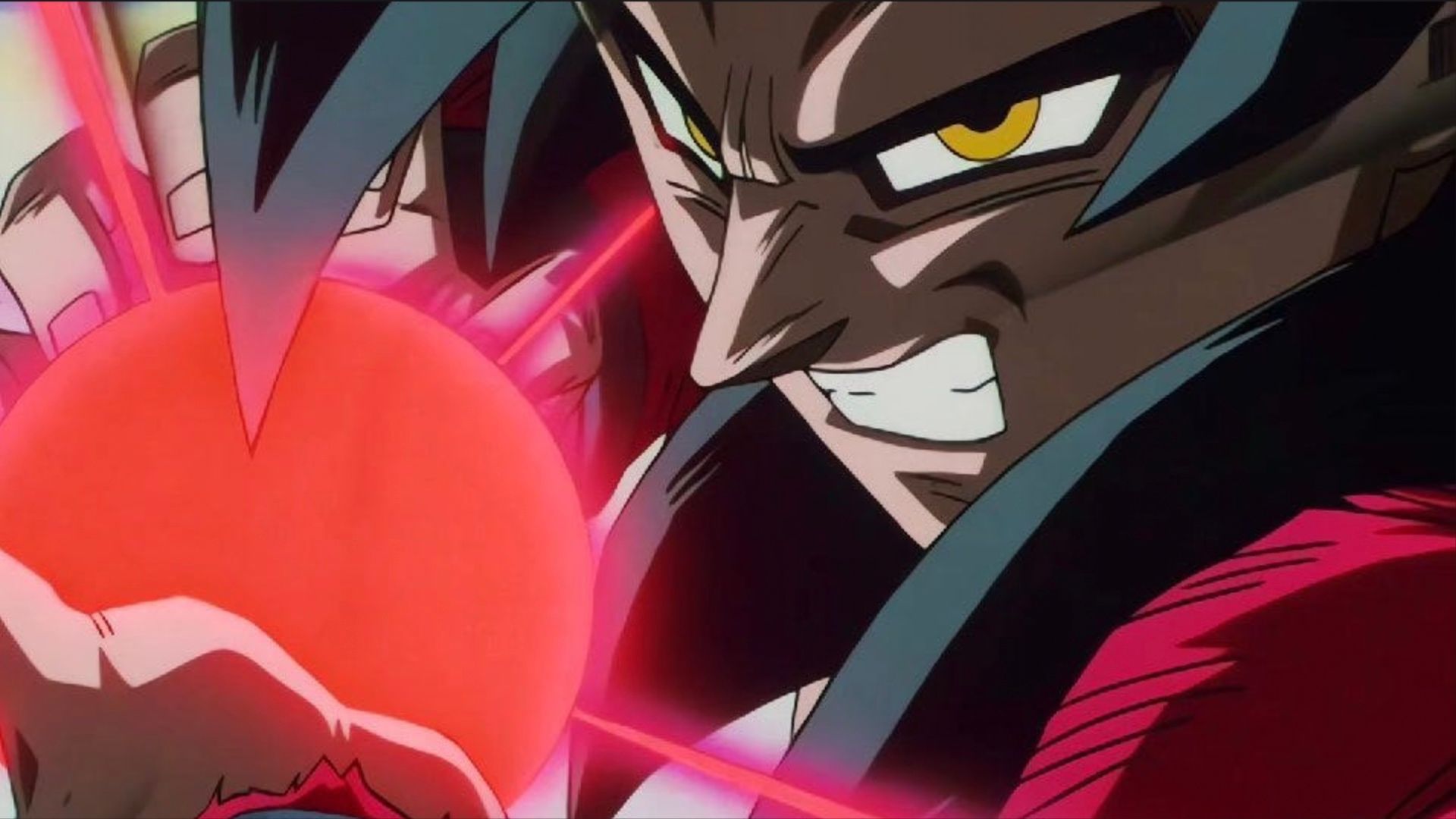
Akira Toriyama's Dragon Ballis a triumph in shonen storytelling, albeit one that's not without its shortcomings. 1996's Dragon Ball GT, a bold new anime that would pick up Dragon Ball Z's story five years later, was met with early skepticism. The daring anime is still regarded as the black sheep in the franchise, even if several of its ideas have made their way into other Dragon Ball projects.
C
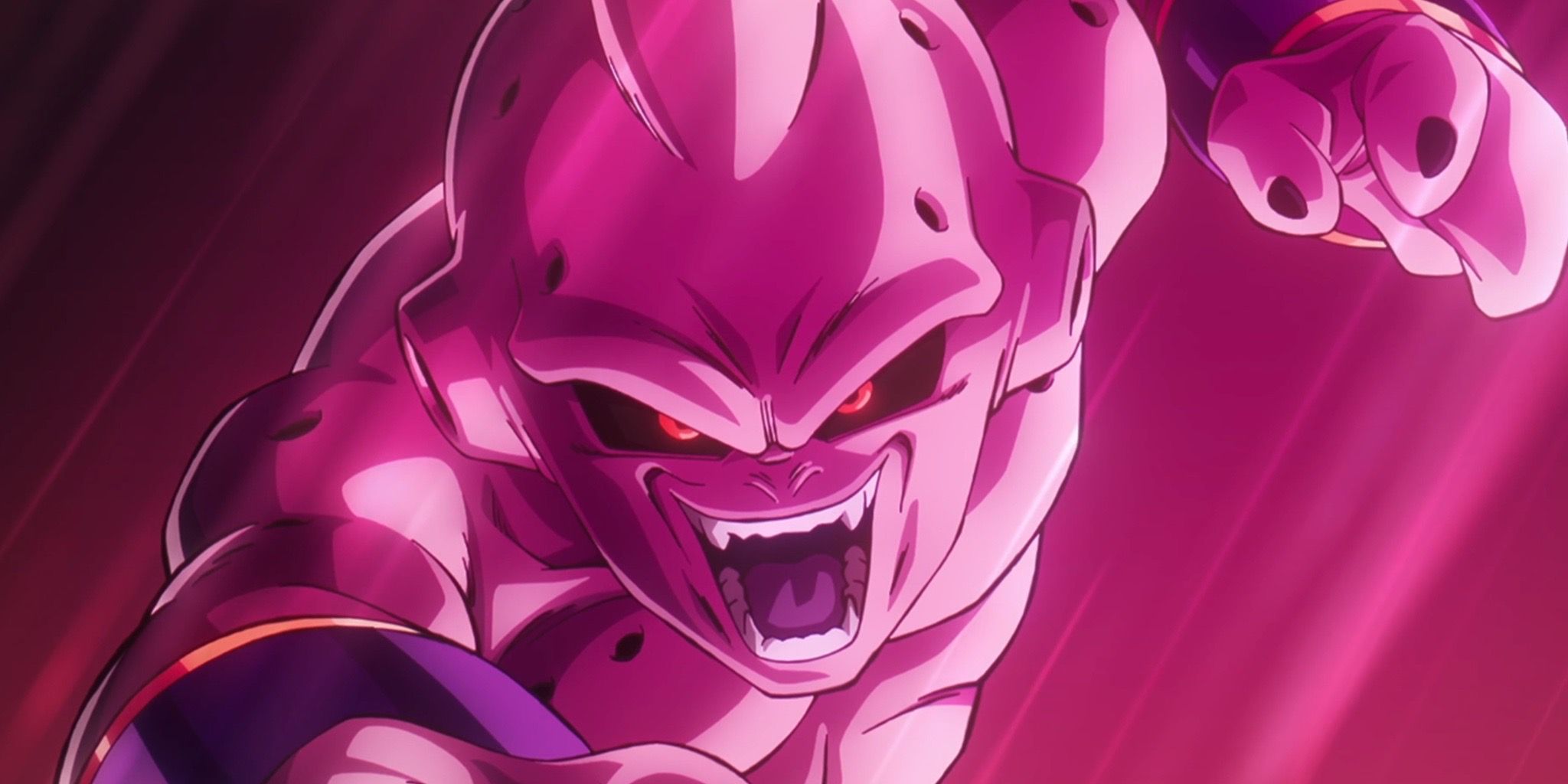
Dragon Ballvillains are practically as popular as its heroes, with some even becoming broader anime icons. There's endless celebration for Dragon Ball Z's Frieza and Cell, but the anime's final foe — Majin Buu — is considerably more controversial. Buu, like the antagonists before him, cycles through several transformations during his clash against the Z-Fighters.
C
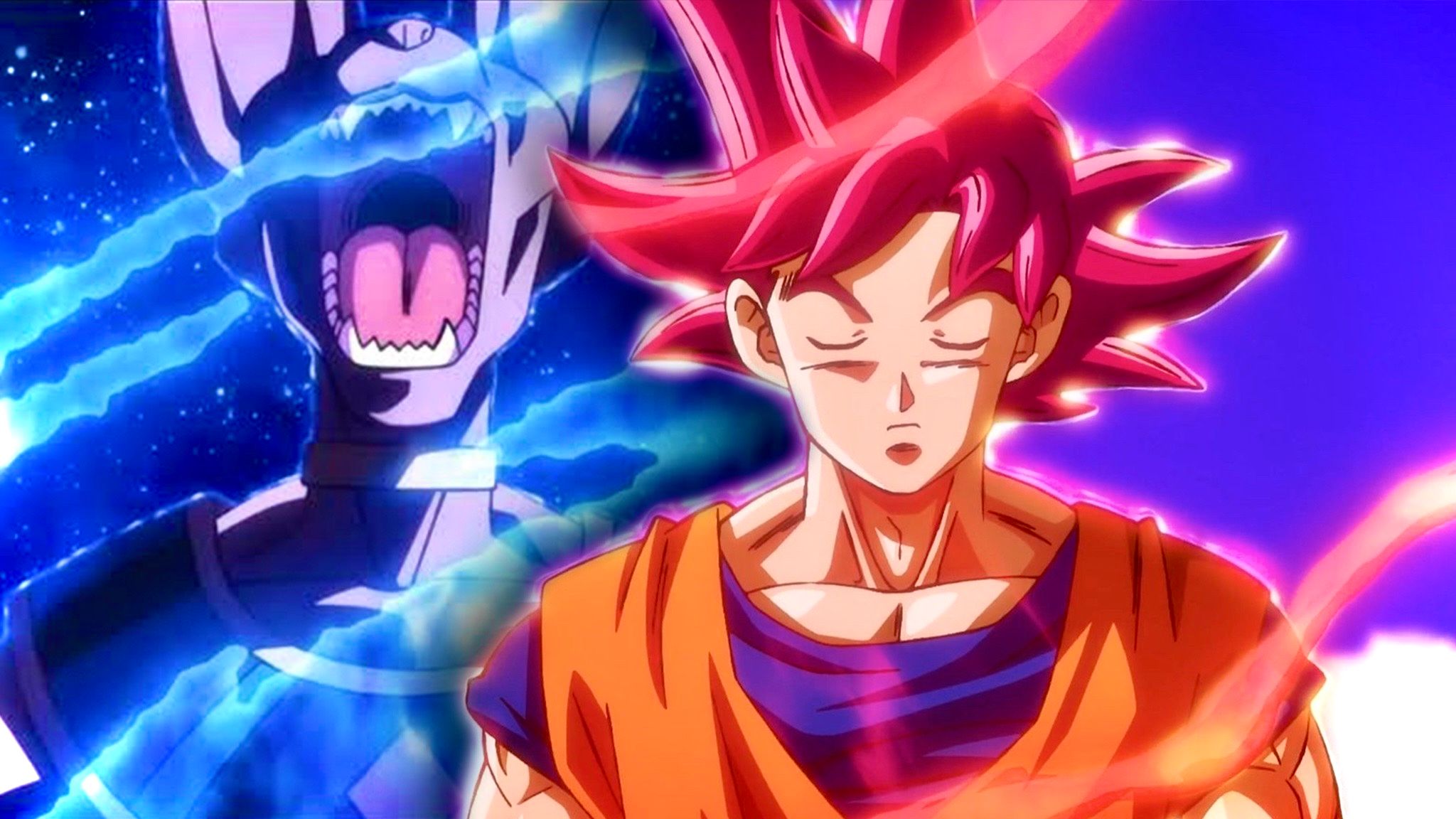
Dragon Ball Super: Beerus’ latest episode weakens Goku’s fight with Beerus in more ways than one.
C
The 1980s are widely known as the golden age of anime, a decade during which the medium was defined by boundless creativity, daring experimentation, and rapid growth. Many of the classic shows released during the '80s went down in history as timeless classics that fans still adore to this day.
C
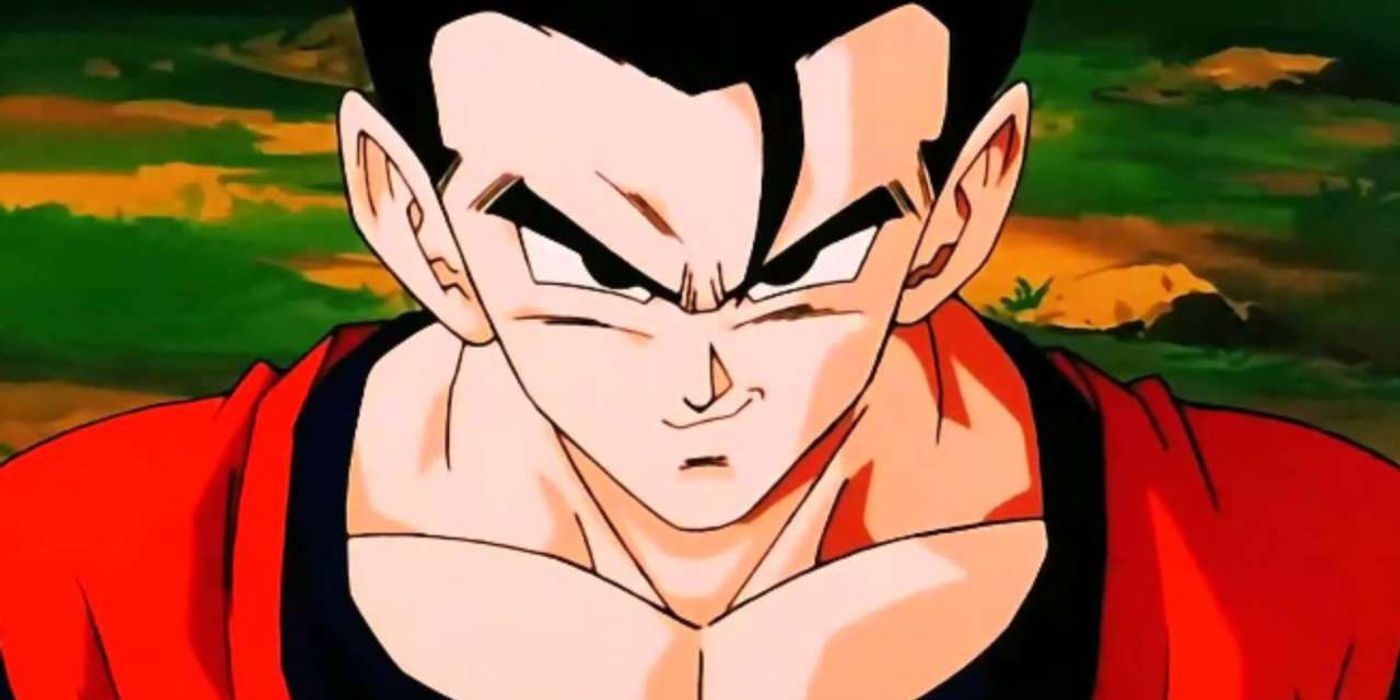
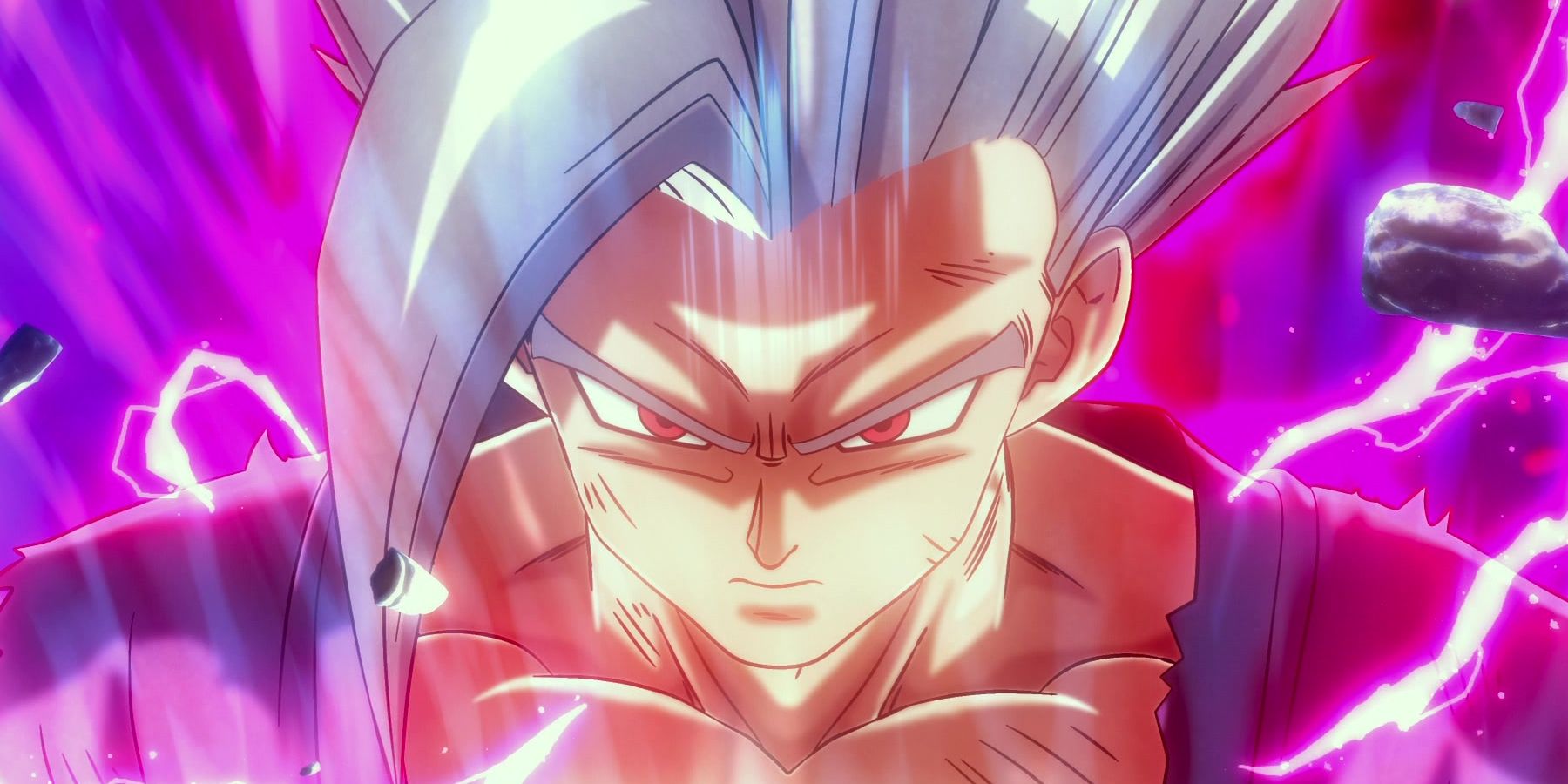
Dragon Ballis packed with extremely powerful heroes, but Gohan has always shown tremendous potential, even before he fully understands his own strength. It's no surprise that Goku's son grew up to become a warrior whose strength occasionally even surpasses his father. Gohan's unique perspective on combat has aided him through some extremely trying battles and he's progressively tapped into prolific power.
C
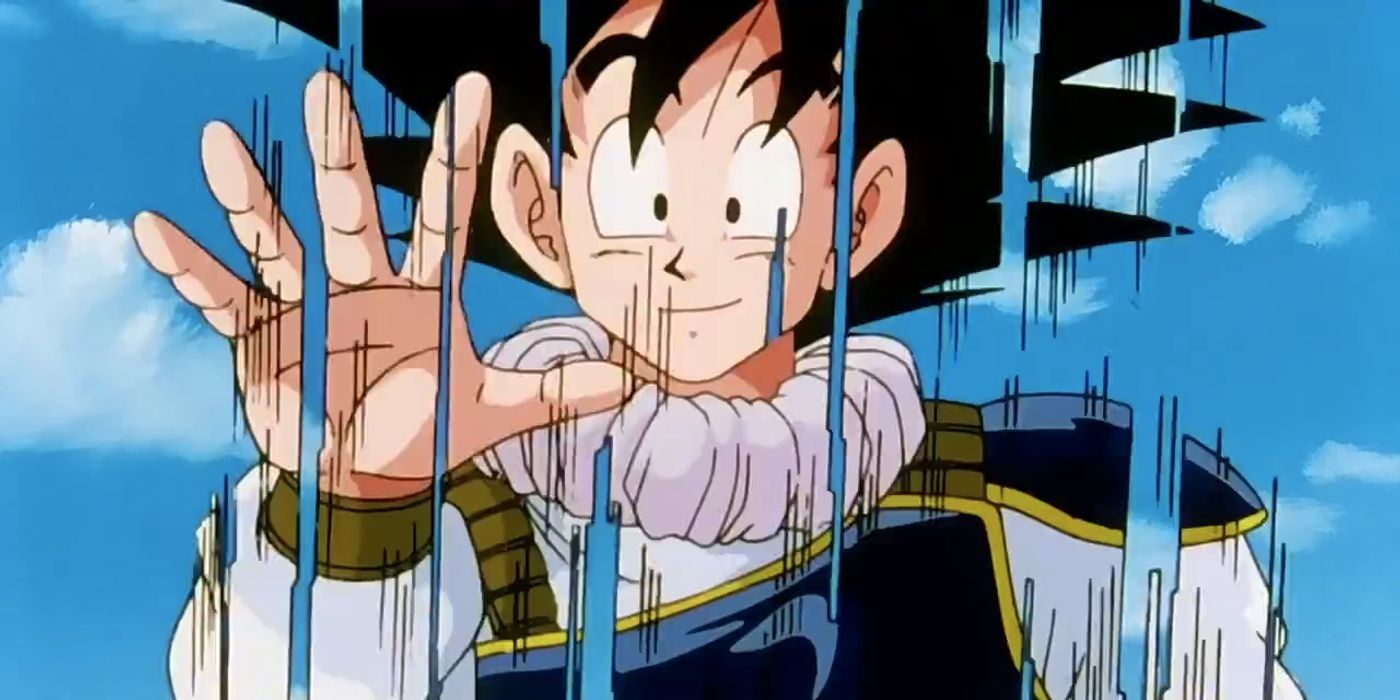
Dragon Ball Z’s latest release has officially brought back Goku’s brief but iconic Yardrat outfit, giving fans a healthy dose of nostalgia.
C
The most powerful characters in anime demonstrate their combat prowess through mastering all kinds of weapons, from traditional arms, like swords, guns, or lances, to extremely unorthodox, often supernatural tools. However, not every character actually needs a weapon to become a skilled fighter, and many heroes prove themselves the strongest without relying on a signature weapon.
C
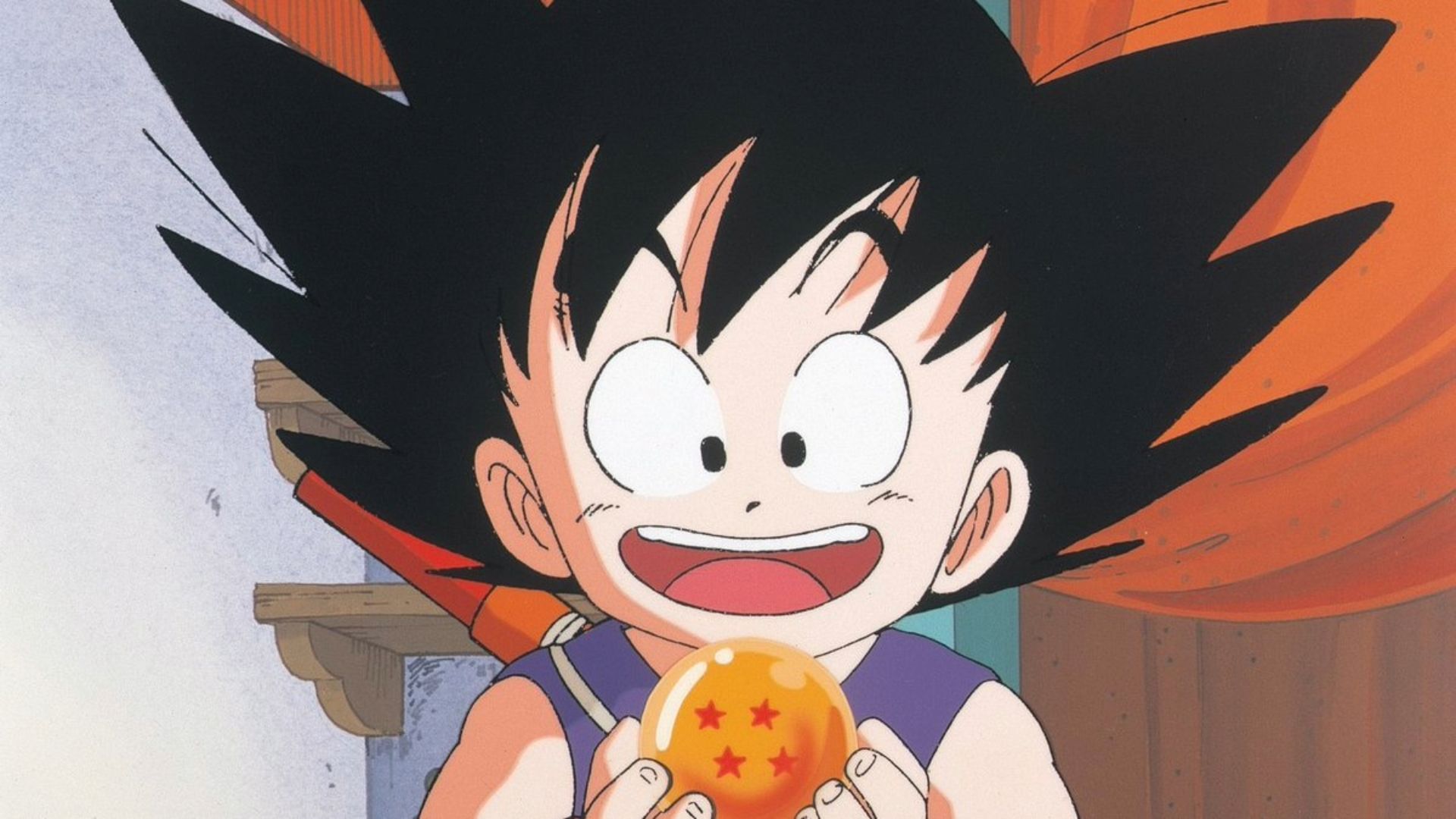
Dragon Ballhas been one of the biggest anime in the world since 1986, and throughout its 40-year history, Toei Animation has brought Akira Toriyama's vision to life. Of course, Toei has made many other famous anime as well, including One Piece, Sailor Moon, Digimon and Precure.
C
Cartoon Network’s anime selection wasn’t always what people expected from children’s television. Some shows slipped in risky jokes, intense violence and heroes who broke all the usual molds. Those risks made many of these series into classics, but a network today would hesitate to take the same chances.
C
Goku, Gohan, Vegeta, and Piccolo are some of Dragon Ball's strongest heroes. They are who the series typically focuses on, and they are the Z-Fighters who most consistently rise to new heights of greatness.
C
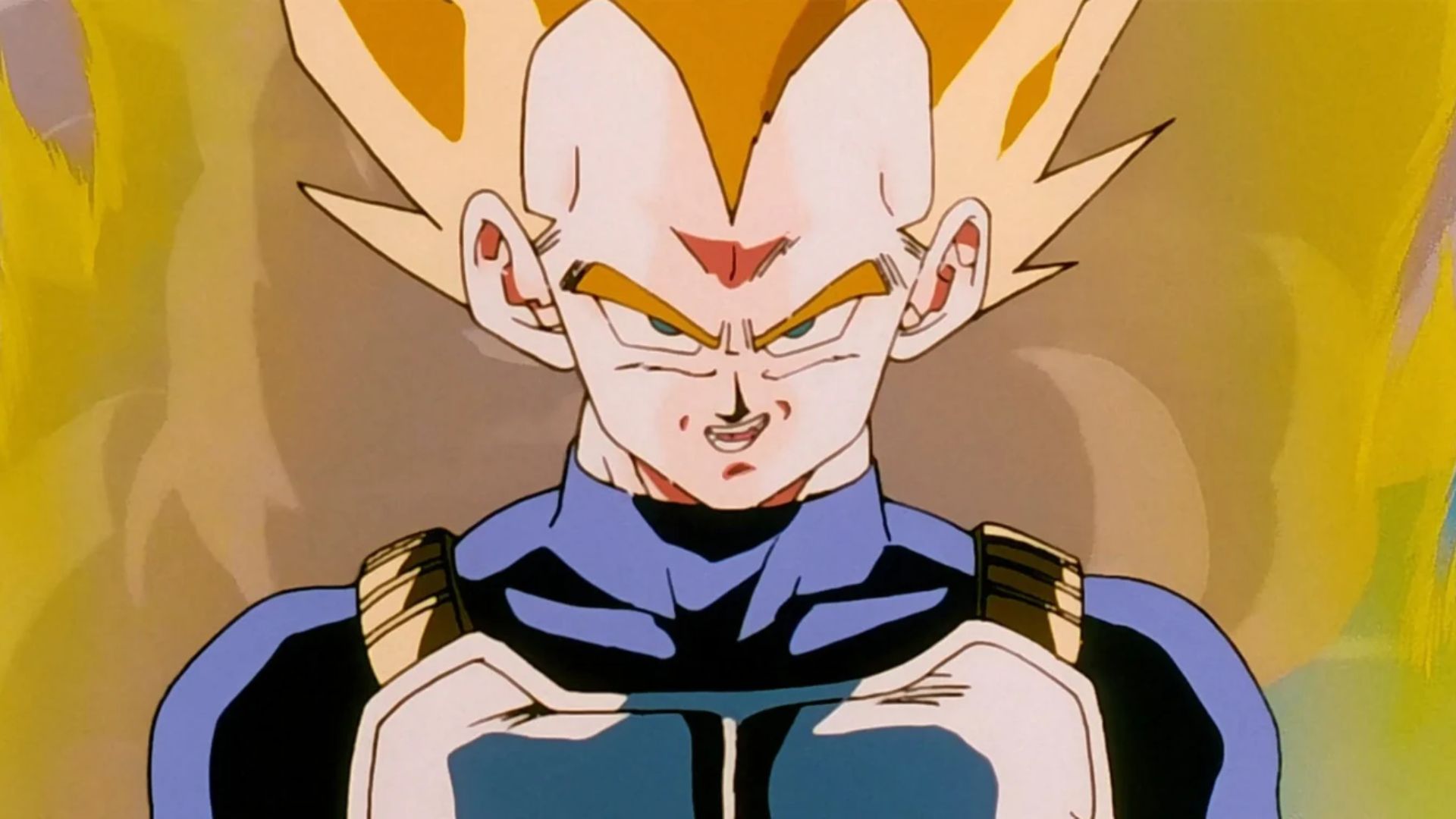
Dragon Ball is one of the most influential anime franchises of all time. Many concepts found in anime, manga, and even Western fiction today, came from Dragon Ball and Dragon Ball Z. Scenes like Goku's first Super Saiyan transformation and Vegeta's sacrifice are unforgettable and still rank among the best moments in anime.
C
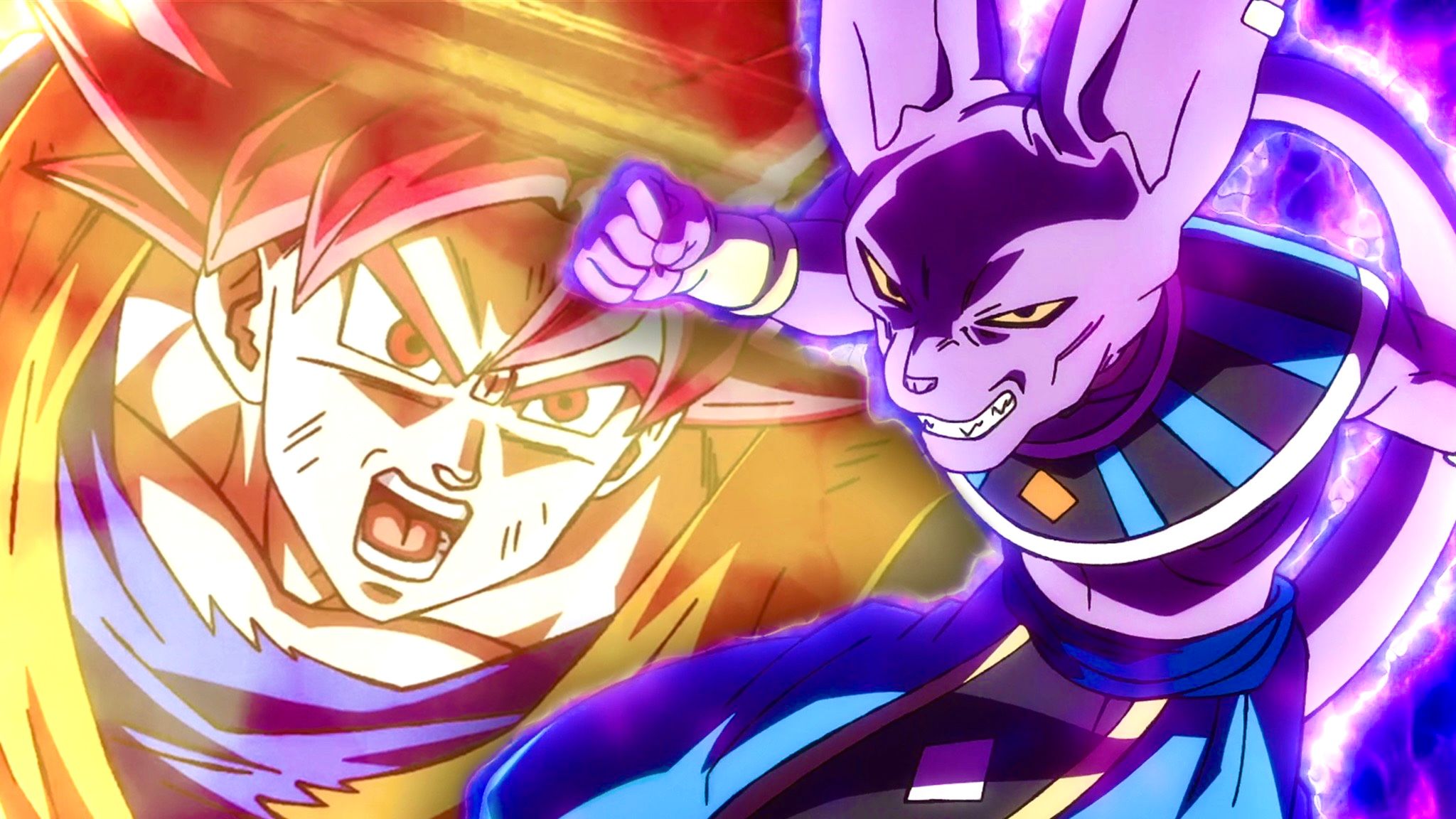
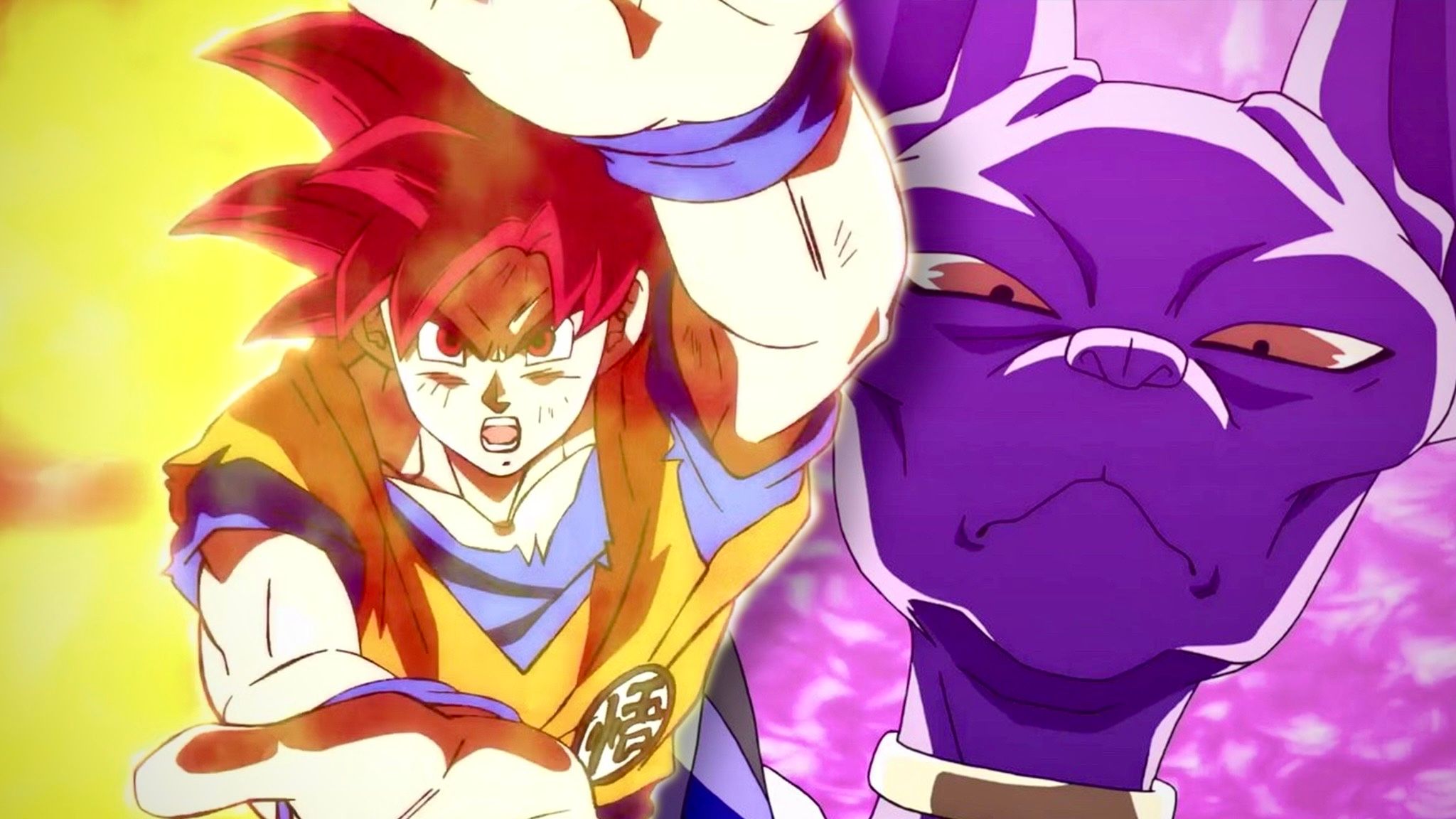
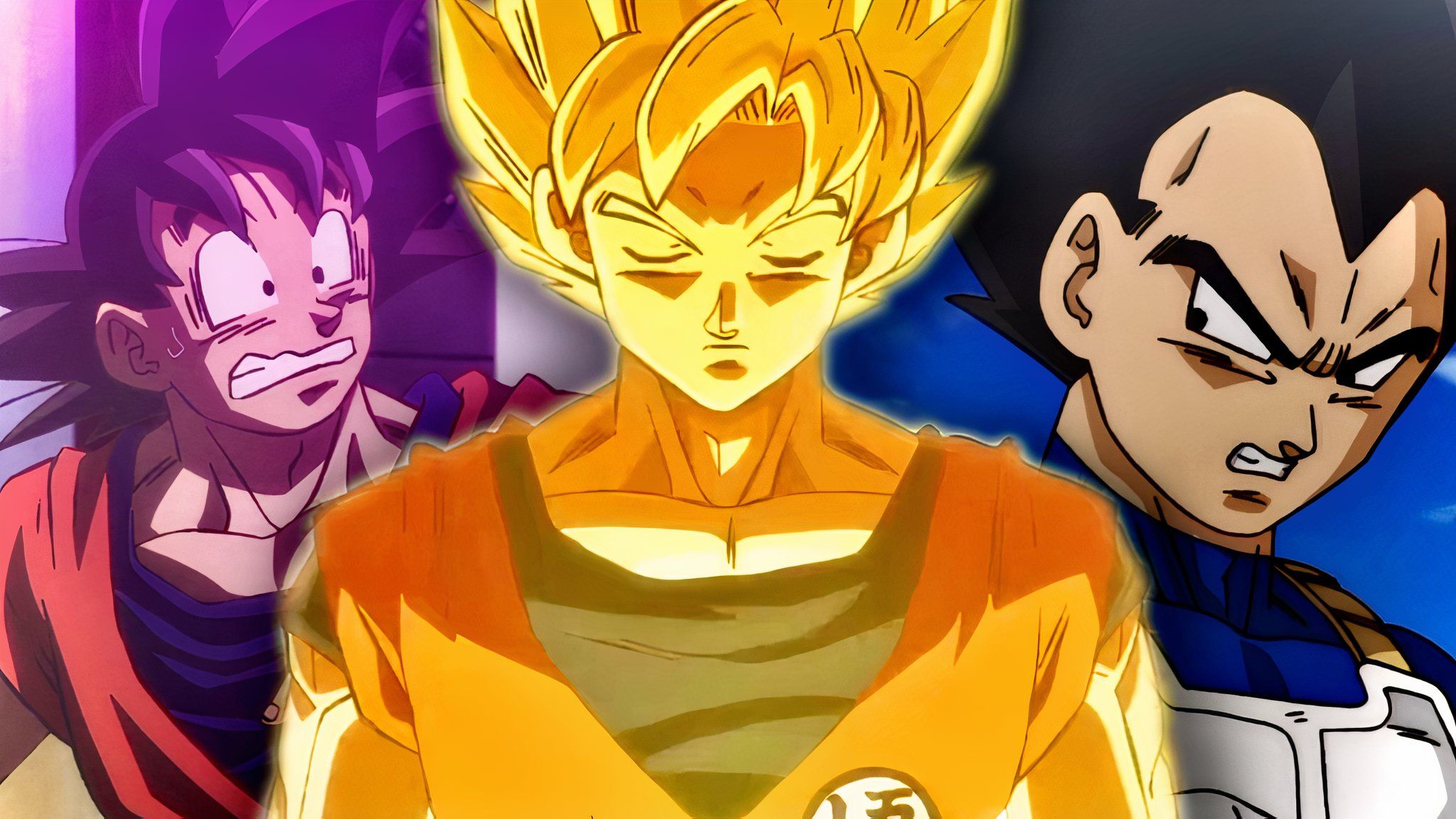
It’s finally happening: the Dragon Ball Superremake's biggest battle is about to begin. Dragon Ball Super: Beerus Episode 5, “The God of Destruction and Son Goku,” marks the beginning of the climactic battle between Super Saiyan God Goku and Beerus.
C
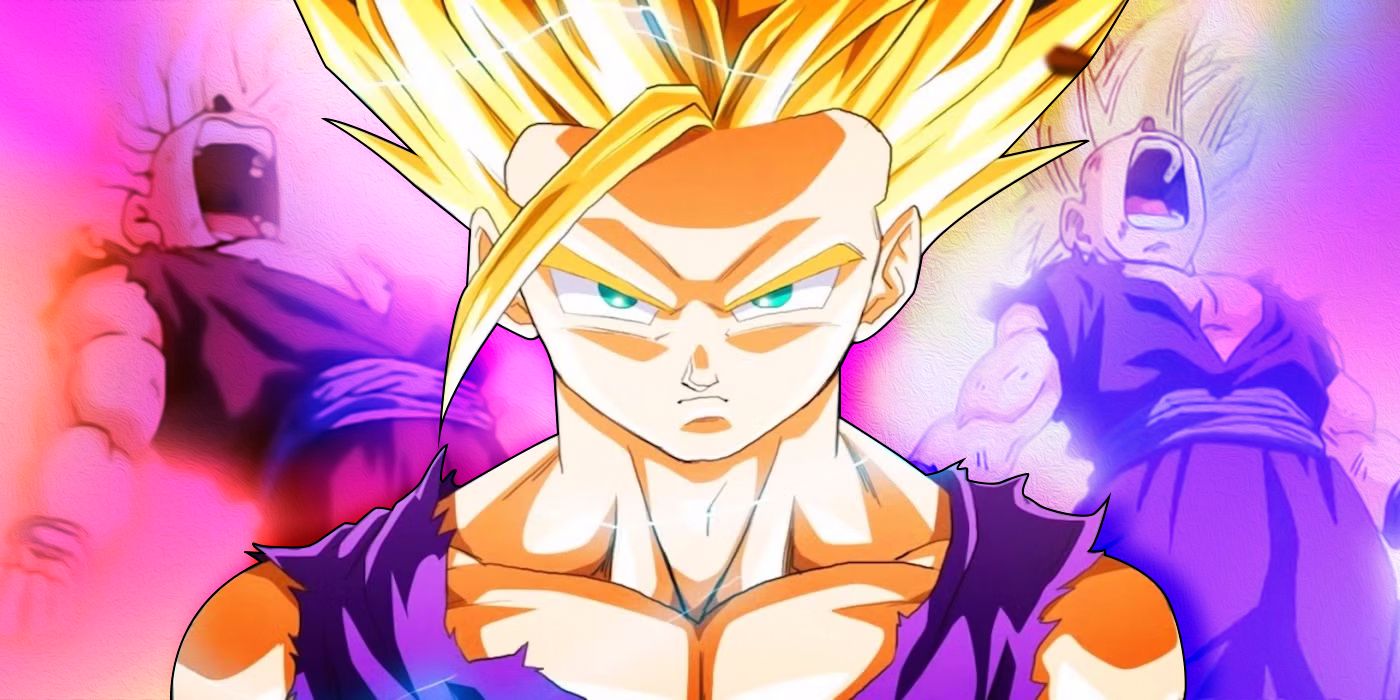
Super Saiyan 2 Gohan was once considered the strongest hero in Dragon Ball Z. His transformation during the Cell Games gave him enough strength to defeat Perfect Cell, who had previously defeated everyone who stood against him. It was one of the greatest displays of power in the entire series, and Gohan's victory remains a defining moment in Dragon Ball history.
C
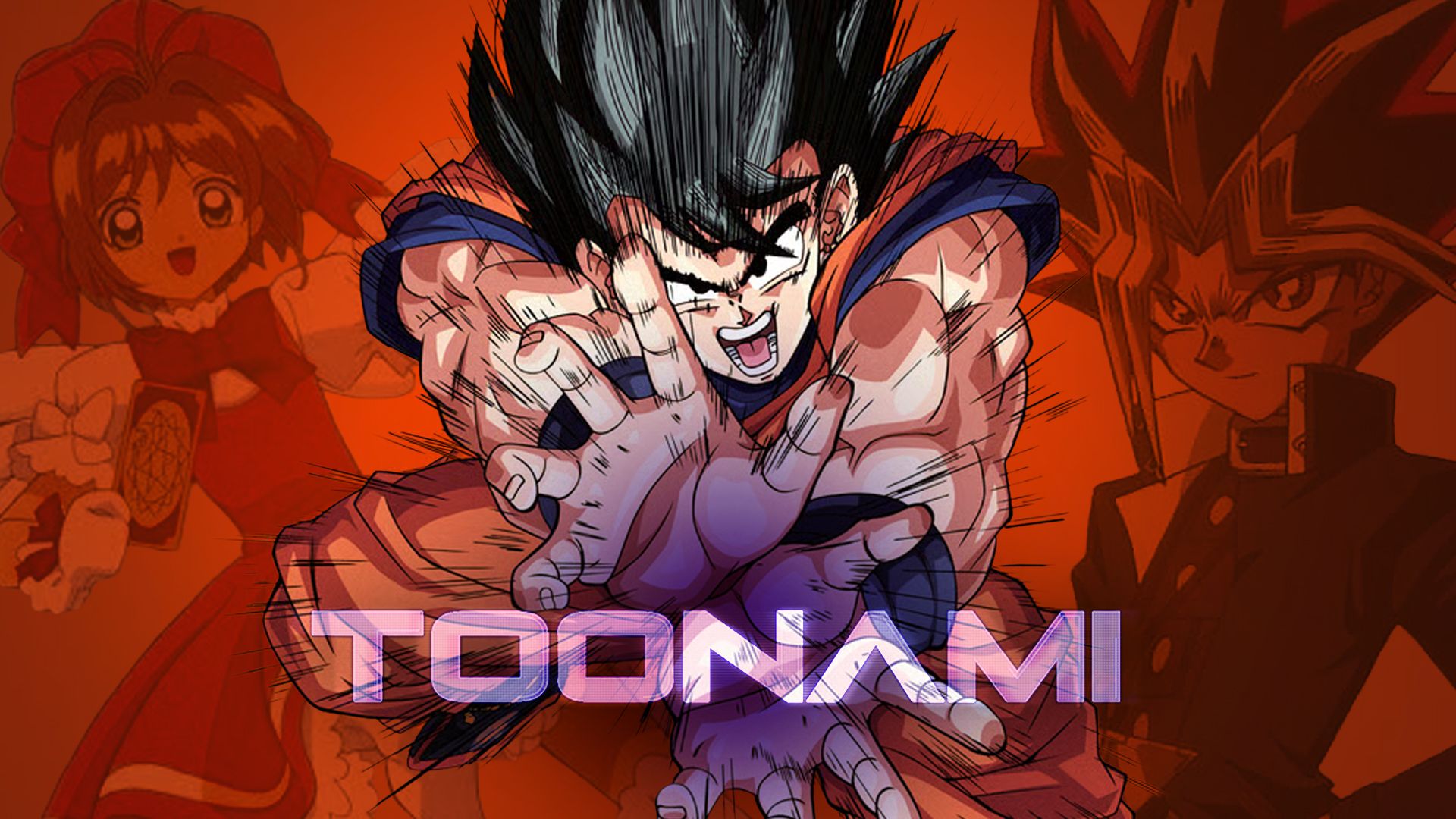
Throughout the late '90s and the 2000s, Toonami was massively important to American anime fans. It became the primary way that fans were able to watch anime without having to buy anime directly. Fans were able to check out a variety of series just by regularly tuning in, as they rotated between anime series.
C
The 1980s were the first decade that anime was truly beginning to come into its own. While the '70s had plenty of classic series, the '80s created cultural phenomenons and turned the popular '70s shows into massive franchises. Honestly, the success of the '80s is what allowed the '90s and later decades to blossom.
C
Dragon Ball is a franchise that's always looking for new ways to expand its scope and expose its characters to greater power and challenges than ever before. Many of the franchise's fans have fallen in love with the later entries' more mature storytelling that takes advantage of hundreds of hours of backstory.
C
Anime has never shied away from dramatic character deaths, using tragic losses to raise the stakes, motivate heroes, and leave a lasting impression on fans. However, classic anime brought to American television often faced strict broadcast standards that were far less accepting of violence and death.
C
Over the past few months, things had finally started to look promising for the Dragon Ball Super manga’s impending return to V Jump magazine. However, some troubling new developments have now turned everything around.
C
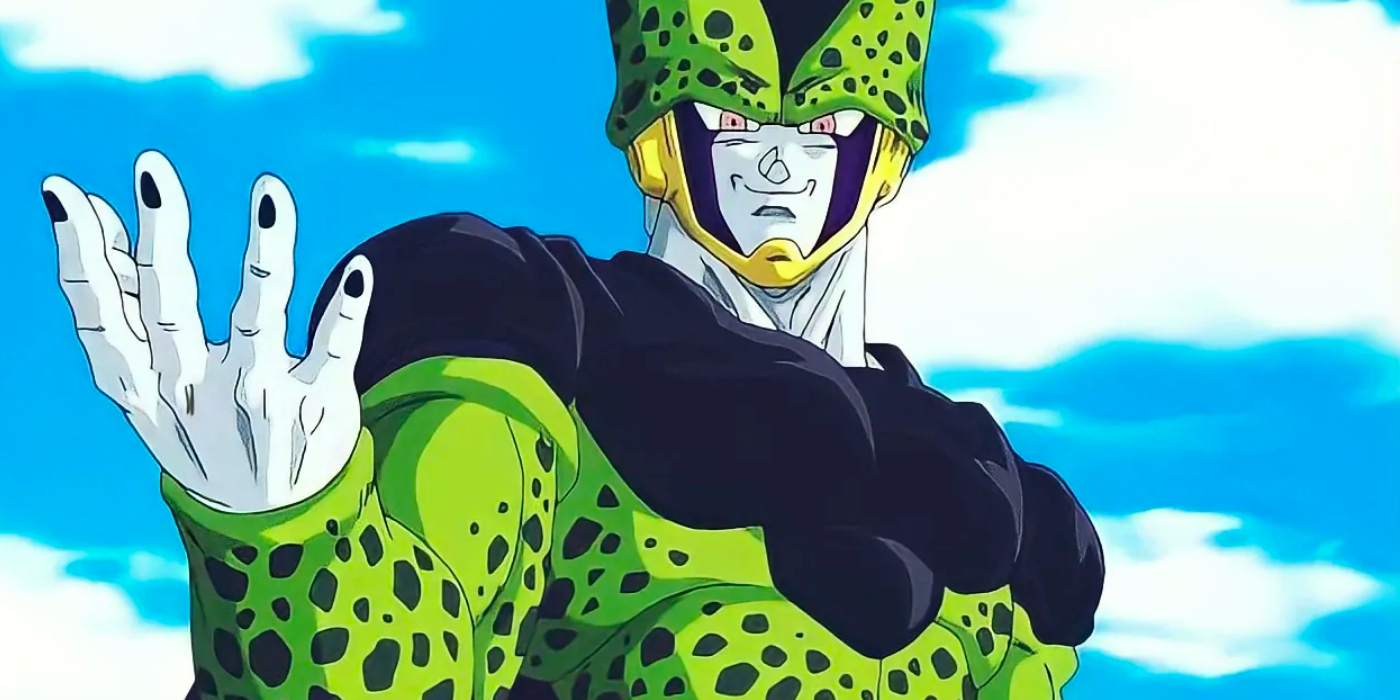
Dragon Ballis a series that makes sure that its central threats are always stronger and more sinister than their predecessors. Frieza, Majin Buu, and Demon King Piccolo represent some of the franchise's fiercest foes, but Cell is an underrated enemy who caused unprecedented peril for the Z-Fighters, and even succeeded where many villains fall short in killing Goku.
C
Some battle shonen anime end their story with an intense tournament, or by saving the world and offering emotional farewells. Other series last long enough for the youngest audience members to grow up. New characters come back decades later after their introductions in previous seasons, carrying the story on for another generation.
C
Dragon Ball has long had Saiyans at the center of its narrative. There's always an extra level of excitement that accompanies the appearance of a new Saiyan, and they often reflect incredible new heights of power.
C
Dragon Ball Super takes power scaling to a level far beyond Dragon Ball Z as Saiyans, who once threatened planets, now train just to stand near a God of Destruction. Beerus defines that new standard and every fighter around him compares their strength against Beerus’ destructive power. At that point, power in Dragon Ball's world no longer depends on training alone.
C
Dragon Ball Super’s new remake is off to a mixed start after four episodes. While Dragon Ball Super: Beerus Episode 4, “ The God of Saiyans,” does justice to Goku’s long-awaited Super Saiyan God transformation, it’s still doing nothing to make this version of the God of Destruction Beerus Saga worth watching over the Dragon Ball Z: Battle of Gods movie that started it all.
C
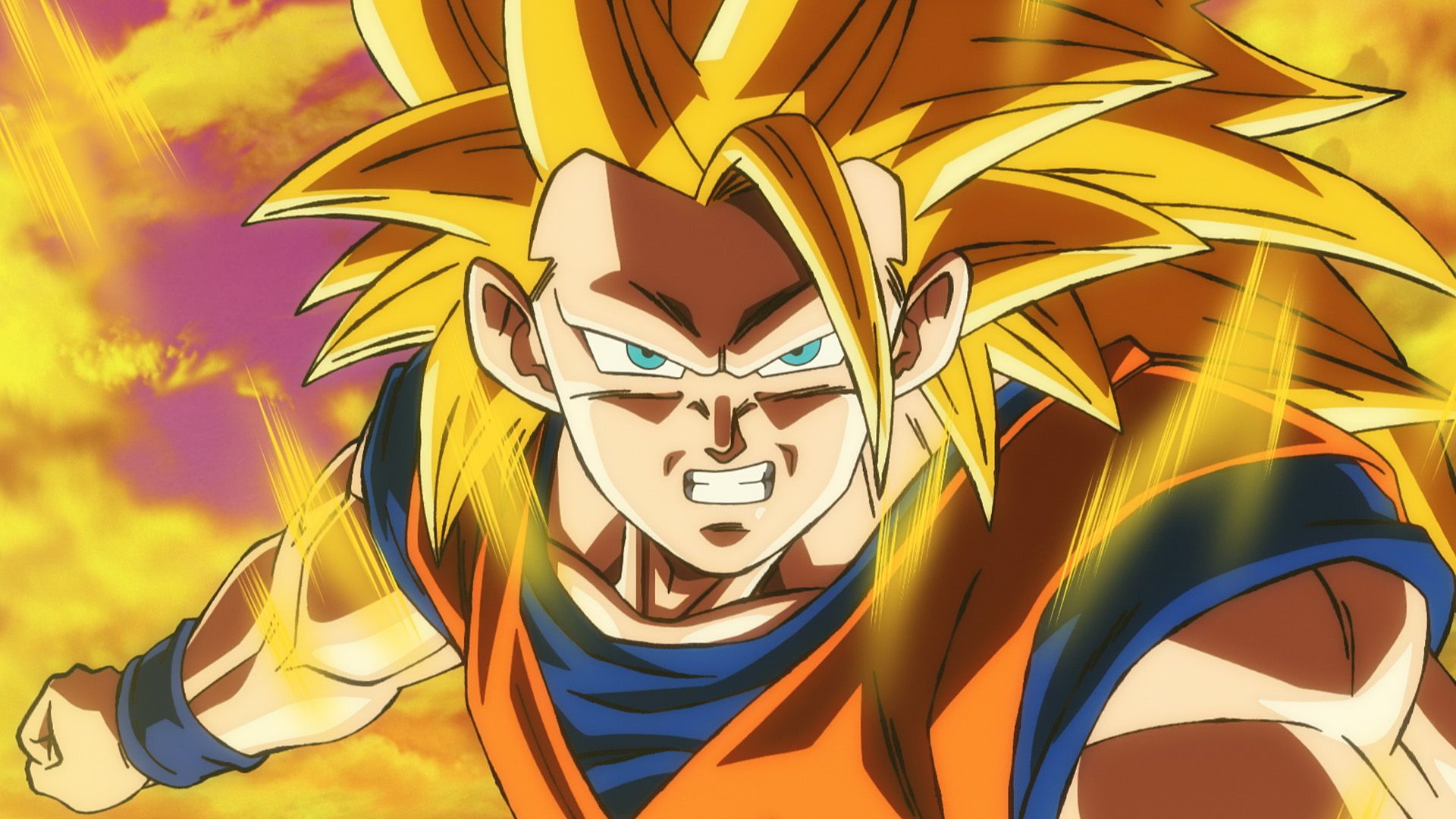
If there is any anime that knows how to create a spectacle, it’s Dragon Ball, and the franchise has been dutifully introducing awe-inspiring Super Saiyan transformations for decades now. New Super Saiyan forms are probably the franchise’s biggest selling point, because of the incredulous display of power they enable.
C
With its adaptation of the God of Destruction Beerus Saga already halfway over, Dragon Ball Super: Beerus' overall changes to the 2015 original series have already been game-changing. After only 3 episodes, Dragon Ball Super: Beerus’ story has already made its way through Episode 8 of the OG, all while cutting a surprising amount of content from along the way. And sometimes, that cut content has led to some questionable storyline alterations.
C
Goku Black is a unique villain in Dragon Ball. He's from a different timeline where Zamasu makes a wish to essentially steal Goku's body, mixing Zamasu's divine nature with Goku's incredible abilities. The final result is a villain even Future Trunks couldn't beat, forcing the Saiyan warrior to ask his father and Goku for help.
C
Dragon Ball never fails to deliver non-stop action spectacles that depict epic clashes between the forces of good and evil. Dragon Ball is responsible for creating some unforgettable shonen heroes, but it's also a franchise that understands the importance of good villains. Frieza, Cell, Majin Buu, and Moro are iconic antagonists who have helped set new genre standards.
C
Anime villains rarely get to enjoy the kind of future they spend so much time denying the heroes. Defeat usually means death, imprisonment, or a last-minute moment of regret before the credits roll. Yet, some series take a different route, allowing their former antagonists to leave their destructive pasts behind and find genuine happiness. For characters who once seemed destined to remain enemies, getting a second chance can be more satisfying than any dramatic final battle.
C
Dragon Ball Super’s anime remake is preparing to release its biggest fight yet. Dragon Ball Super: Beerus Episode 4, “The God of Saiyans,” will be a major turning point in Goku and the Dragon Team’s uphill battle against Beerus’ godly power.
C
2027 is already shaping up to be one of Dragon Ball's most fortuitous years. Dragon Ball Super: Beerus has reinvigorated the audience's passion and given this important chapter the proper respect and attention that it deserved a decade ago, and there are many more anime and video game releases on the way. However, there's still one major aspect of the franchise that's been stuck in a holding pattern for years — a fated showdown against Black Frieza in the DBS manga.